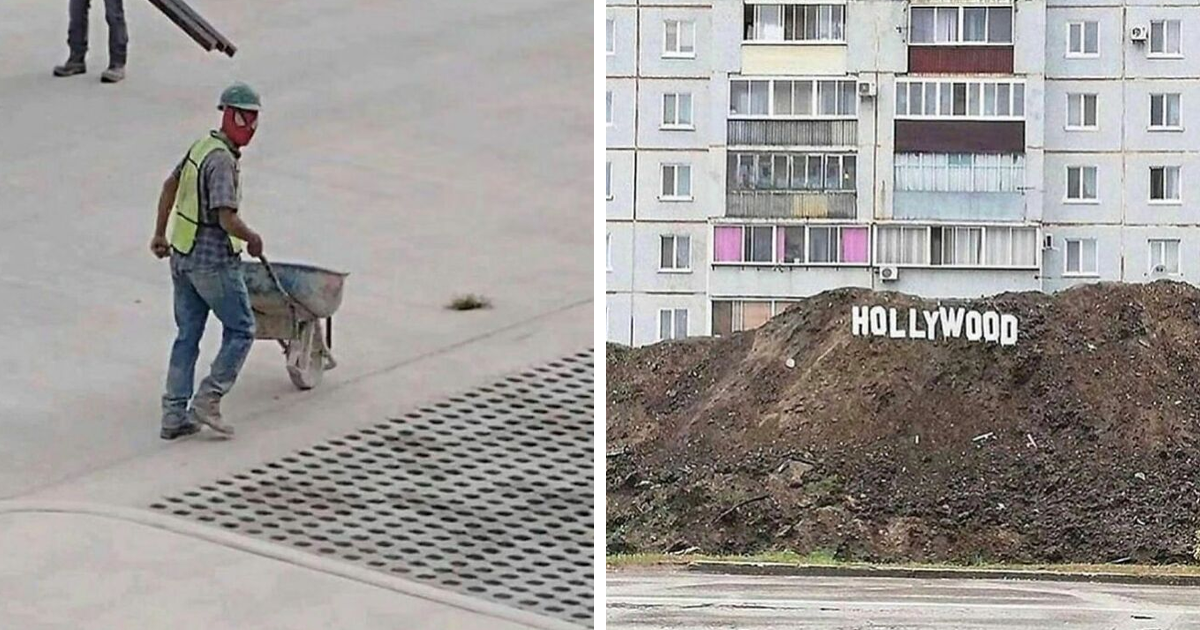
Some images tell a story. Others answer a question. Then there are pictures that kick open the door, release three raccoons wearing tiny sunglasses, refuse to explain themselves, and disappear into the night.
That final category is where the “I Am Cringe, But I Am Free” spirit thrives. The viral collection of 50 hilarious yet confusing images celebrates photographs, edits, costumes, objects, animals, and accidental visual disasters that seem to have escaped from dreams written by an exhausted toaster. The original gallery drew material from an Instagram account devoted to weird, context-free pictures, proving that an image does not need a logical setup or traditional punchline to be funny. Sometimes confusion is the punchline.
These strange images represent more than random internet noise. They belong to a recognizable style of absurd online humor built on visual surprise, deliberate awkwardness, unexpected combinations, and complete freedom from the exhausting responsibility of appearing cool.
Why Hilarious Yet Confusing Images Are So Funny
Your Brain Expects Logic and Receives a Haunted Sandwich
Most jokes establish a familiar situation before breaking the pattern. A confusing image skips the setup and delivers the broken pattern immediately. You might see an animal positioned like a disappointed manager, a household object modified for no defensible reason, or a person wearing something that appears to have been designed during a power outage.
Your brain automatically searches for an explanation. Who made this? Why was it photographed? Was anyone supervising? When no answer arrives, the mind starts creating its own story. That mental participation makes the image more memorable than an ordinary photograph.
Incongruity theory proposes that humor often emerges when expectations collide with an unexpected result. Another prominent explanation, benign violation theory, suggests that something can feel funny when it appears wrong, awkward, or unsettling without presenting a serious threat. A bizarre image often satisfies both conditions: it violates normal visual logic while remaining safely ridiculous.
Missing Context Becomes Part of the Joke
Traditional comedy provides enough information to guide the audience toward a punchline. No-context humor cheerfully removes those instructions. Instead of saying, “Here is why this is funny,” it drops an unexplained picture onto the timeline and lets the comments section conduct an emergency investigation.
Was the strange object handmade? Is the costume intentional? Is the animal comfortable? Is this a movie set, a family gathering, or evidence from a trial? The uncertainty creates dozens of possible interpretations, and each viewer mentally writes a slightly different joke.
Internet Memes Are Modern Folklore
Memes may move at Wi-Fi speed, but their social function is surprisingly traditional. Folklorists describe memes as shared cultural expressions that are repeated, altered, and passed between communities. A familiar format acts like a tune everyone knows: each participant can add a new verse, caption, crop, or reaction.
Utah State University folklorist Lynne McNeill has explained that sharing memes resembles older forms of symbolic communication because people build on recognizable traditions while introducing personal twists. A meme can be language, artwork, performance, and social signal at the same time.
50 Flavors of Glorious Visual Confusion
The appeal of the collection is not that every picture delivers the same joke. Each image finds a different route into the brain’s “What am I looking at?” department. Here are 50 recurring flavors of chaos that make these galleries so addictive.
- The Accidental Renaissance Painting: Several unrelated people somehow pose like a dramatic museum masterpiece.
- The Animal With Employment: A pet looks prepared to discuss quarterly performance and unpaid overtime.
- The Unlicensed Invention: Two household objects are combined into something no safety inspector requested.
- The Perspective Disaster: An innocent camera angle creates an entirely new and deeply suspicious anatomy.
- The Costume With No Occasion: Someone arrives dressed for an event that exists only in another dimension.
- The Food Crime: A meal is assembled with confidence, ambition, and absolutely no respect for civilization.
- The Extremely Specific Sign: A warning describes a situation so unusual that it must have happened repeatedly.
- The Bootleg Character: A beloved mascot returns after being reconstructed from memory during a fever.
- The Petty Architectural Choice: A door, window, or staircase appears designed to punish future residents.
- The Formal Animal Portrait: A creature poses with the dignity of a nineteenth-century railway tycoon.
- The Cursed Family Photograph: Everyone smiles while one background detail quietly destroys the entire mood.
- The DIY Confidence Miracle: The craftsmanship is questionable, but the creator’s self-belief remains magnificent.
- The Product Nobody Requested: A manufacturer solves a problem that humanity had successfully avoided inventing.
- The Tiny Hat Advantage: Nearly any animal becomes funnier when given an unnecessarily small hat.
- The Object With a Face: Random handles and screws accidentally form an expression of permanent disappointment.
- The Uncomfortable Mascot: A promotional costume smiles while its eyes communicate knowledge of forbidden events.
- The Public Transport Mystery: A commuter carries an item that creates more questions than the journey itself.
- The Historical Figure Remix: Classical artwork is altered until an emperor appears ready to post reaction memes.
- The Aggressively Literal Design: A concept is interpreted so directly that metaphor packs its bags and leaves.
- The Unexpected Luxury Upgrade: An ordinary object receives gold trim, velvet, or diamonds despite resisting improvement.
- The Animal Mid-Decision: A creature appears to be reconsidering every choice that brought it into the photograph.
- The Physics Complaint: Something bends, floats, balances, or stretches in a manner that deserves formal investigation.
- The Wedding Plot Twist: A romantic scene contains one detail capable of becoming the family’s permanent group-chat sticker.
- The Suspicious Cake: Frosting attempts to portray a person or animal and instead creates a new cryptid.
- The Mannequin With Lore: A store display appears to have relationships, debts, enemies, and unfinished business.
- The Fashion Challenge: Clothing sacrifices comfort, movement, and perhaps oxygen in pursuit of unforgettable style.
- The Bathroom Engineering Experiment: Plumbing fixtures occupy positions that suggest the architect held a grudge.
- The Technically Functional Vehicle: It has wheels, a steering mechanism, and absolutely no business entering traffic.
- The Photoshop Surrender: Editing begins with ambition and ends when the creator decides “close enough.”
- The Children’s Character After Taxes: A familiar face looks older, exhausted, and ready to discuss refinancing.
- The Unsettling Doll Gathering: Several dolls stare toward the camera as though the photographer interrupted negotiations.
- The Appliance With Personality: A toaster or washing machine appears delighted by the household’s suffering.
- The Extremely Local Advertisement: A business promotes itself using graphics that could frighten customers into entering.
- The Vacation Photo Intruder: One person, animal, or wave transforms a peaceful memory into internet history.
- The Failed Optical Illusion: The intended trick is unclear, but the resulting confusion is even better.
- The Object Used Incorrectly: Someone ignores the obvious purpose of a product and discovers a stranger one.
- The Unreasonably Dramatic Pet: A minor inconvenience becomes a complete Shakespearean tragedy with whiskers.
- The Store Display Meltdown: Products are arranged as though the shelves experienced a deeply personal crisis.
- The Unnecessary Human Face: A realistic face is added to an object that was happier without one.
- The Medieval Internet Energy: An image feels ancient and online at the same time, like a knight discovering Wi-Fi.
- The Furniture Mutation: A chair or couch evolves beyond comfort and begins pursuing its own mysterious goals.
- The Sign Translation Adventure: The words are technically English, but their final message has escaped containment.
- The Background Champion: The main subject behaves normally while a distant stranger earns all the attention.
- The Unexpected Scale Problem: An object is far larger or smaller than any emotionally prepared viewer expected.
- The Haircut With Architecture: Hair becomes a structural project involving geometry, engineering, and possibly permits.
- The Serious Pose, Ridiculous Setting: Someone models confidently while the environment quietly performs stand-up comedy.
- The Animal Imitating an Object: A pet achieves such perfect camouflage that reality briefly becomes optional.
- The Image That Feels Illegal: Nothing obviously criminal is happening, yet the photograph creates immediate legal anxiety.
- The Homemade Superhero: Cardboard, tape, and unstoppable confidence produce a hero no cinematic universe predicted.
- The Pure Unclassifiable Mystery: The rare picture that defeats language and can only be answered with “excellent.”
Why “I Am Cringe, But I Am Free” Became an Internet Philosophy
Cringe Is Often Just Enthusiasm Without Permission
Calling something “cringe” can be a way of enforcing invisible social rules. Do not care too much. Do not dress too strangely. Do not make a homemade costume unless it looks professionally manufactured. Do not dance unless you have rehearsed. Do not post the joke unless everyone will understand it.
The “I am cringe, but I am free” response rejects that exhausting performance. It does not argue that everything awkward is secretly sophisticated. It simply asks whether embarrassment deserves so much authority.
The phrase began circulating widely during a period when purposefully awkward videos, exaggerated sincerity, and anti-polished humor were becoming prominent online. Cultural commentary has connected the trend with a broader desire to escape constant self-judgment, although critics have also argued that authenticity and deliberate awkwardness can become performances of their own.
Absurd Humor Pushes Back Against Polished Feeds
Social media once promised ordinary snapshots. It gradually became filled with perfect lighting, edited bodies, strategic vulnerability, sponsored routines, and breakfasts arranged like luxury real estate. Weird image accounts provide an antidote. Their pictures are poorly framed, emotionally unpredictable, aesthetically lawless, and gloriously unoptimized.
A confusing image does not ask the viewer to envy anyone. It asks the viewer to stare at a homemade banana-shaped vehicle and experience temporary freedom from personal branding.
The Audience Becomes the Co-Author
The comments under a bizarre picture are often as entertaining as the image itself. Viewers name strange creatures, invent dialogue, identify accidental movie references, and construct elaborate backstories from one frozen moment.
This participatory behavior is central to meme culture. Research examining meme movement across online communities shows that images are continually copied, contextualized, and transformed as they travel. They are not static jokes but raw materials for collective creativity.
Confusing Memes Can Also Offer Emotional Relief
Not every weird picture contains a serious hidden message. Sometimes a duck simply looks furious. Still, absurd humor can provide a small break from stress because it redirects attention toward a harmless puzzle.
Studies examining memes during stressful periods have found that humorous online content can support coping, emotional expression, and feelings of connection. Research on mental-health-related memes has also suggested that familiar jokes may help some viewers recognize shared experiences that are difficult to describe directly. These benefits are not universal, and memes are certainly not replacements for professional support, but shared humor can make an unpleasant moment feel less isolating.
Pew Research Center has similarly reported that entertainment, memes, creative expression, and connection are among the positive experiences young users associate with social media. In one survey, 71% of American teens said social media gave them a place to show their creative side, while 67% said it helped them feel supported during difficult times.
A Reader’s Experience: Falling Down the No-Context Rabbit Hole
A typical encounter with a confusing image gallery begins innocently. You plan to look at two or three pictures during a short break. The first image is mildly strange. The second features an object that appears both handmade and medically inadvisable. By the seventh, you have forgotten why you opened your phone.
The experience is different from reading conventional jokes. There is no reliable rhythm. One picture may be funny immediately, while another takes several seconds to activate. You stare at the background, zoom in on a reflection, examine someone’s shoes, and suddenly notice the detail that transforms an ordinary photograph into a masterpiece of accidental comedy.
Then comes the urge to show another person. You send the image without explanation because explanation would weaken it. Your friend responds with a question mark. You answer with a second, even stranger image. Communication has now collapsed into visual nonsense, yet both of you understand the emotional message perfectly: “I found this ridiculous thing, and sharing it with you made my afternoon better.”
The most enjoyable part is realizing that different viewers laugh at different details. One person notices the animal’s expression. Another becomes fascinated by the homemade furniture. Someone else ignores the main subject and writes an entire biography for a blurry stranger standing thirty feet away.
No-context humor also changes the way you observe ordinary life. After scrolling through enough chaotic images, the world begins producing its own memes. A pigeon standing beside a discarded dollhouse looks like a landlord conducting an inspection. A traffic cone wearing a plastic bag becomes a mysterious fashion influencer. Two shopping carts touching in an empty parking lot appear to be having a private conversation.
This heightened attention may be the collection’s quietest pleasure. The images remind us that comedy does not always need professional performers or carefully written dialogue. It can emerge from unfortunate timing, strange design, imperfect craftsmanship, animal behavior, visual coincidence, or one person’s refusal to ask whether a creative idea should exist.
There is also relief in encountering people who appear completely committed to their eccentric choices. A homemade costume may be objectively ridiculous, but the person wearing it often looks happier than everyone trying to appear sophisticated. A strange lawn decoration may horrify the neighbors while bringing its creator tremendous joy. The result can be awkward and admirable at the same time.
Eventually, the gallery ends. You return to your responsibilities slightly confused, mildly refreshed, and permanently haunted by at least one photograph. You may never discover its original context. That is probably for the best. An explanation could solve the mystery, but it might also remove the strange magic that made the picture unforgettable.
How to Enjoy Weird Images Without Overthinking Them
The best way to approach absurd internet humor is to stop demanding a single correct interpretation. Notice the first detail that catches your attention, invent a caption, read other reactions, and allow the image to remain partly unexplained.
At the same time, basic online awareness still matters. Pictures can lose context as they are reposted, and not every person shown in a viral image intended to become a joke. Humor is more enjoyable when it targets a ridiculous situation rather than humiliating a vulnerable stranger.
The ideal confusing image produces curiosity without cruelty. It celebrates creative chaos, strange coincidences, enthusiastic DIY projects, expressive animals, and the universal human ability to make something far weirder than necessary.
Conclusion: Confusion Has Never Looked So Free
“I Am Cringe, But I Am Free” captures a central truth of internet humor: perfect logic is optional. The funniest image may be the one that refuses to explain why a dog is wearing formal clothes, why a chair has evolved additional limbs, or why someone invested an entire weekend in constructing an object that should not exist.
These 50 hilarious yet confusing images work because they invite viewers to participate. We search for context, invent stories, write captions, share reactions, and transform visual nonsense into a small communal event.
More importantly, the collection offers permission to enjoy imperfection. Being unusual, enthusiastic, homemade, unfashionable, or slightly embarrassing is not a catastrophe. Sometimes it is the beginning of an excellent photograph.
So embrace the unexplained costume. Respect the badly shaped cake. Salute the animal posing like a regional manager. You may be confused. You may experience secondhand embarrassment. But for a few delightful minutes, you will also be free.