Note: This article is an original editorial synthesis based on publicly available information about the project, pin-up art history, sports portraiture, queer illustration, fan-art culture, and Disney-villain-inspired visual design. It is written for web publication and does not imply official Disney affiliation.
Some art projects arrive politely, wearing sensible shoes and carrying a tote bag full of “themes.” Others kick open the door in thigh-high boots, toss a cape over one shoulder, and announce, “What if Disney villains went to the locker room, discovered pin-up calendars, and became everyone’s morally complicated gym crush?” That, in spirit, is the deliciously theatrical energy behind I Am Producing An Art Project Of Male Sports Pin-Ups Inspired By Disney Villains (17 Pics).
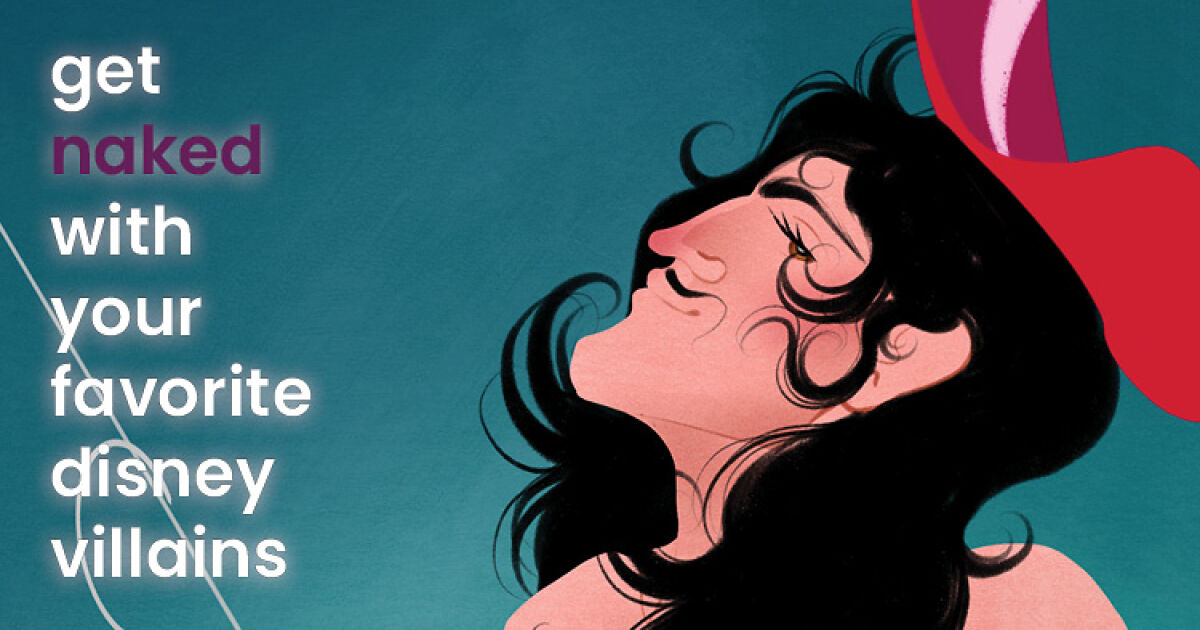
The project, associated with artist and curator Patrick McNaughton and the queer art platform Dandy Queer Art, plays with a wildly specific visual cocktail: male sports pin-ups, villain-coded fantasy, queer erotic illustration, pop-culture parody, and athletic body language. According to the original public post, 17 queer artists contributed to the series, giving the concept a collaborative heartbeat rather than a one-person costume party. The result is less “evil jocks take over prom” and more “camp, desire, nostalgia, and character design walk into a gym and spot each other immediately.”
At first glance, the idea sounds like a meme that learned anatomy. But look closer and the project sits at the intersection of several serious visual traditions: classic American pin-up illustration, sports photography, queer body art, villain fashion, and transformative fan culture. It is funny, yes. It is thirsty, absolutely. But it is also smarter than its raised eyebrow suggests.
Why Male Sports Pin-Ups Inspired By Disney Villains Work So Well
The concept works because both sports and villains are already theatrical. Athletes are trained for performance, posture, discipline, costume, and spectacle. Villains are designed for silhouette, attitude, color symbolism, and dramatic entrances. Put those two worlds together and you get a visual language that practically flexes by itself.
Think of the classic Disney villain shape vocabulary: Maleficent’s horns and sharp vertical lines, Ursula’s bold curves and stage-commanding presence, Jafar’s severe elegance, Gaston’s exaggerated masculinity, Cruella de Vil’s fashion-chaos confidence, Hades’ flame-haired sarcasm, Scar’s sleek menace, and Captain Hook’s fussy theatrical vanity. These characters are memorable because their designs communicate personality before they even speak. A great villain does not enter a room. A great villain occupies the weather system.
Sports pin-up art uses a similar shorthand. A baseball bat over the shoulder, a football jersey slipping just so, boxing wraps, racing stripes, varsity jackets, wrestling boots, swim caps, hockey pads, and track shorts all carry instant meaning. They signal discipline, confidence, sweat, rivalry, and body awareness. When villain-coded styling meets sports gear, the image gains two layers at once: the familiar athletic fantasy and the mischievous pleasure of recognition.
The Pin-Up Tradition Gets Flipped, Queered, and Recharged
Pin-up art has deep roots in American popular culture. The golden-age pin-up was often associated with calendar illustrations, magazine spreads, wartime morale imagery, advertising, and the mid-century “cheesecake” tradition. Artists such as Gil Elvgren, Alberto Vargas, George Petty, and Zoë Mozert helped shape a glossy visual language of playful glamour, idealized bodies, and teasing narrative moments.
But traditional pin-up art was usually created through a straight male gaze, often presenting women as charming, coy, startled, or decorative. This project flips that familiar formula. Instead of the classic pin-up girl caught in a breeze, we get male bodies posed with humor, confidence, and fantasy. Instead of pretending desire is accidental, the work makes desire part of the joke and the design. The viewer is not tricked into looking. The artwork winks and says, “Yes, you are looking. Let’s not act shocked.”
That queer reversal matters. Queer illustration has long used exaggeration, parody, coded references, and erotic humor to build community and challenge mainstream beauty rules. From underground zines and leather-bar flyers to contemporary digital art, queer artists have often turned fantasy bodies into a language of survival, self-recognition, and joy. A male sports pin-up inspired by a villain is not just a handsome drawing with shoulder definition. It is a playful argument about who gets to be glamorous, dangerous, desirable, ridiculous, and iconic.
Disney Villain Aesthetics: Camp, Couture, and Character Power
Disney villains have always been fashion people. Even when they are technically sea witches, sorcerers, lions, or emotionally unavailable royal advisors, they understand branding. They use bold color palettes, severe silhouettes, dramatic accessories, and unforgettable facial expressions. In other words, they are basically runway models with felony charges.
This is why villain-inspired art keeps returning across fashion, illustration, cosplay, drag, and fan communities. The Disney Villains x The Blonds runway collaboration, for example, showed how easily these characters can move into high-fashion territory. Cruella becomes graphic black-and-white glamour. Maleficent becomes sculptural darkness. Ursula becomes theatrical power. The Evil Queen becomes cold luxury. Dr. Facilier becomes sinister sparkle. The villain wardrobe is not subtle, and thank goodness. Subtlety is for sidekicks carrying baskets.
In a sports pin-up context, these villain elements become visual seasoning. A hockey player inspired by Maleficent might use angular pads, black-and-green accents, and a horn-like helmet shape. A swimmer echoing Ursula might lean into purple tones, aquatic movement, and a broad, commanding pose. A boxer inspired by Jafar might use long lines, red-and-black contrast, and cobra-like confidence. A football player inspired by Gaston could exaggerate chest-forward arrogance until it becomes comedy. The fun is not in copying the character exactly; it is in translating the villain’s attitude into a new body, sport, and pose.
Why Sports Make the Concept Even Funnier
Sports culture is packed with rituals that already feel theatrical: uniforms, chants, rivalries, mascots, locker-room mythology, victory poses, slow-motion entrances, and fans who paint their faces as if preparing for a medieval siege. Adding villain inspiration does not distort sports imagery as much as reveal how dramatic it already is.
Athletic imagery also gives the artists a rich physical vocabulary. Baseball allows for swagger. Wrestling allows for camp and confrontation. Swimming offers sleek shapes and water drama. Football adds bulk, armor, and aggression. Basketball brings verticality and grace. Boxing gives tension, stance, and bruised intimacy. Track and field offers speed, line, and hero-pose energy. Each sport becomes a stage where villain traits can be performed through the body.
That is where the “pin-up” part becomes especially effective. A pin-up is rarely just a portrait. It is a tiny scene. Something has just happened, is about to happen, or is being very obviously pretended not to happen. A villain-inspired sports pin-up might show a character lacing cleats with suspicious elegance, smirking after a win, stretching like a predator, or holding a prop with the calm confidence of someone who has definitely read the rulebook and found loopholes.
The Role of Queer Artists in the Project
The fact that 17 queer artists contributed to the project is not a footnote; it is central to the appeal. A group format means the project can avoid one narrow definition of masculinity. Different artists bring different line work, body types, humor, erotic tones, cultural references, and levels of camp. One artist may lean into vintage calendar softness. Another may push comic-book exaggeration. Another may create something closer to fashion editorial, tattoo flash, trading-card art, or digital portraiture.
That variety is important because queer male desire has often been flattened by mainstream media into a small set of polished bodies and predictable poses. A collaborative queer art project can make room for bears, twinks, jocks, daddies, soft boys, villains with bellies, heroes with eyeliner, athletes with scars, and characters whose sex appeal comes more from attitude than abdominal math. Not every pin-up has to look like it escaped from a protein powder ad.
In this sense, the project feels connected to a longer queer visual tradition, including the hypermasculine fantasy of Tom of Finland, the humor of gay cartoons, the intimacy of contemporary queer erotica, and the coded theatricality of drag. It does not simply ask, “What if villains were hot?” It asks, “What happens when queer artists control the fantasy, the pose, the joke, and the gaze?”
Fan Art, Parody, and Transformative Imagination
Projects inspired by famous characters live in a complicated creative space. Fan art, parody, and pop-culture remixing are part of modern visual culture, especially online. Artists borrow familiar signalscolors, silhouettes, gestures, archetypesand transform them into something new. The best work does not merely redraw an existing character; it changes the context enough to create a new conversation.
That is exactly what makes this concept interesting. A villain-inspired sports pin-up is not a movie still. It is not a product poster. It is a reinterpretation that filters recognizable villain energy through queer desire, athletic imagery, and pin-up composition. The joke depends on familiarity, but the artwork’s identity depends on transformation.
This is also why the title’s “inspired by” framing matters. Inspiration suggests translation rather than duplication. It gives artists room to ask: What is the color story? What is the body language? What sport matches this villain’s ego? What pose captures their power? What prop can replace the magic staff, poisoned apple, hook, or glowing contract? When artists answer those questions well, the result feels fresh even when the reference is instantly recognizable.
Specific Examples of How Villain Energy Can Become Athletic Pin-Up Design
Ursula as Aquatic Power
Ursula-inspired sports art naturally belongs near water. Swimming, diving, water polo, or synchronized swimming all create opportunities for flowing shapes, heavy confidence, and dramatic purple-black styling. The key is not simply adding tentacles. It is capturing Ursula’s stage presence: the grin, the dealmaker posture, the sense that she has already won and is waiting for everyone else to read the contract.
Gaston as Comic Jock Excess
Gaston may be one of the easiest bridges between villainy and sports because his entire personality is gym-bro theater with a tavern soundtrack. A Gaston-inspired pin-up can parody performative masculinity: flexing too hard, posing too proudly, treating a protein shake like a royal goblet, or turning a locker-room mirror into a chapel of self-worship. The humor lands because the reference is already built from exaggeration.
Maleficent as High-Drama Athletic Royalty
Maleficent lends herself to sports that emphasize elegance, height, and line: fencing, figure skating, volleyball, basketball, or even equestrian-inspired imagery. Her visual language is sharp, vertical, and regal. A male sports pin-up inspired by her might use elongated poses, severe shadows, angular costume details, and a stare that says the opposing team has been cursed until the fourth quarter.
Cruella de Vil as Fashion-First Competition
Cruella is pure styling. Black-and-white contrast, red accents, fur-like textures, dramatic hair, and cigarette-holder energy can translate into racing, tennis, cheer, motorsport, or fashion-forward boxing. The athletic element makes her obsession with presentation even funnier: imagine a competitor whose warm-up outfit has more narrative than most championship documentaries.
Why Audiences Respond to This Kind of Project
Audiences love this concept because it rewards recognition. You see the image, spot the villain clues, identify the sport, enjoy the pose, and then feel clever for connecting the dots. That layered pleasure is perfect for online sharing. It gives viewers something to laugh at, admire, debate, and send to friends with a message like, “This is extremely you, unfortunately.”
It also gives people permission to enjoy pop culture in a more adult, art-aware way. Many adults grew up with animated villains as childhood icons, only to later realize that the villains were often the most stylish, funniest, and most emotionally interesting characters in the room. Reimagining them through queer male pin-up art turns nostalgia into something new: part tribute, part joke, part critique, part celebration.
And yes, there is the simple appeal of attractive illustrated athletes with dramatic villain styling. Not every artistic response needs a dissertation. Sometimes the analysis is: cape, thighs, smirk, excellent.
Production Experience: What It Feels Like to Build a Project Like This
Producing an art project of male sports pin-ups inspired by Disney villains sounds glamorous from the outside, but behind the scenes it is a strange mix of art direction, spreadsheet wrangling, emotional diplomacy, and asking questions like, “Is this pose more football villain or cursed rugby prince?” The first challenge is building a concept strong enough that many artists can interpret it, but flexible enough that they do not feel trapped inside a costume assignment.
The best starting point is usually a clear creative brief. That brief should explain the tone: sexy but witty, villain-inspired but not copied, sporty but not limited to one body type, and queer without becoming predictable. Artists need enough guidance to understand the project’s world, but they also need permission to surprise the curator. If every image looks like it came from the same factory, the project loses the magic of collaboration.
Communication becomes the real superpower. Some artists work fast and send sketches early. Others disappear into the creative swamp and return three weeks later with something brilliant and slightly alarming. A good producer learns to balance deadlines with trust. You check in without hovering. You give notes without flattening their style. You remember that “Can we make the villain reference clearer?” is more helpful than “Make it more Disney-ish,” which is both vague and potentially risky.
Another experience is learning how much meaning sits in tiny design choices. A color palette can make or break the reference. Purple and black may suggest Ursula, green fire may suggest Maleficent, red and gold may hint at Jafar, and black-white contrast can scream Cruella before the viewer reads a caption. But too many obvious symbols can make the piece feel like cosplay rather than reinterpretation. The sweet spot is suggestion: enough clues to spark recognition, enough originality to stand alone.
Then there is the question of bodies. A project like this has an opportunity to expand what “pin-up” means. That means resisting the lazy default of one gym-sculpted body repeated 17 times with different hats. Sports bodies vary wildly. Swimmers, wrestlers, runners, lifters, dancers, football players, and boxers do not share one template. Queer desire does not share one template either. Including different sizes, ages, ethnicities, expressions, and kinds of masculinity makes the project richer, funnier, and more believable.
Promotion is its own adventure. Online audiences respond quickly to familiar references, but they also scroll fast. Strong preview crops, smart captions, artist tags, and a clear explanation of the concept help people understand why the work is more than a thirst trap with horns. Still, you have to let people have fun. If someone comments, “I need water,” congratulations: the image is doing its job.
The most rewarding part is watching the collection become bigger than the original idea. One artist may emphasize humor, another elegance, another erotic tension, another body positivity, another pure camp. Together, the 17 images create a chorus. They say that villains can be glamorous, sports can be sensual, pin-ups can be queer, and fan-inspired art can be both silly and thoughtful. Producing that kind of project is like coaching a team where everyone arrives in eyeliner and secretly wants the championship ring.
Conclusion
I Am Producing An Art Project Of Male Sports Pin-Ups Inspired By Disney Villains (17 Pics) is the kind of title that sounds like internet chaos, but the idea underneath is surprisingly elegant. It brings together classic pin-up composition, athletic performance, villain aesthetics, queer authorship, and pop-culture remixing into one visually addictive package. The project succeeds because it understands that villains are not just bad guys; they are design events. It also understands that sports imagery is already full of drama, ritual, costume, and desire.
Most importantly, the project lets queer artists take control of fantasy. Instead of treating male beauty as either serious, commercial, or hidden, it makes it playful and theatrical. It invites viewers to laugh, admire, decode, and maybe blush a little. That combination is powerful because it turns nostalgia into something alive. The villains may be familiar, but the gaze is new. The sports may be recognizable, but the poses are winking at history. The pin-up tradition may be old, but here it has been flipped, stretched, and handed a very dramatic cape.