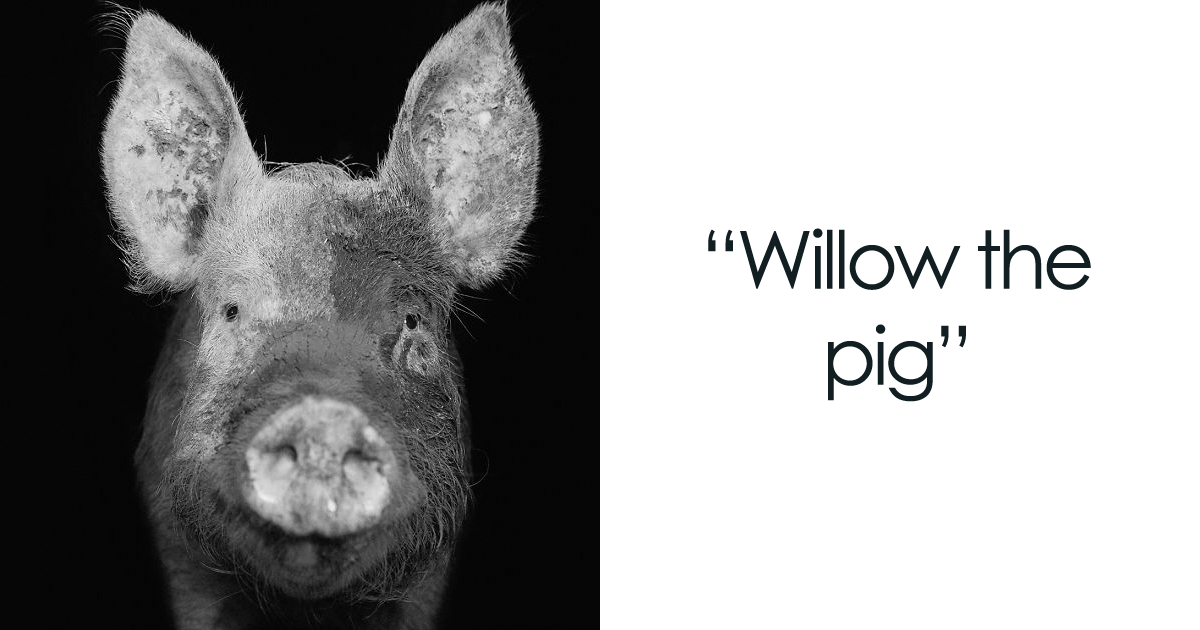
Some people become vegan after watching a documentary. Some do it after reading a book, talking to a doctor, or losing a dramatic argument with a very confident tofu enthusiast. I became vegan after photographing farm animalsand honestly, I did not see that plot twist coming.
At first, the project sounded simple: take portraits of rescued farm animals, capture their personalities, and maybe leave with a memory card full of adorable faces. Fourteen pictures later, I had more than a photo series. I had a moral crisis wearing muddy boots.
The animals were not props. They were not background scenery. They were curious, stubborn, funny, nervous, affectionate, suspicious, and occasionally rude in a way that felt deeply personal. A calf leaned toward the camera like a shy teenager at school picture day. A goat looked at me as if he had read my entire browser history. A pig posed with the relaxed confidence of someone who had never once worried about rent. Each portrait made the same quiet argument: these animals are individuals.
How a Farm Animal Photoshoot Changed Everything
Before the photoshoot, I understood farm animals mostly as categories: cows, pigs, chickens, goats, sheep. That is how food culture teaches many of us to think. A cow becomes beef. A pig becomes bacon. A chicken becomes a nugget, a wing, or a punchline in a fast-food commercial. The language is tidy, efficient, and emotionally convenient.
But a camera ruins convenience. A portrait demands attention. When you look through a lens, you wait for expression, timing, posture, and personality. You stop seeing “livestock” and start seeing someone blinking back.
That was the uncomfortable magic of the day. The animals were not trying to convince me of anything. They were simply existing. A sheep watched the whole process like a tiny wool-covered supervisor. A rooster interrupted every peaceful moment with the confidence of a morning alarm that had union protection. A pig explored the set as if she owned it, which, in that moment, she absolutely did.
By the end, the portraits felt less like animal photography and more like introductions. Not “Here is a pig.” More like, “Meet this person with hooves, opinions, and an impressive commitment to snacks.”
The Power of Seeing Farm Animals as Individuals
Animal photography can be more persuasive than a lecture because it gives viewers time to notice. A good portrait slows the world down. It says, “Look again.” That matters because most people rarely meet farm animals in a setting where the animals are safe, relaxed, and allowed to be themselves.
On industrial farms, animals are often viewed through the lens of production: weight gained, eggs laid, milk produced, feed consumed. In a sanctuary or rescue setting, the frame changes. A cow is not a unit of output. A cow is a gentle giant who may enjoy scratches, routines, friendships, and the occasional dramatic stare into the middle distance. A chicken is not a machine with feathers. A chicken can be alert, social, clever, and surprisingly committed to personal boundaries.
That shift in perspective is why farm animal portraits can hit so hard. The photos do not need to shock people. They do not need graphic imagery. They simply show animals with dignity, humor, and presence. Sometimes compassion starts not with horror, but with recognition.
What I Learned About Farm Animal Welfare
After the photoshoot, I started researching what life looks like for most farm animals in the United States. The gap between the animals I photographed and the industrial food system felt enormous.
Major animal welfare organizations report that billions of chickens, turkeys, pigs, and cows are slaughtered for food in the U.S. every year. Many are raised in large-scale systems designed for efficiency, not emotional or behavioral well-being. These systems can involve crowded housing, restricted movement, rapid growth, and practices that make it difficult for animals to express natural behaviors.
That last phrasenatural behaviorssounds academic until you see what it means in real life. Pigs like to root, explore, build social bonds, and wallow. Chickens like to dustbathe, forage, perch, and interact with other birds. Cows form relationships and can be highly responsive to routine and touch. Goats climb, investigate, nibble things they should not nibble, and generally behave like comedians hired by nature.
When animals are denied the ability to move freely, socialize normally, or live in environments suited to their species, the issue is not just discomfort. It is a life stripped of choice.
Why “Humane” Can Be Complicated
One of the trickiest parts of changing how we eat is sorting through labels. Words like “natural,” “humanely raised,” “farm fresh,” and “cage-free” can sound comforting, but they do not always mean what shoppers imagine. Some labels are regulated more clearly than others. Some address only one part of an animal’s life. Others may still allow practices that many consumers would find upsetting if they saw them firsthand.
That does not mean every farmer is cruel or that every farm is the same. Many farmers care deeply about their animals and work under intense economic pressure. But the larger system often rewards speed, scale, and low prices. The result is a food culture where animal suffering can be hidden behind cheerful packaging and cartoon mascots.
Photography made that hiding harder for me. Once I had looked into the eyes of animals who wanted to live, explore, play, and avoid harm, the old mental shortcuts stopped working.
Why I Chose Veganism Instead of “Just Eating Less Meat”
At first, I tried bargaining with myself. Maybe I would only buy “better” meat. Maybe I would stop eating pork but keep eggs. Maybe I would become one of those mysterious people who says, “I’m mostly plant-based except on holidays, road trips, and emotionally confusing Tuesdays.”
Reducing animal products can be a meaningful step, and for many people it is a realistic starting point. But for me, the photoshoot made the issue feel personal. I did not want to keep negotiating with my own conscience at breakfast.
Veganism gave me a clear line: I would stop using animals for food as much as possible and practical. That did not mean becoming perfect. It meant becoming honest. It meant aligning my daily choices with what the camera had forced me to see.
Is a Vegan Diet Healthy?
A vegan diet can be healthy when it is well planned. That is the important part. Vegan does not automatically mean nutritious, just as “contains kale” does not automatically mean your dinner has achieved enlightenment.
A balanced vegan diet usually focuses on vegetables, fruits, beans, lentils, tofu, tempeh, whole grains, nuts, seeds, and healthy fats. These foods can provide fiber, antioxidants, complex carbohydrates, and many essential nutrients. Research on plant-forward eating patterns has linked healthy plant-based diets with benefits for heart health and metabolic health.
However, vegans need to pay attention to certain nutrients. Vitamin B12 is the big one because reliable natural sources are mainly animal-derived. Fortified foods or supplements are commonly recommended. Other nutrients to watch include vitamin D, calcium, iodine, iron, zinc, omega-3 fats, and protein. None of this is a deal-breaker. It simply means veganism works best when it includes planning, not just removing cheese and hoping the universe fills the gap.
My Beginner Vegan Grocery List
My first grocery trip after deciding to go vegan was a little chaotic. I bought chickpeas like I was preparing for a legume emergency. I stared at nutritional yeast with suspicion. I discovered that oat milk has more personality types than some families.
Eventually, I built a simple foundation: oatmeal, berries, peanut butter, rice, potatoes, lentils, black beans, tofu, frozen vegetables, pasta, marinara, hummus, tortillas, nuts, seeds, greens, and fortified plant milk. Nothing fancy. Nothing that required a culinary degree or a kitchen torch. Just food that made meals easier.
The key was replacing familiar meals instead of reinventing my entire identity overnight. Chili became bean chili. Tacos became black bean tacos. Breakfast sandwiches used tofu scramble. Stir-fries used tempeh or tofu. Pasta stayed pasta, which was kind of it.
The Environmental Side of Going Vegan
My decision started with animals, but the environmental research strengthened it. Large-scale animal agriculture can contribute to greenhouse gas emissions, land use, water pollution, manure management issues, and pressure on natural resources. Concentrated animal feeding operations can produce large amounts of waste, and environmental agencies have long recognized the risks that manure and wastewater can pose to water quality when not properly managed.
Plant-based diets are not automatically perfect for the planet. A diet built entirely around heavily packaged snacks and out-of-season luxury foods is not exactly Mother Nature’s love language. But in general, shifting toward more whole plant foods can reduce the environmental footprint of what we eat, especially when it replaces high-impact animal products.
That realization made veganism feel less like a personal diet and more like a daily vote. Not a loud vote. Not a smug vote. Just a quiet vote cast with a grocery basket.
What the 14 Pics Really Showed Me
The fourteen photos were not just cute farm animal pictures. They were tiny biographies.
One calf seemed gentle and curious, the kind of soul who could make a grown adult whisper “hello, baby” in a voice they would deny using in court. One goat had chaotic energy, like he had founded a small criminal enterprise behind the barn. A sheep studied the scene with such seriousness that I briefly considered asking her to review my tax documents. A pig looked peaceful, muddy, and deeply uninterested in human expectations of cleanliness.
That is what changed me. Not perfection. Not purity. Personality.
It is easy to eat animals when they are invisible. It is harder when you have met them. Harder still when you have photographed them carefully enough to remember the texture of their hair, the rhythm of their breathing, and the way they reacted when someone called their name.
Why Farm Animal Photography Matters
Photography has always shaped public awareness. Images can reveal injustice, preserve beauty, document culture, and challenge assumptions. Farm animal photography does something especially powerful because it works against years of emotional distance.
Most people love animals. Many people also eat animals. That tension is often called the “meat paradox,” and it is one reason people avoid thinking too much about where food comes from. Portraits can gently disrupt that avoidance. They make the subject visible without shouting.
A farm animal portrait says: this being had a face before becoming a product. This being had preferences. This being noticed the world. This being was not born as dinner.
That message may not make everyone vegan. It may not need to. It can still encourage more thoughtful choices: eating fewer animal products, supporting sanctuaries, asking better questions about food labels, reducing waste, or choosing plant-based meals more often. Change does not always arrive wearing a cape. Sometimes it arrives as a muddy pig in flattering light.
How to Start Eating More Vegan Meals Without Panicking
If the idea of going vegan feels overwhelming, start smaller. Pick one meal you already like and make it plant-based. Try lentil Bolognese, bean burritos, vegetable curry, tofu fried rice, chickpea salad sandwiches, or peanut noodles. Do not begin with a recipe that requires twelve specialty ingredients and a spiritual connection to cashew cream.
Next, learn your protein basics. Beans, lentils, tofu, tempeh, seitan, edamame, soy milk, nuts, seeds, and whole grains can all help. Keep easy snacks around so hunger does not turn you into a philosopher of cheese at 11 p.m.
Then handle the nutrition details. Add a reliable B12 source. Consider vitamin D depending on your sun exposure and medical guidance. Include calcium-rich foods such as fortified plant milks, calcium-set tofu, leafy greens, or fortified juices. Use ground flaxseed, chia seeds, walnuts, or algae-based DHA/EPA supplements for omega-3 support if appropriate.
Most importantly, do not make perfection the entry fee. Veganism is a practice. You learn, adjust, read labels, mess up, laugh, try again, and slowly build a life that feels more consistent with your values.
What I Wish I Knew Before Going Vegan
I wish I had known that vegan food is not a punishment. It is not a beige plate of sadness decorated with one brave parsley leaf. It can be spicy, rich, comforting, crunchy, sweet, messy, and deeply satisfying.
I also wish I had known that social situations would be the hardest part, not the food. People may ask questions. Some will be curious. Some will be defensive. Some will suddenly become nutrition experts while holding a plate of nachos. A calm answer helps. So does bringing food you actually enjoy.
The best response is not a speech. It is consistency. It is showing that vegan meals can be normal, joyful, and delicious. It is sharing cookies that happen to contain no dairy or eggs and watching everyone mysteriously stop debating.
500 More Words: The Experience Behind the Camera
The most memorable part of photographing farm animals was how unpredictable the session became. With human portraits, people usually understand the assignment. They may be nervous, overly posed, or convinced their “good side” is an ancient family secret, but at least they know a photoshoot is happening. Farm animals do not care about your shot list. They care about hay, comfort, friends, suspicious noises, and whether your camera strap looks edible.
That unpredictability made the work better. A goat stepping into the frame at the wrong moment became the right moment. A rooster interrupting the calm gave the scene character. A pig refusing to stay clean told a truer story than any polished pose could have. The photographs became collaborations with animals who had no interest in pretending to be anything other than themselves.
I remember kneeling in the dirt, trying to get eye level with one of the animals, and realizing how strange it was that I had spent most of my life looking down at farm animals literally and culturally. From above, they are small. From eye level, they are present. That physical shift changed the emotional one. Suddenly, I was not observing a farm animal. I was meeting someone.
There were funny moments, too. Many of them. One animal tried to investigate the lens with the seriousness of a detective. Another wandered away at the exact second I had the perfect composition, because apparently artistic timing is a human problem. A sheep stared at me so intensely that I felt underqualified to operate my own equipment. The whole session had the energy of a family portrait day where every family member is a toddler, a comedian, or a retired judge.
But the humor made the emotional weight stronger, not weaker. It showed that these animals had moods. They had preferences. They had relationships with each other and with the people caring for them. They were not abstract symbols of suffering. They were lively, complicated beings with inner worlds we only glimpse in small ways.
When I reviewed the photos later, I expected to choose the sharpest images. Instead, I kept returning to the ones with personality: the curious glance, the tilted head, the stubborn pause, the soft expression. Technically imperfect images sometimes felt more honest. They reminded me that the point was not to make farm animals look cute for human entertainment. The point was to let their individuality come through.
That experience stayed with me in ordinary places: the grocery store, a restaurant menu, a breakfast table. Foods I once saw as normal started carrying faces. Not in a dramatic, haunted way, but in a clear way. I had learned too much to return to not knowing. The photos gave memory a place to live.
Becoming vegan did not make me a different species of human. I still crave convenience. I still appreciate a good sandwich. I still make questionable snack decisions after a long day. But the experience gave me a reason stronger than habit. Whenever veganism feels inconvenient, I remember those fourteen portraits. I remember the calf, the pig, the sheep, the chicken, the goat. I remember that they were not asking me for perfection. They were simply showing me who they were.
And once I saw them clearly, I could not unsee them.
Conclusion
“I Became Vegan After Photographing Farm Animals (14 Pics)” is more than a catchy title. It is a reminder that compassion often begins with attention. A camera can turn distance into recognition. A portrait can turn an animal from an idea into an individual. And once that happens, the food choices we once made automatically may begin to feel worth rethinking.
Going vegan after photographing farm animals was not about chasing purity or joining a trend. It was about responding honestly to what I saw: animals with personalities, emotions, preferences, and a desire to live. The change started with fourteen pictures, but it grew into a deeper understanding of food, ethics, health, and the environment. Sometimes one honest look is enough to change the menu.
Note: This is an original, web-ready article inspired by the topic and grounded in reputable information on farm animal welfare, vegan nutrition, environmental impact, and animal photography. It does not copy the original photo essay.