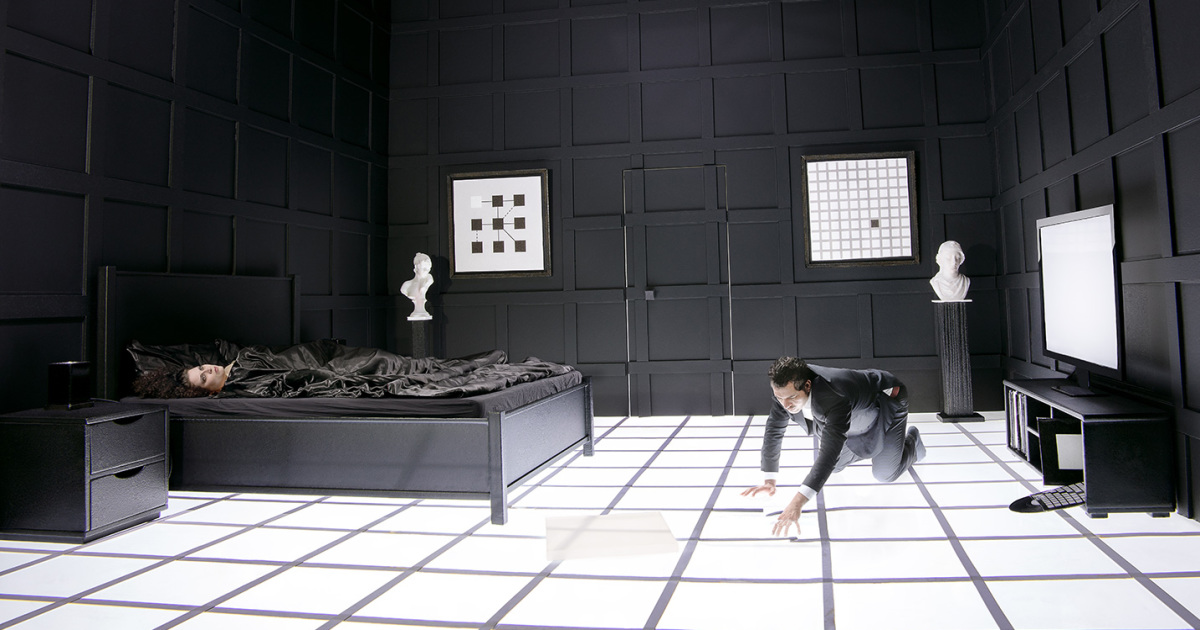
Some artists need a mountain, a city block, a foggy alley, or an abandoned apartment to tell a story. Others need foam board, glue, LEDs, a camera, and a suspiciously large amount of patience. Hyperrealistic miniature scenery sits in that magical middle ground where craft, photography, cinema, and storytelling shake hands and agree to confuse your eyes in the best possible way.
The title “I Create Hyperrealistic Sceneries Using Miniature Sets” captures a growing fascination in contemporary photography: building small worlds that feel enormous. Instead of waiting for the perfect location, the artist creates one. Instead of renting a full-scale room, they design a room that fits on a table. Then, through careful lighting, perspective, scale, texture, and post-production, the miniature set becomes a believable universe.
This approach is strongly associated with staged photography, diorama art, practical effects, toy photography, scale model design, and cinematic visual storytelling. It is not simply “taking pictures of tiny rooms.” That would be like calling a cathedral “a tall pile of bricks.” Hyperrealistic miniature photography is about control: every chair, stain, window reflection, dust particle, wallpaper pattern, shadow, and color tone is selected to support the story.
What Makes a Miniature Set Look Hyperrealistic?
A miniature set becomes convincing when the viewer forgets the scale. The brain stops asking, “How small is this?” and starts asking, “What happened here?” That shift is the secret sauce. It happens when several elements work together so smoothly that the trick disappears.
1. Scale Must Be Consistent
Scale is the first rule of miniature realism. A sofa, a lamp, a window frame, and a coffee cup must look as if they belong to the same world. If a tiny person could walk into the room and not immediately complain to management, the scale is probably working.
Artists often work with common model scales, but hyperrealistic scenery does not always depend on strict mathematical accuracy. Sometimes emotional realism matters more than technical perfection. A slightly exaggerated doorway or oversized light fixture can create unease, humor, or dreamlike tension. The key is intention. A mistake looks accidental; a deliberate distortion becomes style.
2. Texture Sells the Illusion
Perfect surfaces usually look fake. Real life has scratches, fingerprints, chipped paint, dust, dents, and the general emotional baggage of existing. Miniature artists use texture to make small sets feel lived-in. Foam can become concrete. Painted plastic can become aged metal. Cardboard can pass for worn wood. A little weathering powder can turn a clean wall into a place with history.
Hyperrealistic miniature sceneries often succeed because they avoid the shiny “toy” look. Even a futuristic interior needs grime, fingerprints, soft reflections, or material variation. Viewers trust imperfection. A spotless miniature can look like a product sample; a slightly messy miniature can look like someone just left the room.
3. Lighting Must Behave Like Real Light
Lighting is where many miniature sets either become cinematic or collapse into “cute hobby project” territory. Real rooms have motivated light sources: windows, lamps, screens, neon signs, hallway glow, streetlights, candles, or reflected daylight. When miniature lighting follows the same logic, the set feels grounded.
Artists often use tiny LEDs, diffused flash, continuous lights, bounced light, or practical lamps built directly into the set. The angle matters. Light coming from the wrong direction can expose the illusion instantly. Good miniature photography treats a tiny room like a full-size film set: key light, fill light, backlight, reflections, shadows, and atmosphere all have jobs to do.
The “CUBES” Concept: Going Smaller to Think Bigger
One of the most compelling examples of hyperrealistic miniature scenery is Seb Agnew’s CUBES series. The project began from a desire for greater control over staged photographic environments. Instead of constantly redesigning life-size interiors, Agnew moved toward miniature sets. In other words, to get bigger creatively, he went smaller physically. That is either artistic genius or the world’s most elegant excuse to buy more craft supplies. Possibly both.
The original CUBES series centered on nine individual rooms. Each room was handcrafted as a miniature set using various materials and techniques, including modern tools such as laser cutting and 3D printing. Human models were photographed separately and then blended into the miniature environments with careful attention to perspective, light, and color. The result is not merely a diorama; it is a staged image that feels life-size, cinematic, and emotionally charged.
What makes CUBES especially interesting is the concept behind the visuals. The rooms represent private human universes: small interiors where loneliness, routine, memory, disconnection, and reflection quietly live. The viewer is invited to wonder what happens behind apartment windows after the curtains close. Who lives there? What do they feel? Why does a lit room seen from across the street sometimes feel more mysterious than a locked treasure chest?
In the first CUBES project, the rooms are visually and metaphorically connected by water running through the walls. That detail turns separate scenes into one emotional system. Each room is isolated, yet connected. Each person seems alone, yet part of something larger. It is a simple idea with a sharp modern edge: we live in our own boxes, but the walls are not as separate as they appear.
Why Miniature Sets Work So Well for Storytelling
Miniature scenery has a strange emotional power. A small room can feel more intimate than a real one because it is clearly constructed with care. Every prop becomes meaningful. A chair is not just a chair; it is a character witness. A cracked wall is not just damage; it is a plot twist wearing plaster.
Staged miniature photography also encourages slow viewing. In a world of fast scrolling, miniature images reward attention. Viewers search for clues: a tilted picture frame, a glowing television, a wet floor, a strange object on a table, a person looking away from the camera. The more carefully the set is built, the longer the image holds the eye.
Miniatures Create Total Creative Control
Full-size locations are expensive, unpredictable, and often rude. The sun moves. Weather changes. Rooms are too small. Property owners dislike smoke machines. Neighbors ask questions. Miniature sets solve many of these problems. The artist can design the architecture, choose the wallpaper, build impossible windows, flood a room safely, or create a futuristic apartment without hiring a construction crew.
This control is especially valuable for conceptual photography. If the theme is isolation, the walls can squeeze inward. If the theme is memory, the room can feel faded and theatrical. If the theme is technology, the set can glow with artificial color. A miniature set allows symbolism to become physical.
Miniatures Blend Craft With Photography
Hyperrealistic miniature scenery is not one skill; it is a bundle of skills wearing a tiny tool belt. The artist becomes a set designer, carpenter, painter, lighting technician, photographer, retoucher, director, and occasionally emergency glue surgeon. A single image may involve sketching, 3D planning, cutting, sanding, painting, wiring lights, arranging props, testing camera angles, photographing models, compositing, and color grading.
That process explains why miniature-based images often feel so rich. The final photograph contains weeks or months of decisions. Viewers may only see one frame, but hidden inside that frame is an entire production.
The Influence of Film, Practical Effects, and Stop-Motion
Miniature sets have deep roots in cinema. Long before digital visual effects became the default tool for impossible worlds, filmmakers used scale models to create spaceships, cities, disasters, landscapes, and fantasy environments. Practical effects taught artists that physical texture, real light, and camera perspective can create illusions that still feel convincing today.
Classic miniature effects relied on precise scale, controlled camera movement, clever lighting, and often motion-control systems. The same principles influence modern miniature photographers. Even when the final image includes digital compositing, the physical set provides something difficult to fake: real material responding to real light.
Stop-motion animation also plays a major role in the appeal of miniature set design. Stop-motion worlds are tactile. You can sense the handmade quality of the objects, even when the story is fantastical. That physical presence gives miniature photography warmth and credibility. A miniature room may be fictional, but the dust on the floor is real dust. The tiny lamp really glows. The little wall really casts a shadow. The illusion begins with something tangible.
How Artists Blend Real Models With Miniature Worlds
One of the most challenging parts of hyperrealistic miniature photography is inserting real people into miniature sets. If the perspective is wrong, the model looks pasted in. If the lighting does not match, the illusion cracks. If the color temperature differs, the person seems to belong to another universe, and not in a cool science-fiction way.
The process usually requires photographing the miniature set and the human subject separately while maintaining strict consistency. The camera angle, lens choice, light direction, shadow softness, and color palette must align. The artist may use markers, diagrams, test shots, or 3D mockups to plan the relationship between the set and the model.
Post-production then becomes the quiet bridge between worlds. The goal is not to overwhelm the image with digital tricks. The best compositing disappears. Shadows are softened, edges are refined, reflections are adjusted, and color is unified until the human figure feels naturally present inside the tiny room.
The Psychology Behind Tiny Rooms and Big Feelings
Miniature interiors are perfect for exploring the human psyche because rooms are emotional containers. Bedrooms, kitchens, offices, classrooms, waiting rooms, and hallways all carry psychological weight. We project stories onto them. A messy room suggests tension. A neat room can suggest control or emptiness. A glowing window can feel hopeful, creepy, or lonely depending on the scene.
Hyperrealistic miniature sceneries often use this emotional shorthand. A single figure in a room can represent isolation. A crack in the wall can represent social instability. Water running through several spaces can symbolize hidden connection. Repeating room shapes can suggest routine, confinement, or the architecture of modern life.
This is why miniature set photography can feel both personal and universal. The image may show one fictional room, but the feeling belongs to many people. Everyone has experienced the private theater of being alone with their thoughts. Everyone has looked through a window and wondered about the life on the other side. Miniature sets make that ordinary mystery visible.
Materials Used in Hyperrealistic Miniature Scenery
The material list for miniature set building can look delightfully chaotic. Artists may use foam board, balsa wood, chipboard, acrylic sheets, plaster, resin, clay, wire, paper, fabric, plastic, model kits, 3D-printed parts, laser-cut panels, paint, pigments, miniature LEDs, and found objects. A bottle cap might become a ceiling fixture. Sandpaper might become carpet. A coffee stirrer might become trim. The junk drawer is basically a hardware store with commitment issues.
Modern tools have expanded what miniature artists can achieve. Laser cutting allows clean architectural details, especially windows, railings, wall panels, and furniture components. 3D printing helps produce custom props, repeated elements, and precise objects that would be difficult to sculpt by hand. However, handmade finishing remains essential. A 3D-printed object usually needs sanding, priming, painting, and weathering before it feels real.
Practical Tips for Creating Hyperrealistic Miniature Sets
Start With a Story, Not a Sofa
The strongest miniature sets begin with a narrative question. What happened here? Who lives here? What emotion should the viewer feel first? A sofa, lamp, and rug are just objects until they support a story. Before building, define the mood: lonely, mysterious, nostalgic, futuristic, anxious, peaceful, surreal, or funny.
Build for the Camera
A miniature set does not need to be perfect from every angle. Many professional dioramas are designed for one viewpoint. The front may look breathtaking while the back looks like a craft store had a small accident. That is fine. The camera sees the intended world, not the messy truth behind the curtain.
Use Realistic Wear and Tear
Add subtle imperfections. Stain the corners. Scuff the floor. Vary the paint. Add fingerprints, dust, peeling labels, tiny cables, uneven fabric, and small signs of use. Realism lives in the details that most people do not consciously notice.
Control Depth of Field
Macro and close-up photography can produce shallow depth of field, which may reveal the small scale. Depending on the desired look, artists may use smaller apertures, focus stacking, or careful lens choice to keep the scene believable. The goal is to make the miniature feel photographed like a real environment, not like a tiny object on a table.
Color Grade With Intention
Color unifies the image. A cinematic grade can make separate elements feel like one world. Warm tungsten light suggests intimacy or memory. Cold blue light can imply distance, technology, or unease. Greenish fluorescent tones may create institutional discomfort. In miniature photography, color is not decoration; it is emotional architecture.
Why Viewers Love Hyperrealistic Miniature Worlds
People love miniature worlds because they offer control and wonder at the same time. They are small enough to understand, but detailed enough to explore. They remind us of childhood play, museum dioramas, model trains, dollhouses, film sets, and secret imaginary places. Yet when handled with mature themes, miniatures can become deeply sophisticated visual art.
There is also pleasure in discovering the trick. Viewers enjoy realizing that a room is not life-size. The reveal does not ruin the artwork; it often increases admiration. Knowing that a scene was built by hand makes it more impressive. The image becomes both a story and evidence of craft.
Experiences From Creating Hyperrealistic Sceneries Using Miniature Sets
Creating hyperrealistic miniature scenery is a humbling experience because the smallest problems become enormous. A wall that is one millimeter crooked can look like an architectural scandal. A tiny chair leg can snap at the exact moment you finally have the lighting right. Glue strings appear where no glue strings have any moral right to exist. Dust becomes a villain. Tweezers become an extension of the soul.
One of the first lessons is that planning saves the project, but accidents often improve it. A paint wash may dry unevenly and suddenly create the perfect aged wall. A scratched floor might look more convincing than the clean version. A misplaced shadow can reveal a better mood. The best miniature work requires both discipline and curiosity. You plan carefully, then stay alert when the materials whisper, “Actually, what if we tried this?”
Another memorable part of the process is learning to think like a camera. In everyday life, we build rooms for people to move through. In miniature photography, we build rooms for one eye. The camera does not care whether the ceiling is complete if it never sees the ceiling. It does not care if the back wall is held up by tape, books, and a quiet prayer. It cares about the frame. This changes how you design. You begin placing details only where they serve the composition, almost like painting in three dimensions.
Lighting is usually the moment when the set comes alive. Before lighting, a miniature room may look like a clever craft object. After lighting, it becomes a place. A tiny lamp creates a pool of warmth. A narrow beam through a window suggests time of day. A blue glow from a miniature television can make the room feel inhabited, even with no person inside it. The emotional difference is dramatic. Light is not just visibility; it is atmosphere.
The most satisfying experience is the first believable test shot. After hours of cutting, painting, sanding, wiring, and rearranging objects with tweezers, the camera finally shows a world that feels real. That moment is addictive. It feels like opening a door into a room that did not exist yesterday. You know the wall is foam, the window is plastic, and the floor is painted board, but the photograph insists otherwise. For a second, even the maker believes the illusion.
There is also a strange intimacy in building tiny environments. You begin to care about fictional inhabitants. What books would they leave on the table? Would they clean the windows? Would they own too many plants? Would they hide something under the bed? These questions shape the props and details. The set becomes a psychological portrait before any human figure appears.
Hyperrealistic miniature scenery rewards patience more than speed. It teaches that realism is not one grand gesture but hundreds of small decisions. It also proves that art does not need a massive studio or blockbuster budget to feel cinematic. Sometimes a whole universe can fit on a desk, provided there is enough imagination, enough light, and enough coffee to keep the tiny civilization running.
Conclusion
I Create Hyperrealistic Sceneries Using Miniature Sets is more than a description of a technique; it is a philosophy of making. It shows how small-scale craftsmanship can produce large-scale emotion. Through miniature sets, staged photography, controlled lighting, and cinematic composition, artists can build entire psychological worlds from simple materials.
The appeal lies in the tension between truth and illusion. We know the scenery is handmade, yet we believe in it. We know the room is small, yet it feels full of life. We know the image is constructed, yet the emotions are real. That is the beauty of hyperrealistic miniature photography: it reminds us that a tiny set can hold a huge story.
Note: This article was written as original, publication-ready SEO content based on real public information about miniature set photography, staged photography, practical effects, Seb Agnew’s CUBES series, and related model-making practices.