In a year that felt like it had accidentally sat on the remote control and switched the world to “expert mode,” a tiny hero with a wooden sword became exactly the kind of internet comfort people needed. “I Created This Little Adorable Adventurer To Spread Some Positivity In 2020 (13 Pics)” is more than a cute comic showcase. It is a reminder that small things can carry surprisingly large amounts of hope, especially when the news cycle is doing cartwheels in a dumpster fire.
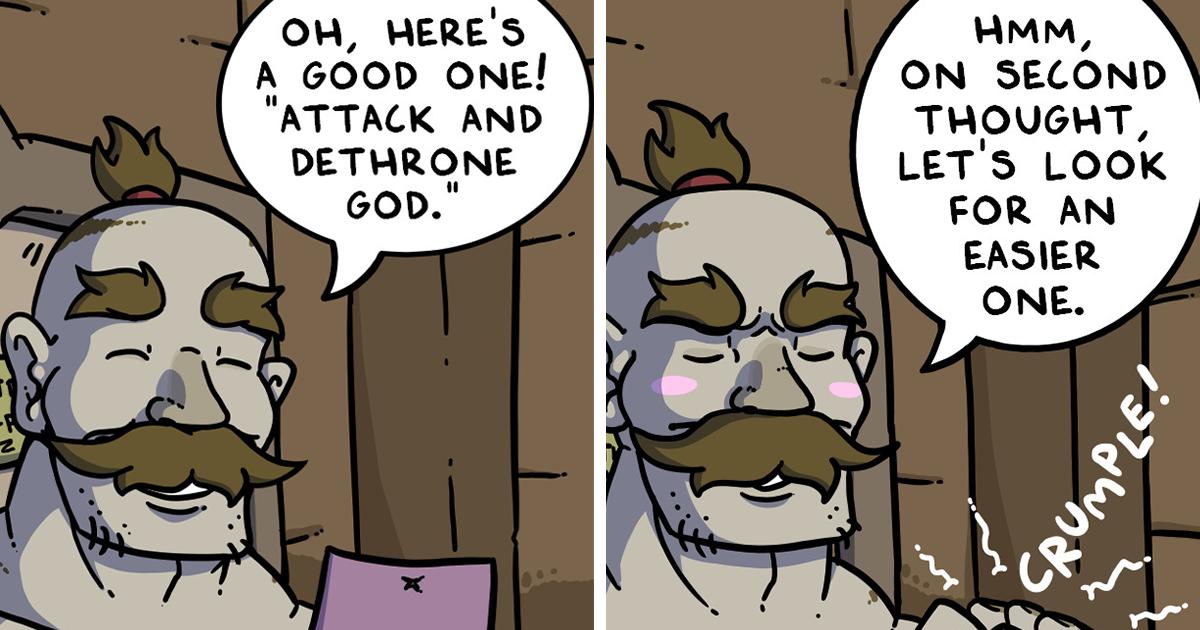
The adorable adventurer at the heart of this story is Quest Sprout, a small, wide-eyed character from Matthew J. Wills’ fantasy webcomic universe, Swords. In this world, magical blades are everywhere, heroes wander into trouble, and even a baby adventurer with a simple wooden sword can make readers stop scrolling, smile, and possibly whisper, “I would protect this bean with my life.”
That is the quiet power of wholesome webcomics. They do not need exploding castles, thousand-page lore bibles, or villains named Lord Doomwhisper the Third. Sometimes all it takes is a brave little character, a quest board, a supportive tavern, a silly pun, and the emotional force of a puppy wearing a raincoat.
Who Is This Little Adorable Adventurer?
Quest Sprout is not the loudest hero in fantasy comics, and that is exactly the charm. The character is tiny, sincere, and wonderfully determined. Armed with a wooden sword and a heart full of adventure, Quest Sprout moves through a big fantasy world with the confidence of someone who has no idea how small they are. That combination makes the character funny, vulnerable, and instantly lovable.
The original 13-picture collection introduced readers to a series of Quest Sprout moments: resting when needed, seeking help from friends, making new companions, dreaming big, and continuing the “qwest” even when the world looks too large. The humor is gentle, but it lands beautifully because the stakes feel emotionally familiar. We have all been Quest Sprout at some point: under-equipped, over-hopeful, and carrying a wooden sword into a Monday.
Why Quest Sprout Worked So Well in 2020
To understand why this little adventurer mattered, we have to remember the atmosphere of 2020. People were isolated, worried, and overwhelmed. Daily routines collapsed. Social plans evaporated. Many people turned to art, comics, games, streaming, baking, gardening, and other creative distractions because they needed small rituals of control and joy.
In that setting, Quest Sprout felt like a tiny torch in a very long tunnel. The character did not pretend that everything was easy. Instead, Quest Sprout offered something more useful: the idea that being small does not mean being powerless. Being scared does not mean the quest is over. And resting is not failure, even if your heroic equipment includes one wooden sword and approximately zero business insurance.
A Hero Built on Softness, Not Swagger
Many fantasy heroes are built around strength, destiny, and impressive jawlines. Quest Sprout is built around softness. The character’s appeal comes from curiosity, vulnerability, and optimism. That is a refreshing twist in a genre often crowded with brooding warriors who look like they moisturize with thunderclouds.
This softness makes the comic feel safe. Readers do not have to brace for cruelty or cynicism. The jokes come from innocence, misunderstandings, fantasy tropes, and the contrast between Quest Sprout’s tiny size and giant ambition. In a loud online world, that kind of kindness can feel almost rebellious.
The Magic of Wholesome Webcomics
Wholesome webcomics succeed because they are easy to enter and hard to forget. A reader can understand a character like Quest Sprout in seconds. The design is simple, the emotional tone is clear, and the story invites people into a cozy little corner of the internet. That matters because online audiences often discover comics in passing: during lunch breaks, before bed, or while pretending they are “just checking one thing” on their phone for 47 minutes.
A strong webcomic character must work quickly. Quest Sprout does. The character’s small body, oversized courage, and innocent language create an immediate emotional hook. Readers do not need a lecture on the history of the realm. They understand the assignment: tiny friend goes on big quest; we cheer.
Why Cute Characters Hit the Heart So Fast
Cuteness is not just decoration. It is a design language. Round shapes, small proportions, expressive faces, and gentle body language tell the brain, “This is safe. This is friendly. This may require snacks.” Quest Sprout uses those signals beautifully. The character looks delicate enough to need protection but determined enough to deserve respect.
That balance is crucial. A character who is only cute can feel like a mascot. A character who is only brave can feel generic. Quest Sprout is both. The result is a hero who feels like a child’s drawing came to life and decided to improve morale across the kingdom.
Inside the 13 Pics: What Makes Them Memorable?
The original collection works because each image feels like a tiny emotional postcard. The captions and scenes build a pattern: adventure, friendship, limitation, encouragement, and comic surprise. Instead of one grand plot, readers get small moments that accumulate into affection.
One scene reminds us that even adventurers need rest. Another shows friends helping when the quest becomes too much. Another celebrates equipment that may not be impressive by professional dragon-slaying standards but is perfect because it belongs to Quest Sprout. The humor is tender, never mean. The world may contain danger, but the comic keeps placing supportive characters around its smallest hero.
The Wooden Sword as a Perfect Symbol
The wooden sword is one of the best details. It is funny because it is clearly not the most practical weapon in a universe full of magical blades. Yet it fits Quest Sprout perfectly. It represents beginner energy, childhood play, courage before competence, and the beauty of starting before you feel ready.
That is a surprisingly adult lesson hiding inside a very cute comic. Most people wait too long to begin their own quests. They want the perfect tools, the perfect timing, the perfect plan, and maybe a dramatic cloak that billows correctly in the wind. Quest Sprout simply begins. Wooden sword? Good enough. Big world? Let’s go. Fear? Pack it in the backpack beside the trail mix.
How Positivity Becomes Storytelling
Positive art can easily become sugary if it ignores hardship. Quest Sprout avoids that problem because the positivity is active, not empty. The character does not just smile at everything. Quest Sprout tries, fails, rests, asks for help, makes friends, and keeps moving. That is a much stronger message than “be happy.” It says, “Be small and brave anyway.”
This is why the comic resonated with readers during a difficult year. It did not lecture people about optimism. It modeled optimism as a behavior. Take the next step. Accept help. Know your limits. Celebrate tiny victories. Continue the qwest, even when the qwest is mostly getting through the day without arguing with your toaster.
The Internet Needed Gentler Corners
In 2020, many online spaces felt intense. Arguments multiplied. Bad news refreshed endlessly. Doomscrolling became a hobby nobody wanted and everybody accidentally joined. Against that backdrop, a little adventurer with a wooden sword offered a healthier kind of scrolling. Readers could pause, breathe, laugh, and feel a soft little spark of encouragement.
That is not a small achievement. The internet is excellent at being loud. It is less naturally skilled at being kind. Wholesome comics like this create small shelters where people can feel connected without being exhausted.
Matthew J. Wills and the World of Swords
Matthew J. Wills created Swords as a fantasy webcomic built around a wonderfully simple premise: a world full of swords, strange artifacts, adventurers, and sharp jokes. The concept is broad enough to support endless gags but specific enough to feel recognizable. It is the kind of premise that lets a creator turn almost any fantasy trope into a punchline.
Quest Sprout became a standout because the character brought a softer emotional tone into that universe. While many Swords comics play with magical weapons, fantasy logic, and absurd consequences, Quest Sprout adds innocence and emotional warmth. The character makes the world feel bigger, not because the lore expands, but because readers suddenly care deeply about one tiny traveler’s safety.
Why Readers Fall in Love With Small Heroes
Small heroes are powerful because they make courage visible. When a giant warrior fights a monster, bravery may look expected. When a tiny sprout with a wooden sword approaches the same world, every step feels heroic. The scale difference turns ordinary actions into emotional victories.
That is why Quest Sprout feels inspiring without delivering a motivational speech. The character’s body language says it all: yes, the world is huge; yes, the sword is wooden; yes, the quest board looks intimidating; and yes, we are still going. That is the kind of energy many people needed in 2020, and honestly, it still works today. Some mornings require coffee. Others require coffee and a baby adventurer’s level of irrational hope.
The Role of Community in the Character’s Charm
Another important part of Quest Sprout’s appeal is the surrounding community. The tavern, friends, helpers, and older adventurers create an environment where courage is supported. Quest Sprout is not alone. That matters because the comic’s positivity is not individualistic in a harsh way. It does not say, “Do everything yourself.” It says, “Go bravely, and let others help you when the dragon is being rude.”
This message is especially meaningful in times of isolation. People need reminders that support is part of strength. A hero who accepts help is not less heroic. They are simply better prepared for the next page.
Lessons From Quest Sprout for Artists and Creators
Creators can learn a lot from this little adventurer. First, a memorable character does not have to be visually complicated. Quest Sprout’s charm comes from clarity. The audience understands the character’s personality almost immediately. That is a major achievement in character design.
Second, emotional consistency matters. Quest Sprout’s world can be silly, but the affection around the character feels genuine. Readers can sense when a creator respects their own character. That sincerity gives the jokes more weight and makes the tender moments more effective.
Third, small stories can have big reach. Not every comic needs a sprawling epic. A simple idea, repeated with care and variation, can build a loyal audience. Quest Sprout proves that a baby adventurer looking for qwest-worthy experiences can be just as engaging as a kingdom-ending prophecy.
Why This Story Still Feels Fresh
Although the original post belongs to 2020, its message has aged well. People still need wholesome art. They still need quick reminders to rest, ask for help, and keep going. They still need characters who make the internet feel less like a crowded airport and more like a blanket fort with snacks.
Quest Sprout continues to feel relevant because the character speaks to a universal experience: trying to be brave before you feel ready. That feeling did not disappear after 2020. It appears whenever someone starts a new job, begins therapy, launches a project, moves to a new city, or opens an email with the subject line “quick question.”
Experiences Related to Creating a Little Adorable Adventurer
Creating a tiny positive character is a surprisingly personal experience. At first, it may look like a simple drawing exercise: round head, tiny body, cute accessory, maybe a little sword for flavor. But the moment the character begins to “act,” the creator starts making emotional decisions. Is this character bold or shy? Do they understand danger? Do they need a friend? What makes them keep going when the quest becomes too big?
That process can become a mirror. Many artists create characters who carry the feelings they cannot easily explain. In a difficult year like 2020, a little adventurer could hold fear, hope, exhaustion, humor, and stubborn optimism all at once. Drawing that character again and again becomes a ritual. Each new picture says, “We are still here. We are still trying. Also, the wooden sword remains iconic.”
For readers, the experience is different but equally meaningful. A person scrolling through a comic does not always expect to feel encouraged. They may arrive for a joke and leave with a softer mood. That is one of the best surprises of positive art. It does not demand attention with dramatic music. It taps politely on the window and offers a tiny lantern.
Many people connect with characters like Quest Sprout because they feel approachable. A perfect hero can be impressive, but an imperfect tiny hero can be comforting. The wooden sword matters because it tells readers that you can begin with what you have. The small size matters because it turns vulnerability into a feature rather than a weakness. The supportive friends matter because they remind us that no one becomes brave in a vacuum.
There is also a practical creative lesson here: positivity works best when it is specific. “Stay positive” is vague. “Mama Sprout knows when it is time to quest and when it is time to rest” is memorable. It gives the reader an image, a situation, and a tiny emotional instruction. Rest is allowed. Adventure can wait. Even heroes need naps, and frankly, some dragons probably do too.
Artists who want to create similar uplifting characters should think less about making something “cute” and more about making something sincere. Cuteness gets attention, but sincerity keeps it. Give the character a desire, a limitation, and a world that reacts with warmth. Let the humor come from personality rather than mockery. Let the character fail safely. Let them succeed in small ways. Let readers feel that the story is on their side.
That is why the little adorable adventurer remains such a bright example of creative positivity. Quest Sprout is not just a cute figure in a fantasy comic. The character is a pocket-sized argument for hope. Not loud hope. Not glossy poster hope. Just the practical kind: take a step, carry your wooden sword, accept help, rest when needed, and keep your eyes open for the next qwest.
Conclusion: A Tiny Hero With a Giant Heart
“I Created This Little Adorable Adventurer To Spread Some Positivity In 2020 (13 Pics)” stands out because it understands something deeply human: people do not always need grand answers. Sometimes they need a tiny brave character to remind them that they can keep going. Quest Sprout’s charm lies in the mix of fantasy humor, emotional honesty, and soft visual design. The character turns courage into something gentle and accessible.
In a year defined by uncertainty, this little adventurer offered a simple but powerful message. You do not have to be the strongest person in the room to begin. You do not need legendary equipment to take the next step. You can be small, nervous, hopeful, and still worthy of adventure. And if your sword is made of wood, that is fine. Every hero starts somewhere.
Note: This article is an original, publication-ready rewrite synthesized from publicly available information about Matthew J. Wills, Swords, Quest Sprout, webcomics, character design, creativity, and the role of uplifting art during 2020.