“`
When an actor from one of HBO’s most talked-about dramas jokes that she needs the next season to arrive because rent is calling like a blocked number from the bank, the internet naturally leans in. That is exactly what happened when Nika King, best known for playing Leslie Bennett, Rue’s mother, on Euphoria, turned a long-running production delay into a stand-up punchline that spread faster than glitter makeup at an East Highland party.
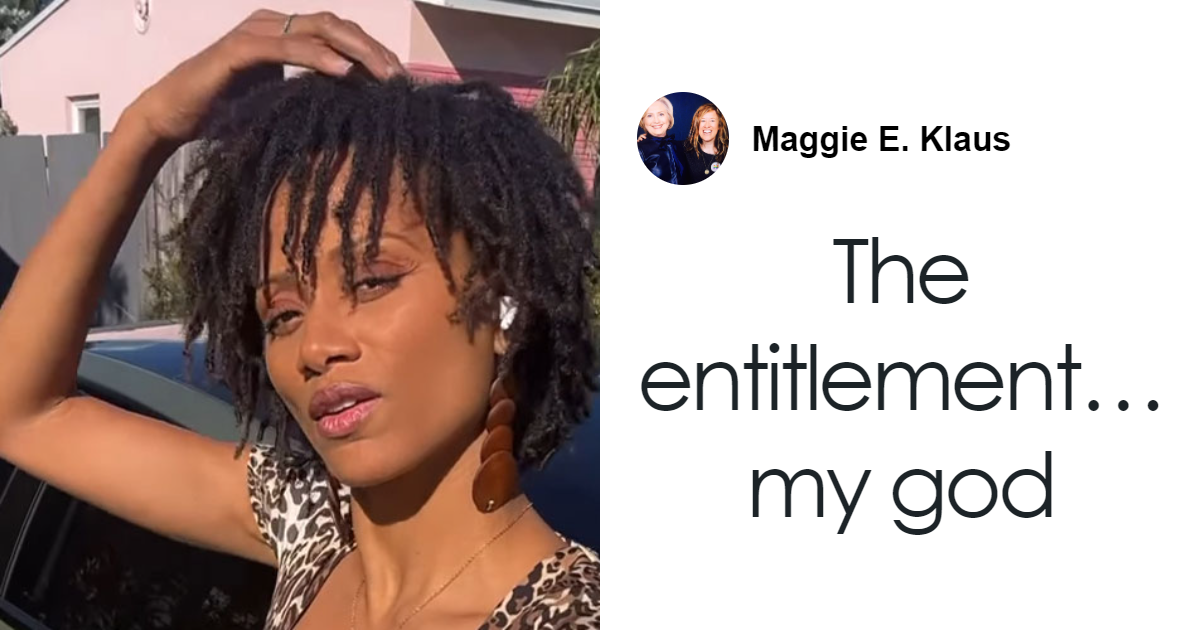
In a viral comedy clip, King riffed on fans constantly asking when Euphoria Season 3 would finally arrive. Her answer was not a polished PR statement. It was funnier, sharper, and much more human: she joked that fans were not the only people desperate for the show to come back. “I haven’t paid my rent in six months,” she said, before teasing that Zendaya was off in Paris while “Mama” needed her TV daughter to come home.
On the surface, it was a hilarious celebrity moment. Underneath the joke, however, was a surprisingly revealing look at the new Hollywood reality: hit shows can become global obsessions, actors can become household names, and still, long delays between seasons can leave working performers stuck in career limbo. Welcome to the streaming era, where a TV break can last longer than some college relationships.
Who Is Nika King on Euphoria?
Nika King plays Leslie Bennett, the mother of Rue Bennett, the central character played by Zendaya. While Euphoria is famous for its neon visuals, intense teen drama, fashion influence, and social media obsession, King’s character often provides something the show badly needs: emotional gravity.
Leslie is not a glamorous fantasy figure. She is a mother trying to hold her family together while Rue struggles with substance use, grief, mental health challenges, and self-destructive choices. In a series known for stylized chaos, Leslie is the person washing the emotional dishes after everyone else has smashed the plates.
King’s performance has been praised because it feels lived-in. She does not play Leslie as a perfect parent or a melodramatic TV mom. She plays her as tired, loving, frustrated, protective, and painfully aware that love alone cannot fix everything. That grounded presence helped make several of Rue’s family scenes among the most memorable parts of the series.
The Viral “I Haven’t Paid Rent” Joke Explained
The quote that lit up entertainment sites came from King’s stand-up comedy, not from a formal interview or financial confession. That distinction matters. King later clarified that the moment was a joke and that comedy is part of her creative roots. Still, the reason the bit landed so well is because it sounded emotionally true, even if it was delivered with a wink.
Her comedy set played with a very real frustration: Euphoria Season 2 ended in February 2022, and fans spent years wondering when Season 3 would appear. During that gap, the cast became even more famous. Zendaya continued a major film career, Sydney Sweeney became one of Hollywood’s busiest young stars, Jacob Elordi’s profile exploded, and Hunter Schafer moved into major film and fashion spaces.
Meanwhile, fans kept asking supporting cast members the same question: “When is Season 3 coming?” King’s response flipped the fan demand into a working actor’s joke. Viewers wanted new episodes. She joked that she needed new episodes. It was celebrity gossip, industry commentary, and rent anxiety all wrapped in one perfect comedy burrito.
Why Zendaya Was Mentioned in the Joke
Zendaya is not just the star of Euphoria; she is one of the biggest entertainment figures of her generation. She plays Rue, serves as an executive producer, and has won major awards for the role. When King joked that Zendaya was in Paris at Fashion Week and needed to come home, she was playing with the contrast between a global superstar’s jet-setting schedule and the cast’s long wait to return to set.
The line worked because everyone understood the image instantly: Zendaya in couture, cameras flashing, while her TV mom is somewhere saying, “Excuse me, Rue, your mother has invoices.” It was not an attack. It was comedy built on affection, timing, and the weirdness of being connected to a giant show that can still leave people waiting.
Zendaya’s schedule was only one part of the bigger story. Euphoria Season 3 faced a complicated mix of delays, including script development, scheduling challenges, industry strikes, and the difficulty of bringing back a cast whose careers had grown dramatically since the show began. The series did not simply pause because one person was busy looking flawless in Paris. Hollywood machinery is messier than thatand unfortunately, it does not come with a “skip intro” button.
Why Euphoria Season 3 Took So Long
The delay around Euphoria Season 3 became one of the most discussed examples of the modern streaming slowdown. Once upon a time, TV shows generally returned every year. Audiences expected a new season like clockwork. Now, prestige television often moves at the speed of a luxury furniture order: beautiful, expensive, and mysteriously delayed.
Several factors contributed to the long wait. The 2023 writers’ and actors’ strikes disrupted production schedules across the industry. Creator Sam Levinson was also developing the creative direction for the next chapter, which was expected to move the characters beyond high school. That shift matters because Euphoria could not realistically keep its cast playing teenagers forever. Jacob Elordi even joked publicly that without a time jump, the show would have to use a “Benjamin Button” strategy to make everyone look younger.
There were also emotional and logistical challenges after the death of Angus Cloud, who played Fezco. Losing a cast member changes more than a call sheet. It affects storylines, tone, and the people who worked together on set. For a show already built around trauma, friendship, and emotional fallout, such a loss could not be treated like a minor scheduling note.
The Bigger Hollywood Issue Behind the Punchline
The most interesting part of King’s joke is that it highlighted something audiences rarely think about: not every actor on a hit show becomes instantly rich forever. A successful series can boost visibility, but it does not guarantee constant work, especially when the show disappears for years between seasons.
Hollywood employment is often project-based. Actors may work intensely for a few months and then spend long stretches auditioning, waiting, developing side projects, or taking other jobs. A supporting role on a major series can be career-changing, but it does not always create the financial security people imagine. Fame and stability are cousins, not twins.
That is why King’s joke resonated beyond Euphoria fandom. It tapped into a universal feeling: waiting on something outside your control while bills continue to behave like they have never heard of patience. Whether you are an actor waiting for production, a freelancer waiting for payment, or a student waiting for a group project partner to open the document, the emotion is familiar.
Why Fans Reacted So Strongly
Fans love behind-the-scenes honesty, especially when it arrives with humor. King’s delivery gave viewers a rare break from the polished entertainment machine. Instead of vague phrases like “creative process” and “exciting developments,” she gave them a joke that sounded like it came from a group chat.
The clip also arrived at a time when Euphoria fans were already restless. The show had become a cultural force after Season 2, inspiring makeup trends, fashion debates, TikTok edits, reaction videos, and enough online theories to power a small server farm. Then the wait dragged on. The longer the silence lasted, the more every cast comment became news.
King’s joke became viral because it combined three irresistible internet ingredients: a famous show, a famous co-star, and a brutally relatable money punchline. Add Paris Fashion Week to the mix, and the story basically wrote its own headline.
How the Joke Changed the Conversation Around Supporting Actors
One valuable result of the viral moment was that it made people talk about supporting actors as working professionals, not just faces attached to famous franchises. Viewers often assume that anyone on a major HBO drama must be living like a celebrity 24/7. In reality, entertainment careers vary wildly depending on contract terms, screen time, residuals, representation, and future bookings.
King’s comments reminded audiences that actors are part of a labor ecosystem. When productions stall, many people feel the impact: performers, crew members, makeup artists, costume teams, assistants, drivers, editors, and countless others whose names may never trend online. A delayed show is not just a delayed viewing experience. It can mean delayed income for real people.
That does not mean fans should blame Zendaya, HBO, or any single person. It means the industry is more complicated than the red carpet suggests. The glamour is real, but so are the spreadsheets.
What This Says About the Streaming Era
Euphoria is not the only show to take a long break between seasons. In the streaming era, audiences have become used to waiting years for premium dramas, fantasy series, and prestige comedies. Bigger budgets, cinematic production values, complex contracts, and global cast schedules all contribute to longer timelines.
The upside is that shows can look more ambitious than ever. The downside is that momentum can fade, actors can age out of roles, and fans can become frustrated. There is also a practical issue: when a show takes three or four years to return, younger viewers may move into entirely different life stages. Someone who watched Season 2 in high school might be paying rent by Season 3. At that point, Nika King’s joke hits even harder.
For Euphoria, the delay became part of the brand. The show never fully disappeared because its cast stayed visible, its visuals stayed influential, and its scenes kept circulating online. But staying culturally relevant without new episodes is a tricky magic trick. Pull it off, and you seem iconic. Fail, and people start asking whether the show is ever coming back or whether it has simply entered witness protection.
Zendaya’s Role in Keeping Euphoria Relevant
Zendaya’s star power has been central to Euphoria from the beginning. Her performance as Rue helped establish the series as more than a glossy teen drama. It became an awards contender, a conversation starter, and one of HBO’s defining shows of the 2010s and 2020s.
Her success outside the show also kept Euphoria in the public eye. Whether she was promoting major films, appearing at fashion events, or collecting awards recognition, Zendaya’s presence reminded audiences of Rue and the world of East Highland. That visibility is a blessing for a delayed show, even if it also makes scheduling more complicated.
King’s Paris joke worked because Zendaya’s fashion-world presence is so recognizable. Everyone could picture the scene: Zendaya serving a flawless look in Europe while fans and cast members waited for the next chapter of television’s most emotionally exhausted high school universe.
Why Nika King’s Comedy Background Matters
Some viewers discovered King’s comedic side only after the viral clip, but comedy has long been part of her career. That context is important because her Euphoria performance is so emotionally intense that audiences may assume she is only a dramatic actress. The stand-up moment reminded people that performers are often more versatile than their most famous roles suggest.
In fact, the joke worked partly because of that contrast. Viewers know King as Rue’s serious, worried, deeply human mother. Seeing her turn that same “mama needs you” energy into a stand-up bit created a funny collision between character and performer. It was Leslie Bennett energy with a microphone and a two-drink minimum.
King later emphasized that the joke was lighthearted. That clarification was useful, but it did not erase the larger truth inside the comedy. The best jokes often exaggerate reality, but they usually start with something recognizable. In this case, the recognizable thing was uncertainty.
Experiences Related to the Topic: Waiting, Working, and Laughing Through the Chaos
The reason this story feels bigger than one viral comedy clip is that nearly everyone understands the experience of waiting for a big opportunity while life keeps moving. Nika King’s joke may belong to Hollywood, but the feeling behind it belongs to anyone who has ever refreshed an inbox, checked a calendar, followed up on a late payment, or whispered, “Please let this work out,” while pretending to be calm.
For working actors, the gap between seasons can be especially strange. A performer may appear on a massive show, receive praise from viewers, gain thousands of new followers, and still wake up the next week needing to audition like everyone else. The public sees the red carpet. The actor sees the email that says, “Thanks, but we went another direction.” That emotional whiplash is not unique to acting, either. Freelancers, musicians, designers, writers, small business owners, and content creators often live with the same uncertainty.
There is also the awkward social pressure of being associated with a successful project. People assume success automatically means security. They ask when the next season is coming. They ask what the star is doing now. They ask whether money is rolling in. Most of the time, the honest answer is less glamorous: “I’m working on it.” King’s joke turned that awkwardness into a laugh, which is often the healthiest thing a person can do when the situation is annoying but not fully in their control.
The story also says something about how fans interact with actors online. Fans often want answers, but actors do not always have them. A supporting cast member may know less about a production timeline than fans imagine. They might be waiting for scripts, contracts, schedules, or official announcements. When King said she did not know when Season 3 was coming, that was part of the humor. Fans wanted secret information. She gave them a rent joke instead. Honestly, that is a fair trade.
Another relatable experience is the way humor can protect people from frustration. Saying “I haven’t paid rent in six months” in a comedy set is not the same as issuing a financial report. It is a way to dramatize uncertainty, poke fun at fan impatience, and remind people that behind every shiny entertainment headline are workers with real lives. Comedy gives performers room to tell the truth sideways.
For audiences, the lesson is simple: enjoy the glamour, but remember the labor. A show like Euphoria may look effortless on screen, but it is built by people navigating contracts, schedules, rewrites, long gaps, and career unpredictability. King’s viral joke was funny because it was exaggerated. It was memorable because it was honest. And it became news because, in the middle of all the fashion shows, streaming delays, and celebrity headlines, “Mama needs you” sounded like the most human line of all.
Conclusion
Nika King’s viral “I haven’t paid rent in six months” joke became more than a funny Euphoria headline. It captured the strange tension of modern Hollywood, where a show can be massively popular and still leave its cast waiting years for the next chapter. Her playful plea for Zendaya to return from Paris was not a scandal; it was a smart, self-aware comedy moment that turned industry frustration into internet gold.
The story also reminds fans that television is not only about stars, premieres, and social media reactions. It is also about working actors, delayed productions, uncertain schedules, and the emotional patience required to survive creative careers. King made people laugh, but she also made them think. That is a pretty good rent payment in the currency of pop culture.