Some people collect mugs. Some people collect sneakers. I collect animal expressionsthe tiny nose wiggle, the suspicious side-eye, the “I definitely did not steal that fish” face. Among all animals, otters have a special corner in my heart, mostly because they look like they were designed by nature after nature drank three cups of coffee and said, “Let’s make something adorable, chaotic, waterproof, and emotionally persuasive.”
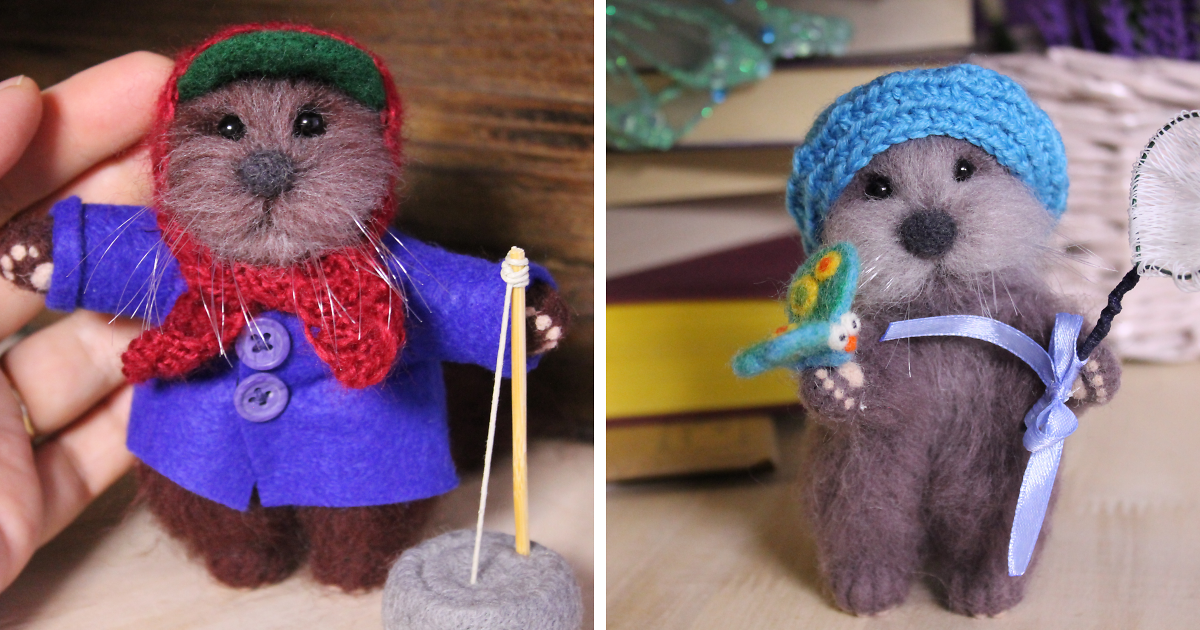
That love is exactly why I create otters from wool. Needle felting lets me turn soft sheep wool into tiny animal characters with round bellies, curious faces, and just enough personality to look like they might start a small but very determined riverbank business. My five wool otter pieces include a cozy Emmet Otter, an Easter otter with a rabbit, a Halloween otter, a happy otter wizard, and an otter with a butterfly. Each one begins as loose fiber and slowly becomes a little character with a story.
This article is about more than cute wool animals. It is about animal-inspired art, the charm of handmade figurines, the magic of needle felting, and why otters are basically the unofficial mascots of joy, resilience, and snack-based decision-making.
Why Otters Make Perfect Wool Art Subjects
Otters are naturally expressive. Their rounded heads, small ears, bright eyes, and playful body language translate beautifully into wool sculpture. A felted otter can be realistic, cartoonish, seasonal, whimsical, or somewhere between “museum-quality wildlife study” and “tiny marshmallow with opinions.” That flexibility makes otters especially fun for handmade animal figurines.
Real otters are also full of personality. River otters are known for playful sliding, swimming, diving, and exploring. Sea otters float on their backs, groom constantly, and often use tools such as rocks to open shellfish. Their behavior is so charming that even a simple wool version can feel alive when the pose is right.
From an artistic point of view, otters have one major advantage: they are cute from almost every angle. Front view? Adorable. Side view? Sleek and curious. Holding a tiny pumpkin? Ridiculous in the best possible way. Wearing a wizard hat? Congratulations, we have entered masterpiece territory.
The Beauty of Needle Felting With Wool
Needle felting is a craft that uses special barbed needles to tangle wool fibers together. With repeated poking, loose wool becomes firm enough to hold a shape. It sounds simpleand it is simple to beginbut making a convincing animal takes patience, observation, and a healthy respect for sharp needles. The needle will eventually stab your finger. This is not a threat. It is a rite of passage.
Wool is wonderful for animal art because it behaves a little like fur. You can layer colors, blend shades, create fuzzy cheeks, add smooth paws, and build tiny details one fiber at a time. For otters, I often work with warm browns, cream tones, charcoal accents, and small touches of black for the nose and eyes. The goal is not only to copy an animal but to capture its mood.
Why Wool Feels So Natural for Otter Figurines
Otters are famous for their fur. Sea otters, in particular, depend on dense fur to stay warm because they do not rely on a thick blubber layer the way many marine mammals do. That makes wool an especially poetic material for otter art. I am not using real otter fur, of coursejust sheep woolbut the connection between softness, warmth, and animal protection makes the medium feel meaningful.
When I shape wool into an otter, I think about texture first. A smooth belly, a slightly fuzzy head, tiny paws, and a fluffy tail can say more than a dozen extra decorations. The right texture makes the figurine feel touchable, even when it is meant to sit safely on a shelf rather than be cuddled by a toddler, a dog, or an adult who “just wants to check the craftsmanship.”
Meet the Five Wool Otters
Each of the five otters has its own mood. I like to imagine them as tiny actors in a very small theater where everyone is paid in clams and applause.
1. Emmet Otter: The Nostalgic Sweetheart
Emmet Otter is soft, warm, and full of storybook charm. This piece leans into nostalgiathe kind of gentle character that looks like it belongs near a fireplace, a mug of cocoa, and a holiday song performed slightly off-key but with great sincerity. The design focuses on a friendly face, rounded body, and classic otter sweetness.
For this kind of wool sculpture, the challenge is restraint. Too many details can make a nostalgic piece look busy. The best approach is to let the expression do the talking. A tiny smile, lifted paws, and thoughtful eyes can make the whole figurine feel like an old friend.
2. Easter Otter With Rabbit: Springtime in Wool Form
The Easter otter with a rabbit is all about gentleness. It combines two symbols of cuteness, which is risky because too much cuteness can cause people to make noises they did not approve in advance. The otter’s soft body and the rabbit’s delicate shape create a little scene of friendship, spring, and innocent mischief.
This piece works because it tells a story without needing a long explanation. The otter and rabbit feel like they have paused during a spring adventure. Maybe they are looking for eggs. Maybe they are hiding from chores. Maybe the otter has already eaten the decorative snacks. We may never know.
3. Halloween Otter: Spooky, But Make It Snuggly
The Halloween otter is proof that spooky art does not have to be scary. A felted otter with seasonal detailsperhaps a pumpkin, little hat, dark colors, or mischievous expressionbrings humor to the holiday. It says, “Boo,” but in a voice that also asks for a cookie.
Seasonal needle-felted animals are especially fun because they allow color and costume to change the personality of the same basic creature. The otter’s body remains recognizable, but the props and expression create a new mood. Halloween gives the otter permission to be dramatic, and frankly, many otters seem emotionally prepared for theater.
4. Happy Otter Wizard: A Tiny Master of Wool Magic
The happy otter wizard may be my favorite kind of fantasy animal: small, cheerful, and probably not licensed to handle advanced spells. A wizard hat instantly turns an otter into a character. Add a bright expression and suddenly the figurine looks like it has just discovered a spell for unlimited snacks.
Fantasy wool animals are popular because they combine familiar cuteness with imagination. You recognize the otter, but the costume invites a new story. Is the wizard otter protecting a magical pond? Teaching fish to levitate? Accidentally turning pebbles into biscuits? The viewer gets to decide.
5. Otter With a Butterfly: The Quiet Moment
The otter with a butterfly is softer and more poetic. Instead of costume or holiday humor, this piece focuses on stillness. A tiny butterfly creates a contrast: the otter is furry and grounded, while the butterfly is light and delicate. Together, they create a peaceful scene that feels like a pause between playful splashes.
This is where needle felting becomes emotional. A small tilt of the head can suggest wonder. A gentle paw position can suggest trust. The butterfly does not need to be large or complicated. In fact, the smaller it is, the more tender the moment feels.
How Animal Love Becomes Handmade Art
Animal art begins with observation. Before creating an otter, I look at photos, videos, and real behavior. I notice how otters hold their paws, how their bodies curve, how their whiskers frame the face, and how their eyes seem to combine curiosity with a complete lack of guilt.
Then comes interpretation. A realistic otter sculpture might need careful anatomy, but a character otter needs emotional truth. The question becomes: what makes this otter feel like an otter? Is it the rounded muzzle? The tiny ears? The long tail? The “I am innocent, despite the evidence” facial expression?
Good handmade animal figurines do not have to be perfect copies of nature. They need to feel believable. The best pieces capture a spark: playfulness, softness, curiosity, shyness, confidence, or comedy. Wool is forgiving enough to let that spark appear slowly.
The Process: From Fluffy Cloud to Otter Friend
Every wool otter starts as a simple core shape. I usually build the body first, then the head, muzzle, paws, tail, ears, and small accessories. The early stage is not glamorous. It often looks like a potato that has made unusual life choices. But with patience, the form begins to emerge.
Step 1: Building the Core
The core gives the figurine strength. I use firm wool and felt it tightly enough to hold shape. For an otter, the body is usually oval or pear-shaped, with a rounded belly and narrower shoulders. The head should be slightly oversized if the style is cute or character-based.
Step 2: Adding the Face
The face is the soul of the piece. A tiny nose, small eyes, pale muzzle, and careful cheek shaping can completely change the otter’s personality. Move the eyes a little closer and the otter becomes baby-like. Tilt the head and it becomes curious. Add a tiny smile and now it knows something you do not.
Step 3: Layering Color and Texture
Real animals are rarely one flat color. Otters have subtle shifts in fur tone, especially around the face, chest, and paws. Layering wool in thin pieces helps create depth. Blending browns, tans, creams, and darker accents can make the sculpture look warmer and more natural.
Step 4: Creating Accessories
Accessories turn a wool otter into a character. A wizard hat, pumpkin, butterfly, rabbit, or seasonal prop must be small enough not to overwhelm the animal. The otter should remain the star. The accessory is the supporting actor who steals one scene and then politely steps back.
Why Handmade Wool Animals Feel So Personal
Mass-produced toys can be cute, but handmade wool animals carry the evidence of time. Every poke of the needle compresses fiber. Every color choice reflects a decision. Every expression is adjusted by hand. That makes each piece slightly different, even if the same design is repeated.
This is why people connect with handmade animal art. A tiny felted otter is not just decor. It can become a gift, a desk companion, a memory of a favorite animal, or a cheerful little reminder that life is better with softness in it.
There is also something calming about the process. Needle felting requires focus but not panic. You work slowly. You correct mistakes. You build form gradually. In a world that often feels like it is sprinting while holding three phones, making a wool otter is a small rebellion in favor of patience.
Otters, Conservation, and Respect for Real Wildlife
As much as I love cute otter art, real otters are not props. They are wild animals with important roles in their ecosystems. Sea otters help support kelp forest health by feeding on sea urchins and other prey that can overgraze marine habitats. River otters are skilled swimmers and active predators in freshwater environments. Their playfulness is delightful, but their lives are also shaped by survival, habitat, food availability, and human impact.
Creating otters from wool is one way to celebrate them without disturbing them. Art can help people feel connected to animals, and that connection can lead to curiosity, respect, and conservation awareness. A cute figurine may not save the ocean by itself, but it can start a conversation. And sometimes conversations are where care begins.
Tips for Beginners Who Want to Felt Animal Figurines
If you want to try needle felting your own otter or animal sculpture, start simple. Choose a basic pose before attempting tiny costumes and complicated accessories. A sitting otter with a rounded body and small paws is a great beginner-friendly project.
- Use thin layers of wool. They felt more evenly and make color blending easier.
- Start larger than you think. Wool shrinks and firms as you felt it.
- Keep reference photos nearby. Even stylized animals benefit from real observation.
- Work slowly around the face. Tiny changes can transform the expression.
- Protect your fingers. Felting needles are small but surprisingly dramatic.
Most importantly, do not expect your first animal to look like the image in your head. Mine certainly did not. Early projects often look like mysterious woodland dumplings. That is normal. Every artist begins somewhere, and wool is kind enough to let you keep shaping, adding, and improving.
Why Otter Art Makes People Smile
Otters have a rare combination of qualities: they are wild but cute, skilled but silly, graceful in water and goofy on land. That contrast makes them emotionally irresistible. A wool otter captures the friendly version of that charm. It gives people a tiny animal moment they can keep on a shelf.
In SEO terms, people searching for cute otter art, needle-felted animals, wool animal figurines, handmade otter gifts, or animal-inspired crafts are often looking for more than a product. They are looking for delight. They want something with personality. They want a piece that feels made, not manufactured.
That is what I try to create: not just a wool sculpture, but a small character with a soft body and a big mood.
Extra Experience: What Creating Wool Otters Has Taught Me
Making wool otters has taught me that the smallest details often carry the biggest emotion. At first, I thought the main challenge would be building the body shape correctly. I worried about proportions, tail length, paw size, and whether the otter looked enough like an actual otter. Those things matter, of course. But over time, I learned that the true magic lives in the expression.
A millimeter can change everything. Move an eye slightly upward, and the otter looks hopeful. Add a bit more wool to the cheeks, and it becomes younger and softer. Tilt the head forward, and suddenly the character looks shy. Place the paws close together, and it seems polite, almost as if it is waiting to be invited into the conversation. This is the joy of needle felting: the artwork develops a personality while you are still making it.
I have also learned that wool has its own opinion. Some fibers felt quickly and firmly. Others stay fluffy and loose, as if they have signed a legal agreement to remain clouds forever. When I make otters, I often use firmer wool for the core and softer wool for the surface. That gives the figurine structure while keeping the outer layer warm and touchable. It is a bit like building a tiny animal with a skeleton of patience and a sweater of charm.
One of my favorite experiences is adding accessories. A plain otter is already sweet, but a themed otter tells a story. When I make a Halloween otter, I think about playful mischief rather than fear. When I make an Easter otter, I imagine freshness, spring air, and gentle colors. When I make a wizard otter, I allow myself to be completely unserious. Not every artwork needs to be solemn. Sometimes art is allowed to wear a hat.
The otter with a butterfly taught me the importance of quietness. Not every piece needs a big costume or bold concept. Sometimes the most touching scene is a small animal noticing an even smaller creature. That kind of artwork invites people to slow down. It reminds me that tenderness can be powerful, especially in a busy online world where everything competes for attention.
Sharing wool otters with others has been just as meaningful as making them. People often respond with memories: a childhood book, a zoo visit, a favorite animal documentary, a pet with an otter-like personality, or simply a love for tiny handmade things. That reaction matters. Handmade art becomes special when it gives people a reason to feel something.
Creating these otters has also deepened my respect for real animals. The more I study otters, the more I admire their intelligence, energy, and role in nature. Their cuteness may attract us first, but their importance keeps the fascination alive. I want my wool animals to be joyful, but I also hope they encourage people to look closer at wildlife and care more about the habitats animals need.
In the end, making otters from wool is my way of combining love, humor, craft, and admiration for nature. It is slow work, but slow work has a special kind of honesty. A felted otter cannot be rushed into existence. It must be shaped, corrected, softened, and brought to life little by little. And when the final face appearsthe tiny eyes, the round cheeks, the curious expressionit feels less like finishing an object and more like meeting a new friend.
Conclusion
I create wool otters because I love animals, and otters represent everything I adore about the animal world: curiosity, playfulness, cleverness, softness, and a little bit of comic chaos. Through needle felting, loose wool becomes a character. A simple body becomes an otter. A tiny hat becomes a story. A butterfly becomes a moment of wonder.
Whether it is Emmet Otter, an Easter otter with a rabbit, a Halloween otter, a happy otter wizard, or an otter with a butterfly, each piece carries the same message: handmade art can celebrate wildlife in a gentle, joyful, and deeply personal way. And if that art makes someone smile for five seconds during a difficult day, then the wool has done its job beautifully.