Black Friday is the one day of the year when a toaster, a pair of socks, and a suspiciously discounted air fryer can all convince us they are destiny. We wake up full of gratitude on Thursday, then by Friday morning we are emotionally attached to a vacuum cleaner because the website says “ONLY 3 LEFT.” Humanity is complicated. Retail email subject lines are worse.
That is why I made these ironic Black Friday ads: six fake campaigns designed to look like the glossy, dramatic, slightly unhinged promotions we see every holiday seasonbut with the quiet part printed in giant type. Instead of “Save 70% Today Only,” these ads ask: “Did you want this yesterday?” Instead of “Limited Time Deal,” they whisper: “We made the timer red so your brain would panic.” Very subtle. Very elegant. Very capitalism wearing a party hat.
The point is not to shame anyone for buying things. Shopping can be practical, joyful, generous, and sometimes necessary. A good winter coat on sale? Lovely. Replacing a broken laptop for work? Reasonable. Buying a third novelty waffle maker because it is shaped like a dinosaur and your cart needed “just $12 more” for free shipping? That is where the emotional support browser tab may need to close.
Black Friday has become more than a shopping day. It is a cultural ritual built around urgency, comparison, scarcity, and the thrilling illusion that we are beating the system. But the system wrote the coupon code. These ironic ads are a playful attempt to slow the scroll, poke the shopping monster, and remind us that the best deal is sometimes the one we proudly leave in the cart.
Why I Made Ironic Black Friday Ads
I started this project after noticing how Black Friday ads all seemed to speak the same strange language: louder numbers, bigger promises, shorter deadlines, and a tone that suggests your life will collapse if you do not immediately buy a Bluetooth speaker shaped like a mushroom. The ads are not just selling products. They are selling an emotional event: anticipation, fear of missing out, and the tiny dopamine confetti cannon that fires when you click “Place Order.”
The six ads I created use familiar Black Friday design tricksbold typography, dramatic markdowns, urgent slogans, shiny product photographybut twist the message into something more honest. They are funny because they sound exaggerated. They are uncomfortable because they are not exaggerated enough.
One ad reads: “Congratulations! You Saved $80 By Spending $240.” Another says: “This Deal Expires When Your Self-Control Returns.” A third shows a mountain of unopened boxes with the line: “Future Clutter, Now 40% Off.” The joke works because most of us have been there. We have bought the bargain, received the package, opened it, and wondered which version of ourselves made this decision. Probably the version who had not eaten lunch.
The Six Ironic Black Friday Ads And What They Mean
1. “You Saved $80 By Spending $240”
This ad targets the most magical phrase in retail math: “You saved.” It sounds responsible. It sounds like a personal finance victory. It sounds like your bank account should send you a thank-you card. But saving money only happens when you spend less on something you already needed. If you buy something unnecessary because the markdown looks dramatic, you did not save $80. You spent $240 with better lighting.
Black Friday discounts can be real, but shoppers should still compare prices, check price histories, and ask whether the sale price is actually unusual. A “was” price can create the feeling of value even when the current price is not especially rare. In other words, the number with the slash through it may be doing more emotional labor than financial labor.
2. “Limited Stock: Unlimited Anxiety”
Scarcity is one of the oldest tricks in the marketing toolbox. “Only 2 left.” “Selling fast.” “Someone in Ohio just bought this.” These messages create a tiny emergency inside your brain, even if the product is a beige cardigan and not, say, the last helicopter leaving a volcano.
The ironic ad shows a calm product photo surrounded by alarm-style warnings. The joke is that the item itself is boring, but the sales environment makes it feel urgent. That is the power of scarcity. It turns ordinary purchases into competitive missions. Suddenly you are not shopping; you are rescuing a blender from extinction.
3. “Buy Now, Regret Later”
This one plays with the rise of “buy now, pay later” options at checkout. Installment plans can be useful when used carefully, especially for necessary purchases. But they can also make a nonessential item feel smaller than it is. Four payments of $25 sounds softer than $100. It wears slippers. It brings tea. It does not mention that you may have twelve other “small” payments quietly forming a financial boy band.
The ad shows a glamorous checkout button with a tiny shadow labeled “January You.” That future version of you is less glamorous. January You is holding a credit card statement and wondering why November You needed luxury candles in three scents: Forest Whisper, Arctic Cashmere, and Financial Consequences.
4. “Free Shipping On Things You Didn’t Need”
Free shipping thresholds are brilliant because they turn extra spending into a quest. You need $9 more for free shipping, so you add a $14 item. Mathematically, this is like climbing onto the roof to avoid stepping over a puddle. Emotionally, it feels like winning.
This ad features a triumphant delivery truck driving toward a house already buried in packages. The copy reads: “You defeated the shipping fee. The shipping fee thanks you for your service.” It is absurd, but familiar. Many of us have purchased filler items that later became drawer residents, cabinet ghosts, or mysterious objects we rediscover during spring cleaning.
5. “Future Clutter, Now 40% Off”
Not all waste looks like trash at first. Sometimes it looks like a good deal. Sometimes it has a sleek product page and 18,000 five-star reviews. Sometimes it arrives in a box large enough to house a nervous raccoon.
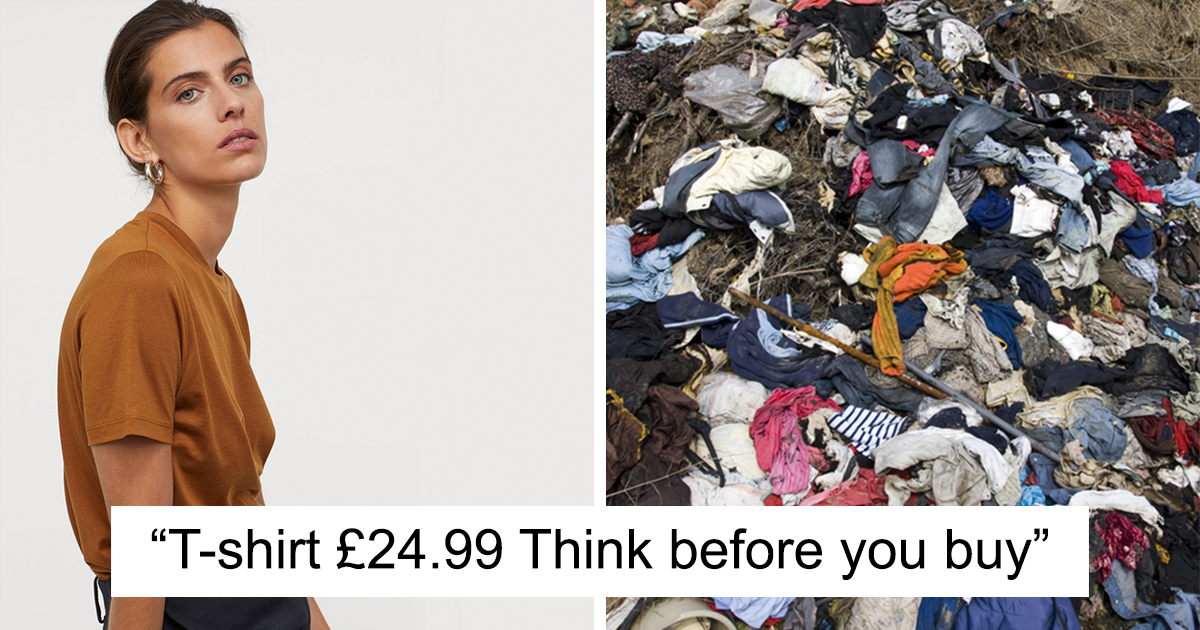
This ad focuses on the environmental side of overconsumption. Clothing, electronics, accessories, home goods, and novelty gadgets do not disappear when we stop wanting them. They move into closets, garages, donation piles, return systems, resale platforms, storage units, and landfills. The greenest purchase is often the one that never has to be manufactured, shipped, returned, repackaged, or discarded.
That does not mean every shopper must become a minimalist monk who owns one bowl and whispers apologies to plastic wrap. It simply means we should remember that every product has a life before and after the checkout page. A deal is not only about the price. It is also about usefulness, durability, repairability, and whether the item will still make sense when the sale banner is gone.
6. “The Timer Is Fake But Your Panic Is Real”
Countdown clocks are the jump scares of e-commerce. They sit at the top of the page like tiny digital goblins, counting down to the “end” of a sale that may mysteriously return tomorrow with a new name and the same font. This ad shows a massive timer above a product with the line: “Offer ends soon. Or later. We’ll see how the quarter goes.”
Urgency is not always dishonest. Some deals are genuinely limited. Some inventory really does run out. But when every sale is urgent, urgency becomes background noise. Smart shoppers pause before reacting. If the item was not on your list, the timer should not get a vote.
What Black Friday Ads Teach Us About Consumer Psychology
Black Friday marketing works because it understands human behavior beautifully and ruthlessly. We like feeling clever. We dislike missing out. We compare ourselves with others. We enjoy rewards. We are vulnerable to time pressure. We are also very good at justifying purchases once we have imagined owning them.
A discount does not merely reduce a price; it changes the story. A $200 item may feel expensive. A $300 item marked down to $200 feels like an opportunity. Same price, different emotional outfit. Retailers know that contrast can make shoppers focus less on the actual cost and more on the perceived victory.
Then comes social proof: best-seller badges, review counts, trending labels, and notifications that other people are buying right now. Nobody wants to be the only person who missed the magical pajama deal. The herd effect is powerful, especially online, where the “crowd” is often represented by little pop-ups and persuasive design.
The result is a shopping environment that feels like a game. Points, timers, bundles, rewards, loyalty tiers, and checkout confetti can make spending feel like achievement. But a purchase is not a trophy just because the website gave you a sparkle animation.
How To Shop Black Friday Without Becoming A Cautionary Meme
The goal is not to avoid every sale. The goal is to shop like a person with a plan instead of a raccoon in a jewelry store. A few simple rules can turn Black Friday from a spending fog into a useful opportunity.
First, make a list before the sales begin. If an item was not useful, wanted, or needed before the discount, the discount should not magically promote it to “essential.” Second, set a budget that includes gifts, shipping, taxes, and those sneaky small add-ons that multiply like holiday gremlins. Third, compare prices across retailers and check whether the deal is actually better than normal seasonal pricing.
Fourth, wait when possible. A 24-hour pause can reveal whether you want the product or simply enjoyed the chase. Fifth, read the return policy before buying. Some sale items have shorter windows, restocking fees, or inconvenient return requirements. Nothing says “festive” like paying to ship back a jacket that fits like a decorative pillowcase.
Finally, ask one brutal question: “Where will this live?” If you cannot imagine the item in your home, routine, wardrobe, kitchen, office, or actual life, it may be a fantasy purchase. Fantasy purchases are fun until they become physical objects asking for shelf space.
Why Anti-Consumerist Ads Still Matter
Ironic advertising has a long history because ads are one of the easiest ways to talk back to consumer culture. A good parody ad borrows the visual language of selling and uses it to interrupt the sale. It speaks in the same accent as marketing but says something the marketer would never approve in a quarterly meeting.
Some brands and activist campaigns have challenged Black Friday directly by encouraging repair, resale, donation, or buying nothing at all. The most effective messages do not simply say “shopping is bad.” That is too easy and too smug. The better message is: “Pay attention.” Pay attention to why you want something. Pay attention to who benefits from your urgency. Pay attention to whether the object solves a real problem or creates three new ones, including where to store the box.
That is what these six ironic Black Friday ads are trying to do. They are not anti-joy. They are anti-autopilot. Buying a gift for someone you love can be beautiful. Replacing a worn-out appliance at a lower price can be smart. Supporting a small business can be meaningful. But panic-buying a cart full of almost-useful objects because a banner yelled at you? That deserves a little satire.
The Bigger Cost Of A “Cheap” Purchase
Price is only one part of cost. There is the money cost, of course, but also the attention cost, storage cost, maintenance cost, return cost, environmental cost, and emotional cost. Every unnecessary purchase asks for something after the payment clears. It asks to be opened, organized, cleaned, charged, folded, assembled, returned, donated, repaired, or explained to your spouse with the confidence of a defense attorney.
Fast purchasing also makes it easier to ignore product quality. A low price can hide weak materials, poor repair options, short warranties, or limited usefulness. The cheapest version of a product may become expensive if it breaks quickly or needs replacing next year. A mindful shopper looks beyond the discount and asks whether the item is built for real life.
This is especially true with electronics and fashion, two categories that dominate holiday promotions. A slightly upgraded gadget may feel irresistible until you remember your current device works perfectly. A trendy jacket may look amazing online until it joins the archaeological layers of your closet. When we buy less but choose better, we often end up with products we use longer, appreciate more, and do not have to mentally apologize to every time we open a drawer.
My Experience Making These Ironic Black Friday Ads
Making these ads was fun in the way rearranging your closet is fun: at first you think you are doing a simple creative project, and then suddenly you are confronting your entire personality. I began by collecting the phrases that appear everywhere during Black Friday season: “doorbuster,” “limited time,” “lowest price,” “must-have,” “exclusive,” “bundle,” “flash sale,” and “cart reserved.” After a while, the words stopped sounding like marketing and started sounding like a nervous robot trying to hypnotize me.
The first draft of the ads was too angry. They looked like posters made by someone who had just discovered a credit card bill inside a haunted house. Funny, perhaps, but not very useful. I wanted the final pieces to feel inviting, not scolding. Nobody enjoys being told they are foolish for shopping, especially by an image that also uses nice typography. So I shifted the tone from accusation to recognition. The ads became less “you are the problem” and more “we have all been personally victimized by a free shipping threshold.”
The most difficult part was making the ads look believable. Real Black Friday advertising is surprisingly polished, even when the message is basically “Run, peasants, the discounted headphones await.” I used the same visual cues shoppers recognize instantly: oversized percentages, urgent badges, clean product layouts, dramatic contrast, and friendly little buttons that seem harmless until you realize they are tiny doors to financial chaos. The more realistic the design looked, the funnier the honest copy became.
One concept that stayed with me was the “Future Clutter” ad. I kept thinking about items I had bought because they seemed useful in theory but never became part of my actual life. The fancy notebook too beautiful to write in. The kitchen tool that solved a problem I did not have. The shirt that belonged to an imaginary version of me who attends rooftop dinners and understands linen. Those purchases were not disasters. They were small lessons with tags still attached.
Creating these ads also changed how I shop. I now keep a running list of things I genuinely need before sale season begins. If I see a deal, I check the list first. If it is not there, the product has to make a very strong case for itself, preferably without using a countdown timer as emotional blackmail. I also leave items in the cart overnight. It is amazing how many “must-haves” become “why is this here?” after breakfast.
The biggest lesson from this project is that mindful shopping does not remove pleasure from buying. It improves it. When you buy something intentionally, you enjoy it without the weird aftertaste of regret. You use it. You remember why you chose it. It fits into your life instead of demanding that your life rearrange itself around a sale. That is the kind of purchase no ironic ad needs to roast.
So yes, I made these ironic Black Friday ads to make people think twice before they buy. But the second thought is not “never buy anything.” The second thought is better: “Do I actually want this?” If the answer is yes, great. Enjoy the deal. If the answer is no, close the tab with dignity. Somewhere, a fake countdown timer will be disappointed. Let it be.
Conclusion: The Best Black Friday Deal May Be Self-Control
Black Friday is not evil. It is just extremely persuasive, very loud, and wearing a vest covered in discount stickers. The problem is not that people shop; it is that so much modern shopping is designed to make reflection feel like hesitation and hesitation feel like loss. These six ironic Black Friday ads are a reminder that urgency is often manufactured, savings can be slippery, and the cheapest item is not always the smartest one.
Before you buy, pause. Check the real price. Think about the product’s future in your life. Consider whether you are buying from need, joy, generosity, boredom, anxiety, or the seductive glow of “Add to Cart.” A good deal should still look good after the adrenaline fades.
And if you close the tab without buying anything, congratulations. You just found the rarest Black Friday bargain of all: keeping your money, your space, and your peace of mind.