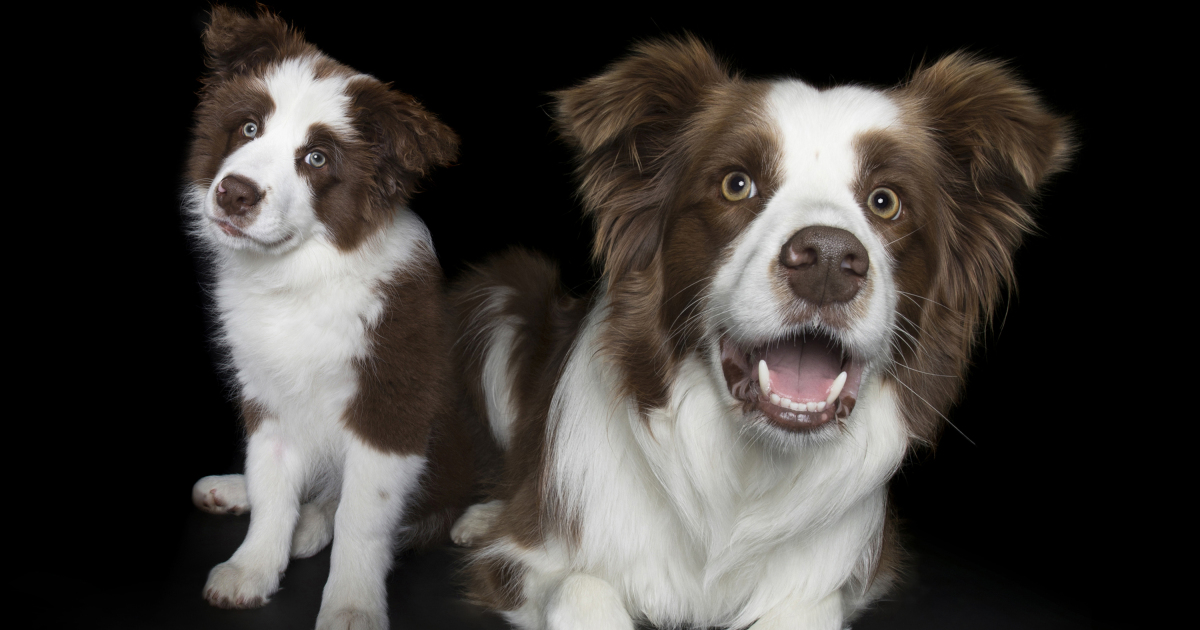
There is a very specific kind of magic that happens when you place a puppy photo next to a grown-up dog photo. One moment, you are looking at a round little potato with paws too large for its body. The next, you are staring at a dignified adult dog with the same eyes, the same soul, and possibly the same suspicious opinion about bath time.
That is why puppy-to-adult dog photography is so irresistible. It is not just cute. It is emotional evidence. It shows growth, personality, time, love, and the hilarious fact that some dogs grow into their ears while others simply become larger versions of their original chaos.
As a pet photography concept, photographing dogs as puppies and then again when they are fully grown creates a visual story that owners treasure for years. These “then and now” portraits capture more than a change in size. They reveal how a dog’s character develops, how their bond with their family deepens, and how fast the tiny stage disappears. Blink once and the puppy is chewing a shoelace. Blink twice and that same dog is taking up the entire couch like a furry landlord.
Why Puppy-to-Adult Dog Photos Hit Us Right in the Feelings
Dogs grow quickly, especially during the first year of life. Depending on breed and size, many puppies transform dramatically in just a few months. A small-breed puppy may look like a miniature adult fairly early, while a giant-breed puppy can spend a long, glorious season looking like a baby giraffe wearing a dog costume.
That rapid transformation is one reason dog owners love before-and-after pet portraits. Puppy photos freeze the beginning of the story: the soft belly, bright eyes, floppy ears, clumsy paws, and that “I have no idea what I’m doing, but I’m doing it at full speed” energy. Adult dog portraits show what came next: confidence, habits, expressions, favorite poses, and the unmistakable look of a dog who knows exactly where the treat jar lives.
When the two images are displayed together, the result feels like a tiny time machine. You can see what changedthe coat, body shape, muzzle, posture, and size. But you can also see what stayed the same: the sparkle in the eyes, the head tilt, the goofy grin, or the dramatic sigh that says, “I cannot believe you asked me to sit again.”
The “Big and Little” Idea: One Dog, Two Ages, One Story
The idea is simple: photograph a dog as a puppy, then invite them back as an adult and create a side-by-side portrait. Sometimes the adult dog is posed in the same position as the puppy. Sometimes the two images are composited together so the grown dog appears beside their younger self. Either way, the contrast is charming.
A tiny golden retriever puppy becomes a confident, feather-tailed adult. A baby dachshund with a serious little face turns into a long, low professional snack inspector. A fluffy mixed-breed pup who once fit inside a basket returns as a majestic dog who now fits only in the owner’s heart and possibly across three sofa cushions.
The best puppy-and-adult dog portraits work because they are not only about appearance. They are about memory. The puppy image says, “This is where we started.” The adult image says, “Look how far we came.” Together, they say, “Yes, I saved every photo, and no, I am not emotionally stable enough to delete any of them.”
What Changes When Dogs Grow Up?
The Face Becomes More Defined
Puppies often have soft, rounded features. As they mature, their muzzles lengthen, their skull shape becomes more defined, and their expressions become easier to recognize. Some dogs keep a baby-faced sweetness forever, while others gain a wise, noble lookas if they have read several novels and judged all of them.
The Coat Can Change Dramatically
Coat texture, color, and pattern may shift as puppies mature. Some puppies become lighter or darker. Some develop feathering, curls, spots, or markings that were barely visible in the early months. This makes repeat photography especially fun because the grown-up session often reveals details no one could fully predict.
The Paws Finally Make Sense
Many puppies look as though they were assembled from spare parts: enormous paws, tiny bodies, ears in development, tails with independent steering systems. Adult photos show how those parts eventually balance out. Usually. Some dogs remain wonderfully disproportionate, and we support their artistic choices.
The Personality Gets Louder
One of the sweetest discoveries is that a dog’s personality often appears in both sessions. The bold puppy may become a brave adult. The cuddly pup may still lean into every human like a warm blanket with opinions. The puppy who stared directly into the lens as if negotiating a business deal may grow into a dog who still knows exactly how to work the room.
Planning the Puppy Photo Session
A puppy photo session should feel safe, relaxed, and playful. Puppies have short attention spans, fast feet, and a deep commitment to investigating every object with their mouths. The goal is not perfection. The goal is honest, beautiful documentation.
Keep the Setting Simple
A clean background helps the puppy stand out. Neutral blankets, simple studio paper, soft rugs, grass, or a familiar home corner can all work well. The fewer distractions in the background, the more attention goes to the puppy’s face, body language, and expression.
Use Soft, Natural Light
Natural light is one of the best tools for pet photography. Window light, open shade, cloudy days, and golden-hour outdoor light can create gentle shadows and flattering detail. Harsh midday sun may create squinting eyes and hard shadows, while flash can startle sensitive puppies. Soft light keeps the mood calm and the photos warm.
Get Down to Puppy Level
One of the simplest ways to improve dog portraits is to photograph from the dog’s eye level. With puppies, that may mean kneeling, sitting, or fully committing to the floor. Is it glamorous? No. Will you collect mysterious lint on your clothes? Absolutely. But eye-level photos feel more intimate and expressive because the viewer enters the puppy’s world instead of looking down at it.
Let Puppies Be Puppies
The best puppy images often happen between poses. A yawn, a paw lift, a clumsy flop, a curious sniff, or a sudden proud sit can become the photograph that owners love most. Puppies do not need to act like professional models. They are already overqualified in the cuteness department.
Returning for the Adult Dog Session
The grown-up session is where the story comes full circle. By this time, the dog may know basic cues, understand the studio or outdoor routine better, and have a stronger bond with their owner. However, adult dogs also bring their own preferences. Some love posing. Some prefer action. Some believe cameras are suspicious machines designed by squirrels.
To create a strong comparison, it helps to repeat elements from the puppy session. The same angle, similar lighting, matching background, repeated pose, or familiar prop can make the transformation more obvious. If the puppy once sat in a basket, the adult dog might sit beside that same basket. If the puppy wore a tiny bandana, the grown dog might wear a larger version. If the puppy refused to sit, and the adult dog also refuses to sit, congratulations: consistency has been achieved.
How to Capture Personality, Not Just Appearance
A great dog portrait is not only sharp, bright, and well-composed. It also feels like the dog. For some dogs, that means a dignified portrait with calm eyes. For others, it means a flying-ear action shot, a muddy grin, or a close-up of a nose that has no respect for personal space.
Reading dog body language is essential. Relaxed eyes, soft ears, loose posture, and a comfortable mouth often suggest a dog is at ease. Stress signals such as lip licking, yawning in a tense moment, turning away, pinned ears, or a stiff body may mean the dog needs a break. Good pet photography is never about forcing a pose. It is about creating enough comfort for real personality to show up.
Treats, toys, squeakers, praise, and patience all help, but timing matters most. A photographer has to be ready for the half-second when the dog’s expression becomes perfect. Dogs do not hold a pose while you adjust twelve camera settings and rethink your life choices. They give you a look, and then it is gone.
Simple Tips for Better Puppy and Adult Dog Photos
Focus on the Eyes
The eyes carry emotion. Whether the dog is playful, curious, sleepy, or deeply concerned about the treat supply, sharp eyes make the portrait feel alive.
Choose a Faster Shutter Speed for Movement
Dogs move quickly. Puppies move like popcorn. A faster shutter speed helps freeze action, especially during running, jumping, tail wagging, or sudden zoomies.
Use Treats Wisely
Treats can help direct attention, but too many can turn a photo session into a snack riot. Small, high-value rewards work best, especially when paired with praise and short breaks.
Keep Sessions Short
Puppies and adult dogs both do better with short, positive sessions. A tired dog may stop cooperating, and a bored puppy may begin redecorating the set with their teeth.
Photograph the Details
Do not forget the tiny things: paws, ears, whiskers, tail curls, nose freckles, collar tags, and favorite toys. These details become surprisingly meaningful later.
Why Owners Should Take More Photos Than They Think They Need
Every dog owner learns the same bittersweet truth: the puppy stage is short. Even when the days feel longespecially during potty training, teething, and the era of “Why is there a sock in the water bowl?”the months move fast. One day, your puppy is small enough to carry with one hand. Soon after, they are a full-sized dog who still believes they belong in your lap.
Photos help preserve the stages that memory softens. They bring back the first collar, the first awkward sit, the first snow day, the first beach trip, and the first time your puppy looked at you like you were their entire universe. Later, adult portraits add another layer. They show the dog your puppy became and the life you built together.
The Emotional Power of Before-and-After Dog Portraits
There is a reason people share puppy-to-adult photos so enthusiastically online. They are instantly understandable. You do not need a long caption to feel the story. A tiny puppy beside a grown dog says everything: time passed, love grew, the bond stayed.
These portraits also remind us that dogs are family historians in fur coats. They are present for moves, birthdays, breakups, new homes, new babies, quiet mornings, and ordinary Tuesdays. Their growth becomes tangled with our own. Looking at a puppy photo beside an adult portrait is not just seeing how much the dog changed. It is remembering who we were when that puppy first came home.
Experiences From Photographing Dogs as Puppies, Then Again as Adults
One of the most memorable parts of puppy-to-adult dog photography is discovering that every dog grows at a different emotional speed. Some puppies arrive like tiny comedians. They tumble into the studio, chew the edge of the blanket, bark at a squeaky toy, and fall asleep five minutes later as if they have completed a full workday. When they return as adults, they may be calmer, bigger, and more polishedbut the comedian is still in there. It appears in a sideways glance, a sudden play bow, or a perfectly timed tongue-out expression.
Other dogs surprise everyone. A shy puppy who once hid behind their owner’s leg may come back as a confident adult with a proud chest and bright eyes. That transformation is especially moving. It shows what time, patience, training, socialization, and a loving home can do. The photo becomes more than a cute comparison. It becomes proof of trust.
I have learned that owners often notice details I might miss. They point to the puppy photo and say, “He still makes that face when he wants dinner.” Or they laugh and say, “She still sits with one paw tucked under.” These small observations are gold. They turn a portrait session into a storytelling session. The camera records the image, but the owner brings the history.
Matching the adult portrait to the puppy portrait can be both fun and ridiculous. A puppy that once fit easily on a small stool may now overflow from it like bread dough with confidence. A once-tiny dog who wore a miniature bow tie may return as a muscular adult who still looks oddly formal in accessories. Sometimes recreating the same pose is impossible, and that is part of the charm. The mismatch tells the truth: dogs grow, life changes, and perfect symmetry is less important than honest emotion.
The best sessions happen when everyone relaxes. Dogs can sense tension. If the owner is nervous, the dog may become unsure. If the photographer rushes, the dog may check out. But when the room feels playful, patient, and safe, dogs begin offering the expressions that matter. A soft look toward their person. A goofy grin after a treat. A proud stand after hearing their name. These are the moments that make the final image feel personal.
What I love most is watching owners react to the finished comparison. They usually smile first. Then they get quiet. The side-by-side image reminds them how small their dog once was and how much love has filled the space between then and now. In that moment, the photograph is not just decoration. It is a memory with four paws.
Conclusion
Photographing dogs as puppies and then again when they are grown up is one of the most heartwarming forms of pet photography. It combines humor, nostalgia, technical skill, and emotional storytelling in a way almost every dog lover understands. The puppy photo captures the beginning: the wobbly legs, oversized paws, soft fur, and brand-new wonder. The adult portrait captures the result: personality, confidence, loyalty, and the familiar face that has become part of daily life.
Whether you hire a professional pet photographer or take photos with your phone, the most important thing is to document your dog often. Take the silly photos. Take the sleepy photos. Take the muddy photos. Take the “Why are you sitting like that?” photos. Years from now, they will matter more than you expect.
Because dogs grow up quickly, but photographs let us keep every version of themthe tiny beginner, the awkward teenager, the majestic adult, and the beloved best friend who somehow still acts like a puppy when the treat bag opens.