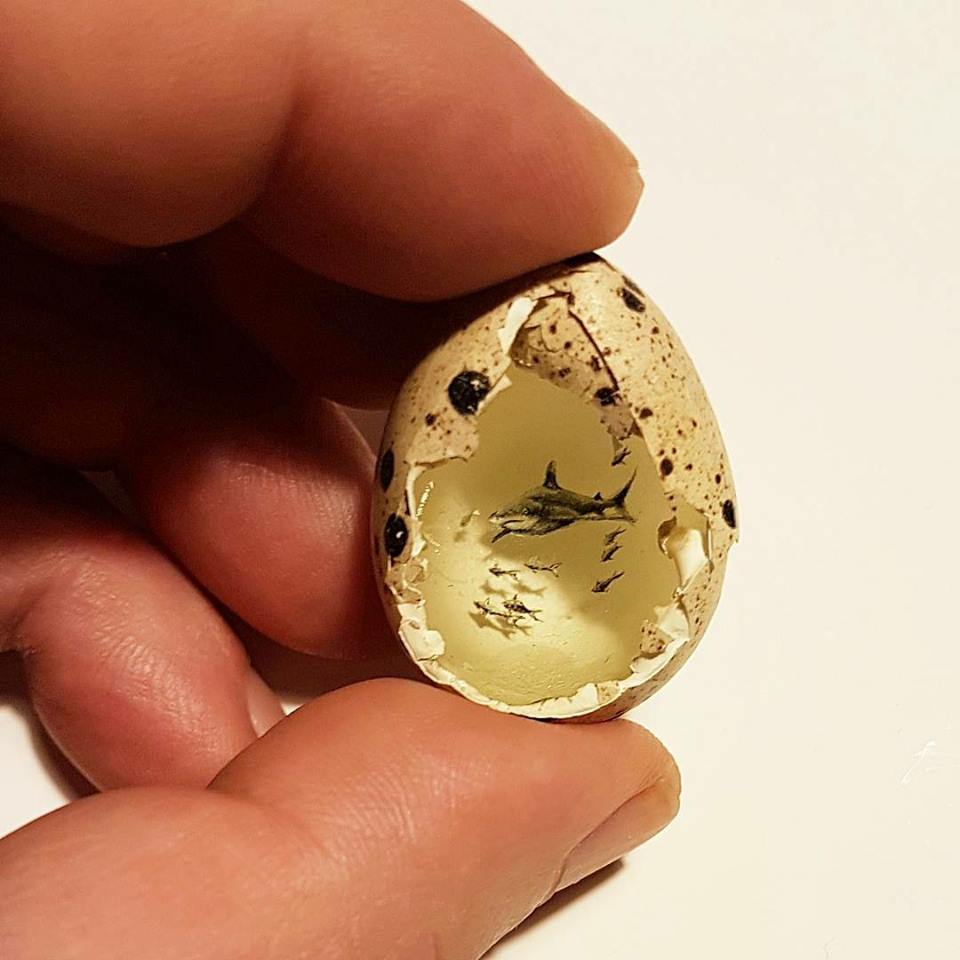
Big art gets the big rooms, the big spotlights, and the big dramatic pauses. Tiny art gets something even better: the power to make you lean in so close that you briefly forget the rest of the world exists. A thumb-sized portrait can feel more personal than a billboard. A dollhouse room can contain more storytelling than an actual apartment listing. A miniature book can make your phone look like an oversized distraction brick.
Incredible tiny arts are not simply “normal things, but smaller.” They are acts of patience, illusion, engineering, memory, and occasionally pure artistic mischief. From illuminated manuscripts and portrait miniatures to miniature crime scenes, dollhouse interiors, and modern micro-sculptures, small-scale art proves that size is not the same thing as impact.
What Makes Tiny Art So Incredible?
Tiny art creates a special kind of attention. A giant painting can overwhelm you from across the room, but miniature art asks for a slower relationship. You have to step closer. You have to notice. You may need glasses, a magnifying lens, or the humility to admit that your eyesight is not what it was in 2007.
That closeness changes the experience. A miniature object often feels private, as though the artist made it for one curious person rather than a crowd. Tiny artworks reward patience because every surface matters. A small chair may have real joints. A painted portrait may include individual strands of hair. A little kitchen may have a copper pot, a folded linen towel, and a loaf of bread no larger than a fingernail.
Miniature art also plays tricks with scale. When a room is reduced to one-twelfth of its normal size, your brain still wants to walk inside. When an artist creates a book smaller than your palm, you suddenly understand how enormous your own hands are. Tiny art makes familiar objects strange again, which is one of art’s oldest and most useful superpowers.
A Brief History of Miniature Art
Miniatures Were Not Always About Size
The word “miniature” has a surprisingly sneaky history. In medieval manuscripts, a miniature originally referred to an illustration made with minium, a red pigment used by scribes and painters. In other words, the word began as a reference to color and technique, not merely something adorably small enough to lose under a sofa cushion.
Over time, miniature became closely associated with small-scale works, especially detailed painted images, portable devotional objects, jewelry, models, and portrait miniatures. The connection makes sense. Tiny works demanded extraordinary control, and artists soon turned that challenge into a feature rather than a limitation.
Portraits Small Enough to Carry
Before smartphones turned everyone into a pocket-sized gallery of vacation photos and accidental screenshots, portrait miniatures served a deeply personal purpose. These small paintings, often watercolor on ivory and frequently set in lockets or cases, allowed people to keep an image of a loved one close.
In the eighteenth and nineteenth centuries, miniature portraits became important objects of memory, romance, family connection, and social identity. They could be worn, displayed, gifted, or kept in private. The Metropolitan Museum of Art’s collection includes hundreds of American portrait miniatures spanning roughly two centuries, showing how this intimate art form became woven into everyday life and personal history.
Tiny Books, Vast Worlds
Miniature books are another reminder that small objects can carry enormous meaning. The Library of Congress notes that miniature books are commonly defined as books under three inches in height and width, although standards vary. Some historical examples are so small that they seem almost impossible to read without assistance.
One remarkable example is the Edith Book of Hours, a fourteenth-century illuminated manuscript measuring only about 2 5/8 inches tall and 1 7/8 inches wide. Despite its tiny dimensions, it contains more than 300 pages, intricate decoration, and painted scenes. It is basically a cathedral of craftsmanship that happens to fit in a hand.
Why Miniature Art Feels So Powerful
It Turns Observation into an Adventure
Looking at tiny art is never passive. Your eyes move slowly, scanning for clues and details. You start with the obvious subject, then discover the little surprise tucked into a corner: a handwritten label, a tiny teacup, a carved animal, a folded newspaper, or a painting within a painting.
This makes miniature art ideal for storytelling. In a large work, the viewer may absorb the whole composition at once. In a miniature, the story unfolds gradually. Every small object becomes a possible clue. The artist has essentially created a visual scavenger hunt, except the prize is delight rather than a plastic keychain.
It Makes Craftsmanship Visible
Tiny art has nowhere to hide. In a small sculpture, a crooked line may become a canyon. In a miniature room, an oversized doorknob can destroy the illusion faster than a bad wig in a historical drama. Artists working at small scale must understand materials, proportion, texture, lighting, perspective, and construction with almost ridiculous precision.
That is why miniature art often sits at the crossroads of fine art, design, architecture, engineering, textiles, jewelry, woodworking, bookmaking, and model-making. It is not a lesser form of art. It is art with a stricter dress code.
It Makes the Familiar Feel Magical
A miniature grocery store, bedroom, theater, garden, or train station can trigger instant nostalgia. You recognize the world, but it has been transformed into something dreamlike. Small-scale environments can feel safer, stranger, or more emotionally intense than real ones because they compress a complete world into a controllable space.
Cooper Hewitt has explored how historic dollhouses and miniature interiors were much more than toys. They could document household life, display design skill, teach children about domestic work, and reveal the materials and social values of their time.
Famous Examples of Incredible Tiny Arts
The Thorne Miniature Rooms
The Thorne Miniature Rooms are among the most celebrated examples of miniature interior art in the United States. Created under the direction of Narcissa Niblack Thorne, the rooms recreate historic American and European interiors at a one-to-twelve scale. These are not casual dollhouse spaces with plastic furniture and a suspiciously cheerful wallpaper sample. They are detailed environments with architectural accuracy, furniture, textiles, decorative objects, and period style.
The collection includes 68 miniature rooms associated with the Art Institute of Chicago. Each one demonstrates how miniature art can preserve design history while also creating a deeply immersive experience. You do not just look at a small room. You mentally enter it.
Frances Glessner Lee’s Nutshell Studies
Miniature art can also be serious business. Frances Glessner Lee created the famous Nutshell Studies of Unexplained Death, highly detailed miniature crime scenes designed to teach investigators how to observe evidence carefully. These dioramas contain tiny rooms, miniature furniture, figures, stains, tools, clues, and carefully placed details that demand close examination.
The works are haunting because they combine domestic craft with forensic science. They look like dollhouse scenes at first glance, but they are training tools for understanding death investigations. Their lesson is simple and uncomfortable: look longer, assume less, and do not overlook the small detail just because it is small.
Illuminated Manuscripts and Tiny Painted Worlds
Medieval and Renaissance manuscripts demonstrate that miniature art has long been tied to devotion, learning, and status. Small painted scenes in books could tell religious stories, mark calendar months, decorate borders, or turn written pages into visual worlds.
The Getty Museum’s manuscript collection includes calendar miniatures, Books of Hours, and other carefully painted works that show the astonishing detail possible on a page. A viewer may see a landscape, figures, animals, buildings, fabric, and gold decoration inside an image smaller than a postcard.
Miniature Objects Across Cultures
Miniature art is not confined to one country or one medium. The Museum of Fine Arts, Boston has highlighted small objects ranging from ancient amulets and Japanese netsuke to portrait miniatures, dollhouse furnishings, tiny tools, jewelry, and portable shrines. These objects were often made to be worn, carried, handled, admired, or used in ceremonies.
Their small size did not make them insignificant. In many cases, it made them more precious. A tiny amulet could offer protection. A miniature portrait could preserve affection. A miniature globe could represent curiosity about the wider world. A small carved animal could carry symbolism, status, humor, or all three at once.
How Artists Create Tiny Masterpieces
Scale Is Everything
Great miniature artists think in ratios. If a room is built at one-twelfth scale, every chair, curtain, painting, lamp, and plate must work together. One object that is slightly too large can make the entire scene feel wrong. The human brain is surprisingly strict about proportion, even when it is happily pretending it could fit into a three-inch living room.
Materials Must Behave Differently
Artists often use wood, paper, clay, fabric, metal, resin, paint, glass, thread, and found materials. However, materials do not always look the same when reduced. A regular fabric weave may look enormous in a miniature room. A paintbrush may be too broad for a tiny face. A wood grain may become visually overwhelming. Artists must choose, alter, or invent materials that create the illusion of reality at a much smaller scale.
Lighting Creates Believability
Lighting matters just as much in miniature art as it does in film, theater, photography, and architecture. A tiny room with poor lighting can look flat. A tiny room with carefully placed shadows can feel lived in. Miniature artists often use color, reflective surfaces, windows, lamps, and controlled shadows to trick the viewer into believing that the little world continues beyond its walls.
How to Appreciate Tiny Art More Deeply
The best way to enjoy miniature art is to slow down. Start by looking at the entire piece, then return to the details. Ask yourself what the artist wants you to notice first. Is the work meant to feel cozy, eerie, luxurious, funny, historical, or strangely realistic?
Next, look for signs of labor. Notice the tiny stitches, painted patterns, carved edges, miniature lettering, and carefully chosen textures. Imagine the tools required. Imagine how steady the artist’s hands must have been. Then imagine dropping the finished work on the floor and immediately needing to sit down for emotional support.
Finally, consider the story. Every miniature world has one. A tiny kitchen may suggest family routines. A portrait locket may represent love or mourning. A miniature crime scene may teach observation. A tiny manuscript may preserve faith, learning, and artistic skill across centuries.
Experiences That Make Incredible Tiny Arts Even More Memorable
The first unforgettable experience with tiny art often begins with disbelief. You see a miniature room behind glass and think, “That is charming.” Then you notice the tiny clock. Then the tiny books. Then the tiny fireplace tools. Then the tiny painting hanging above the tiny mantel. Suddenly, you are no longer looking at an object. You are standing at the edge of a world that somehow has better interior design than your actual home.
Visiting a miniature art exhibition can feel like becoming a giant with excellent manners. You cannot stomp through the rooms, touch the furniture, or complain that the bathroom is too small. You simply stand there, quietly amazed that someone chose to spend hours making a spoon that is smaller than a grain of rice. That level of dedication is both inspiring and mildly intimidating.
One of the best experiences is viewing miniature art with children. Adults may focus on technique, history, and scale, while children usually go straight to the important questions: “Who lives there?” “Can the tiny dog move?” “Why is that little chair nicer than ours?” Their imagination completes the scene immediately. Tiny art reminds viewers of all ages that objects can become stories when someone pays close enough attention.
Creating a miniature project yourself offers a different kind of experience. You may begin with confidence: a tiny café, perhaps, or a small reading nook. Then you realize that cutting a miniature bookshelf evenly is more difficult than negotiating with a printer on a Monday morning. Glue gets everywhere. Your “rustic” table becomes visibly crooked. Your miniature plant resembles a confused green mop. Yet this is exactly when the appreciation begins.
Building something small teaches patience in a way few other hobbies can. Large mistakes are obvious, but tiny mistakes are sneaky. A bead rolls away. A paper sign folds incorrectly. A chair leg disappears into another dimension, probably beneath the refrigerator. You learn to work slowly, organize carefully, and celebrate tiny victories such as successfully attaching a microscopic doorknob without gluing your fingers together.
Photography adds another layer of fun. When miniatures are photographed at the right angle, they can look surprisingly life-sized. A miniature street scene may appear like a real city block. A small food sculpture may look like a full meal. A dollhouse bedroom can resemble a magazine spread, at least until someone notices that the bed is six inches long and the cat is the size of a Buick.
Tiny art can also become a calming ritual. Looking closely requires focus, and focus can be restorative. In a busy world filled with alerts, scrolling, noise, and messages that begin with “Just following up,” miniature art gives your attention a quieter place to land. It asks you to pause. It rewards you for noticing. It does not demand that you multitask.
The deepest experience may be realizing that miniature art changes your relationship with everyday life. After studying a tiny room, you begin noticing the real room around you: the texture of wood, the shape of a lamp, the pattern in a curtain, the way light sits on a coffee table. Tiny art teaches that ordinary things are already full of detail. We simply move too quickly to see them.
Conclusion: Small Art, Huge Imagination
Incredible tiny arts prove that scale is not a measure of importance. A miniature portrait can hold a lifetime of memory. A tiny manuscript can preserve centuries of devotion and learning. A dollhouse room can reveal how people lived, dreamed, decorated, and defined comfort. A forensic diorama can train viewers to notice what others miss.
Whether you are drawn to miniature paintings, dollhouse interiors, tiny books, micro-sculptures, or detailed dioramas, the appeal is the same: small art rewards close attention. It reminds us that wonder does not always arrive with fireworks and a giant banner. Sometimes it arrives in a room smaller than a shoebox, waiting patiently for you to lean in.
Editor’s note: This is an original synthesis informed by documented museum, library, academic, and design collections. Source links are intentionally omitted for clean publication formatting.