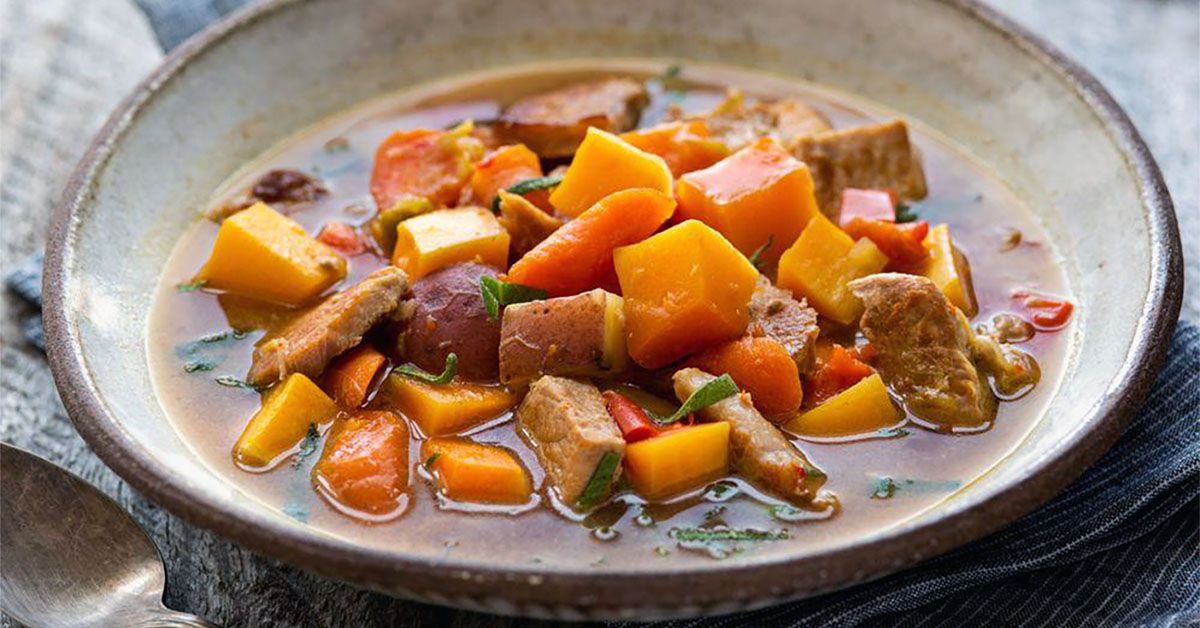
There are dinners that politely feed you, and then there are dinners that wrap you in a flannel blanket, hand you a spoon, and tell the weather to mind its own business. Instant Pot Pork and Winter Squash Stew belongs firmly in the second camp. It is hearty, savory, slightly sweet, and rich with tender pork shoulder, creamy winter squash, garlic, onion, herbs, and a broth that tastes like it has been quietly simmering since sunrise.
The trick, of course, is that it has not been simmering all day. The Instant Pot does the heavy lifting, turning a tough, budget-friendly cut of pork into spoon-tender bites in a fraction of the time a traditional stew would need. Winter squash brings natural sweetness and body, so the broth thickens without requiring a culinary degree, a roux, or a dramatic phone call to your grandmother.
This stew is perfect for cold nights, meal prep, Sunday cooking, or any evening when you want something cozy but do not want to hover over the stove like a soup security guard. It is rustic, flexible, freezer-friendly, and forgiving enough for real lifethe kind of recipe that still works even if your carrots are slightly bendy and your thyme came from the mysterious back corner of the spice cabinet.
Why This Instant Pot Pork and Winter Squash Stew Works
The beauty of this recipe comes from contrast. Pork shoulder is rich and savory, with enough connective tissue to become tender and juicy under pressure. Winter squash, especially butternut, kabocha, acorn, or buttercup, adds sweetness and a velvety texture. Aromatics like onion, garlic, celery, and carrots build a classic stew foundation, while herbs and a splash of vinegar brighten the final bowl.
Pressure cooking is especially useful for pork stew because it helps break down tough meat faster than stovetop simmering. Instead of waiting two or three hours for pork shoulder to soften, the Instant Pot creates a moist, high-pressure environment that speeds up the process. The result is tender pork, flavorful broth, and vegetables that taste like they have attended a very productive team meeting.
The key is timing. Pork needs enough time to become tender, but winter squash can turn from perfect cubes into orange confetti if it cooks too long under pressure. This recipe solves that problem by adding the squash in larger pieces or stirring it in after the pork has had a head start. That small move keeps the stew hearty instead of baby-food adjacent.
Best Pork Cut for Instant Pot Stew
For the best Instant Pot pork stew, use pork shoulder, also called pork butt or Boston butt. Despite the confusing name, pork butt does not come from the rear of the pig. Food naming, apparently, enjoys practical jokes. Pork shoulder has enough fat and collagen to stay moist during pressure cooking, which makes it ideal for stews, braises, pulled pork, chile verde, and other dishes where tenderness matters more than neat slices.
Pork loin can be used, but it is much leaner and can become dry if cooked too aggressively. Pork tenderloin is even more delicate and is not the best match for a long pressure-cooked stew. If you only have pork loin, cut it into larger chunks and reduce the pressure-cooking time. But for a deep, comforting, spoon-tender stew, pork shoulder is the winner.
How Big Should the Pork Pieces Be?
Cut the pork into 1 1/2-inch to 2-inch cubes. Smaller pieces cook quickly but may dry out or disappear into the broth. Larger pieces hold their shape better and give the stew that satisfying, rustic texture. Trim excess hard fat, but do not remove every bit of marbling. That marbling is flavor, and flavor deserves a seat at the table.
Best Winter Squash for Pork Stew
Butternut squash is the easiest choice because it is widely available, sweet, smooth, and simple to peel. It also holds up fairly well in stews when cut into sturdy chunks. Kabocha squash has a denser, nuttier texture and can be excellent if you want a richer, almost chestnut-like flavor. Acorn squash works too, though it is slightly more fibrous and can be harder to peel. Delicata squash is delicious, but because it cooks quickly, it is best added near the end.
If convenience is calling your nameand sometimes convenience is not calling so much as yelling from the couchpre-cut butternut squash is a smart shortcut. Just check that the cubes are firm, bright, and not slimy. Frozen squash can also work, but it softens faster, so add it after the main pressure-cooking cycle and simmer briefly on Sauté.
How to Keep Squash From Getting Mushy
The safest approach is to pressure cook the pork first, then add the squash for a short second cook, or simmer the squash after pressure cooking. If you prefer a thicker stew, let a small portion of the squash soften into the broth while keeping the rest in hearty chunks. Think of it as teamwork: some squash becomes sauce, some squash remains dinner.
Ingredients for Instant Pot Pork and Winter Squash Stew
- 2 1/2 pounds pork shoulder, trimmed and cut into 1 1/2-inch cubes
- 1 1/2 teaspoons kosher salt, plus more to taste
- 1 teaspoon black pepper
- 2 tablespoons olive oil
- 1 large yellow onion, diced
- 3 carrots, cut into thick coins
- 2 celery ribs, sliced
- 4 garlic cloves, minced
- 2 tablespoons tomato paste
- 1 teaspoon smoked paprika
- 1 teaspoon dried thyme
- 1/2 teaspoon dried sage or rosemary
- 1/4 teaspoon crushed red pepper flakes, optional
- 3 cups low-sodium chicken broth
- 1 tablespoon apple cider vinegar, plus more to taste
- 1 bay leaf
- 4 cups peeled winter squash, cut into 1 1/2-inch chunks
- 1 tablespoon cornstarch mixed with 2 tablespoons cold water, optional
- 2 tablespoons chopped parsley
- Crusty bread, rice, mashed potatoes, or egg noodles for serving
Step-by-Step Instructions
1. Season and Brown the Pork
Pat the pork dry with paper towels. Season it with salt and pepper. Set the Instant Pot to Sauté and add the olive oil. When the oil is hot, brown the pork in batches for 2 to 3 minutes per side. Do not crowd the pot. Crowded pork steams instead of browns, and while steamed pork is technically food, it is not the flavor party we came here to attend.
Transfer the browned pork to a plate. You do not need to cook it through at this stage. Browning creates flavor on the surface of the meat and leaves browned bits on the bottom of the pot, which will become part of the broth.
2. Build the Aromatic Base
Add the onion, carrots, and celery to the pot. Cook for 4 to 5 minutes, stirring often, until the onion softens. Add the garlic and cook for 30 seconds. Stir in tomato paste, smoked paprika, thyme, sage, and red pepper flakes. Let the tomato paste cook for about 1 minute so it darkens slightly and loses its raw edge.
3. Deglaze the Pot
Pour in about 1 cup of the chicken broth and scrape the bottom of the pot with a wooden spoon. This step is important because browned bits stuck to the bottom can trigger the Instant Pot burn warning. Also, those bits are delicious. Leaving them behind would be rude.
4. Pressure Cook the Pork
Return the pork and any juices to the pot. Add the remaining broth, apple cider vinegar, and bay leaf. Lock the lid, set the valve to Sealing, and cook on High Pressure for 25 minutes. Allow the pressure to release naturally for 10 minutes, then carefully release the remaining pressure.
Natural release helps the pork stay tender and gives the bubbling stew a chance to calm down before you open the lid. Always open the lid away from your face because steam is not a facial treatment, no matter what the internet says.
5. Add the Winter Squash
Open the lid and stir in the squash chunks. Lock the lid again and cook on High Pressure for 3 minutes. Carefully quick release the pressure. If your squash pieces are smaller, skip the second pressure cycle and simmer them on Sauté for 8 to 10 minutes instead.
6. Thicken and Finish
Remove the bay leaf. If you want a thicker stew, stir in the cornstarch slurry and simmer on Sauté for 2 to 3 minutes. You can also mash a few pieces of squash against the side of the pot and stir them into the broth for a natural thickener. Taste and adjust with more salt, pepper, or apple cider vinegar. Finish with chopped parsley.
Flavor Variations
Smoky Southwestern Style
Add 1 teaspoon ground cumin, 1 teaspoon chili powder, and a small can of diced green chiles. Finish with lime juice and cilantro. Serve with warm tortillas or rice. This version leans into pork’s natural partnership with chiles and turns the stew into something that feels halfway between comfort food and taco night.
Apple Cider Pork and Squash Stew
Replace 1 cup of broth with unsweetened apple cider. Add diced apple after pressure cooking and simmer for a few minutes until just tender. The apple brightens the pork and squash without making the stew taste like dessert. It is autumn in a bowl, minus the leaf pile in your driveway.
Herby French-Inspired Stew
Use rosemary, thyme, bay leaf, and a splash of dry white wine for deglazing. Add mushrooms with the aromatics and finish with parsley. This variation tastes elegant but still wears slippers.
What to Serve With Pork and Winter Squash Stew
This stew is filling on its own, but a good side can turn it into a full dinner. Crusty bread is the obvious choice because it lets you chase every last drop of broth. Mashed potatoes make the meal extra hearty. Steamed rice keeps things simple and soaks up the savory sauce. Egg noodles are excellent if you want a cozy, old-fashioned bowl that feels like it came from a farmhouse kitchen.
For something fresh, serve the stew with a crisp green salad dressed with lemon vinaigrette. The acidity balances the pork and squash. Roasted Brussels sprouts, sautéed kale, or a cabbage slaw also work well, especially if you want more vegetables without making the main pot any busier.
Storage, Freezing, and Reheating
Instant Pot Pork and Winter Squash Stew is even better the next day. The broth deepens, the pork relaxes, and the flavors become more unified. Store leftovers in an airtight container in the refrigerator for up to 4 days. Reheat gently on the stovetop or in the microwave, stirring occasionally.
To freeze, cool the stew completely and transfer it to freezer-safe containers. Leave a little room at the top because liquid expands when frozen. Freeze for up to 3 months. Thaw overnight in the refrigerator, then reheat gently. The squash may soften after freezing, but that is not a disaster. It simply makes the broth thicker and creamier, which is a very polite kind of problem.
Common Mistakes to Avoid
Skipping the Browning Step
You can skip browning if you are in a hurry, but the stew will taste lighter and less developed. Browning adds depth, color, and savory complexity. It is the difference between “nice soup” and “who made this, and are they accepting compliments?”
Cutting the Squash Too Small
Small squash cubes cook fast and may fall apart under pressure. Use larger chunks for the best texture. If you enjoy a thicker stew, let some squash break down naturally while keeping most pieces intact.
Using Too Little Liquid
The Instant Pot needs enough thin liquid to create steam and build pressure. Broth works best here because it adds flavor and prevents the stew from tasting watery. Avoid using only thick sauces before pressure cooking because they can scorch on the bottom.
Overfilling the Pot
Stew ingredients take up space, and pressure cookers need room to work safely. Keep the total volume below the maximum fill line. If you are doubling the recipe, use an 8-quart Instant Pot or make two batches. Nobody wins when dinner stages a pressure-cooker traffic jam.
Nutrition and Comfort in One Bowl
This stew feels indulgent, but it also brings plenty of practical nutrition to the table. Pork shoulder provides protein and richness. Winter squash contributes fiber, potassium, vitamin C, and carotenoids, along with natural sweetness that reduces the need for added sugar. Carrots, celery, onion, garlic, and herbs add flavor and plant-based goodness without turning the meal into something that tastes like homework.
Because the recipe uses broth, vegetables, and leaner trimmed pork chunks, it can be adjusted to different preferences. For a lighter version, chill the stew after cooking and skim off solidified fat before reheating. For a heartier version, add white beans, potatoes, or mushrooms. For more heat, increase the red pepper flakes or add chipotle powder.
Why This Stew Belongs in Your Cold-Weather Rotation
Some recipes are good once. Others become habits. This Instant Pot Pork and Winter Squash Stew is the kind of meal that earns a regular spot because it is practical, comforting, and flexible. It uses accessible ingredients, rewards a little browning, and lets the pressure cooker do what it does best: turn tough cuts and sturdy vegetables into something deeply satisfying.
It is also a great bridge between fall and winter cooking. The squash gives it harvest-season sweetness, while the pork and herbs make it substantial enough for icy evenings. You can make it for family dinner, pack it for lunch, freeze it for future you, or serve it to guests with bread and a green salad. Future you, by the way, will be extremely grateful. Future you is hungry and tired.
Extra Experiences and Practical Notes From the Stew Pot
The first time you make Instant Pot Pork and Winter Squash Stew, the biggest surprise may be how quickly it goes from “pile of ingredients” to “cozy dinner with personality.” Pork shoulder looks stubborn at first. It sits there in cubes, pretending it will need half a day and emotional support. Then pressure cooking steps in, and suddenly the meat is tender enough to cut with a spoon. That transformation is one of the reasons this recipe feels so satisfying.
One useful experience is to treat browning as flavor insurance. It is tempting to toss everything into the pot and hope for the best, especially on a weeknight. The stew will still be edible, but browning the pork gives it a deeper, roasted flavor that pressure cooking alone cannot fully create. If you are short on time, brown only half the pork. That compromise still builds flavor without turning dinner into a marathon.
Another lesson is that squash has opinions. Butternut squash is reliable and easygoing, while kabocha is richer and slightly drier, almost like pumpkin and sweet potato got together and hired a good publicist. Acorn squash tastes wonderful but can be awkward to peel, so it is best when you are feeling patient. If you use pre-cut squash, inspect the size of the cubes. Tiny cubes should go in after pressure cooking; big chunks can handle a short second pressure cycle.
The stew also teaches the value of acidity. After pressure cooking, rich pork and sweet squash can taste a little too round, as if the flavors are wearing fluffy socks. A spoonful of apple cider vinegar wakes everything up. Lemon juice works too, but vinegar feels especially right with pork. Add a little, taste, and add more only if needed. The goal is brightness, not pickles wearing a stew costume.
Leftovers are where this recipe becomes a quiet kitchen hero. On day two, the broth thickens and the flavors settle into each other. If the stew becomes too thick in the fridge, add a splash of broth or water when reheating. You can stretch leftovers by serving them over rice, spooning them onto mashed potatoes, or shredding the pork slightly and folding the stew into cooked pasta. It is not traditional, but it is delicious, and delicious gets a vote.
For meal prep, divide the stew into individual containers once it cools. Add parsley only after reheating if you want the freshest flavor. If freezing, choose containers that hold one or two servings, because thawing a giant frozen stew brick on a busy Tuesday is the kind of kitchen drama nobody requested. The texture of the squash will soften after freezing, but that can actually improve the broth. A softer squash turns creamy and makes the stew feel richer without cream.
Finally, this dish is a confidence builder. It shows how a few smart stepsbrown the meat, deglaze the pot, stagger the squash, finish with acidcan make pressure-cooker food taste layered and intentional. It is not fancy in a white-tablecloth way. It is fancy in the “everyone goes quiet for the first few bites” way, which is better because nobody has to iron napkins.
Conclusion
Instant Pot Pork and Winter Squash Stew is everything a cold-weather dinner should be: hearty, practical, flavorful, and comforting without being fussy. Pork shoulder becomes tender under pressure, winter squash adds sweetness and body, and a simple blend of aromatics, herbs, broth, and vinegar brings the whole pot together. It is a recipe built for real kitchens, real schedules, and real appetites.
Serve it with crusty bread, rice, noodles, or mashed potatoes. Save the leftovers because they only get better. And when someone asks why the house smells so good, feel free to look mysterious and say, “Oh, just a little stew.” The Instant Pot can keep your secret.