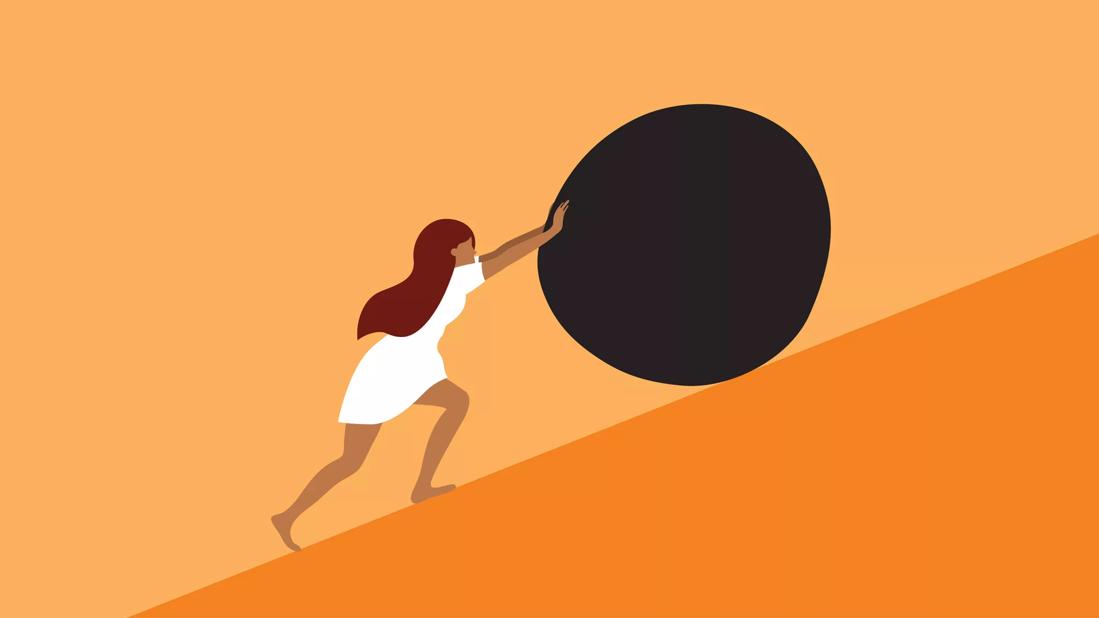
Ask a group of people whether weight loss is harder for women, and you may get a room full of nods, sighs, and one person dramatically pointing at a salad as if it personally betrayed them. The honest answer is: often, yes, it can be harder for women to lose weightbut not because women lack discipline, motivation, or a magical “try harder” button hidden somewhere under the couch cushions.
Weight loss is influenced by biology, hormones, body composition, sleep, stress, age, medical conditions, medications, environment, and daily habits. For many women, several of these factors stack together like a very rude game of Jenga. The good news? Understanding those factors can make weight management feel less mysterious, less frustrating, and much more realistic.
This article explains why women may face unique weight-loss challenges, what science says about metabolism and hormones, and how women can approach healthy weight management without falling into crash diets, guilt spirals, or wellness trends that sound like they were invented by a blender.
So, Is It Actually Harder for Women To Lose Weight?
In many cases, women do tend to lose weight more slowly than men, especially when comparing people of similar age and lifestyle. One major reason is body composition. On average, men usually have more lean muscle mass and less body fat than women of the same age and weight. Muscle tissue uses more energy than fat tissue, even at rest, so a person with more muscle often has a higher resting metabolic rate.
That does not mean women cannot lose weight. It means the process may require a different strategy, more patience, and a focus on preserving muscle, supporting hormones, sleeping well, and building habits that fit real life. In other words, women do not need a “smaller” version of a men’s weight-loss plan. They need a plan that respects female physiology.
Why Weight Loss Can Be More Complicated for Women
1. Women Often Have Less Muscle Mass
Muscle is not just for athletes, gym enthusiasts, or people who own intimidating tubs of protein powder. Muscle is metabolically active tissue. The more lean mass a person has, the more energy the body typically uses throughout the day. Because women generally carry less muscle mass than men, they may burn fewer calories at rest.
This is one reason strength training matters. It is not about becoming bulky or chasing a certain look. It is about protecting bone health, supporting metabolism, improving insulin sensitivity, and making everyday life easierfrom carrying groceries to surviving the emotional weight of assembling furniture with instructions written by chaos.
2. Hormones Influence Fat Storage and Appetite
Hormones help regulate hunger, fullness, energy use, menstrual cycles, pregnancy, menopause, and where the body tends to store fat. Estrogen, progesterone, insulin, thyroid hormones, cortisol, and other chemical messengers all play a role.
During different life stagespuberty, pregnancy, postpartum recovery, perimenopause, and menopausewomen may notice changes in appetite, energy, cravings, sleep, and body composition. These changes are real. They are not imaginary. They are also not a personal failure wrapped in yoga pants.
3. Menopause Can Change Body Composition
Many women notice that weight seems easier to gain and harder to lose during midlife. Menopause and the years leading up to it can bring lower estrogen levels, changes in sleep, mood shifts, hot flashes, and a gradual loss of muscle mass with age. Fat may also shift more toward the abdomen.
That does not mean menopause automatically causes major weight gain for everyone. Aging, activity level, sleep quality, food patterns, stress, and genetics all matter. But menopause can make the old “eat a little less and move a little more” advice feel painfully incomplete. A better approach includes strength training, protein-rich balanced meals, sleep support, stress management, and medical guidance when symptoms are disruptive.
4. PCOS, Thyroid Issues, and Other Conditions Can Matter
Some women face medical conditions that make weight management more challenging. Polycystic ovary syndrome, commonly called PCOS, is linked with insulin resistance and can affect weight, menstrual cycles, acne, hair growth, and fertility. Hypothyroidism can also contribute to fatigue and weight changes when thyroid hormone levels are low.
If weight changes come with symptoms such as irregular periods, unusual fatigue, hair thinning, feeling cold often, sudden changes in appetite, or rapid unexplained weight gain, it is worth talking with a healthcare professional. The answer may not be “try harder.” Sometimes the answer is “get the right labs, diagnosis, and care plan.”
5. Sleep and Stress Can Quietly Sabotage Progress
Sleep is not just a luxury. It affects hunger hormones, cravings, recovery, mood, and the energy needed to move during the day. When sleep is poor, the body may push harder for quick energy, which often shows up as snack cravings and a strong emotional attachment to pastries.
Stress also matters. Chronic stress can affect cortisol, emotional eating, sleep quality, and motivation. Many women also carry a large mental load: work, caregiving, household tasks, school responsibilities, relationships, and the invisible planning that keeps life from turning into a calendar-shaped tornado. Weight management advice that ignores stress is like giving someone a recipe while their kitchen is on fire.
What Actually Helps Women Lose Weight in a Healthy Way?
Focus on Strength, Not Just the Scale
The scale can give information, but it is not the whole story. A woman may lose fat, gain muscle, reduce waist size, improve blood pressure, sleep better, and feel stronger while the scale moves slowly. That is still progress.
Strength training two or more days per week is a smart foundation for many adults. It helps preserve lean mass during weight loss and supports long-term maintenance. Activities can include resistance bands, bodyweight exercises, machines, free weights, or supervised beginner programs. The best plan is one that feels safe, realistic, and repeatable.
Build Meals Around Nourishment
A healthy weight-loss approach should not feel like punishment served on a tiny plate. Balanced meals usually include vegetables or fruit, a satisfying protein source, fiber-rich carbohydrates, and healthy fats. This combination helps support fullness, energy, and stable eating patterns.
Instead of asking, “How little can I eat?” a better question is, “What can I eat that supports my body and keeps me satisfied?” The first question leads to misery. The second one leads to meals that do not make you stare sadly into the refrigerator at 10 p.m.
Choose Sustainable Movement
Regular physical activity supports weight management, heart health, mood, sleep, and blood sugar control. For many adults, a useful target is at least 150 minutes of moderate-intensity aerobic activity each week, plus muscle-strengthening activity at least two days weekly.
That can include brisk walking, cycling, dancing, swimming, hiking, fitness classes, or chasing a dog who has stolen something suspicious. Movement does not have to be fancy. It has to be consistent enough to become part of life.
Avoid Crash Diets
Fast weight-loss plans can be tempting, especially when social media promises dramatic results with the confidence of a person selling moon cheese. But overly restrictive diets can increase hunger, reduce energy, make exercise harder, and contribute to muscle loss. They can also create an unhealthy relationship with food.
Slow, steady, medically appropriate changes are usually more sustainable. A healthy plan should include enough food, flexibility, and enjoyment. Nobody needs to fear birthday cake like it is a villain in a superhero movie.
Why Women Should Not Blame Themselves
The phrase “calories in, calories out” is technically part of weight change, but it is often oversimplified. Bodies are not calculators with ponytails. Energy balance is affected by metabolism, hormones, muscle mass, medication, sleep, stress, medical conditions, food access, time, culture, income, and environment.
For example, a woman working long hours, sleeping poorly, managing family responsibilities, and dealing with perimenopause is not operating in the same situation as someone with flexible time, strong social support, and no hormonal symptoms. Context matters.
This is why compassion is not optional. It is practical. Shame rarely creates lasting health changes. Support, structure, and realistic habits work much better.
Specific Examples: What Progress Can Look Like
Example 1: The Busy Professional
A 38-year-old woman works full time, commutes, and often skips breakfast. By evening, she is starving and ends up eating whatever is fastest. Her solution is not a dramatic detox. A more realistic plan might include preparing simple breakfast options, keeping balanced lunches available, walking during breaks, and adding two short strength sessions each week.
Example 2: The Perimenopause Puzzle
A 47-year-old woman notices belly weight, poor sleep, and less energy. She has not changed much, but her body feels different. A helpful approach may include talking with a clinician about menopause symptoms, prioritizing resistance training, adjusting meal timing, limiting late-night snacking, and protecting sleep routines.
Example 3: The PCOS Roadblock
A woman with irregular cycles and stubborn weight gain may discover she has PCOS. For her, weight management may require medical evaluation, blood sugar support, consistent meals, strength training, and a care plan tailored to her symptoms. The key is not blame. The key is getting answers.
of Real-Life Experiences: What Women Often Notice
Many women describe weight loss as less of a straight road and more of a hiking trail with surprise hills, weird weather, and a squirrel judging your snack choices. One common experience is doing “everything right” for a few weeks and seeing only a small change on the scale. That can feel discouraging, especially when a male partner or friend drops weight quickly after making one tiny change, such as switching from soda to water. Meanwhile, a woman may be planning meals, walking daily, lifting weights, sleeping better, and still wondering whether her scale has joined a union.
Another common experience is the midlife shift. A woman may eat the same foods and move the same amount as she did in her 30s, only to find that her body responds differently in her 40s or 50s. Clothes may fit differently, recovery may take longer, and sleep may become lighter. This can be frustrating because the old tricks no longer work. The helpful lesson is that the body is not broken; it is changing. The plan has to change with it.
Women also often notice that emotional labor affects health habits. A mother may plan everyone’s appointments, meals, school events, and family needs, then realize she has not had a quiet lunch in three days. A college student may balance classes, work, social pressure, and body image stress. A caregiver may put her own movement, sleep, and meals last because someone else always needs something first. In these situations, weight management is not only about food. It is about boundaries, support, time, and energy.
Some women find that strength training changes their relationship with weight loss. Instead of chasing a smaller number, they begin noticing stronger legs, better posture, improved mood, easier grocery trips, and more confidence. The scale may still matter for medical reasons, but it becomes one tool rather than the boss of the entire operation.
Another real experience is learning that consistency beats perfection. A woman may have a week with takeout, missed workouts, poor sleep, and stress. In the past, she might have thought, “I ruined everything.” A healthier mindset says, “That was a hard week. What is one supportive choice I can make today?” This shift matters. Long-term progress is built from returning to helpful habits, not from living perfectly.
The most powerful experience many women report is relief: relief when they understand that hormones, muscle mass, stress, sleep, and medical conditions can influence weight; relief when they stop blaming themselves; and relief when they build a plan that supports health instead of punishing the body. Weight loss may be harder for many women, but harder does not mean impossible. It means the strategy needs to be smarter, kinder, and built for real life.
Conclusion: Harder Does Not Mean Hopeless
So, is it really harder for women to lose weight? Often, yes. Women may face biological and lifestyle factors that make weight loss slower or more complicated, including lower average muscle mass, hormonal shifts, menopause, sleep disruption, stress, PCOS, thyroid issues, and caregiving demands.
But the answer is not extreme dieting, guilt, or chasing someone else’s results. The best approach is health-centered: build muscle, eat balanced meals, move regularly, sleep enough, manage stress, and seek medical guidance when symptoms suggest something deeper is going on.
Note: This article is for general educational purposes and is not a substitute for personal medical advice. Anyone with unexplained weight changes, a history of disordered eating, pregnancy-related questions, menstrual changes, or medical conditions should talk with a qualified healthcare professional.