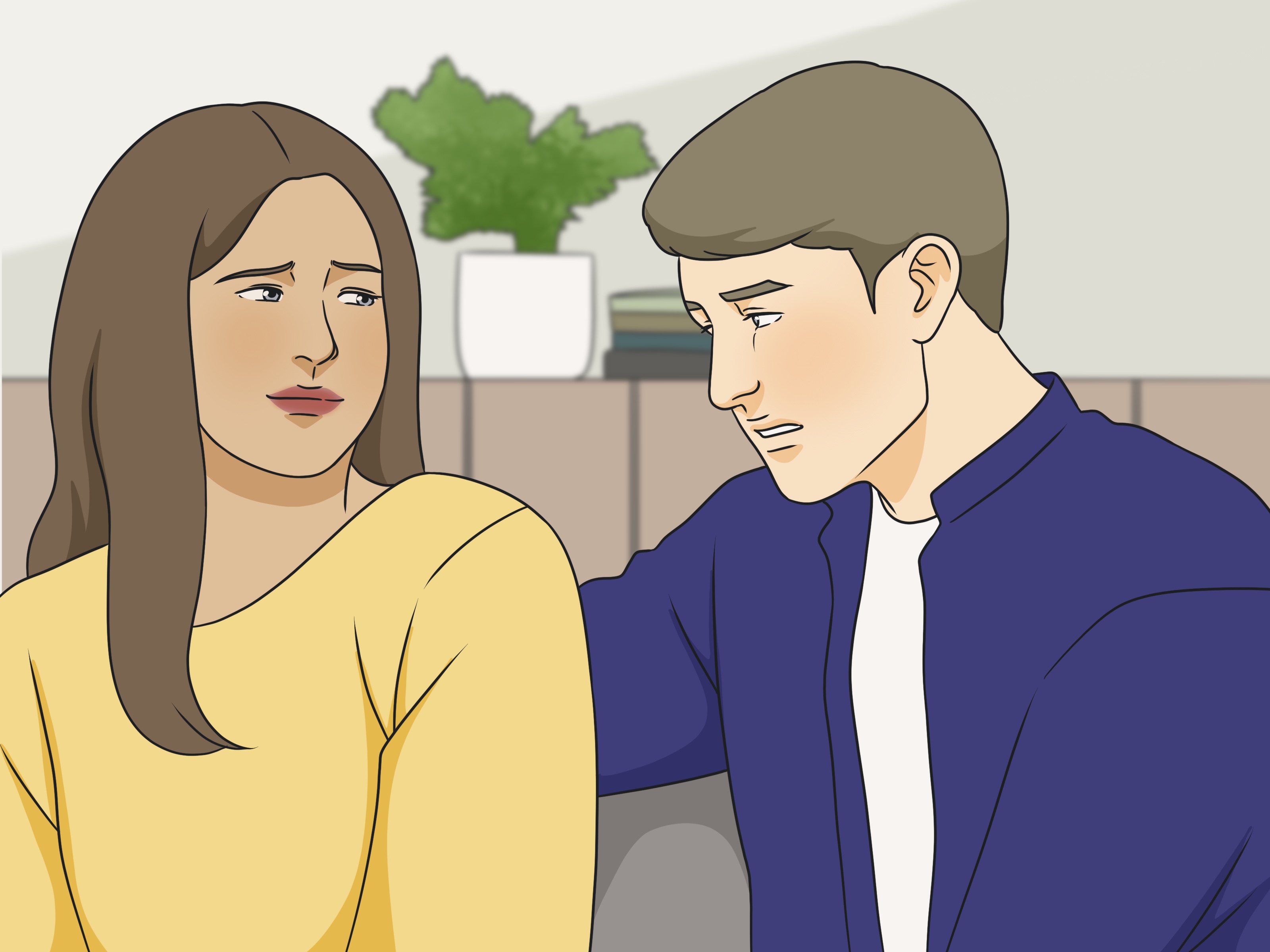
Few mysteries in modern life are as intense as wondering, “Is she mad at me?” Your phone is quiet. Her replies have shrunk from warm paragraphs to “k.” She says she is “fine,” but somehow the room temperature has dropped twelve degrees. You begin replaying every word, joke, emoji, and suspiciously delayed text like a detective in a low-budget relationship thriller.
The truth is, she might be upset. She might also be tired, stressed, hungry, overwhelmed, distracted, or mentally composing an email to her boss. The goal is not to panic, interrogate her, or ask “Are you mad?” every seven minutes until she becomes mad. The goal is to notice real signs, approach the situation with emotional maturity, and repair the connection without making it all about your anxiety.
This guide breaks down the common signs she may be mad at you, what those signs can mean, and how to fix the issue with respect, humor, accountability, and actual listening. Yes, actual listening. Not the kind where you wait for your turn to explain why you are technically innocent.
Is She Mad at You or Just Having a Bad Day?
Before you assume you are in trouble, pause. A change in mood does not always mean you did something wrong. People have lives outside the relationship: work stress, family drama, hormonal shifts, poor sleep, financial worries, friendship issues, and the emotional violence of opening the fridge and finding no snacks.
Instead of jumping straight to “she hates me,” ask yourself: Has something changed between us, or does she seem generally overwhelmed? Did I recently say or do something hurtful? Has she directly mentioned feeling ignored, dismissed, embarrassed, or unappreciated? A single short text is not a guilty verdict. A pattern of distance, irritability, avoidance, and emotional shutdown may be worth addressing.
Common Signs She Might Be Mad at You
1. Her Communication Suddenly Changes
If she normally sends thoughtful replies, jokes, updates, or affectionate messages, and now she answers with one-word texts, something may be off. Short replies like “okay,” “sure,” “whatever,” or the legendary “fine” can signal frustration, especially when paired with a colder tone.
That said, do not treat every brief message like a national emergency. Look for patterns. If her communication has changed after an argument, a canceled plan, a forgotten promise, or a careless comment, she may be pulling back because she feels hurt.
2. She Says “Nothing” When Something Clearly Feels Wrong
When you ask what is wrong and she says “nothing,” she may genuinely not be ready to talk. Some people need time to process their emotions before they can explain them. Others say “nothing” because they fear conflict, expect defensiveness, or believe the conversation will go nowhere.
The worst response is usually, “Obviously it’s not nothing.” That may be accurate, but it also sounds like you are cross-examining a witness. Try something calmer: “I may be reading this wrong, but you seem upset. I care about you, and I’m here when you’re ready to talk.”
3. She Avoids Eye Contact or Physical Affection
If she is usually affectionate but suddenly avoids hugs, kisses, hand-holding, or sitting close to you, she may feel emotionally distant. Physical distance can be a sign that she needs space, feels disappointed, or does not want to pretend everything is normal.
Do not demand affection as proof that things are okay. Instead, respect the distance and focus on emotional safety. A gentle question works better than a dramatic sigh from across the couch.
4. Her Body Language Is Closed Off
Crossed arms, turning away, tense facial expressions, clipped movements, or unusually quiet behavior can suggest discomfort. Body language is not a mind-reading device, but it often reveals emotional tension before words do.
Pay attention without becoming a surveillance camera. The point is not to “catch” her being mad. The point is to notice tension and create a respectful opening for conversation.
5. She Becomes Sarcastic or Passive-Aggressive
Passive-aggressive comments often show up when someone is upset but does not feel safe, ready, or willing to speak directly. You might hear lines like, “No, it’s fine, I love being ignored,” or “Wow, you actually remembered.” Translation: there is probably a real feeling underneath the sarcasm wearing a tiny disguise.
Do not match sarcasm with sarcasm unless your goal is to turn a small issue into a relationship bonfire. Instead, respond to the feeling beneath it: “That sounded like I hurt you. I don’t want to dismiss it. Can we talk about what happened?”
6. She Stops Sharing Details About Her Day
When someone feels connected, they often share small things: funny moments, frustrations, random thoughts, gossip, plans, and tiny life updates. If she suddenly stops letting you into her world, she may be protecting herself emotionally.
This can happen when she feels unheard. If she has told you the same concern several times and nothing changed, silence may be her way of saying, “I am tired of repeating myself.” That silence deserves attention, not resentment.
7. She Is Irritable About Small Things
If she snaps over something minor, the issue may not really be the minor thing. The unwashed cup, late reply, or forgotten errand may be the visible tip of a much larger emotional iceberg. Usually, the deeper issue is feeling unimportant, unsupported, dismissed, or taken for granted.
Instead of arguing about whether the cup “technically” counts as yours, look for the emotional pattern. Is she upset about the cup, or is she upset because she feels like she is always cleaning up after you? Big difference.
8. She Avoids Plans or Seems Less Excited to See You
If she cancels plans, delays seeing you, or seems emotionally checked out during time together, she may be creating distance. This can happen when anger mixes with disappointment. She may want space, or she may be waiting to see whether you notice the problem without being handed a neon sign.
Again, context matters. One canceled plan may mean she is busy. A repeated pattern after a conflict may mean the relationship needs repair.
Why She Might Be Mad at You
Sometimes the reason is obvious. You forgot an important date, made a joke that landed badly, broke a promise, flirted with someone, ignored her feelings, or disappeared into your phone while she was talking. Other times, the reason is more subtle.
She may be upset because she feels like she always initiates plans. She may feel emotionally unsupported. She may believe you listen only when the issue becomes serious. She may be tired of explaining basic consideration. Or she may be reacting to a pattern, not a single event.
One of the biggest mistakes you can make is focusing only on your intention. “I didn’t mean to hurt you” may be true, but impact still matters. If you stepped on someone’s foot, you would not say, “Relax, my intention was neutral.” You would move your foot and apologize. Relationships work the same way, except the foot is emotional and somehow everyone is more dramatic.
What Not to Do When You Think She Is Mad
Do Not Interrogate Her
Asking “What’s wrong?” once is caring. Asking it fifteen times in different tones is pressure. If she needs time, give it. Emotional conversations go better when both people feel ready, not cornered.
Do Not Get Defensive Immediately
If she tells you what hurt her and your first response is a courtroom defense, she may stop opening up. Defensiveness says, “My innocence matters more than your pain.” Try listening first. You can share your perspective later.
Do Not Minimize Her Feelings
Lines like “You’re overreacting,” “It wasn’t a big deal,” or “You’re too sensitive” rarely calm anyone down. They usually make the person feel foolish for being honest. Even if you do not fully understand her reaction, you can still respect it.
Do Not Use the Silent Treatment Back
If she is quiet and you respond by becoming colder, now there are two people emotionally hiding behind a wall. Congratulations, you have built a duplex of resentment. Space can be healthy, but punishment silence is not repair.
How to Fix It: A Step-by-Step Repair Plan
Step 1: Calm Yourself Before You Start
If you approach her while anxious, angry, or desperate, the conversation may become about your panic instead of her feelings. Take a breath. Go for a short walk. Drink water. Remind yourself that conflict is not automatically a breakup alarm. Healthy couples have disagreements; what matters is how they handle them.
Step 2: Open Gently
Use a soft start instead of an accusation. Try: “I feel like something has been off between us, and I want to understand if I hurt you.” This is very different from, “Why are you acting weird?” One invites honesty. The other invites a new problem.
A good opening focuses on your observation, your care, and your willingness to listen. Keep it simple. No speeches. No dramatic monologues in the rain unless you are in a movie and the lighting is excellent.
Step 3: Listen Without Building a Defense Strategy
When she explains, listen for the emotion underneath the details. Maybe the issue is not just that you were late. Maybe she felt embarrassed waiting alone. Maybe she felt like her time did not matter. Maybe the lateness reminded her of a larger pattern.
Try reflecting back what you hear: “So when I didn’t update you, it made you feel like I wasn’t considering you.” That sentence can do more good than ten paragraphs explaining traffic.
Step 4: Validate Her Feelings
Validation does not mean you agree with every detail. It means you understand that her feelings are real. You can say, “I can see why that hurt,” or “That makes sense from your perspective.” This helps lower emotional defenses and shows that you are not treating the conversation like a debate tournament.
Step 5: Apologize Specifically
A weak apology sounds like, “Sorry if you felt that way.” A stronger apology sounds like, “I’m sorry I dismissed your concern yesterday. I can see how that made you feel unimportant.” Specific apologies show that you understand what happened and are not just tossing the word “sorry” into the air like relationship confetti.
Good apologies usually include regret, responsibility, and a plan to do better. The plan matters. If you apologize beautifully and repeat the same behavior next week, the apology becomes decorative.
Step 6: Ask What Repair Would Look Like
Do not assume you know what she needs. Ask: “What would help you feel better about this?” or “What can I do differently next time?” Sometimes she may want reassurance. Sometimes she may want changed behavior. Sometimes she may want time. Sometimes she may want you to finally stop leaving wet towels on furniture like a confused raccoon.
Step 7: Follow Through
Repair is not complete when the conversation ends. It is complete when your actions become more trustworthy. If the issue was poor communication, send updates. If the issue was broken promises, keep them. If the issue was emotional dismissiveness, practice slowing down and listening before reacting.
Trust is rebuilt through repeated evidence. Small consistent actions are more powerful than one giant apology bouquet, although flowers are not illegal.
Helpful Phrases to Use When She Is Mad
Use words that reduce pressure and increase safety. Here are a few examples:
- “I care about you, and I want to understand what happened.”
- “I’m not here to argue. I want to listen.”
- “I can see why that hurt you.”
- “You’re right that I could have handled that better.”
- “I’m sorry for what I did, not just for how it turned out.”
- “What would help us move forward?”
- “Can we take a short break and come back to this calmly?”
The magic is not in memorizing perfect lines. The magic is in meaning them. If your tone says “please hurry up and stop being upset,” the words will not save you.
When to Give Her Space
Space can be healthy when emotions are high. If she says she needs time, respect that. You can say, “I understand. I’ll give you space, and I’m here when you’re ready.” That is mature. Sending fourteen follow-up texts and a sad playlist is less mature.
However, space should not become endless avoidance. If days pass with no conversation and the issue remains unresolved, gently revisit it. A relationship cannot heal if both people keep pretending the problem is a decorative houseplant.
When Her Anger Points to a Bigger Problem
Sometimes the issue is not one argument. It is a pattern. If she often feels unheard, if you often feel attacked, or if every small disagreement turns into a major fight, the relationship may need better communication habits.
Repeated cycles of criticism, defensiveness, withdrawal, and resentment can wear down affection. In that case, the solution is not one apology. It is a new way of handling conflict. Couples counseling, relationship education, or honest weekly check-ins can help if both people are willing.
Also, be honest about unhealthy dynamics. If anger includes threats, intimidation, humiliation, controlling behavior, or fear, that is not normal conflict. Emotional safety matters. Love should not require walking on eggshells every day.
How to Prevent the Same Fight Next Time
Create Regular Check-Ins
Do not wait until resentment grows teeth. Set aside time to ask, “How are we doing?” or “Is there anything we should talk about before it becomes bigger?” Regular check-ins make hard conversations less scary because they become part of the relationship, not emergency surgery.
Notice Her Bids for Attention
If she shares something small, respond. If she reaches for affection, be present. If she tells you about her day, do not stare into your phone like it contains the secrets of the universe. Small moments of attention build emotional security.
Keep Promises, Even Small Ones
Reliability is romantic. Remembering what you said you would do sends the message, “You matter enough for me to follow through.” Forgetting again and again sends a different message, even if you did not mean it that way.
Repair Early
Do not wait for the perfect speech. If you notice tension, make a small repair attempt: “That came out wrong,” “Can I try again?” or “I don’t want us to fight. I love you.” Small repairs can stop a disagreement from becoming a full emotional weather event.
Real-Life Experience: What This Looks Like in Practice
Imagine this: You and your girlfriend planned dinner on Friday. You got busy, forgot to confirm, and then showed up twenty minutes late. You walked in cheerful, expecting everything to be fine because, in your mind, you still arrived. But she was quiet. Her answers were short. She smiled at the waiter more warmly than she smiled at you, which felt personally devastating.
Your first instinct might be to say, “Why are you mad? I’m here, aren’t I?” That response would probably go poorly. It focuses on your intention and ignores her experience. From her side, she got ready, waited, wondered whether the plan still mattered, and felt like an afterthought. The lateness was not just lateness. It was a message, even if you did not mean to send it.
A better response would be: “I’m sorry I didn’t confirm and then showed up late. I can see how that made you feel like this wasn’t important to me. It was careless, and I’ll communicate better next time.” Notice how this apology does not include a dramatic traffic documentary. It takes responsibility first.
Or imagine she seems distant after you made a joke at a party. You thought it was harmless. She felt embarrassed. Instead of saying, “Everyone knew I was joking,” try, “I didn’t realize that joke embarrassed you, but I understand why it did. I’m sorry. I won’t make you the punchline like that again.” That is repair. That is maturity. That is also how you avoid sleeping next to a human ice sculpture.
Another common scenario: She keeps asking for more help around the house. You say, “Just tell me what to do,” thinking you are being cooperative. But she becomes more annoyed. Why? Because she may not want to manage you like a tiny unpaid supervisor. She may want you to notice what needs doing and take initiative. In that case, the fix is not another promise to “help.” The fix is creating a shared plan and owning tasks fully.
In real relationships, the most powerful repairs are usually boring in the best way. You text when you are running late. You remember the thing she said mattered. You put your phone down. You apologize without a legal defense. You ask follow-up questions. You stop doing the thing you apologized for. None of this requires a violin soundtrack. It requires consistency.
Here is another experience many couples recognize: after a disagreement, both people wait for the other to make the first move. Hours pass. Then a day. Pride starts wearing a crown. Nobody wants to “lose.” But healthy repair is not losing. It is choosing the relationship over the scoreboard. A simple “I hate that we feel distant. Can we talk?” can reopen the door.
Sometimes, fixing it also means accepting that she may not forgive you instantly. That does not mean your apology failed. It means trust may need time. If you hurt her, she gets to have a process. Your job is not to rush her healing so you can feel less guilty. Your job is to be patient, respectful, and consistent.
And yes, sometimes you may discover she is not mad at you at all. She may be exhausted, anxious, stressed, or dealing with something private. In that case, your calm support still matters. “I’m here if you need me” is better than making her mood about your fear. Emotional maturity means caring without demanding immediate reassurance.
The best lesson from all of this is simple: do not treat her anger like an enemy. Treat it like information. Anger often points to a need, a hurt, a boundary, or a pattern that deserves attention. If you can listen without crumbling, apologize without performing, and change without being dragged, you become safer to love. That is attractive in a way no pickup line can compete with.
Conclusion
So, is she mad at you? Maybe. Look for patterns: colder communication, less affection, sarcasm, avoidance, irritability, or emotional distance. But do not guess forever. Approach her gently, listen carefully, validate her feelings, apologize specifically, and follow through with changed behavior.
Conflict does not have to damage a relationship. Handled well, it can reveal what matters, where trust needs repair, and how both of you can love each other better. The goal is not to never upset each other. That is impossible unless you are dating a houseplant. The goal is to notice disconnection early and care enough to fix it.
If you remember one thing, make it this: being right is not the same as being connected. Choose connection. Then maybe, just maybe, the next “fine” will actually mean fine.