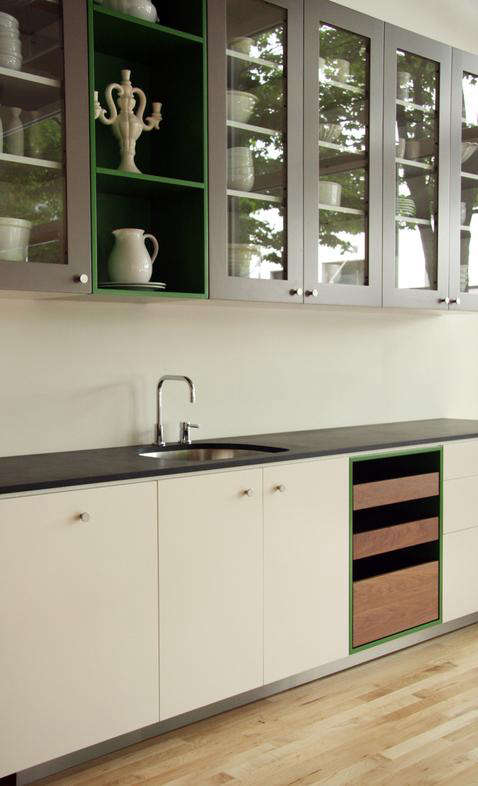
Some kitchens whisper. Some kitchens shout. And then there are kitchens like the Viola Park Kitchen System, which somehow manage to do both at once: calm enough to feel architectural, clever enough to make you stop mid-sandwich and say, “Wait, is that a knife block built into the backsplash?” That is the special trick here. Viola Park was conceived as a kitchen system for people who wanted more polish than flat-pack basics but less drama, expense, and blood-pressure-spiking decision fatigue than a fully custom kitchen overhaul.
In other words, it aimed for a very sweet spot in the market: a kitchen that felt designed, not merely assembled; tailored, not tyrannical; modern, but not so aggressively futuristic that it looked like it belonged on a spaceship with a Sub-Zero habit. Even years after its debut, the Viola Park approach still feels surprisingly relevant because it focused on what good kitchens always need: flexible modules, disciplined storage, smart materials, and a layout that supports real life rather than a fantasy life in which no one owns a toaster.
What Is the Viola Park Kitchen System?
The Viola Park Kitchen System was introduced as a modular, design-forward line developed in the Henrybuilt orbit, created to bridge the gap between budget cabinetry and high-end bespoke kitchen systems. That middle ground was, and still is, where many homeowners live. They want thoughtful design and durable craftsmanship, but they do not always want to refinance their soul to get it.
What made Viola Park interesting was not just the cabinetry itself, but the logic behind it. The system leaned on standardized components that could be mixed and matched, giving buyers a more controlled and approachable path to a high-design kitchen. At the same time, those components were paired with refined detailing, quality hardware, appealing finishes, and a surprisingly sophisticated set of functional add-ons. The result was a kitchen system that felt edited. Not stripped down. Edited. There is a difference, and anyone who has ever overbought cabinet accessories at a showroom knows it.
Why Viola Park Stood Out
1. It made modular feel upscale
Plenty of modular systems are practical. Fewer are beautiful. Viola Park helped show that modular kitchen design did not have to mean visual compromise. It used a restrained vocabulary of forms and finishes, which gave the whole system a coherent look. Instead of feeling like a bunch of boxes lined up along a wall, it felt like a composed interior.
That distinction matters. In a kitchen, repetition can either create harmony or boredom. Viola Park’s proportions, material choices, and integrated details helped the repetition read as architecture rather than office storage wearing an apron.
2. It respected the existing home
One of the most appealing ideas behind the system was that it could work with the particular design of an existing kitchen without demanding a massive, theatrical reconstruction. That is a big deal. Not every renovation calls for knocking down walls, relocating plumbing, and holding a family meeting about pendant lights. Sometimes the smarter move is to improve the bones you already have.
Viola Park’s modular strategy made that easier. It was not just about buying cabinets. It was about creating a better-fitted, better-performing kitchen without turning the house into a six-month construction zone where the microwave temporarily lives in the laundry room.
3. It mixed beauty with real utility
This is where Viola Park earned its keep. The system became known for practical features that did not look clunky or apologetic. Integrated shelf details, inset storage, flexible islands, and under-counter organization all reinforced the idea that function could be elegant. That sounds obvious, but kitchen history is filled with clumsy gadgets that prove otherwise.
The Design Language: Modern Shaker, Warm Minimalism, and No Nonsense
Visually, Viola Park occupied a very appealing middle lane. It was neither overly ornate nor clinically severe. The look is often described as having a modern Shaker sensibility, and that phrase fits. Shaker-inspired forms remain popular because they are disciplined without feeling stiff. They work in traditional homes, modern homes, transitional homes, and even the homes of people who insist they “don’t really have a style” while owning seven matching ceramic canisters.
Viola Park’s version of that sensibility felt warmer than the ultra-slick European kitchens that dominated many design conversations at the time. Wood tones, subtle color accents, and tactile materials gave the system livability. In some featured installations, materials such as rift-cut oak, PaperStone, and Corian created a palette that felt modern but not icy. That balance is one reason the kitchens still photograph well today. They are clean, but they do not feel allergic to humans.
The broader lesson is simple: kitchen design ages best when it privileges proportion, utility, and restraint over trend-chasing theatrics. Viola Park understood that. It knew the star of the kitchen should be the space itself, not a cabinet door trying to win a talent show.
How the System Worked in Practice
Flexible modules
The core appeal of the Viola Park Kitchen System was its use of standardized, mix-and-match modules. This gave homeowners a way to customize without wandering into endless-option paralysis. A good modular system creates enough choice to solve a problem, but not so much choice that you end up researching toe-kick finishes at 1:00 a.m. with the haunted stare of a person who has seen too many samples.
That modular mindset also aligns with one of the smartest principles in home organization: systems should adapt to your habits rather than force you into somebody else’s idea of ideal living. If your kitchen relies heavily on closed storage, deep drawers, and concealed appliances, the cabinetry should support that. If you love display space, the system should incorporate it without turning every everyday object into a decorative burden.
Smart islands and storage details
Viola Park’s islands were especially clever. They were available in both mobile and stationary formats and included options such as open shelving, in-counter modules for food items like bread or onions, and under-counter pivot storage boxes. Those details sound small, but they address one of the biggest kitchen headaches: the counter as accidental junkyard.
Anyone designing a hardworking kitchen quickly discovers that the battle for clear surfaces is never truly won; it is merely managed. Viola Park leaned into that reality with accessories that preserved worktop space while keeping tools close at hand. Built-in knife storage, integrated food bins, and under-counter compartments all helped move useful items off the surface without burying them in some cabinet abyss last visited in 2019.
The backsplash that actually earned its paycheck
One of the system’s standout details was an integrated backsplash accessory that combined a narrow stainless steel shelf with a wood knife block. It is the kind of feature that makes practical and visual sense at the same time. The shelf creates easy access for oils, spices, or cooking tools, while the knife block reclaims counter space and adds a warm material moment to what might otherwise be a dead zone.
That idea still feels fresh because today’s best kitchen storage is increasingly vertical, integrated, and low-clutter. Instead of piling more objects on the counter, designers now favor hidden small-appliance storage, selective shelving, custom inserts, and purposeful ledges near work zones. Viola Park was ahead of that curve.
What Viola Park Gets Right About Kitchen Planning
A beautiful kitchen is nice. A kitchen that works at 7:15 a.m. when coffee is mandatory and everyone is in a hurry is better. Viola Park’s system approach supports several enduring principles of smart kitchen design.
Workflow matters
The classic work triangle still matters, even if modern kitchens often function more like zones than strict geometric diagrams. Sink, refrigerator, and cooking surface should relate to each other in a way that reduces bottlenecks. Viola Park’s emphasis on layout discipline and modular planning fits that goal well. The best systems are not just attractive; they help people move with less friction.
Landing space matters
Good kitchens also provide landing space near key appliances and prep areas. This is a boring phrase for a life-saving concept. You need places to set down groceries, sheet pans, coffee mugs, and the random lemon you were definitely using for something. Viola Park’s island strategy and integrated storage details help preserve that precious horizontal real estate.
Concealed storage matters
Open shelving has charm, but closed cabinetry is still the quiet hero of a functional kitchen. It hides visual noise, protects everyday items, and supports a calmer room. Viola Park used selective display moments, but its strongest ideas centered on hidden function: inserts, compartments, and storage built close to actual points of use. That is the stuff that makes a kitchen feel effortless, even when the person using it is making dinner from leftovers and optimism.
Who the Viola Park Kitchen System Is Best For
This kind of kitchen system makes the most sense for homeowners who want a refined modern kitchen without going fully bespoke. It especially suits people who value the following:
- Clean-lined cabinetry with warmth, not sterility
- Thoughtful built-in storage instead of countertop chaos
- A modular design process with more control and less overwhelm
- Flexible islands and accessories that improve day-to-day workflow
- A kitchen that feels custom in spirit, even if not custom in every millimeter
It is also a strong conceptual fit for smaller urban kitchens and remodels where maximizing function matters as much as maximizing style. When every inch counts, integrated details stop being luxuries and start becoming survival tools.
Potential Drawbacks to Consider
No kitchen system is magic, and Viola Park’s strengths come with a few tradeoffs. A modular system, by nature, is more constrained than full custom work. That is often a benefit, but it can limit extreme personalization. Shoppers looking for unusual proportions, one-off detailing, or highly specific material combinations may still prefer fully custom cabinetry.
There is also the question of price. Viola Park was designed to be more accessible than top-tier custom kitchen systems, but “more accessible” in design-world language does not always mean cheap. It means more rational for the value. That distinction is important. Buyers were paying for better design intelligence, better detailing, and better manufacturing than typical entry-level systems provide.
Still, for many homeowners, that middle position is exactly the point. The value of a kitchen is not just what it costs, but what it prevents: clutter, awkward workflow, wasted storage, regrettable trends, and the special misery of living with a kitchen that never quite fits how you cook.
Why Viola Park Still Feels Relevant
Even now, the ideas associated with the Viola Park Kitchen System feel current. The market continues to reward kitchens that combine calm aesthetics with hidden functionality. Homeowners want adaptable storage, durable surfaces, minimal visual clutter, and design that can survive more than one trend cycle. Viola Park anticipated that shift by emphasizing systems thinking over decoration-first thinking.
It also understood something many brands learn too late: people do not just buy kitchens. They buy relief. Relief from bad storage. Relief from wasted space. Relief from rooms that look pretty in photos but behave badly in real life. Viola Park’s best features were not gimmicks. They were thoughtful answers to annoying everyday problems.
Experience: What It Feels Like to Live with a Viola Park-Style Kitchen
Now let’s talk about the part brochures rarely capture well: the experience. Because the real test of a kitchen is not how it behaves in a showroom under flattering lighting. It is how it behaves on a Tuesday when someone is making eggs, somebody else is hunting for coffee, and a third person has decided that the kitchen island is the ideal place to spread out mail, headphones, and a single sock for reasons known only to chaos.
A Viola Park-style kitchen tends to feel calm in those moments. Not because life becomes magically organized, but because the system gives disorder fewer places to take root. The integrated storage details are especially important here. Knives are not squatting on the countertop in a chunky block. Onions and bread do not end up in an awkward bowl-and-bag arrangement. Small tools are near the work zone instead of lost in a drawer full of mystery clips and one heroic rubber band.
The island becomes the social and practical center of the room. In a well-planned setup, it is where prep happens, where groceries land, where someone leans with a glass of wine and says they are helping while contributing mostly moral support. If the island is mobile or visually light, the room keeps a certain agility. It does not feel nailed into one rigid identity. That flexibility changes the mood of the kitchen. The space feels ready for both quiet weekday cooking and casual weekend gathering.
There is also a tactile pleasure to this kind of kitchen. Warm wood, matte surfaces, restrained hardware, and slim shelving make everyday use feel a bit more intentional. You notice where your hand lands. You notice that opening a drawer is easy, that the tools you need are actually where they should be, that the backsplash is doing more than just existing decoratively behind a saucepan. Good design often shows up as reduced irritation, which may not sound glamorous, but honestly, reduced irritation is one of adulthood’s finest luxuries.
Most of all, living with a kitchen like this means living with a room that does not ask for constant visual forgiveness. Many kitchens feel busy before you even start cooking. A Viola Park-style kitchen feels edited from the start. That makes the whole room easier to reset at the end of the day. Wipe the counters, return a few things to their designated homes, and the kitchen is handsome again in minutes. No dramatic recovery operation required. No cabinet acrobatics. No negotiation with a forest of small appliances.
That, in the end, may be the most compelling experience of all: the sense that the kitchen is working with you instead of against you. And in a room used this often, that kind of quiet cooperation is not just nice. It is design gold.
Conclusion
The Viola Park Kitchen System remains a smart reference point in the conversation about modern kitchen design because it proved a kitchen could be modular without looking generic, practical without feeling dull, and streamlined without becoming cold. Its appeal lives in the details: edited forms, warm materials, purposeful storage, and a layout philosophy that respects how people actually cook and live. Whether you are researching the original system, borrowing ideas for a remodel, or simply admiring a kitchen that knows how to keep its cool, Viola Park offers a valuable lesson: the best kitchens are not the loudest ones. They are the ones that make daily life run better while looking effortlessly composed.