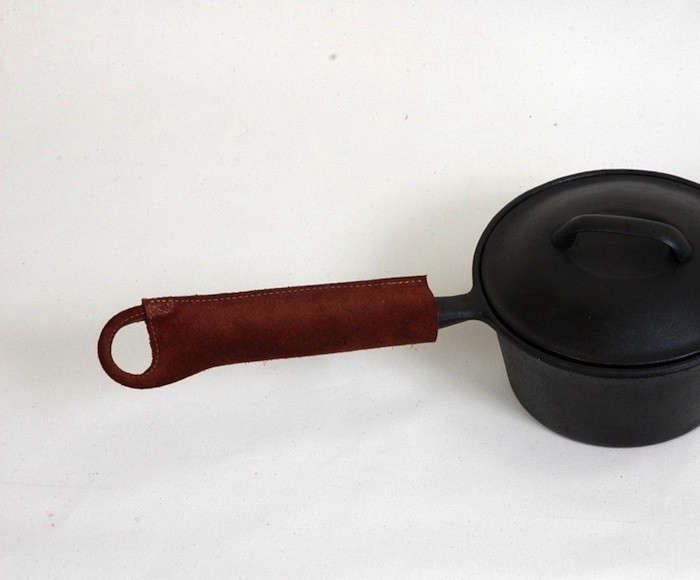
Some kitchen tools shout for attention. A copper pot gleams like it has its own lighting crew. A stand mixer sits on the counter like a small domestic statue. And then there is the humble pot holder, quietly saving your fingers from becoming part of tonight’s dinner. But when that pot holder is made from leather, stitched by hand, and crafted in Maine, it becomes much more than a square of protection. It becomes a small piece of practical art.
Leather pot holders, handmade in Maine, bring together three things home cooks love: function, durability, and character. They protect hands from hot pan handles, help shield countertops from warm cookware, and add a rugged, coastal-New England charm to the kitchen. Unlike thin cotton pads that flatten after a few months or silicone mitts that can feel bulky and awkward, a well-made leather pot holder has the easy confidence of a tool designed to work hard and age well.
Maine has a long tradition of makers who understand materials that need to perform: canvas for boat bags, wool for cold weather, wood for everyday utility, and leather for gear that should last. A handmade leather pot holder fits right into that world. It is not fussy. It is not disposable. It is the kind of kitchen accessory that looks better after a few years of real use, which is wonderful news for anyone whose cooking style includes “enthusiastic” splashes of olive oil.
What Makes Leather Pot Holders Special?
A leather pot holder is exactly what it sounds like: a heat-protective kitchen tool made from leather, often full-grain leather, suede, or oil-tanned leather. Some are square, some are round, and others are designed as pan handle sleeves. Handmade versions may include reinforced stitching, hanging loops, layered construction, or a soft underside for better grip.
The beauty of leather is that it balances toughness with flexibility. It can be thick enough to protect your hand yet supple enough to wrap around a cast iron skillet handle. That matters in real kitchens, where hot pans rarely sit politely and wait for perfect handling. A leather pot holder gives you traction, grip, and a little confidence when moving a bubbling casserole or lifting a Dutch oven lid.
Leather Has Natural Grip
One of the biggest advantages of leather is control. Smooth kitchen towels can slip. Some oven mitts feel like wearing winter gloves while trying to defuse a tiny culinary bomb. Leather, especially suede or textured leather, grips cookware better because the surface has more friction. That makes it useful for cast iron pans, stainless steel handles, baking sheets, and ceramic dishes.
Leather Ages Beautifully
Many kitchen textiles get sad with age. They fade, fray, stain, and eventually become “the one we only use when everything else is in the laundry.” Leather takes a different path. With normal use, it develops a patinaa deeper color, softer feel, and lived-in appearance. A handmade leather pot holder can go from brand-new and tidy to warm, seasoned, and full of personality.
Leather Looks Good Enough to Leave Out
Let’s be honest: many pot holders are not exactly design objects. Some look like they were decorated during a nationwide rooster emergency. Leather pot holders are different. Their natural tonestan, chestnut, espresso, black, and warm caramelfit beautifully into farmhouse kitchens, modern kitchens, cabin kitchens, and minimalist spaces. Hang one beside a cast iron pan, and suddenly your kitchen looks like it knows how to bake bread from scratch, even if breakfast was cereal eaten over the sink.
Why Handmade in Maine Matters
“Handmade in Maine” is more than a nice phrase for a product label. It points to a regional tradition of small-scale production, material knowledge, and craftsmanship shaped by practical living. Maine makers often build goods with the outdoors in mind: weather, salt air, cold mornings, working hands, and long use. That approach suits leather pot holders perfectly.
A handmade kitchen item also carries small details that mass-produced versions often skip. The edges may be burnished by hand. The stitching may be placed for strength rather than speed. The leather may be selected for thickness, texture, and flexibility. The loop may be positioned so the pot holder hangs naturally instead of flopping around like a tired pancake.
Many Maine artisans work in small studios rather than large factories. That means each piece can have slight variations in grain, tone, and finish. These differences are not flaws; they are part of the appeal. A handmade leather pot holder is not trying to look identical to 40,000 other kitchen accessories. It is trying to be useful, beautiful, and honest.
The Maine Kitchen Aesthetic: Rugged, Warm, and Useful
Leather pot holders feel especially at home in a Maine-inspired kitchen. Picture a wood table, a cast iron skillet, stoneware mugs, a linen towel, and a leather pot holder hanging from a brass hook. Nothing feels overdecorated. Everything looks like it has a job.
This is where Maine-made design shines. It often leans toward quiet quality rather than flash. A handmade leather pot holder does not need a loud pattern or trendy slogan. Its appeal comes from the material itself: the grain, the stitching, the edges, and the way it feels in the hand. It is the kitchen version of a well-worn leather bootdependable, handsome, and ready for actual work.
Best Uses for Leather Pot Holders
A leather pot holder can do more than rescue a hot pan from the oven. It is a versatile kitchen tool that earns its space quickly.
Handling Cast Iron
Cast iron is beloved for searing, baking, roasting, and generally making dinner taste more serious. It is also famous for one tiny personality flaw: the handle gets extremely hot. A leather pot holder is excellent for gripping cast iron skillet handles, especially when the leather is thick, layered, or shaped as a handle sleeve.
Protecting Counters and Tables
Some leather pot holders can double as hot pads or trivets. Place one under a warm pan, tea kettle, or serving dish to help protect wood, stone, or laminate surfaces. For very hot cookware straight from the oven, use caution and check the maker’s heat guidance. Leather is heat-resistant, but it is not magic. Even Maine craftsmanship cannot negotiate with a 500-degree pizza stone forever.
Opening Tight Jar Lids
The grip that makes leather helpful with cookware also makes it surprisingly useful for stubborn jars. Wrap the pot holder over the lid, twist, and enjoy that tiny victory. It may not fix your entire day, but it will open the pickles.
Serving at the Table
A leather pot holder can look polished enough to bring directly to the table under a small skillet, baked brie dish, or teapot. It adds texture and warmth to the tablescape without looking overly styled. That is especially useful for casual entertaining, where you want the table to look inviting but not like a magazine shoot that nobody is allowed to touch.
Leather vs. Cotton, Silicone, and Wool Pot Holders
Every pot holder material has strengths. The best choice depends on how you cook, what you value, and whether you regularly remove heavy pans from the oven while pretending everything is under control.
Leather Pot Holders
Leather offers strong grip, durability, and attractive aging. It is ideal for cast iron, rustic kitchens, and cooks who like tools that feel substantial. It should generally be kept dry and cleaned gently. Leather is not usually machine washable, so it requires a little more care than cotton.
Cotton Pot Holders
Cotton pot holders are common, affordable, and washable. They come in endless patterns and are easy to replace. However, thin cotton can compress over time, and wet cotton transfers heat quickly. A damp cotton pot holder is basically a betrayal wearing fabric.
Silicone Pot Holders
Silicone is heat-resistant, waterproof, and easy to rinse clean. It works well for messy cooking. The downside is feel. Some silicone mitts and pads can be stiff, bulky, or slippery when greasy. They are practical, but they rarely develop the charm of a leather piece.
Wool Pot Holders
Wool has natural insulating properties and a cozy handmade look. Felted wool pot holders can be beautiful and effective. They may not grip as firmly as leather, and like cotton, they can absorb moisture and food spills.
How to Choose a Handmade Leather Pot Holder
Not all leather pot holders are the same. Before buying one, consider how it is made and how you plan to use it.
Look for Quality Leather
Full-grain leather is often prized because it includes the strongest part of the hide and shows natural grain. Suede offers a softer, grippier surface. Oil-tanned leather can feel flexible and durable. The right choice depends on whether you prefer a firm hot pad, a soft pan handle wrap, or a flexible everyday holder.
Check the Thickness
A very thin leather pot holder may look elegant but provide limited insulation. A very thick one may protect well but feel clumsy. The sweet spot is a pot holder that feels substantial while still bending easily around handles.
Notice the Stitching
Stitching should look secure, even, and purposeful. Reinforced corners and strong thread help the piece hold up through repeated use. Handmade does not mean messy; it means human attention shaped the final product.
Consider a Hanging Loop
A simple loop makes storage easier and turns the pot holder into part of your kitchen decor. Hang it near the stove, beside your cast iron, or on a peg rail. Convenient storage matters because a pot holder is most useful when you can actually find it before the smoke alarm joins dinner.
How to Care for Leather Pot Holders
Leather care is simple, but it is different from caring for cotton. Do not toss a leather pot holder into the washing machine. Do not soak it in the sink. Do not attack it with harsh cleaners. Leather prefers a calmer relationship.
Wipe, Don’t Wash
For light cleaning, wipe the surface with a dry or slightly damp cloth. If there is grease or food residue, use a leather-safe cleaner sparingly. Always test any product on a small area first.
Keep It Dry
Water can stiffen, stain, or warp leather. If your pot holder gets wet, blot it with a clean towel and let it air-dry naturally. Avoid direct sunlight, high heat, or placing it near a radiator. In other words, do not punish the leather for saving your lasagna.
Condition Occasionally
If the leather begins to feel dry, a small amount of leather conditioner can help restore flexibility. Use only a light application. Too much conditioner may make the surface greasy, which is not ideal when gripping hot cookware.
Retire It When Needed
Even the best pot holder has limits. If the leather becomes cracked, overly thin, burned through, or slippery, replace it. Kitchen safety should always win over sentimentality, even if the pot holder has been with you through three apartments and one dramatic Thanksgiving.
Are Leather Pot Holders Safe?
Leather pot holders can be safe and effective when used properly. The key is understanding their purpose. They are made for brief contact with hot handles, pans, lids, and dishesnot for holding scorching cookware indefinitely. Always make sure the pot holder is dry before use, because moisture can transfer heat. Avoid open flame contact, and do not leave leather sitting on a hot burner.
For extremely high-heat tasks, such as moving a heavy broiler pan or handling cookware from a very hot oven, consider using two pot holders or pairing leather with a thicker insulated mitt. Safety is not about using the fanciest tool. It is about using the right tool the right way.
Why Leather Pot Holders Make Great Gifts
A handmade leather pot holder is a thoughtful gift because it is useful, compact, and easy to appreciate. It works for home cooks, newlyweds, cabin owners, grill enthusiasts, cast iron collectors, and anyone who likes beautiful everyday objects.
It also has a giftable story. “Handmade in Maine” sounds personal. It suggests craft, place, and care. Pair a leather pot holder with a cast iron skillet, a jar of local jam, a wooden spoon, or a favorite recipe card, and you have a gift that feels curated without being complicated.
Styling Leather Pot Holders in the Kitchen
Leather pot holders are practical, but they also add texture. In a white kitchen, they bring warmth. In a dark kitchen, they add richness. In a farmhouse kitchen, they look natural beside wood cutting boards and enamel cookware. In a modern kitchen, they soften clean lines and stainless steel.
Try hanging one from a peg rail, draping one over a stove handle, or stacking two near a coffee station under a kettle. If you use open shelving, place a leather pot holder near stoneware bowls or cookbooks. The goal is not to stage a museum. The goal is to keep useful tools visible and attractive.
My Experience With Leather Pot Holders, Handmade in Maine
The first thing you notice about a handmade leather pot holder is the feel. It has weight without being clunky. It does not flop like a tired dish towel, and it does not squeak or bend awkwardly like some silicone pads. It feels like something built by a person who has actually touched a hot pan before. That may sound like a small detail, but in the kitchen, small details are the difference between “dinner is served” and “why am I holding ice?”
In everyday cooking, the best part is the grip. When lifting a cast iron skillet from the stove, leather gives a firm hold that feels secure. The surface catches the handle instead of sliding around it. This is especially helpful when the pan is heavy or when you are moving quickly. A cotton towel can work in a pinch, but it tends to bunch up. A leather pot holder feels more deliberate, like it was made for the exact moment when the skillet is hot, the sauce is bubbling, and somebody in the next room asks, “Is it ready yet?”
Another experience worth mentioning is how leather changes over time. At first, a new leather pot holder may feel a little stiff. After weeks of use, it softens. The color deepens in places. The edges relax. Tiny marks appear from real life: a bit of oil, a brush against the stove, a warm pan set down after cornbread. Instead of looking ruined, it begins to look seasoned. That aging process is part of the charm. It becomes your pot holder, not just a product.
Handmade Maine pieces also bring a sense of place into the kitchen. Even if you are cooking in a city apartment far from rocky harbors and pine forests, the object suggests durability and simplicity. It belongs beside cast iron, chowder pots, blueberry pies, roasted vegetables, and weekend pancakes. It does not demand attention, but guests often notice it because it looks different from the average drawer full of quilted cotton squares.
There are a few practical lessons. First, keep it dry. A leather pot holder should not be used wet, and it should not be washed like a towel. Second, use common sense with heat. It is great for pan handles and quick transfers, but you should not hold a blazing-hot tray for a long walk across the kitchen while explaining your recipe in detail. Third, store it where you can reach it quickly. A hanging loop is more useful than it looks, because the best pot holder is the one you can grab before your fingers start negotiating with physics.
For anyone who cooks often, a handmade leather pot holder is one of those quiet upgrades that makes the kitchen feel more personal. It does not promise to make you a better cook. It will not chop onions, season soup, or prevent you from forgetting garlic bread under the broiler. But it will protect your hands, look good doing it, and become more handsome with age. That is a pretty strong résumé for a small square of leather.
Conclusion
Leather pot holders, handmade in Maine, combine old-fashioned usefulness with modern kitchen style. They are durable, attractive, practical, and full of character. Whether used for cast iron cooking, table serving, countertop protection, or everyday oven work, they bring a satisfying sense of craftsmanship to the busiest room in the house.
The best versions are thoughtfully designed, well-stitched, comfortable to grip, and made from quality leather that develops personality over time. They require simple care, sensible use, and a little respect for heat. In return, they offer years of service and a look that only gets better with age.
Note: This article is written for web publication in standard American English, with original wording, natural SEO keyword placement, and no unnecessary citation placeholders or content reference tags.