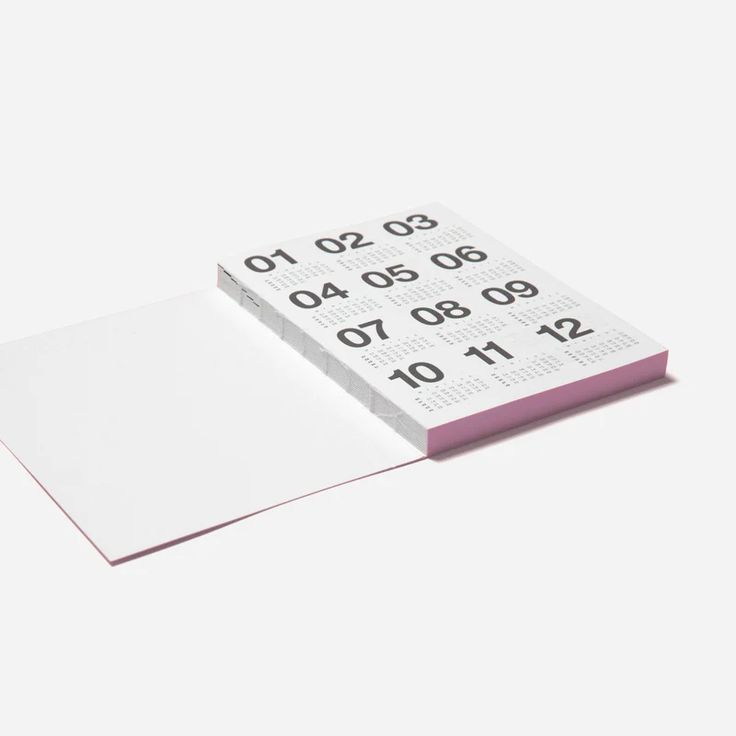
The Marjolein Delhaas 2026 Planner is the kind of stationery object that makes you briefly believe you are the sort of person who answers emails on time, remembers birthdays before social media reminds you, and starts Mondays with a calm cup of coffee instead of a suspiciously loud internal scream. Minimal, pocket-sized, and beautifully disciplined, this planner has become a favorite among design lovers who want structure without turning their desk into a motivational poster factory.
Created by Rotterdam-based graphic designer Marjolein Delhaas, the 2026 edition continues her signature approach: clean typography, practical layouts, tactile materials, and just enough visual personality to feel special without shouting across the room. It is not trying to be a scrapbook, a therapy journal, a life coach, or a productivity cult in book form. It is a planner. A very good one. And that confidence is exactly why people keep hunting it down every year.
What Is the Marjolein Delhaas 2026 Planner?
The Marjolein Delhaas 2026 Planner is a dated weekly planner designed for people who like their organization simple, flexible, and visually refined. The 2026 Basic Planner is the 17th edition of the brand’s dated planner line, which tells you two things: first, this is not a random trendy notebook wearing a planner costume; second, planner people are loyal, detail-oriented, and absolutely capable of buying the same format again if the paper feels right.
The planner includes yearly, monthly, and weekly overviews, giving users enough structure to map out deadlines, travel, work projects, school schedules, creative goals, and personal appointments. At the same time, it avoids the overly crowded feel that makes some planners look like cockpit control panels. Instead, it offers generous space for notes, lists, and free planning.
In practical terms, the 2026 planner is compact enough to carry in a bag, keep on a desk, or slide beside a laptop. Its A6+ pocket size measures about 6.1 by 4.3 by 0.5 inches, making it small without feeling toy-like. It has a 300 gsm soft cover, offset-printed pages, color-edged book block, and lay-flat Swiss binding with a visible spine. Inside, users get 128 calendar pages plus 56 note pages on 90 gsm paper. That is a surprisingly serious amount of planning real estate for something that does not demand its own tote bag.
Why Minimalist Planner Fans Love It
The main appeal of the Marjolein Delhaas 2026 Planner is restraint. Many planners promise to transform your entire life before breakfast. They come with mood trackers, water trackers, gratitude prompts, goal maps, habit wheels, inspirational quotes, sticker zones, and sometimes enough boxes to make your week feel like a tax form. The Marjolein Delhaas planner takes a quieter route. It gives you structure, then politely gets out of the way.
That minimalism is not emptiness. It is intentional design. The weekly spreads are clean, readable, and practical. The yearly overviews help with long-term planning, while the monthly sections make it easier to see patterns, deadlines, and events before they sneak up wearing fake mustaches. The notes pages create room for lists, sketches, meeting notes, project ideas, or the three grocery items you somehow forget every single week.
Design-focused users also appreciate the planner’s physical presence. The visible spine, color-edged pages, and bold cover treatment give it an industrial, graphic quality. It feels more like a small design object than a disposable office supply. That matters because a planner you actually enjoy picking up is more likely to become part of your routine. Beauty will not finish your to-do list for you, but it might make you open the planner before panic does.
Key Features of the Marjolein Delhaas 2026 Planner
1. Weekly Planning Without Clutter
The weekly planner format is ideal for people who want to see several days at once. Daily planners can be useful, but they often create too much page pressure. A weekly spread gives you perspective. You can see that Monday is packed, Wednesday is suspiciously empty, and Friday has somehow become the place where all unfinished tasks go to form a tiny rebellion.
For work, this format helps with meetings, deadlines, editorial calendars, client calls, and recurring admin tasks. For students, it can handle assignments, tests, study blocks, extracurricular plans, and reminders. For creative professionals, it works well for project timelines, content schedules, design reviews, production notes, and idea capture.
2. Yearly and Monthly Overviews
The planner includes overview sections for 2026 and 2027, which is useful for planning beyond the current month. This is especially helpful for anyone managing long-term goals, travel plans, launches, appointments, academic terms, or seasonal work. You can sketch out the big picture before dropping into the weekly details.
Monthly planning also helps reduce the “how did this happen?” effect. You know the one: a deadline appears, you act shocked, and then your planner calmly reminds you that you wrote it down six weeks ago. Rude, but helpful.
3. Compact A6+ Pocket Size
At approximately 6.1 by 4.3 inches, the Marjolein Delhaas 2026 Planner is portable without being cramped. It can move between a home office, studio, classroom, café, coworking space, or travel bag. This portability is a major advantage for users who dislike leaving their plans trapped on a desk.
The compact size also supports quick daily check-ins. You can open it in the morning, mark priorities, update appointments, and carry it with you. Unlike a giant desk planner, it does not require ceremony. Unlike a phone app, it does not tempt you into checking one notification and resurfacing 23 minutes later with no memory of why you opened the device.
4. Lay-Flat Swiss Binding
One of the most practical features is the open spine lay-flat binding. A planner that refuses to stay open is not a planner; it is a small paper-based wrestling opponent. The lay-flat design makes writing easier whether you are at a desk, on a train, in a meeting, or balancing the planner on one knee while pretending this is a normal way to organize your life.
The visible spine also contributes to the planner’s identity. It is not hidden or overly polished. It shows the construction, which matches the brand’s honest, industrial-minimal aesthetic.
5. Quality Paper and Hand-Finished Details
The 2026 planner uses 90 gsm paper and a 300 gsm soft cover. It is printed near Rotterdam and finished by hand, including gluing, color edging, and assembly. The paper is listed as Cradle to Cradle Certified, and some retailers also describe it as FSC Cradle to Cradle certified. For many stationery buyers, these material details matter because they affect both the writing experience and the environmental story of the object.
The color-edged book block is one of those small details that feels unnecessary until you own it. Then it becomes very necessary. It gives the planner a finished, collected quality, like it was designed by someone who believes even the edge of a book deserves to be invited to the party.
Available Styles and Colorways
The 2026 collection has appeared through official and retailer listings in several color and number variations, including options such as No. 137, No. 516, No. 5445, No. 5807, No. 7420, Process Black, and retailer color names like Hay, Candy, Ice, Burgundy, and Black. Availability can vary by store, and because the planners are produced in limited runs, some versions sell out quickly.
This limited availability is part of the planner’s appeal but also part of its danger. If you are the type who says, “I’ll think about it,” and then returns three weeks later, the stationery universe may simply say, “No.” Popular colorways often disappear from shops, especially among design-conscious buyers who treat planner season like a quiet Olympic event.
Who Should Buy the Marjolein Delhaas 2026 Planner?
This planner is best for people who want a simple, elegant, analog system. It is especially suited for designers, writers, architects, students, creative directors, project managers, shop owners, and anyone who wants a weekly overview without visual noise. It is also a strong choice for people who enjoy premium stationery but do not want a bulky planner packed with prompts they will ignore by February 3.
You may love it if you prefer clean layouts, compact notebooks, weekly planning, soft-cover books, tactile details, and design-led stationery. You may not love it if you need large daily pages, heavy goal-setting templates, stickers, detailed habit tracking, or lots of decorative space. This planner is not trying to entertain you. It is trying to help you plan. Respectfully, it has boundaries.
How to Use the Marjolein Delhaas 2026 Planner
Create a Weekly Command Center
Use each weekly spread as your main command center. Start by writing fixed appointments: meetings, classes, calls, events, due dates, and travel. Then add three to five priority tasks for the week. Keep the list realistic. Writing down 47 tasks on Monday morning does not make you ambitious; it makes future-you consider legal action.
Next, assign tasks to specific days. If a task has no day, it becomes a ghost. It floats around the week, haunting your productivity. Give it a home.
Use Monthly Pages for Themes
The monthly overview is perfect for themes and deadlines. For example, January might be “reset systems,” February might be “finish portfolio,” and March might be “tax paperwork, unfortunately.” A theme gives the month direction without overcomplicating your planning.
You can also use monthly pages to track launches, editorial schedules, recurring bills, family commitments, school deadlines, or creative milestones. Keep the monthly view clean so it remains useful at a glance.
Turn Note Pages Into a Flexible Back Office
The 56 note pages are where the planner becomes more personal. Use them for project lists, reading lists, meeting notes, content ideas, design sketches, budget reminders, travel plans, or monthly reviews. Because the planner does not force a specific system, the notes section can adapt to your life instead of making your life audition for the planner.
Marjolein Delhaas 2026 Planner vs. Digital Planning Apps
Digital calendars are excellent for alerts, shared schedules, and recurring reminders. The Marjolein Delhaas 2026 Planner is better for thinking. Writing by hand slows the process just enough to help you decide what actually matters. A digital app can store everything; a paper planner asks you to choose.
The best system may be hybrid. Use a digital calendar for appointments and reminders. Use the Marjolein Delhaas planner for weekly priorities, project planning, notes, and decision-making. That way, your phone can beep at you, while your planner quietly judges your overcommitment from the desk.
Design Review: Why It Feels Different
What separates this planner from many competitors is its strong graphic identity. The typography, color choices, visible binding, and restrained layouts all work together. Nothing feels accidental. Even the practical details have a visual purpose.
Many planners are designed from the inside out: first the productivity system, then the cover. Marjolein Delhaas planners feel designed as complete objects. The cover, edges, spine, paper, and layout all speak the same language. That language says, “I have excellent taste, and I probably own a very specific pen.”
Buying Tips Before You Choose One
Before buying, check the exact version, color, and listing details. Retailer names may vary slightly, and some shops list the same planner by color name while others use number codes. If you want the Basic Planner, confirm that you are not accidentally buying a Classic Planner, Journal 184, Journal 365, Year Plan, or another Marjolein Delhaas product.
Also check whether a removable protection cover is included or sold separately. The official protection cover for the 2026 Basic Planner is designed for that specific model and does not fit every Marjolein Delhaas format. That matters if you carry your planner daily and want to protect it from bag chaos, coffee-adjacent incidents, and the mysterious crumbs that appear even when you swear you did not eat crackers.
Experience Notes: Living With the Marjolein Delhaas 2026 Planner
Using the Marjolein Delhaas 2026 Planner feels different from using a planner that tries to manage your personality. The first thing you notice is the calm. The page does not come at you with neon enthusiasm. There are no loud instructions telling you to “crush your goals” before you have located your socks. Instead, the layout gives you room to begin wherever you are.
In a typical week, the planner works best when used in short, repeatable sessions. On Sunday evening or Monday morning, open the weekly spread and write down fixed events first. Then list the most important tasks. Not all tasks. The important ones. This distinction is where the planner quietly becomes useful. Because the space is limited, it encourages better judgment. You begin asking, “Does this actually need to happen this week?” That question alone can save a person from planning-related comedy.
The compact format also changes behavior. A larger planner can feel formal, almost like a document that requires a clean desk and a serious beverage. This one is easier to grab. You can use it at a café, on a kitchen counter, beside your keyboard, or during a quick check-in before leaving the house. The size makes it feel less intimidating, which means you are more likely to keep it close.
The lay-flat binding becomes more valuable with daily use. Some notebooks look beautiful closed but become annoying the moment you try to write near the spine. This planner stays open, which makes quick notes and weekly edits smoother. That is especially helpful if you use the planner during meetings or while moving between tasks. You do not want to fight the book while also trying to remember what “follow up re: thing” was supposed to mean.
The note pages are where the planner becomes a personal operating system. One user might create a running content calendar. Another might keep a list of books, invoices, design references, or household projects. A student could use the notes section for exam dates, essay outlines, or study plans. A freelancer could reserve pages for client pipelines, pitch ideas, or monthly income tracking. The planner does not label these pages for you, which is refreshing. It trusts you. Dangerous, but refreshing.
The biggest habit shift is that the planner rewards consistency more than perfection. You do not need elaborate spreads. You do not need color coding unless you enjoy it. You do not need a ruler, sticker kit, or ceremonial planning candle. A pen is enough. Write the week, review the day, move unfinished items forward, and use the monthly overview to stay aware of what is coming. Simple systems survive because they are easy to restart.
There is also an emotional benefit to using a planner this restrained. It makes planning feel less like self-improvement homework and more like maintenance. You are not rebuilding your entire life every Monday. You are checking the map. You are deciding what matters next. You are creating a small amount of order before the day starts throwing banana peels onto the sidewalk.
For people who live partly online, the analog nature is a relief. A paper planner cannot display notifications, recommend videos, or suddenly become a group chat. It just sits there, holding your week. That quietness is underrated. The Marjolein Delhaas 2026 Planner is especially good for users who want planning to feel intentional, not performative. It is beautiful, yes, but its beauty serves the function.
After several weeks of use, the planner’s best quality may be its neutrality. It can hold a calm week, a chaotic week, a creative week, or a week in which every plan collapses and dinner is cereal. It does not scold. It does not sparkle. It waits. And when you return, it gives you the same clean structure again.
Conclusion
The Marjolein Delhaas 2026 Planner is a strong choice for anyone who wants a refined weekly planner with serious design credibility and everyday practicality. Its compact A6+ size, lay-flat Swiss binding, yearly and monthly overviews, generous note pages, hand-finished construction, and minimalist graphic style make it more than a datebook. It is a thoughtful planning tool for people who want less clutter and more clarity.
It will not magically make your year perfect. No planner can do that, and any planner claiming otherwise should be asked to show receipts. But it can help you see your time more clearly, prioritize with more intention, and carry a beautifully made piece of stationery into 2026. For design lovers, analog planners, and anyone tired of overcomplicated productivity systems, this little planner may be exactly enough.