Geographic atrophy can sound like a place you accidentally booked on a bad travel website. In reality, it is an advanced form of dry age-related macular degeneration, often shortened to GA, that affects the maculathe part of the retina responsible for sharp central vision. When GA progresses, daily activities like reading labels, recognizing faces, driving, cooking, or finding the black socks hiding in a drawer full of other black socks can become more difficult.
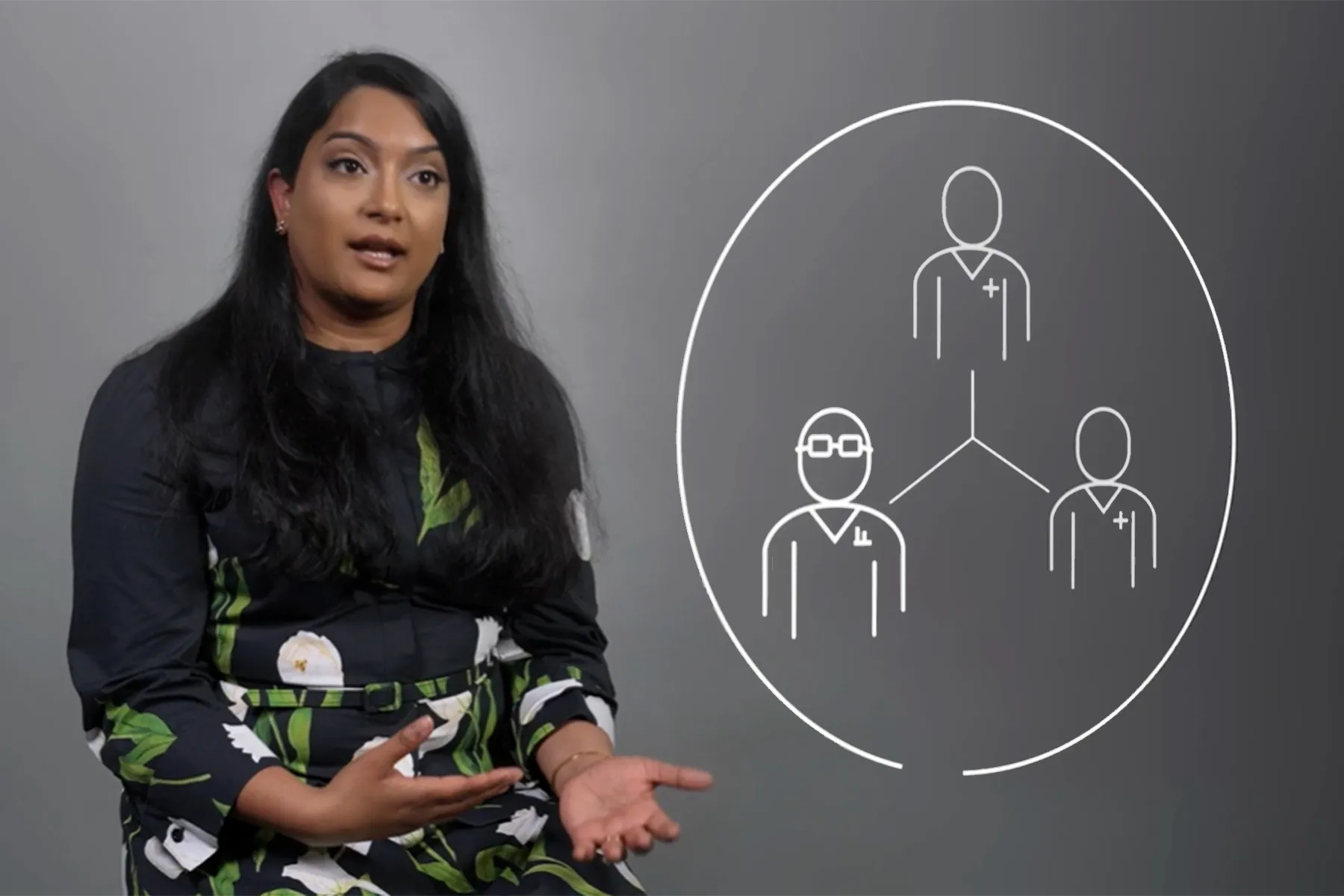
The good news is that geographic atrophy care is no longer a lonely road. While GA cannot currently be cured or reversed, a coordinated care team can help slow progression in some people, protect remaining vision, improve safety, and preserve independence. Your team may include a retina specialist, ophthalmologist, optometrist, low-vision rehabilitation specialist, occupational therapist, primary care clinician, pharmacist, mental health professional, social worker, family caregiver, and sometimes a patient navigator. That may sound like a crowded group chat, but each person has a useful role.
This guide introduces the professionals who may support you, what each one does, and how to make the most of every appointment.
What Is Geographic Atrophy?
Geographic atrophy is a late-stage form of dry age-related macular degeneration. It happens when cells in the retina and nearby supportive layers gradually waste away. These damaged areas may appear as sharply defined patches, almost like islands on a map, which explains the name “geographic.” Unfortunately, these islands are not vacation spots. They are areas where retinal tissue no longer functions normally.
GA usually affects central vision rather than side vision. That means a person may still walk around a room but struggle to read a menu, see a face clearly, thread a needle, or notice details directly in front of them. Symptoms can include blurry or missing spots in central vision, trouble seeing in dim light, difficulty reading, reduced contrast sensitivity, and needing brighter lighting for everyday tasks.
Because geographic atrophy can progress slowly, people may adapt without realizing how much their vision has changed. Regular eye exams and retinal imaging are essential, especially for adults with known age-related macular degeneration, a family history of AMD, or new changes in central vision.
Why a Care Team Matters
Geographic atrophy care is not just about eye injections, glasses, or scans. It is about protecting function. A strong care team helps answer practical questions: Can I still drive safely? Why do I need so much light to read? Should I consider treatment? What devices can help me pay bills or cook dinner? How do I tell my family I need help without feeling like I am giving up my independence?
GA is medical, practical, emotional, and social all at once. A retina specialist may monitor lesion growth, while a low-vision occupational therapist may show you how to reorganize your kitchen. A pharmacist may explain medication timing, while a social worker may connect you with transportation services. Everyone brings a different tool to the table. Ideally, none of those tools is a tiny-print instruction sheet.
The Retina Specialist: Your GA Strategy Leader
A retina specialist is an ophthalmologist with advanced training in diseases of the retina. For many people with geographic atrophy, this specialist becomes the main medical lead. They evaluate the retina, confirm the diagnosis, monitor progression, and discuss whether treatment is appropriate.
What a Retina Specialist Does
Your retina specialist may use tests such as optical coherence tomography, fundus autofluorescence, color retinal photography, and a dilated eye exam. These tools help show the size, location, and progression of atrophic areas. They also help detect signs of wet AMD, which can sometimes occur in people who also have dry AMD or GA.
The retina specialist may discuss FDA-approved treatment options for geographic atrophy related to AMD, including intravitreal medicines such as pegcetacoplan and avacincaptad pegol. These treatments are designed to slow the growth of GA lesions in some patients. They do not restore lost vision, and they are not right for everyone. Treatment decisions depend on the location of atrophy, vision level, eye health, treatment burden, risk tolerance, and personal goals.
Questions to Ask Your Retina Specialist
- How advanced is my geographic atrophy?
- Is my fovea affected or at risk?
- How quickly does my GA appear to be progressing?
- Am I a candidate for treatment?
- What are the benefits, risks, and visit schedule?
- What symptoms should make me call urgently?
A good retina appointment should leave you with a clearer plan, not just a blurry memory of complicated words. Bring a notebook, record questions ahead of time, and ask for plain-English explanations. Retina specialists are used to detailed science, but you are allowed to request “human translation mode.”
The General Ophthalmologist: Your Eye Health Coordinator
An ophthalmologist is a medical doctor who diagnoses and treats eye diseases. Some people see both a general ophthalmologist and a retina specialist. The ophthalmologist may manage broader eye health issues such as cataracts, glaucoma, dry eye, diabetic eye disease, or eye pressure concerns.
This role matters because vision problems rarely arrive politely one at a time. Cataracts can make vision cloudy. Dry eye can blur reading. Glaucoma can affect peripheral vision. When someone has GA, every bit of remaining vision counts, so treating other eye conditions can make a meaningful difference.
Your ophthalmologist may also coordinate referrals to low-vision services, review glasses needs, and help monitor changes between retina visits. If your vision suddenly worsens, straight lines look wavy, or a dark spot appears quickly, you should contact your eye care team promptly because these symptoms may suggest wet AMD or another urgent issue.
The Optometrist: Your Vision and Refraction Partner
An optometrist provides eye exams, vision testing, glasses prescriptions, and ongoing vision care. For people with geographic atrophy, an optometrist can help determine whether updated lenses may improve function. Glasses cannot fix retinal damage, but even small improvements in focus, glare control, or contrast can help with daily tasks.
Some optometrists specialize in low vision. A low-vision optometrist does more than ask, “Which is better, one or two?” They evaluate how you use your remaining vision and recommend magnifiers, telescopic lenses, filters, electronic readers, high-add reading glasses, or other tools. The goal is not perfect vision. The goal is usable vision.
The Low-Vision Rehabilitation Specialist: Your Independence Coach
Low-vision rehabilitation is one of the most valuable but underused services for people with geographic atrophy. It focuses on helping you do more with the vision you still have. Think of it as physical therapy for daily visual life. It does not treat GA itself, but it can make reading, cooking, shopping, organizing, and using technology easier.
A low-vision rehabilitation plan may include lighting changes, contrast strategies, magnification devices, smartphone accessibility settings, computer adjustments, reading techniques, glare reduction, and home safety recommendations. For example, a therapist may suggest task lighting near your favorite chair, bold labels on medication bottles, dark cutting boards for light foods, light cutting boards for dark foods, or tactile markers on appliances.
These changes may sound small, but small changes can be the difference between “I cannot do this anymore” and “I found a new way to do it.” That is not a minor victory. That is a reclaiming-the-coffee-maker level victory.
The Occupational Therapist: Your Daily-Life Problem Solver
An occupational therapist, often called an OT, helps people perform everyday activities more safely and independently. In GA care, a low-vision OT may work on real-life tasks: reading mail, preparing meals, managing money, using a phone, avoiding falls, taking medications correctly, and navigating rooms.
For example, if reading recipes has become frustrating, an OT may help you use a tablet with enlarged text, voice commands, a stand magnifier, or audio recipes. If pouring hot coffee feels risky, they may recommend a liquid-level indicator or a high-contrast mug. If stairs are hard to judge, they may suggest contrast tape on step edges and better hallway lighting.
OT support is practical, personal, and often surprisingly creative. It is where “medical care” meets “how do I not mistake cumin for cinnamon?”a mistake your oatmeal will not forgive.
The Primary Care Clinician: Your Whole-Body Health Anchor
Your eyes are part of your body, even though eye appointments sometimes feel like their own separate universe. A primary care clinician helps manage overall health factors that may influence eye health and daily safety. This may include blood pressure, cholesterol, diabetes, smoking cessation, nutrition, medication review, fall risk, sleep, and mental health concerns.
People with vision loss may become less active, avoid social events, or feel anxious about leaving home. A primary care clinician can screen for depression, review mobility concerns, and connect you with resources. They can also help make sure other conditions are not quietly making vision or function worse.
The Pharmacist: Your Medication Safety Expert
A pharmacist can be a key member of your geographic atrophy care team, especially if you take several medications or supplements. Some patients with AMD are advised to consider AREDS2 supplements, depending on their stage of disease and medical history. A pharmacist can help check whether supplements interact with prescriptions or duplicate nutrients you already take.
If you receive intravitreal treatment for GA, your retina clinic will explain the procedure and aftercare instructions. A pharmacist can still help you understand eye drops, medication schedules, and side effects from your broader medication list. This is especially helpful if tiny bottle labels have started looking like they were printed for ants with excellent vision.
The Mental Health Professional: Your Emotional Support Ally
Vision loss can be emotionally heavy. It may bring grief, frustration, anxiety, anger, embarrassment, or fear about the future. These reactions are not weakness. They are human. Geographic atrophy can change routines, hobbies, transportation, work, and relationships, so emotional support deserves a real place in the care plan.
A counselor, psychologist, therapist, or support group can help you process changes and develop coping strategies. Some people also experience visual hallucinations related to vision loss, a phenomenon sometimes called Charles Bonnet syndrome. These images can be unsettling, but they do not mean a person is “going crazy.” If this happens, tell your eye doctor or healthcare professional so you can receive appropriate reassurance and guidance.
The Social Worker or Patient Navigator: Your Resource Finder
A social worker or patient navigator helps with the practical maze: transportation, insurance questions, disability resources, low-vision agencies, home services, community programs, support groups, and appointment coordination. This person can be especially helpful if you live alone, have limited transportation, or feel overwhelmed by medical logistics.
They may help you find local vision rehabilitation programs, state services for people with visual impairment, paratransit options, meal support, or financial assistance programs. In other words, they know where the doors areand sometimes they know which doors do not require 37 forms and a heroic level of patience.
The Family Caregiver: Your Everyday Backup
Family members and trusted friends often become informal but essential members of the GA care team. They may drive to appointments, help compare treatment options, organize medication bottles, adjust home lighting, or simply listen when vision changes feel discouraging.
The best caregiver support respects independence. Instead of taking over everything, caregivers can ask, “What would help most?” or “Do you want me to read this with you or just make the print bigger?” Small communication shifts can preserve dignity and reduce frustration on both sides.
Caregivers should also learn the warning signs that require prompt eye care, such as sudden vision distortion, new dark spots, flashes, floaters, eye pain, redness, or light sensitivity after an injection. They can help track appointments and symptoms, but they should also take care of themselves. Burned-out caregivers are not good for anyone, including the dog, who definitely knows when the household is stressed.
What to Expect at Appointments
Appointments for geographic atrophy may include vision testing, dilated eye exams, retinal imaging, medication review, treatment discussions, and follow-up planning. If injections are recommended, the retina team will explain how often they may be needed, what the procedure feels like, and what symptoms should be reported afterward.
Before each visit, write down changes you have noticed. Be specific. Instead of saying, “My vision is worse,” try, “I need brighter light to read mail,” “Faces look blurrier across the room,” or “I stopped driving at night because headlights bother me.” These details help your team understand how GA affects your real life, not just your eye chart score.
How to Build a Strong GA Care Plan
1. Keep a Vision Journal
Track symptoms, reading difficulty, lighting needs, and questions. Bring this journal to visits. It can reveal patterns and help your doctor understand whether changes are gradual or sudden.
2. Ask About Low-Vision Rehabilitation Early
You do not need to wait until vision loss is severe. Early referral can help you learn tools and strategies before frustration piles up like unread mail.
3. Make Your Home Vision-Friendly
Improve lighting, reduce glare, use contrast, enlarge labels, remove tripping hazards, and organize frequently used items. A safer home supports confidence.
4. Use Technology Without Shame
Smartphones, tablets, screen readers, voice assistants, magnifier apps, audiobooks, and closed-circuit video magnifiers can all help. Needing technology is not failure. It is problem-solving with batteries.
5. Discuss Driving Honestly
Driving changes can be emotional, but safety comes first. Ask your eye care team whether a driving evaluation is appropriate and explore transportation alternatives before a crisis occurs.
6. Bring Someone to Important Visits
A second set of ears can help you remember details, especially when discussing treatment options, risks, and long-term planning.
Experiences From Daily Life With a Geographic Atrophy Care Team
Living with geographic atrophy is not just a medical timeline. It is a collection of daily adjustments, small victories, and occasional moments when you want to throw a restaurant menu into orbit. Many people first notice GA not in a clinic but at home: the newspaper looks dimmer, the stove dial is harder to read, or a loved one’s face seems less clear in soft evening light. These moments can feel personal, even though they are caused by changes in the retina.
One common experience is learning that brighter light is not a luxuryit is a tool. A person may discover that reading near a window in the morning is easier than reading under a weak lamp at night. After seeing a low-vision therapist, they may add adjustable task lights in the kitchen, use high-contrast labels, and switch to large-print settings on a phone. Suddenly, paying bills or reading prescription instructions becomes less exhausting. The disease has not disappeared, but the environment has become friendlier.
Another real-life challenge is appointment fatigue. GA care may involve retina visits, imaging tests, treatment discussions, low-vision evaluations, and follow-ups. At first, this can feel like running a small business called “My Eyes, LLC.” A patient navigator or organized family member can make a huge difference by keeping a calendar, arranging rides, saving questions in a shared note, and making sure instructions do not vanish into the mysterious black hole known as “the kitchen counter.”
Emotional adjustment is also part of the experience. Some people feel embarrassed asking for help in stores or restaurants. Others worry that using a magnifier will make them look older or more dependent. Over time, many discover that tools create freedom rather than taking it away. A handheld magnifier, voice assistant, audiobook subscription, or screen reader can reopen activities that felt out of reach. Independence may look different, but different does not mean defeated.
Family conversations can be delicate. A person with GA may not want relatives hovering over every task like nervous referees. At the same time, family members may worry about falls, cooking safety, medication mistakes, or driving. The healthiest approach is usually teamwork with boundaries. Instead of saying, “You cannot do that,” a caregiver might say, “Would better lighting or a label help you keep doing that safely?” This keeps the focus on ability, not loss.
People also learn the value of speaking up quickly when vision changes suddenly. Gradual difficulty with reading may fit GA progression, but sudden distortion, new blank spots, pain, redness, flashes, floaters, or major changes after an injection need prompt medical attention. A care team can explain what is expected, what is urgent, and who to call. That clarity reduces panic and helps patients act quickly when it matters.
Perhaps the most important experience is realizing that GA care is not only about preserving sight. It is about preserving routines, confidence, safety, humor, and connection. The care team cannot promise perfect vision, but it can help a person keep making breakfast, calling grandchildren, enjoying music, walking safely, reading with tools, and staying involved in life. That is not a small goal. That is the whole point.
Conclusion
Meeting your geographic atrophy care team can transform the way you manage vision loss. A retina specialist may guide diagnosis and treatment decisions. An ophthalmologist and optometrist can protect overall eye health and sharpen usable vision. Low-vision rehabilitation specialists and occupational therapists can help you adapt daily routines. Primary care clinicians, pharmacists, social workers, mental health professionals, caregivers, and patient navigators can support the whole personnot just the retina.
Geographic atrophy can be challenging, but you do not have to face it with a magnifier in one hand and confusion in the other. With the right team, the right tools, and the right plan, many people continue to live active, meaningful, independent lives. The goal is not to pretend vision loss is easy. The goal is to make sure it does not get the final word.
Note: This article is for educational purposes only and should not replace medical advice from an ophthalmologist, retina specialist, or other qualified healthcare professional.