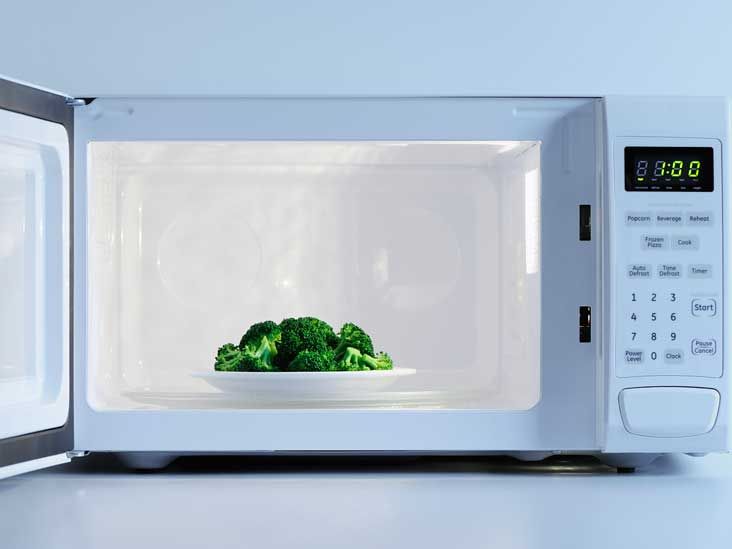
Few kitchen appliances are judged as dramatically as the microwave oven. One minute it is the hero that rescues cold coffee, leftover pizza, and a frozen burrito from sadness. The next minute someone on the internet is whispering that it “destroys nutrients,” “causes cancer,” or “turns food radioactive.” Poor microwave. It only wanted to heat soup.
So, should you nuke your food or back away from the glowing box like it is a tiny countertop spaceship? The short answer: microwave ovens are generally safe when used correctly. The longer, more useful answer is that microwave cooking has real benefits, a few legitimate safety rules, and several myths that deserve to be retired with honor.
This guide breaks down microwave ovens and health in plain American English: how microwaves work, whether microwave radiation is dangerous, what happens to nutrients, which containers are safe, how to avoid foodborne illness, and how to use your microwave like a confident adult instead of someone pressing random buttons and hoping for lasagna.
What Is a Microwave Oven, Really?
A microwave oven uses electromagnetic waves to heat food. These waves cause water molecules and other polar molecules in food to move rapidly, creating heat. That heat cooks or reheats the food from the inside and outside in a way that is different from a conventional oven, which mostly heats food by surrounding it with hot air.
The word “radiation” makes many people nervous, but radiation simply means energy traveling through space. Light is radiation. Radio waves are radiation. The heat from a toaster is radiation. The important distinction is whether radiation is ionizing or non-ionizing.
Ionizing vs. Non-Ionizing Radiation
Ionizing radiation, such as X-rays and gamma rays, has enough energy to remove electrons from atoms and can damage DNA at high enough doses. Microwave ovens use non-ionizing radiation, which does not have enough energy to make food radioactive or directly damage DNA. It heats food; it does not mutate your broccoli into a supervillain.
Microwave ovens are designed with shielding and door-lock systems to keep microwave energy inside the appliance. In the United States, microwave ovens must meet federal safety standards that limit radiation leakage. A properly maintained microwave with an intact door seal and working latch should not expose users to harmful levels of microwave energy.
Do Microwave Ovens Cause Cancer?
This is the big question, and thankfully the answer is reassuring: using a microwave oven according to manufacturer instructions has not been shown to cause cancer. The radiation used in microwave cooking is non-ionizing, meaning it does not have the DNA-damaging power associated with ionizing radiation.
The bigger health risks in everyday microwave use are not cancer from the microwave itself. They are more practical: burns from hot food, unevenly heated meals that leave bacteria alive, and chemicals migrating from containers that were never meant to be heated. In other words, the danger is less “mysterious radiation cloud” and more “you microwaved chili in a takeout tub that melted into modern art.”
Does Microwaving Destroy Nutrients?
One of the most persistent myths is that microwaves “kill” nutrients. In reality, all cooking methods can change nutrient levels. Heat, water, time, and exposure to air all affect vitamins and antioxidants. Boiling vegetables in a large pot of water, for example, can reduce water-soluble nutrients like vitamin C because those nutrients can leach into the cooking water.
Microwave cooking is often surprisingly nutrient-friendly because it is fast and usually requires little water. Shorter cooking time means less heat exposure. Less water means fewer nutrients disappear down the drain. For vegetables like broccoli, spinach, carrots, and green beans, microwaving with a small amount of water or steam can preserve nutrients better than long boiling.
The Best Way to Microwave Vegetables
To keep vegetables colorful, tasty, and nutrient-rich, place them in a microwave-safe glass or ceramic dish, add a tablespoon or two of water, cover loosely, and cook only until tender-crisp. Let them steam for a minute after cooking. Then season with olive oil, lemon juice, herbs, garlic, or whatever makes you excited enough to eat vegetables voluntarily.
The goal is not to blast vegetables into a gray-green apology. The goal is gentle steaming. If your broccoli smells like a science experiment and bends like wet paper, it has cooked too long.
Microwave Cooking and Food Safety
Microwave ovens are convenient, but they can heat food unevenly. Anyone who has bitten into a frozen-center burrito with lava-hot edges understands this deeply. Uneven heating matters because cold spots can allow harmful bacteria to survive, especially in meat, poultry, egg dishes, seafood, casseroles, and leftovers.
For safe microwave cooking, stir food when possible, rotate the dish, cover food to trap steam, and allow standing time after the microwave stops. Standing time is not optional kitchen poetry; it lets heat continue moving through the food so the temperature becomes more even.
Use a Food Thermometer
If you are reheating leftovers, aim for 165°F throughout. Poultry should also reach 165°F. Fish should reach 145°F. Egg dishes and casseroles should reach 160°F. A food thermometer is the only reliable way to know. Guessing by steam is not science. Guessing by “it looks mad enough” is also not science.
When reheating soups, stews, sauces, and rice dishes, stir halfway through and again before serving. Rice and pasta can hide cold pockets like tiny carbohydrate bunkers. If the food is thick, dense, or layered, give it extra time and check the center.
Are Microwave-Safe Containers Actually Safe?
Container choice is where microwave health concerns become more realistic. The microwave itself is not the villain, but the wrong container can be. Some plastics may warp, melt, or release unwanted chemicals when heated, especially if the food is fatty, sugary, or very hot.
Use containers labeled microwave-safe. Better yet, choose glass or ceramic dishes for routine reheating. Avoid microwaving food in foam trays, old margarine tubs, cracked plastic containers, black plastic takeout trays, or packaging that was designed for cold storage only. If a container curls, softens, stains badly, smells strange, or looks like it is questioning its life choices, do not use it again for heating food.
What About Plastic Wrap?
Microwave-safe plastic wrap can be used if the label says it is suitable for microwave use, but it should not touch the food. Leave a vent so steam can escape. Even better, use a microwave-safe lid, a glass cover, or a plate placed loosely over the dish.
Can You Microwave Styrofoam?
Most foam containers should not be microwaved unless they are specifically labeled microwave-safe. Foam can soften or break down at high temperatures. Transfer leftovers to glass or ceramic before heating. It takes ten extra seconds, which is still faster than explaining to your stomach why lunch tastes like packaging.
Microwave Popcorn, PFAS, and Packaging Concerns
Microwave popcorn deserves its own small spotlight because it has been part snack, part health debate, and part office-kitchen perfume bomb for decades. Some older grease-resistant food packaging raised concerns because certain chemicals were used to prevent oil from soaking through paper. In recent years, U.S. regulators and manufacturers have moved away from certain PFAS-containing grease-proofing substances in food packaging.
That does not mean every bag of microwave popcorn is a health crisis. It does mean consumers should read labels, choose brands with simpler ingredients when possible, and avoid overheating popcorn bags. Burned popcorn is not just emotionally devastating; it can create smoke and unpleasant compounds. Stop the microwave when popping slows, not when the bag begins auditioning for a campfire.
Does Microwaving Food Create Harmful Compounds?
Cooking at high temperatures can create compounds such as acrylamide in certain starchy foods and char-related compounds in burned meats. Microwaving usually does not brown or char food the way grilling, frying, or broiling can. That can be a nutritional advantage when you want to reduce heavily browned or burned foods.
However, microwaves can still overcook food. Overheated oils can smoke. Sauces can splatter. Sugar can become dangerously hot. The health rule is simple: use enough time to heat food safely, but do not cook it into a smoking crater.
Microwaves vs. Other Cooking Methods
Microwave ovens are best at reheating, steaming, defrosting, and cooking foods that contain enough moisture. They are not always the best choice for crisp texture, deep browning, or large cuts of meat. A microwave can steam fish beautifully, soften squash quickly, and revive leftovers in minutes. It will not give you the golden crust of a cast-iron skillet or the roasted flavor of a hot oven.
From a health standpoint, this can be useful. Because microwaving often requires little or no added fat, it can help people prepare vegetables, oatmeal, potatoes, fish, eggs, and leftovers without a lot of oil. The microwave is not automatically healthy, of course. A microwaved bowl of ultra-processed cheese noodles is still ultra-processed cheese noodles. The appliance does not sprinkle kale dust over everything.
Who Should Be Extra Careful With Microwave Food Safety?
Some people face a higher risk from foodborne illness, including young children, older adults, pregnant people, and anyone with a weakened immune system. For these groups, safe reheating matters even more. Leftovers should be refrigerated promptly, stored in shallow containers, eaten within a safe time frame, and reheated thoroughly.
Frozen microwave meals also deserve attention. Follow package directions carefully, including stirring and standing time. If the meal contains raw chicken or other raw ingredients, it must be cooked fully, not merely warmed. A low-wattage microwave may need more time than a high-wattage model.
Common Microwave Myths That Need to Retire
Myth 1: Microwaves Make Food Radioactive
No. Microwave energy heats food but does not remain in the food and does not make it radioactive. Once the microwave stops, the energy source stops. Your soup is hot, not glowing with secret powers.
Myth 2: Microwaves Destroy All Vitamins
No. Nutrient loss depends on time, temperature, water, and food type. Microwaving can preserve nutrients well because it cooks quickly and often uses less water than boiling.
Myth 3: Standing Near a Microwave Is Dangerous
A properly functioning microwave oven is designed to keep microwave energy inside. Still, do not use a microwave with a damaged door, broken latch, cracked seal, or obvious malfunction. If it sparks, smells electrical, or behaves like a haunted appliance, unplug it and have it repaired or replaced.
Myth 4: Any Container Is Fine for Reheating
No. Use microwave-safe glass, ceramic, or approved plastic. Avoid foam, damaged plastic, metal, and containers not intended for heat.
How to Use a Microwave the Healthy Way
Healthy microwave use comes down to a few habits. First, choose the right foods. Vegetables, beans, lentils, oatmeal, potatoes, fish, eggs, soups, and homemade leftovers can all work well. Second, use safe containers. Third, heat food evenly. Fourth, avoid overheating. Fifth, clean the microwave regularly, because yesterday’s sauce explosion should not become tomorrow’s mystery seasoning.
For better results, arrange food in a ring shape when possible, with thicker pieces toward the outside of the dish. Cover food loosely to hold moisture. Stir halfway through cooking. Let food stand for a few minutes. Check temperature for risky foods. These steps sound small, but they make the difference between safe reheating and culinary roulette.
Practical Examples: What to Nuke and What to Skip
Great Microwave Choices
Microwave-steamed vegetables are a smart choice. So are oatmeal, sweet potatoes, brown rice cups, lentil bowls, soup, chili, scrambled eggs in a microwave-safe mug, and fish cooked gently with lemon and herbs. These foods benefit from moisture and short cooking time.
Use Caution With These Foods
Large cuts of meat, whole poultry, thick frozen meals, and raw chicken products can be tricky because microwaves may heat unevenly. If you cook or reheat them in a microwave, use package instructions, rotate, stir, allow standing time, and check internal temperature.
Avoid These Microwave Mistakes
Do not microwave whole eggs in the shell, sealed containers, metal utensils, aluminum foil, travel mugs, or grapes. Yes, grapes. They can spark. The microwave is many things, but it is not a place for fruit-based fireworks.
Personal Experience: Learning to Trust the Microwave Without Worshiping It
Most people do not build a relationship with their microwave. They simply use it, blame it, and occasionally clean it after tomato sauce redecorates the ceiling. But if you pay attention, a microwave teaches a surprisingly useful lesson: convenience is not the enemy of health. Careless convenience is.
Think about the average weekday lunch. You are busy, slightly tired, and very close to eating crackers over the sink like a raccoon with deadlines. A microwave can turn last night’s vegetable soup, beans and rice, or roasted chicken into a real meal in three minutes. That is not lazy. That is practical nutrition. The difference between ordering greasy takeout and reheating a balanced meal may be nothing more glamorous than a microwave-safe bowl and the courage to press “start.”
Many home cooks also discover that the microwave is excellent for small healthy shortcuts. A sweet potato that might take nearly an hour in the oven can soften quickly in the microwave. Frozen vegetables can become a side dish before a skillet even preheats. Oatmeal can go from dry flakes to breakfast in less time than it takes to find matching socks. These little wins matter, especially for people trying to eat better without turning every meal into a documentary about rustic farm living.
At the same time, experience teaches humility. The microwave does not forgive poor technique. Reheat a thick casserole without stirring and you may get a cold middle with edges hot enough to power a small village. Cover tomato sauce too tightly and you may create an abstract red mural. Heat coffee too long and it transforms from beverage to punishment. The appliance is fast, but it still asks for attention.
The best microwave habit I have learned is to treat it like a small steamer rather than a magic box. Add a splash of water to vegetables. Cover food loosely. Use medium power for delicate items. Stop and stir. Give food a minute to rest. These steps make microwaved food taste less like “emergency fuel” and more like something a reasonable person meant to eat.
Another practical lesson is that containers matter more than people think. Glass bowls are boring in the best possible way. They do not warp, stain as easily, or make you wonder whether lunch is absorbing the personality of a plastic lid. Once you switch to glass or ceramic for reheating, microwave cooking feels cleaner and more intentional. It is the kitchen equivalent of changing from flip-flops to actual shoes.
Parents, students, office workers, caregivers, and older adults can all benefit from a microwave when it is used wisely. It can reduce food waste by making leftovers appealing again. It can help people with limited time prepare warm meals. It can support healthier eating by making vegetables easier to cook. It can also encourage portion control because reheating one serving is simple.
The real question is not whether to nuke or not to nuke. The better question is: what are you nuking, what are you nuking it in, and are you heating it safely? A microwave cannot turn poor food choices into perfect nutrition, but it can make good food choices easier. And in the real world, easier matters.
Final Verdict: To Nuke or Not to Nuke?
Yes, you can nuke your food. Microwave ovens are safe for everyday use when they are in good condition and used according to instructions. They do not make food radioactive, they have not been shown to cause cancer when used properly, and they can preserve nutrients well because they cook quickly with minimal water.
The key is smart use. Choose microwave-safe glass or ceramic containers. Avoid heating food in questionable plastics or foam. Stir, rotate, cover, and allow standing time. Reheat leftovers to 165°F. Do not ignore damaged doors, broken seals, sparks, smoke, or strange smells. And please, for the sake of office harmony, do not burn the popcorn.
In the kitchen health debate, the microwave is not a villain. It is a tool. Used poorly, it can create rubbery chicken, cold lasagna centers, and minor soup explosions. Used well, it can help you eat more vegetables, waste less food, save time, and survive a busy week without treating dinner like a full-time job.
Note: This article is for general educational purposes only. For specific medical, nutrition, or food-safety concerns, consult a qualified health professional or food-safety authority.