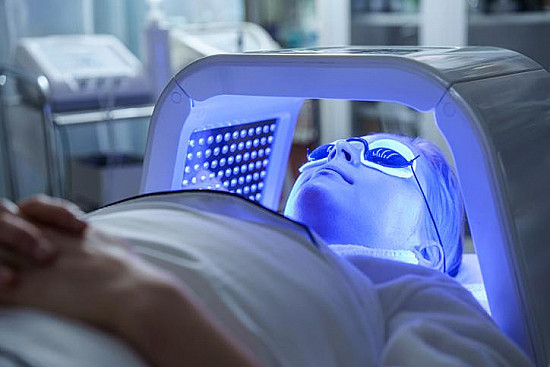
Morning blue light therapy sounds a little like something from a futuristic wellness spa: sit near a glowing box, drink coffee, and let science gently poke your internal clock awake. But behind the glow is a serious idea. As people age, sleep often becomes lighter, bedtimes shift earlier, nighttime awakenings become more common, and daytime energy may feel less reliable than a bargain flashlight.
Recent research highlighted by Harvard Health suggests that carefully timed exposure to blue-enriched light in the morning may help older adults sleep better, stay more active during the day, and maintain a steadier sleep-wake rhythm. The key word is morning. Blue light at the wrong time, especially in the evening, can do the opposite by delaying sleep and making nights more restless.
This article explains how morning blue light therapy works, why it may be useful for older adults, what benefits researchers are studying, and how to approach it safely without turning your living room into an airport runway.
What Is Morning Blue Light Therapy?
Morning blue light therapy is a structured exposure to blue-enriched white light early in the day. It is not the same as scrolling through a phone at breakfast while arguing with the weather app. Therapeutic light exposure usually comes from a light box or specialized lamp designed to deliver bright light at a measured distance and intensity.
In the study summarized by Harvard Health, adults aged 60 and older used a light box that emitted either blue-enriched white light or control white light. They sat near the light for about two hours in the morning or evening during different study periods. Researchers tracked sleep diaries, nap patterns, activity levels, bedtimes, and nighttime awakenings.
The results were interesting: morning blue-enriched light was associated with better sleep quality, earlier bedtimes, more regular sleep patterns, and greater daytime activity. Evening exposure, however, made it harder to fall asleep and led to more restless nights. In other words, blue light is less like a villain and more like a very punctual guest. Invite it at breakfast, not at bedtime.
Why Light Matters More as We Age
The body runs on a circadian rhythm, a roughly 24-hour internal clock that helps regulate sleep, alertness, body temperature, hormones, digestion, and mood. Light is one of the strongest signals for this clock. Morning light tells the brain, “The day has started. Please stop acting like a sleepy pancake.”
Older adults may receive weaker light signals for several reasons. They may spend less time outdoors, live in dimmer indoor environments, have reduced mobility, or experience age-related changes in the eyes that affect how light reaches the brain. Retirement can also loosen daily routines, and fewer social commitments may reduce regular morning activity. When the body gets too little strong daytime light and too much artificial evening light, the sleep-wake cycle can drift.
This is one reason morning light therapy is getting attention. It offers a non-drug way to strengthen daytime signals. For older adults who wake too early, nap frequently, feel sluggish, or struggle with fragmented sleep, improving light timing may support a more stable rhythm.
How Morning Blue Light Therapy May Benefit Older Adults
1. Better Sleep Quality
Sleep quality is not just about counting hours. A person can spend eight hours in bed and still wake up feeling as if they wrestled a blanket all night. Good sleep includes falling asleep in a reasonable time, waking less often, returning to sleep more easily, and feeling refreshed in the morning.
Morning blue-enriched light may help by reinforcing the body’s daytime signal. When the brain receives strong light early, it can more clearly separate day from night. That separation may help the evening sleep process unfold more naturally.
2. More Consistent Bedtimes and Wake Times
Irregular sleep schedules can confuse the circadian system. Older adults may unintentionally create a cycle of late naps, early waking, restless nights, and daytime fatigue. Morning light can act like a daily anchor. By giving the brain a consistent “start time,” it may help make bedtime more predictable.
This does not mean everyone must become a 5 a.m. sunrise philosopher. It means that a regular morning light routine, ideally paired with a consistent wake time, may help stabilize the sleep-wake pattern over time.
3. Increased Daytime Activity
The Harvard Health summary noted that morning blue light therapy was linked with greater activity levels. This makes sense. Better morning alertness may make walking, chores, hobbies, social visits, and exercise feel more manageable. Activity then feeds back into sleep health because movement during the day supports nighttime rest.
Think of it as a friendly loop: morning light encourages alertness, alertness encourages movement, movement supports better sleep, and better sleep makes tomorrow’s morning light routine easier. It is not magic, but it is a surprisingly elegant domino effect.
4. Improved Mood and Alertness
Bright light therapy has long been discussed in relation to seasonal affective disorder and circadian rhythm sleep problems. Light exposure can influence melatonin timing and may affect brain systems involved in mood and energy. For older adults, especially those who spend long stretches indoors, morning light may help reduce that foggy, “I am awake but not fully online” feeling.
However, light therapy is not a replacement for mental health care. Persistent sadness, loss of interest, severe fatigue, anxiety, or major sleep changes deserve professional attention. Light can be part of a wellness plan, not a one-lamp medical empire.
Morning Blue Light vs. Evening Blue Light
Blue light has a split personality. During the day, blue wavelengths can promote alertness and help regulate circadian timing. At night, the same type of light can suppress melatonin and tell the brain that bedtime has been postponed by management.
That is why timing matters. Morning light exposure supports wakefulness when wakefulness is useful. Evening blue light exposure from bright lamps, tablets, phones, televisions, and overhead LEDs may interfere with sleep. Older adults who want to try morning light therapy should also protect the evening: dim lights after dinner, reduce screen brightness, use warmer lighting, and avoid intense blue-rich light close to bedtime.
Who Might Consider Morning Light Therapy?
Morning blue light therapy may be worth discussing with a health care professional if an older adult has mild sleep timing problems, frequent daytime sleepiness, low morning energy, irregular sleep patterns, or limited daylight exposure. It may also be relevant during darker winter months, after retirement, during recovery from illness, or in assisted-living settings where natural daylight is limited.
It may be especially helpful when combined with other sleep habits: waking at the same time daily, getting regular physical activity, avoiding caffeine late in the day, keeping the bedroom cool and dark, and turning off electronics before bed.
How to Use Morning Light Therapy Safely
Talk to a Health Professional First
Older adults should ask a clinician before starting light therapy, especially if they have eye conditions such as glaucoma, cataracts, macular degeneration, diabetic eye disease, or a history of retinal problems. A medical check is also wise for people with bipolar disorder, migraines triggered by light, or medications that increase light sensitivity, including some antibiotics, anti-inflammatory drugs, and psychiatric medications.
Choose the Right Device
A therapeutic light box should be designed for light therapy, not tanning or skin treatment. It should emit little or no ultraviolet light. Many standard bright-light boxes for seasonal mood symptoms use 10,000 lux and are placed about 16 to 24 inches from the face, but device instructions vary. Blue-enriched light products may use different specifications, so users should follow manufacturer guidance and clinician advice.
Use It in the Morning
For sleep and circadian support, morning is usually the safest and most logical time. The Harvard Health-covered study used morning exposure before 11 a.m. For many people, the most practical time is during breakfast, reading, puzzles, email, or another quiet morning activity.
Do Not Stare Directly Into the Light
Light therapy is usually used passively. The lamp sits off to the side while the eyes remain open. Staring directly into the light is unnecessary and may cause discomfort, eye strain, or headaches.
Start Gently
Some people experience headache, irritability, eye strain, nausea, or agitation. Starting with shorter sessions may help identify sensitivity. If symptoms occur, stop and contact a health care provider.
What Morning Blue Light Therapy Cannot Do
Light therapy is promising, but it is not a cure-all. It will not fix untreated sleep apnea, restless legs syndrome, chronic pain, uncontrolled depression, medication side effects, or nighttime bathroom trips caused by medical conditions. It also will not compensate for six cups of afternoon coffee, although it may silently judge your choices.
If an older adult snores heavily, gasps during sleep, wakes with morning headaches, falls asleep unintentionally during the day, or experiences sudden major sleep changes, a medical evaluation is important. Light therapy works best when the real cause of sleep disruption is understood.
Practical Morning Routine for Older Adults
A simple routine may look like this:
- Wake up at the same time each day, including weekends.
- Open curtains immediately and get natural daylight when possible.
- Use a light therapy box in the morning if recommended by a clinician.
- Pair light exposure with breakfast, reading, gentle stretching, or planning the day.
- Take a short walk outdoors later in the morning if mobility and weather allow.
- Keep naps short and earlier in the day.
- Dim lights and reduce screens in the evening.
The best routine is the one a person can actually repeat. A perfect plan that lasts two days is less useful than a modest habit that survives real life, phone calls, grandkids, rain, and the mysterious disappearance of reading glasses.
Experience Section: What a Morning Light Routine Can Feel Like
Imagine an older adult named Robert, age 72, who has developed a familiar pattern. He wakes at 4:45 a.m., lies in bed thinking about errands, falls back asleep at 6:30, wakes groggy at 8:00, naps after lunch, then wonders why bedtime feels like negotiating with a stubborn cat. Nothing is dramatically wrong, but his days feel slightly out of rhythm.
After talking with his doctor and eye specialist, Robert tries a morning light routine. He places a UV-filtered light therapy box on the kitchen table, off to the side, at the distance recommended by the manufacturer. He uses it while eating oatmeal and reading the paper. At first, he expects fireworks. Instead, nothing dramatic happens. The lamp glows. The oatmeal remains oatmeal. Science is occasionally very humble.
By the end of the first week, he notices he feels a little more alert before noon. He still wakes during the night, but he returns to sleep more easily. His afternoon nap shrinks from 90 minutes to 25 minutes because he is less wiped out after lunch. His daughter notices he sounds more energetic during their morning calls. Robert claims this is because of “discipline,” though the light box gets no credit and sits there like a silent intern.
In the second week, he adds a short walk after breakfast. The walk is not heroic. It is not a movie montage. It is ten minutes around the block, with one stop to admire a neighbor’s suspiciously perfect roses. But the outdoor light, movement, and routine work together. He begins looking forward to the morning instead of treating it like a slow software update.
By the fourth week, Robert’s bedtime becomes more predictable. He dims the living room lights after dinner and stops using his tablet in bed. This change annoys him for three nights because the tablet was his preferred portal to baseball scores, family photos, and unnecessary kitchen gadgets. Then he realizes he is falling asleep faster.
His experience is not a guarantee for everyone, but it illustrates how morning blue light therapy may work best: not as a single trick, but as part of a daily rhythm. The light box provides a strong morning signal. The walk adds natural daylight and movement. The shorter nap protects nighttime sleep. The dimmer evening light tells the brain that the day is winding down.
Caregivers may see similar benefits when routines are kept simple. For example, placing the light box near a breakfast chair, using a timer, and linking the habit to an existing activity can reduce resistance. In assisted living or family homes, morning light can become part of a pleasant ritual: tea, music, medication review, conversation, and gentle brightness. The goal is not to force anyone into a strict wellness boot camp. The goal is to make the body’s clock easier to hear.
The most realistic expectation is gradual improvement. Some people may notice more morning energy. Others may see steadier bedtimes or fewer long naps. Some may notice little change and need a different approach. That is why tracking matters. A simple sleep diary with bedtime, wake time, naps, light use, caffeine, exercise, and mood can help reveal whether the routine is actually helping.
Conclusion
Morning blue light therapy may offer meaningful benefits for older adults, especially when sleep patterns have become irregular or daytime energy has faded. Research highlighted by Harvard Health suggests that blue-enriched light used in the morning can support better sleep quality, earlier bedtimes, more regular rest, and greater daytime activity. The same light used in the evening may backfire, which is why timing is the star of the show.
For older adults, the smartest approach is careful and personalized: consult a clinician, protect eye health, choose a proper UV-filtered device, use it in the morning, avoid staring directly into the lamp, and combine it with consistent sleep habits. Morning light is not a miracle cure, but it may be a practical, low-effort tool for helping the body remember what daytime is for: movement, alertness, connection, and perhaps a good breakfast that does not involve arguing with insomnia.