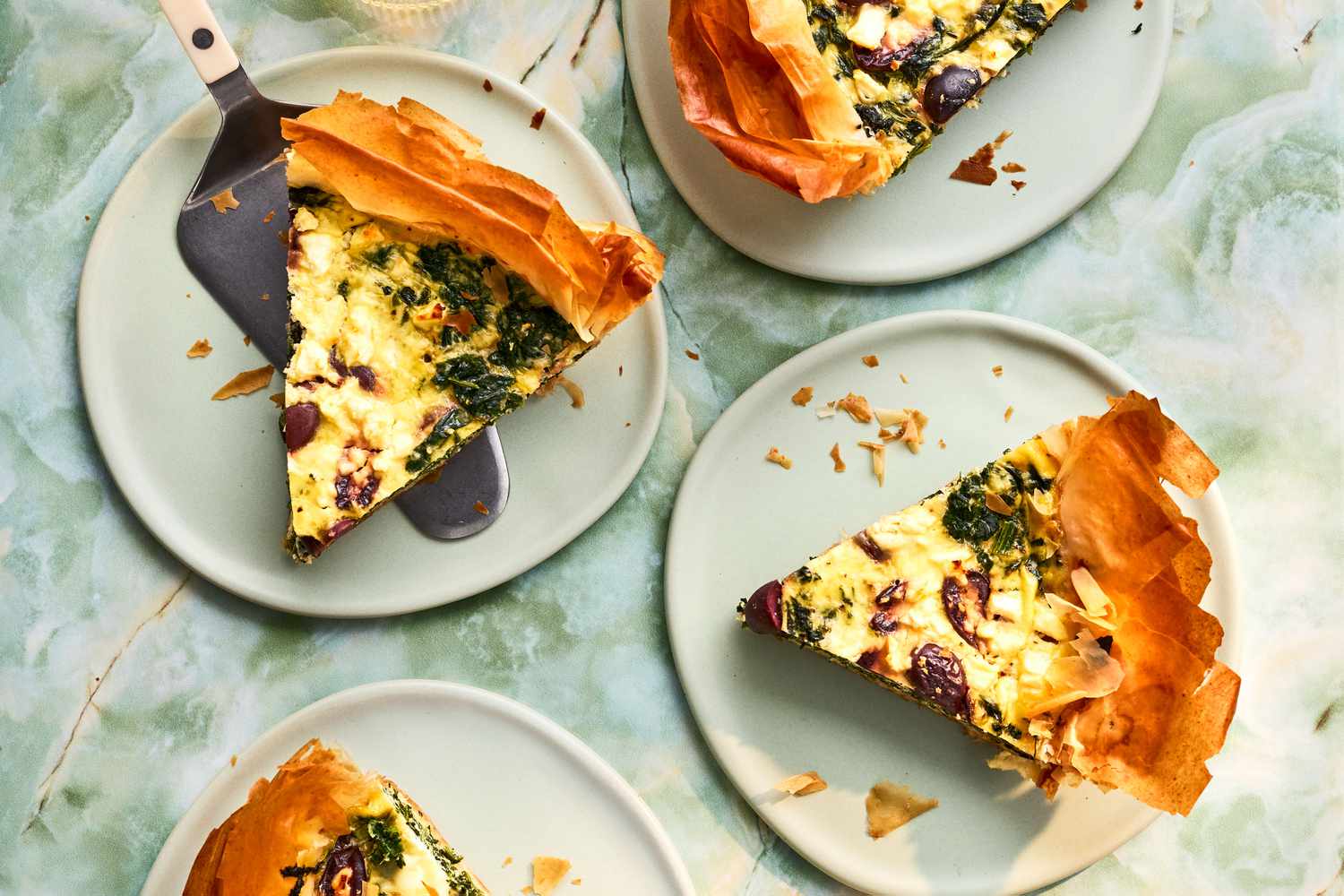
If your brunch table has been feeling a little too predictable lately, this olive and feta quiche recipe is here to wake everybody up without flipping the table. It is rich, creamy, salty in the best way, and just fancy enough to make people think you own linen napkins on purpose. The beauty of this quiche is that it borrows the bold, sunny flavors of the Mediterranean and tucks them into a buttery crust with a tender egg custard that feels like comfort food wearing sunglasses.
At its core, this is an easy vegetarian quiche recipe with feta cheese, Kalamata olives, herbs, and a silky filling that works for breakfast, brunch, lunch, or dinner. It is the kind of recipe that feels special but does not require culinary gymnastics. You do not need to make a dramatic pastry speech. You only need a pie crust, a bowl, a whisk, and the good judgment not to over-salt a dish already hanging out with olives and feta.
Whether you are hosting a holiday brunch, meal-prepping slices for the week, or simply trying to turn “What’s in the fridge?” into a respectable meal, this olive and feta quiche delivers big flavor with very little fuss. Let’s get that oven involved.
Why This Olive And Feta Quiche Works
A great quiche is really a balancing act. You want a crust that stays crisp, a filling that sets without turning rubbery, and mix-ins that add flavor without releasing enough liquid to make the whole thing resemble a soggy life choice. This recipe works because every ingredient has a job.
The feta brings tang and creamy little pockets of salty richness. The olives add briny depth and a bold Mediterranean vibe. A small amount of onion or shallot softens into sweetness, while herbs such as dill, parsley, or oregano lift the whole thing so it tastes bright instead of heavy. The egg-and-dairy custard ties everything together into slices that are creamy, structured, and very hard to stop eating.
It also helps that this quiche is forgiving. Serve it warm, room temperature, or chilled straight from the fridge while standing in front of the open door at midnight pretending you are “just checking on it.” It works every time.
Olive And Feta Quiche Ingredients
- 1 9-inch pie crust, homemade or store-bought
- 1 tablespoon olive oil
- 1 small shallot or 1/2 small yellow onion, finely chopped
- 1 clove garlic, minced
- 3/4 cup pitted Kalamata olives, roughly chopped
- 4 ounces feta cheese, crumbled
- 5 large eggs
- 1 cup half-and-half
- 1/2 cup whole milk
- 1 tablespoon chopped fresh dill
- 1 tablespoon chopped fresh parsley
- 1 teaspoon chopped fresh oregano, or 1/2 teaspoon dried oregano
- 1/4 teaspoon black pepper
- Pinch of red pepper flakes, optional
- 1 cup baby spinach, chopped and lightly squeezed dry after wilting, optional but excellent
- 1 teaspoon lemon zest, optional for a brighter finish
Ingredient Notes
Kalamata olives are the classic pick here because they have a meaty texture and a winey, savory flavor that stands up to the eggs and cheese. Feta should be crumbled rather than cubed so you get salty goodness in every bite. If your feta comes packed in brine, drain it well before using. If you add spinach, make sure it is dry. Water is the natural enemy of a neat quiche slice.
How To Make Olive And Feta Quiche
1. Blind-bake the crust
Preheat the oven to 400°F. Fit the pie crust into a 9-inch pie plate and crimp the edges. Line it with parchment paper or foil and fill it with pie weights or dried beans. Bake for 15 minutes. Remove the weights and parchment, then bake for 5 more minutes until the crust looks lightly dry and just barely golden. Set aside. This extra step keeps the bottom crust from becoming soft and sad.
2. Cook the aromatics
Lower the oven temperature to 375°F. In a skillet over medium heat, warm the olive oil. Add the shallot or onion and cook for 3 to 4 minutes until softened. Stir in the garlic for about 30 seconds. If you are using spinach, add it now and cook just until wilted. Remove from the heat and let the mixture cool slightly. If there is any visible moisture in the pan, drain it off. Your future quiche thanks you.
3. Build the filling
Scatter the cooked onion mixture over the crust. Add the chopped olives and crumbled feta evenly. In a large bowl, whisk together the eggs, half-and-half, milk, dill, parsley, oregano, black pepper, red pepper flakes if using, and lemon zest if using. Pour the custard gently into the crust.
4. Bake until just set
Bake the quiche for 35 to 42 minutes, or until the edges are set and the center still has a slight wobble. You are looking for “confident jiggle,” not “small inland sea.” If the crust edges brown too quickly, shield them loosely with foil.
5. Rest before slicing
Let the quiche cool for at least 15 to 20 minutes before cutting. This gives the custard time to finish setting so your slices hold their shape. It also prevents the classic tragedy of molten quiche lava sliding across the plate.
What Olive And Feta Quiche Tastes Like
This quiche tastes rich but not heavy, salty but not overwhelming, and savory with a bright herbal finish. The olives bring a briny pop that keeps every bite interesting. The feta melts just enough to soften but still keeps some of its signature tang. If you include spinach, it adds an earthy note and a little color so your quiche looks like it has its life together.
The crust gives you that buttery contrast that makes quiche so satisfying. A good olive and feta quiche should feel creamy in the center, crisp at the edge, and packed with flavor in a way that makes plain scrambled eggs feel underdressed.
Best Tips For A Perfect Quiche Every Time
Do not skip the blind bake
If you want a crisp crust, give it a head start. A raw crust under wet filling is basically a sponge waiting for bad news.
Watch the salt
Olives and feta are already bringing plenty to the salt party. Taste your add-ins and season the custard lightly. You can always add a tiny sprinkle at the table, but you cannot politely remove too much salt once it has moved in.
Drain moisture-heavy ingredients
If you add spinach, roasted red peppers, tomatoes, or artichokes, squeeze or pat them dry. Quiche likes flavor, not puddles.
Do not overbake
The center should wobble a little when you pull it from the oven. Residual heat will finish the job. Overbaked quiche can turn firm and grainy, which is nobody’s brunch dream.
Let it rest
Fresh-from-the-oven quiche smells amazing, but patience is part of the recipe. Give it a little time and it will slice like a champion instead of a casserole in crisis.
Easy Variations To Try
Spinach Olive And Feta Quiche
Add 1 to 2 cups of cooked, well-drained spinach for a more classic Greek-inspired filling. This is probably the most popular variation because spinach and feta are basically best friends.
Tomato And Olive Quiche
Add a small amount of chopped sun-dried tomatoes for concentrated flavor without excess water. Fresh tomatoes can work too, but they should be seeded and patted very dry.
Crustless Olive And Feta Quiche
If you want to skip the pastry, grease a pie dish well and bake the filling on its own. It will be a little lighter, a little less dramatic, and still very delicious.
Add More Cheese Carefully
A little mozzarella or Gruyere can mellow the sharpness of feta if you want a softer flavor profile. Just do not turn the whole thing into a cheese avalanche.
What To Serve With Olive And Feta Quiche
This quiche pairs beautifully with a crisp green salad, roasted potatoes, fruit, or a simple tomato and cucumber salad. For brunch, add coffee, fresh fruit, and something sweet like muffins or coffee cake. For lunch or dinner, pair it with soup, a lemony salad, or roasted asparagus.
It is also excellent for entertaining because it can be made ahead and served warm or at room temperature. Translation: you can look calm and composed even if your kitchen currently resembles a minor weather event.
How To Store And Reheat It
Let the quiche cool completely, then cover and refrigerate for up to 4 days. To reheat, warm slices in a 325°F oven for about 10 to 15 minutes, or until heated through. A microwave works in a pinch, but the crust will lose some of its crispness. Still tasty, just less glamorous.
You can also freeze baked quiche. Wrap individual slices or the entire cooled quiche tightly and freeze for up to 2 months. Thaw in the refrigerator overnight before reheating.
Common Mistakes To Avoid
- Using too many wet vegetables: This leads to a watery filling.
- Adding too much salt: Feta and olives are already highly seasoned.
- Skipping the resting time: The filling needs a few minutes to settle and firm up.
- Overstuffing the crust: A quiche should be generous, not structurally suspicious.
- Baking at too high a temperature the whole time: Moderate heat helps the custard stay smooth.
Frequently Asked Questions
Can I make olive and feta quiche ahead of time?
Yes. In fact, it is a great make-ahead brunch recipe. Bake it the day before, chill it, and reheat gently before serving. It is also very good cold or at room temperature.
Can I use a store-bought crust?
Absolutely. A good refrigerated pie crust makes this recipe easier and faster. Homemade is wonderful, but store-bought is not a moral failure.
What herbs go best with feta and olives?
Dill, parsley, oregano, thyme, and chives all work well. Dill is especially nice if you want a more classic Mediterranean-style flavor.
Can I make this without dairy?
You can experiment with unsweetened dairy-free cream alternatives and a plant-based feta substitute, though the flavor and texture will change. The original version has the most traditional quiche texture.
Why This Recipe Belongs In Your Rotation
An olive and feta quiche recipe is one of those dishes that feels more impressive than it actually is. It looks beautiful, slices neatly, and tastes like you put in more effort than you did. That is the kind of culinary math we all deserve.
It is practical, too. You can make it for brunch guests, weekday breakfasts, light lunches, or the sort of dinner that says, “I am tired, but I still have standards.” The ingredients are simple, the process is manageable, and the result is dependable. In other words, this quiche is not here for drama. It is here to be delicious.
Kitchen Experiences With This Olive And Feta Quiche Recipe
The first time I made an olive and feta quiche, I underestimated just how much personality those two ingredients bring to the table. I treated them like background players, the culinary equivalent of polite extras in a movie scene. Wrong. Very wrong. Olives and feta do not quietly blend in. They kick the door open, announce themselves with confidence, and immediately make the whole kitchen smell like brunch at a sunny little café where everyone mysteriously has perfect hair.
What I learned quickly is that this recipe rewards restraint just as much as generosity. The instinct is to keep adding more olives, more feta, more herbs, more everything, because every ingredient tastes good on its own. But the best version comes from balance. Too many olives and the quiche becomes overly salty. Too much feta and the filling can lose that soft, custardy feel. The sweet spot is when each bite gives you creamy egg, buttery crust, briny olive, and tangy cheese without any one part trying to become the mayor.
I also learned that blind-baking is not a fussy extra step invented by pastry snobs who enjoy owning pie weights. It matters. The difference between a blind-baked crust and an unbaked one is the difference between a slice you can proudly serve and a slice that needs emotional support from a spatula. Once I started giving the crust a head start, the texture improved immediately. The bottom stayed crisp, the edges stayed flaky, and leftovers somehow tasted even better the next day.
Another small kitchen lesson came from the herbs. Dill makes the quiche taste brighter and more traditional, while parsley softens the sharper notes and adds freshness. Oregano pushes the flavor more squarely into Mediterranean territory. I now think of the herb mix as the recipe’s personality setting. Want it classic? Go heavier on dill. Want it warm and savory? Add a bit more oregano. Want to feel like you definitely planned this whole meal instead of throwing it together at the last minute? Add all three and nod confidently.
Perhaps the most practical experience, though, is how useful this quiche is in real life. It has shown up at brunches, lazy weekend lunches, holiday mornings, and random Tuesdays when the refrigerator contained eggs, cheese, and not much else worth bragging about. It handles reheating well, tastes excellent at room temperature, and always looks a little more elegant than the amount of effort it actually required. That alone makes it a recipe worth keeping.
So yes, this olive and feta quiche recipe is delicious. But more than that, it is reliable, flexible, and strangely good at making ordinary meals feel like occasions. And honestly, any dish that can do all that with eggs, olives, cheese, and a pie crust deserves a permanent place in the kitchen lineup.
Conclusion
If you want a savory bake that feels polished without being fussy, this olive and feta quiche recipe is a smart choice. It delivers a creamy filling, a crisp crust, and bold Mediterranean flavor in every slice. Serve it for brunch, lunch, or a simple dinner, and do not be surprised when people ask for the recipe before they finish chewing.