American health care is like a luxury hotel where nobody can find the front desk, the bill arrives in a foreign language, and the elevator sometimes takes you to the parking garage instead of your room. The United States spends more on health care than any other wealthy nation, yet patients still face surprise bills, denied claims, confusing networks, long waits, and the recurring spiritual exercise known as “being transferred to another department.”
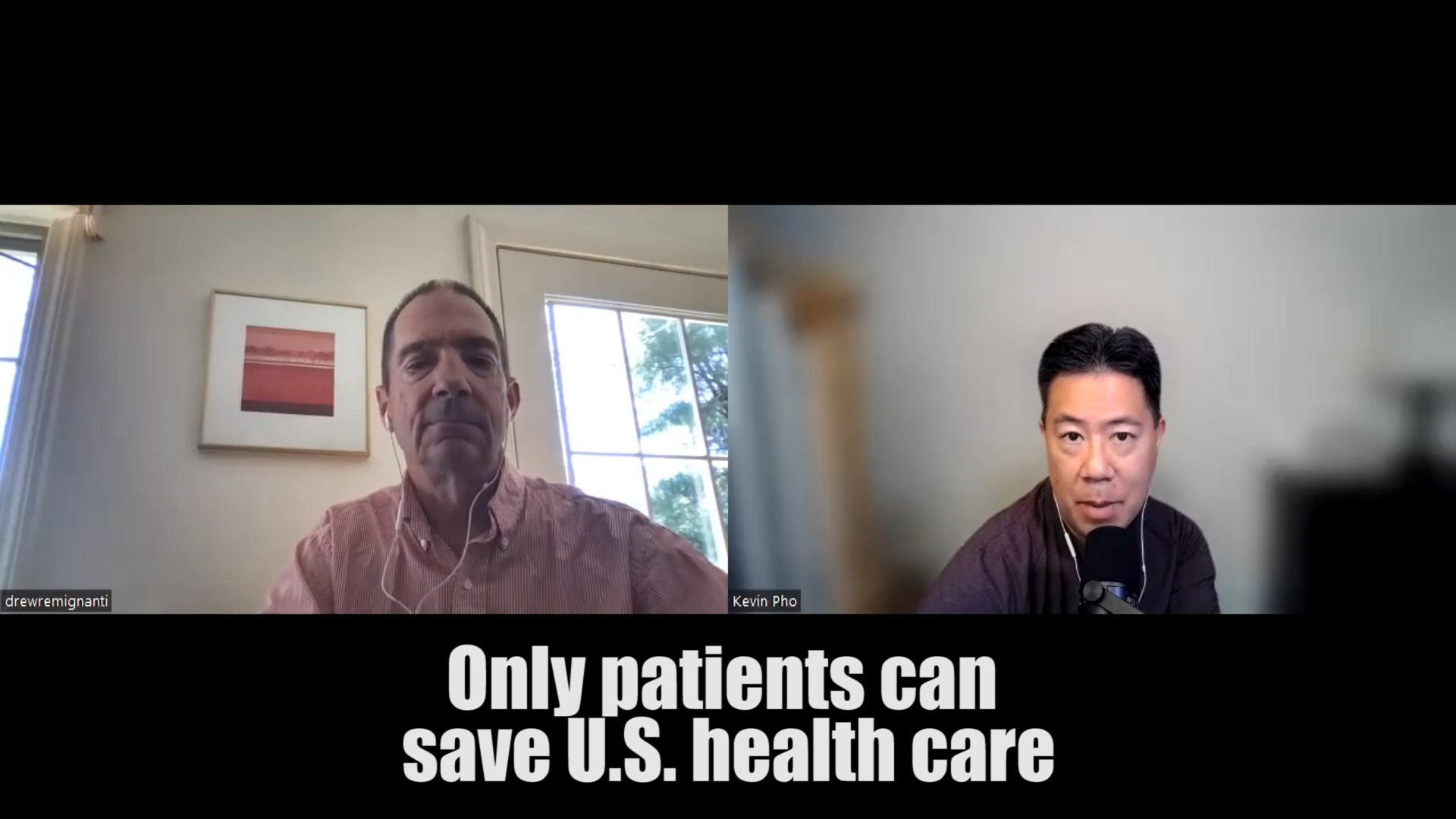
That is why the title sounds dramatic but is not exaggerated: only patients can save U.S. health care. Not because doctors, nurses, hospitals, employers, insurers, lawmakers, and regulators do not matter. They absolutely do. But the most overlooked force in the system is the person who lives with the consequences: the patient.
Patients are not merely “users” of health care. They are the reason health care exists. When patients become informed, organized, vocal, and unwilling to accept avoidable confusion, the system has to respond. One person asking for an itemized bill may not transform a hospital. Millions of people demanding clear prices, readable records, safer care, and fair appeals can change the entire market.
Why U.S. Health Care Feels So Broken
The American health care system is not one system. It is a patchwork quilt stitched together with employer plans, Medicare, Medicaid, marketplace coverage, private insurers, hospitals, pharmacy benefit managers, physician groups, urgent care chains, digital health apps, and enough acronyms to make alphabet soup file a complaint.
The result is a system that can deliver miracles and migraines in the same afternoon. A patient may receive world-class cancer care from a brilliant team, then spend six months arguing over whether a scan was “medically necessary.” A family may use a hospital with excellent safety ratings, then receive separate bills from the facility, the anesthesiologist, the lab, and a specialist they never remember meeting.
The cost problem is not imaginary
U.S. health spending reached roughly $5.3 trillion in 2024, or about 18% of the nation’s gross domestic product. That figure is so large it is hard to understand emotionally. So think of it this way: America spends enough on health care to make “just drink more water” sound like a national budget strategy.
High spending would be easier to defend if the country had the best access, the best outcomes, and the least financial stress. But international comparisons repeatedly show a painful pattern: the United States pays top-shelf prices while many patients experience bargain-bin navigation. Compared with peer nations, the U.S. often performs poorly on affordability, equity, preventable deaths, and access to care.
Insurance does not always equal protection
Health insurance is supposed to be the shield. For many people, it helps enormously. But for others, it feels more like an umbrella with mysterious holes. Patients may have coverage and still struggle with deductibles, copays, coinsurance, narrow networks, prior authorization, medication tiers, out-of-network surprises, and denied claims.
Millions of people remain uninsured, and even insured patients can delay care because they fear the bill. That fear matters. When people skip preventive visits, postpone tests, stretch medication, or avoid follow-up care, small problems can become expensive emergencies. The system then pays more, patients suffer more, and everyone pretends to be shocked when the bill grows fangs.
The Patient Is the Missing Power Center
For decades, health care reform has often been discussed from the top down: policy, payment models, hospital consolidation, insurer rules, workforce shortages, pharmaceutical pricing, and technology. These are real issues. But the patient’s daily experience is where policy either works or collapses.
Patients know where the maze is broken. They know which forms are impossible, which portals do not talk to each other, which bills make no sense, which offices never return calls, and which discharge instructions were written as if the patient recently graduated from medical school.
The problem is not that patients are uninterested. The problem is that the system often treats patient confusion as normal. It is not normal. It is expensive, unsafe, and deeply disrespectful.
Patients can expose hidden waste
Health care waste is not only fraud or unnecessary paperwork. It can be duplicate tests because records did not transfer, brand-name drugs prescribed when a generic would work, imaging ordered without a clear reason, preventable hospital readmissions, or follow-up appointments that answer no questions and generate three bills.
Patients are often the only people who see the whole journey. A specialist may know one slice. A hospital may know one episode. An insurer may know claims data. But the patient knows the story: who said what, what was tried, what failed, what was billed, and what still hurts at 2 a.m.
That lived knowledge is not a cute add-on. It is operational intelligence.
How Patients Can Save U.S. Health Care
Saving U.S. health care does not mean every patient must become a policy expert, medical coder, or full-time insurance detective. Nobody should need a PhD in billing just to survive an ear infection. But patients can take practical actions that create pressure for a better system.
1. Ask for prices before non-emergency care
Price transparency rules require hospitals to publish certain pricing information, and many insurers must provide cost-estimator tools. These tools are still imperfect, sometimes hilariously clunky, and occasionally about as user-friendly as a printer from 2004. Use them anyway.
Before a scheduled MRI, blood test, outpatient surgery, or specialist visit, patients can ask: What is the estimated total cost? Is the facility in network? Are all clinicians involved in network? Is there a lower-cost site of care? Would an independent imaging center or outpatient clinic cost less than a hospital department?
When enough patients ask these questions, providers and insurers learn that opacity has a cost. Silence is profitable. Questions are market pressure.
2. Treat medical records like a safety tool
Patients have rights to access their health information. That right is not just a paperwork detail; it is a safety strategy. A medical record can contain medication lists, diagnoses, lab results, allergies, imaging reports, visit notes, and discharge plans. Errors in those records can follow patients like gum on a shoe.
Patients should review their visit notes, medication lists, and test results. If something is wrong, ask for a correction. If a diagnosis is unclear, ask what evidence supports it. If a test result appears abnormal but nobody called, follow up. The phrase “I noticed this in my chart” may be one of the most underrated patient-safety tools in America.
3. Appeal denials instead of accepting them as final
Insurance denials can feel official, like a stone tablet descended from Mount Bureaucracy. But many denials are not the final word. Patients often have the right to appeal coverage decisions and request external review. The key is to act quickly, read the denial letter, collect documentation, and ask the clinician to provide a medical necessity statement.
Useful questions include: Why was this denied? Was it a coding issue, missing documentation, network problem, prior authorization issue, or medical necessity decision? What exact guideline was used? What is the appeal deadline? What supporting records are needed?
Patients do not have to be rude. They do have to be persistent. A polite, documented appeal can turn a “no” into a “yes,” or at minimum force the system to explain itself in daylight.
4. Build a primary care relationship
Primary care is not glamorous. It does not have the cinematic sparkle of emergency surgery or futuristic robotic procedures. But it is where better health care often begins. A strong primary care clinician can coordinate specialists, manage chronic conditions, catch risks early, review medications, and help patients avoid fragmented care.
Patients can save themselves trouble by bringing updated medication lists, naming every supplement they take, reporting side effects honestly, and asking what can be handled now versus later. “While I’m here…” should not become a 47-item treasure map, but a prepared visit can prevent confusion and repeat appointments.
5. Choose value, not just convenience
Convenience matters. If the nearest appointment is three months away and urgent care is open tonight, patients will do what they must. But whenever possible, patients should compare quality, cost, and setting.
A hospital-owned outpatient department may cost more than an independent clinic for the same service. A name-brand medication may cost far more than a generic. A high-priced specialist may not be necessary for routine management. Patients can ask whether there are clinically appropriate lower-cost options. That is not being cheap. That is being financially awake.
6. Report billing errors and unsafe experiences
Many patients find errors on medical bills: duplicate charges, wrong insurance information, services never received, incorrect dates, or mysterious fees with names that sound like rejected Star Wars planets. Asking for an itemized bill is a practical first step.
Patients should also report unsafe experiences: medication mix-ups, poor discharge instructions, ignored symptoms, infection concerns, or communication failures. Hospitals, medical boards, insurers, patient advocates, and state agencies all play roles in accountability. A complaint is not “being difficult” when the concern is real. It is feedback the system often desperately needs.
Patients Need Better Tools, Not More Homework
There is a danger in saying patients can save U.S. health care: it can sound like blaming patients for a system they did not design. That is not the point. Patients should not have to become warriors to receive basic care. A better system would be clear, fair, affordable, coordinated, and humane by default.
Still, until that system exists, patient power matters. But it must be supported by better tools. Patients need plain-language bills, real-time cost estimates, universal digital access to records, simpler appeals, stronger protections from medical debt, and care teams that welcome questions instead of treating them like suspicious behavior.
Technology can help, but only if it serves humans. A patient portal that hides important documents behind 11 clicks is not empowerment; it is hide-and-seek with lab results. Artificial intelligence may help summarize records, flag drug interactions, or draft appeal letters, but it must not become another black box that denies care faster.
Why Patient Activism Is Health Care Reform
Patient activism does not always look like marching in Washington. Sometimes it looks like a daughter keeping a medication spreadsheet for her father. Sometimes it is a cancer patient comparing clinical trial options. Sometimes it is a parent refusing to leave the hospital until discharge instructions make sense. Sometimes it is a community group helping neighbors enroll in coverage before a deadline.
When patients share stories, patterns become visible. One denied claim is frustrating. Ten thousand similar denials become evidence. One surprise bill is a nightmare. A national wave of surprise bills becomes legislation. One confusing hospital price file is annoying. A public demand for usable prices becomes enforcement pressure.
That is how patient experience turns into policy energy.
The Experience of Being a Patient in America
To understand why only patients can save U.S. health care, imagine a common experience. A woman with abdominal pain visits her primary care office. The clinician orders imaging. She asks where to go, and the office hands her a referral. She assumes the recommended imaging center is in network because, naturally, why would anyone send her somewhere expensive without warning? Adorable optimism. Weeks later, she receives a bill that looks like it escaped from a mortgage company.
Now imagine a different version. She asks for the procedure code. She calls her insurer and checks the imaging center. She asks whether a freestanding facility costs less than the hospital outpatient department. She confirms prior authorization. She saves the reference number. It is annoying. It is boring. It is the least fun scavenger hunt ever invented. But it may prevent a financial shock.
Another patient is discharged after heart failure treatment. He receives instructions, but they are dense and rushed. At home, he is unsure which medication changed. His daughter checks the portal, compares the discharge list with the old pill bottles, and notices a duplicate. She calls the clinic. The error is corrected before he takes the wrong combination. In this story, the family did not merely “participate.” They prevented harm.
Consider a person with diabetes whose medication suddenly becomes unaffordable. Instead of silently rationing it, he tells his clinician, asks about generics, manufacturer assistance, formulary alternatives, and community pharmacy prices. The care plan changes. His blood sugar stays safer. The system did not magically become affordable, but the patient’s honesty kept a cost problem from becoming a medical crisis.
Or think about a patient whose insurer denies a physical therapy claim after surgery. The denial letter is intimidating, full of words that seem designed to make the reader surrender and take up candle making. But the patient calls the surgeon’s office, asks for documentation, files an appeal, and requests external review if needed. The claim is reconsidered. Even when the appeal fails, the process creates a record. Records matter. Patterns matter. Pressure matters.
These experiences show the uncomfortable truth: U.S. health care often rewards the patient who asks, documents, compares, and challenges. That is unfair, because people who are sick, elderly, disabled, overwhelmed, grieving, working two jobs, or caring for children may have the least energy to fight. This is why patient power must become collective, not just individual.
Families can help. Employers can provide patient navigation benefits. Community organizations can host insurance literacy workshops. Clinics can train staff to explain costs without shame. Hospitals can invite patient advisors into safety committees. Schools can teach basic health literacy. Journalists can investigate patterns. Lawmakers can listen to patient stories before lobbyist talking points arrive wearing expensive shoes.
The most powerful patient experience is not anger alone. It is organized clarity. “Here is what happened. Here is what it cost. Here is what was confusing. Here is what would have prevented harm.” That kind of testimony is hard to dismiss. It turns frustration into reform.
Conclusion: The Future Belongs to the Activated Patient
U.S. health care will not be saved by one clever app, one hospital merger, one insurance slogan, or one politician promising to “cut red tape” while adding a fresh roll of it somewhere else. The system will improve when patients insist that health care become understandable, accountable, affordable, and centered on human beings rather than billing codes.
Only patients can save U.S. health care because only patients can connect the moral purpose of medicine with the daily reality of care. They are the ones waiting for appointments, reading bills, taking medications, recovering from surgery, caring for parents, fighting denials, and deciding whether symptoms are scary enough to risk a bill they cannot predict.
The patient revolution does not require everyone to become confrontational. It requires curiosity, documentation, shared decision-making, transparency, and collective pressure. Ask questions. Read your records. Challenge errors. Compare costs. Appeal denials. Share experiences. Support reforms that make the system easier for the next person.
Health care should not feel like a maze with a copay. But until the maze is rebuilt, patients holding the map may be America’s best hope.