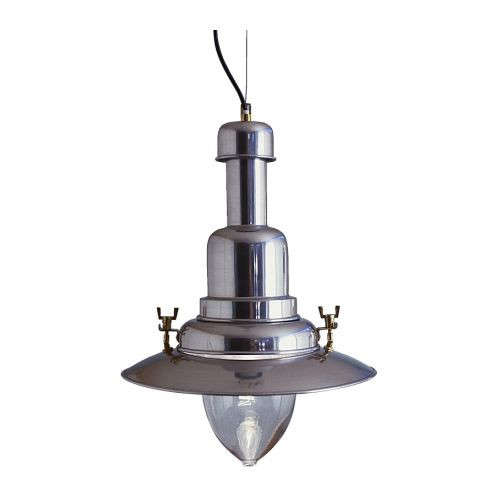
The Ottava pendant lamp is proof that you don’t need a “designer-only” budget to get a light fixture that looks like it belongs in a thoughtfully styled home.
It’s a simple, understated pendant with a clear glass dome and a metal topvery “Scandinavian calm,” with a little “old ship’s lamp” energy in the best way.
And because it’s a classic, it’s the kind of fixture that can swing modern, farmhouse, industrial, coastal, or minimalist depending on what you hang it above and what bulb you put inside.
In this guide, we’ll break down what makes the Ottava pendant lamp so popular, where it works best, how to size and hang it without regrets, and how to choose a bulb
that makes the whole setup look intentional (instead of “I grabbed whatever was on sale and now my kitchen looks like a parking garage”).
What Is the Ottava Pendant Lamp (and Why Do People Keep Buying It)?
“Ottava” is most commonly associated with IKEA’s Ottava pendant lamp: a metal-and-glass ceiling light designed to throw light downward and spread it evenly across a table or work surface.
The standout detail is the mouth-blown clear glass shade, which means each shade has small variationssubtle enough to feel refined, not “oops, a defect.”
The overall silhouette is clean: a dome of glass, a metal crown, and a cord that lets it sit neatly above dining tables, kitchen islands, or breakfast nooks.
The vibe: nautical-meets-Scandi, without trying too hard
Ottava’s “ship lamp” inspiration is a sneaky advantage. Nautical lighting often gets too theme-y (anchors! ropes! distressed driftwood fonts!),
but Ottava stays restrained. It reads as vintage-industrial, modern, or coastal depending on the room. In other words: it’s a chameleon, not a costume.
Ottava Pendant Lamp Specs That Actually Matter in Real Homes
Product listings can feel like they’re written by robots for other robots. Here’s the human translation of the specs that matter most when you’re deciding if Ottava is right for your space:
1) Size and scale
The Ottava pendant lamp is often listed around 11 ¾ inches (about 30 cm) in diameter, with a generous maximum drop length that works for standard ceilings and many taller ones.
That diameter is a sweet spot: big enough to feel substantial, small enough to use in pairs or trios without turning your ceiling into a chandelier traffic jam.
2) Light direction
Ottava is designed for downward lightthe kind you want over a dining table, island, or desk. That makes it more “task-friendly” than a purely decorative pendant,
especially if you choose a bulb with the right brightness and diffusion.
3) Materials and finish
The combination of metal (commonly aluminum) and clear glass is part of Ottava’s versatility. Clear glass keeps it visually lightgreat for smaller rooms or open layouts
while the metal top adds structure so it doesn’t look like a floating fishbowl.
Where the Ottava Pendant Lamp Looks Best
Because Ottava is simple, placement is everything. Put it in the right spot and it looks elevated; put it in the wrong spot and it looks like your ceiling is wearing an awkward hat.
Here are the best “Ottava-friendly” zones:
Over a dining table
This is the Ottava pendant lamp’s home turf. The clear glass dome feels airy above the table, and the downward light supports dinner, homework, board games, and dramatic speeches about who finished the last soda.
For rectangular tables, Ottava often works best as two pendants (or three for longer tables) rather than one lonely light trying to cover the whole situation.
Over a kitchen island
Ottava’s clear glass helps keep sightlines openuseful when your kitchen island is also your everything island: meal prep, socializing, “temporary mail storage,” and the place where someone always sets a backpack.
Two or three Ottavas can look polished if you nail spacing and choose bulbs that don’t glare.
In an entryway or stair landing (with enough clearance)
In an entryway, Ottava can read as a subtle statement. The key is height: you want the bottom of the fixture high enough that nobody feels like they’re entering the home through a low-flying UFO.
In a bedroom corner as a reading pendant
A pendant doesn’t have to live in the kitchen forever. Hung near a nightstand (and matched with a warm, cozy bulb), Ottava can function like a stylish alternative to a table lampespecially in small rooms where surface space is limited.
How High Should You Hang the Ottava Pendant Lamp?
Hanging height is where good lighting goes to either shine or spiral. The good news: there are widely used guidelines that work beautifully as a starting point.
The better news: you can fine-tune from there based on ceiling height, table size, and human factorslike whether anyone in your home is tall enough to qualify as a streetlight.
The classic rule over tables and counters
A common guideline is to hang pendant lights so the bottom of the fixture sits roughly 30 to 36 inches above the surface of a dining table or countertop.
This range helps balance visibility, comfort, and useful illumination.
In open areas: keep floor clearance in mind
If the pendant is in a walkway or open room area, aim for a setup where the bottom of the pendant is about 7 feet above the floor.
That keeps the fixture out of head-bonk territory.
Spacing if you’re using multiple Ottavas
If you’re hanging two or three pendants, spacing matters as much as height.
A common approach is to keep pendants roughly 18 to 30 inches apart (measured from fixture center to center) and to maintain a buffer from the edges of the island or table,
so the lights look centered and intentional rather than like they wandered off during installation.
Choosing the Right Bulb for the Ottava Pendant Lamp
Clear glass is gorgeousbut it’s honest. It will show the bulb, the glow, and any glare like it’s live-streaming your lighting decisions.
So let’s make those decisions good ones.
Think lumens, not watts
Brightness is measured in lumens. Watts tell you energy use, not light output. For a dining area, many people prefer a bulb in the ballpark of a traditional “40W–60W equivalent,”
depending on how much other lighting the room has. If the Ottava is your main light source, you may want brighter; if it’s part of a layered lighting plan, you can go softer.
Pick a color temperature that matches the room’s mood
For most dining rooms and living spaces, 2700K to 3000K is the cozy sweet spotwarm enough to feel inviting, not so yellow that your pasta looks like a sepia photograph.
Kitchens can sometimes handle slightly cooler light, but with clear glass pendants, warmer tones often feel more flattering and less clinical.
Clear vs. frosted vs. “vintage filament”
- Frosted or diffused bulbs: Great if you hate glare. They soften the light and make the bulb less visually harsh inside clear glass.
- Clear bulbs or filament-style LEDs: Great if you like a decorative look. Choose warm color temperatures and consider dimming, because clear bulbs can glare more.
- Smart bulbs: Useful if you want to dim or shift warmth without installing a dimmer. Just confirm compatibility with the fixture and your home setup.
Make sure the bulb base fits
Many Ottava listings reference an E26 base (a very common “medium” base in the U.S.). Always confirm the base type for the specific version you’re buying so your bulb actually screws in like it’s supposed to.
Style Ideas: Making Ottava Look Like You Meant It
Ottava is a “supporting actor” fixture. It won’t dominate your room like a crystal chandelier, but it will make everything around it look better if you style it smartly.
Here are a few reliable combinations:
Modern minimalist
Pair Ottava with clean cabinetry, simple hardware, and a neutral palette. Use a warm LED bulb and keep the cord drop neat. Let the glass dome echo other transparent elements
(like glass canisters, acrylic stools, or a minimal vase).
Industrial and loft-inspired
Ottava’s metal-and-glass form fits naturally with industrial materials: black hardware, concrete counters, exposed brick, or warm wood.
Choose a filament-style LED bulb for that workshop-meets-gallery feelbut put it on a dimmer if possible, because industrial chic is better when it doesn’t blind you.
Farmhouse, but make it modern
If your space leans farmhouse, Ottava can keep it from tipping into “shiplap overload.” Use it above a wood table, add warm bulbs, and let other elements (like textiles and pottery)
bring the cozy. The fixture stays simple so your decor can do the storytelling.
Coastal without the seashell soap dispenser
The subtle “ship lamp” inspiration plays beautifully with coastal style. Pair Ottava with natural textureslinen, jute, light oakand keep finishes cohesive.
The clear glass keeps the look breezy and open.
Installation and Safety Notes (Because Electricity Is Not a Hobby)
Pendant lights often require a ceiling electrical box and proper mounting support. Some versions are designed for hardwired installation and may reference hanging from a ceiling hook.
If you’re comfortable with basic home projects and local codes allow it, you can follow the manufacturer’s instructions carefullybut if there’s any doubt, hiring a licensed electrician is the smartest “upgrade” you can buy.
Practical tip: before finalizing height, temporarily hold the pendant at different drops (or have someone help) and sit/stand in the space. It’s easier to adjust before everything is locked in.
Cleaning and Maintenance: Keeping the Glass Looking Crisp
Clear glass looks amazing… right up until it collects kitchen haze, fingerprints, and the mysterious dust that appears even in homes where nobody admits to making dust.
To keep Ottava looking sharp:
- Turn the light off and let it cool before cleaning.
- Use a soft microfiber cloth to avoid scratching the glass or dulling the metal finish.
- A gentle glass cleaner can help, but don’t soak electrical parts or let liquid drip into sockets.
- Check the bulb occasionally for dust buildupclear glass makes it more noticeable.
Common Mistakes (and How to Avoid Them)
1) Hanging it too high
Too high and Ottava loses the cozy, focused “pool of light” effect. Over a table or island, start in the 30–36 inch-above-surface range and adjust based on your ceiling height and sightlines.
2) Using the wrong bulb
The wrong bulb can turn a charming pendant into a glare grenade. If the bulb is visible and too bright, go warmer, dimmable, and/or more diffused.
Clear glass rewards thoughtful bulb choice.
3) Treating it as the only light in the room
Designers often recommend “layered lighting”: ambient (overall), task (focused), and accent (decorative). Ottava is excellent task/feature lighting,
but most rooms feel best when it’s supported by other sourceslike under-cabinet lighting in kitchens or floor lamps in dining-adjacent spaces.
Conclusion
The Ottava pendant lamp wins because it’s simple, flexible, and surprisingly polished for a budget-friendly fixture.
Its clear glass dome keeps a room feeling open, while the metal top adds structure and a hint of vintage character.
Hang it at the right height, choose a warm, comfortable bulb, and treat it as part of a layered lighting planand it can look like a “considered design choice,” not just a ceiling necessity.
Real-World Experiences With the Ottava Pendant Lamp (What People Notice After Living With It)
In real homes, the Ottava pendant lamp tends to earn its keep in two ways: it looks better than people expect, and it teaches everyone in the household that bulbs are not a “whatever” decision.
Owners who place Ottava over a dining table often mention the same first impression: the clear glass feels airy, especially compared to opaque shades that visually “block” the space.
In smaller dining rooms or open-plan kitchens, that transparency matters. It can make the ceiling feel higher and the room less crowdedlike your decor just took a deep breath.
The second thing people notice is how much the bulb choice changes the experience. With a clear glass dome, a harsh bulb can create glare that bounces off the table surface,
especially if you have glossy countertops or a glass-topped table. Homeowners who switch to a warm, diffused LED often describe an immediate upgrade: the fixture still looks crisp,
but the light becomes more flattering and more comfortable for everyday use. If someone in the home is sensitive to bright light (or just enjoys a calm vibe),
dimmingeither through a compatible dimmer switch or a smart bulboften becomes the “why didn’t we do this sooner?” moment.
Another common experience: Ottava is a surprisingly good team player. People who use two pendants over a longer table often say the setup looks more intentional than a single fixture,
and it spreads light more evenly across the surface. Over islands, a pair or trio can make the kitchen feel designed, not merely lit.
But spacing is where reality tests your patience. Many homeowners end up doing a visual mock-up firstmarking positions, stepping back, sitting at the island, and adjustingbecause
“perfectly centered” on paper doesn’t always look centered once you account for stools, seating positions, or where people actually stand while chopping onions.
Finally, there’s the maintenance reality: clear glass shows dust. Not aggressively, not constantlybut enough that people notice when sunlight hits it at the wrong angle.
The good news is that a quick wipe restores the sparkle. The funny part is how often Ottava becomes the reason someone discovers their microfiber cloth collection has mysteriously vanished
into the same dimension as missing socks. Still, most long-term impressions stay positive: Ottava looks timeless, adapts to changing decor, andwhen paired with the right bulbcreates
a warm, welcoming glow that makes everyday life feel a little more put-together.