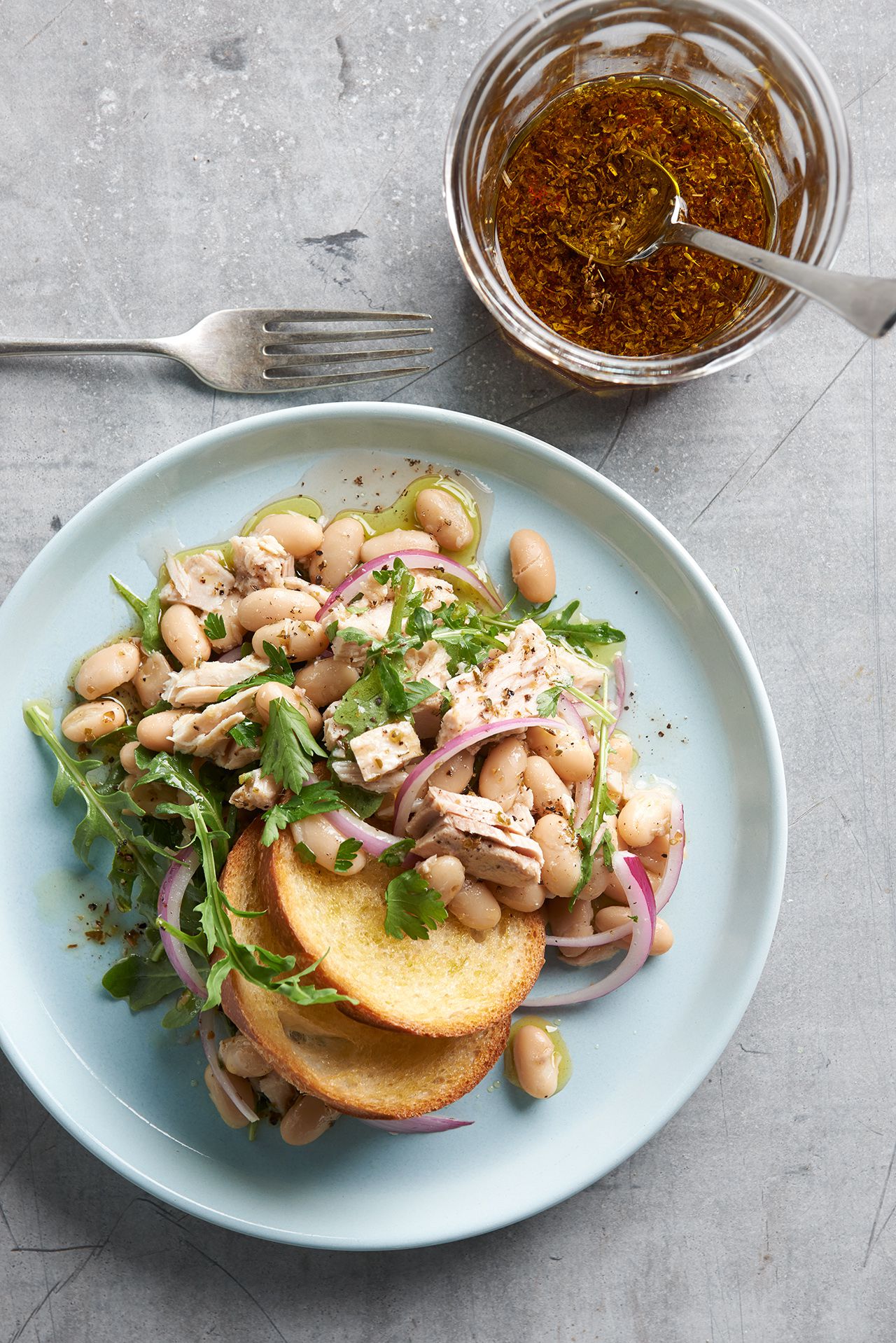
Canned tuna is the kind of ingredient that sits quietly in the pantry until life gets loud. Then suddenly it is dinner, lunch, a snack, and the hero of the night. Across major U.S. food publishers, it keeps showing up in all the right places: sandwiches, melts, pasta, rice bowls, salads, patties, and casseroles. That is not an accident. Canned tuna is affordable, shelf-stable, and flexible enough to behave like a blank canvas with protein.
The best part is that these recipes do not demand culinary drama. A can of tuna, a few fresh ingredients, and a smart flavor booster can turn a plain pantry staple into something that feels intentional. Food Network leans into classic tuna salad and tuna melts, EatingWell gives tuna a lighter makeover with rice bowls and healthier melts, The Kitchn keeps tuna casserole and pasta in the comfort-food lane, and Bon Appétit proves tuna can also go minimalist and stylish with spaghetti or a more polished salad.
Why canned tuna still deserves a permanent pantry slot
Canned tuna works because it is fast, adaptable, and forgiving. That matters on a weeknight, when the fridge looks half empty and the clock is rude. Most recipe roundups from Food Network, Allrecipes, Martha Stewart, Taste of Home, Better Homes & Gardens, and EatingWell come back to the same truth: tuna is a reliable base for simple meals that can lean creamy, crunchy, warm, bright, or hearty depending on what you add.
There is also a practical reason people keep reaching for it. Tuna plays nicely with the ingredients most households already have: mayonnaise, celery, onion, lemon, bread, pasta, rice, beans, cheese, and herbs. That is why it appears so often in “quick dinner,” “lunch ideas,” and “budget-friendly” recipe collections. The ingredient does not need a spotlight; it just needs direction.
1. Classic tuna salad that actually tastes fresh
The classic tuna salad is popular for a reason: it is quick, familiar, and endlessly customizable. Food Network’s version keeps the template simple, while Bon Appétit’s classic salad shows how a few briny or acidic ingredients can make tuna feel sharper and more balanced. The formula is easy: tuna, mayo or yogurt, celery, onion, a little mustard or lemon, and one crunchy or tangy element such as pickles, capers, or relish.
How to make it better
Drain the tuna well so the salad stays creamy instead of soggy. Then add texture. Finely chopped celery gives snap, red onion adds bite, and a squeeze of lemon wakes up the whole bowl. If you like a more modern lunch, try serving it in lettuce cups, on crackers, inside a pita, or over greens with tomatoes and cucumbers. That “simple but not boring” approach shows up again and again in modern tuna roundups.
2. Tuna melt: the sandwich that never apologizes
The tuna melt is comfort food with a golden jacket. Food Network, EatingWell, Bon Appétit, and even celebrity-inspired coverage all treat it as a dependable upgrade from plain tuna salad. The basic logic is hard to argue with: make tuna salad, add cheese, toast until crisp, and let the sandwich do the bragging for you.
A good melt depends on contrast. Soft filling, crunchy bread, and cheese that truly melts rather than merely warms up and makes a half-hearted effort. Many recipes recommend Swiss, cheddar, Monterey Jack, or American cheese, but the real secret is moisture control. Keep the tuna salad thick, and toast the bread well so the sandwich does not turn into a limp stack of regret.
Easy flavor upgrades
Try red onion, celery, dill, capers, pickled jalapeños, or a little smoked paprika. Food Network’s Mediterranean tuna melt and Bon Appétit’s tuna melt ideas both show how briny or Mediterranean ingredients can turn a familiar sandwich into something sharper and more interesting without making it fussy.
3. Tuna pasta for the nights when effort is optional
Tuna pasta is the definition of pantry intelligence. Bon Appétit’s tuna spaghetti leans minimalist with butter and black pepper, while Martha Stewart and The Kitchn both point to tuna pasta and tuna noodle casserole as proof that canned tuna can carry a comforting dinner without much fuss. These recipes work because pasta brings body, tuna brings protein, and a little sauce or fat binds everything together.
If you want the fastest version, toss warm spaghetti with tuna, olive oil or butter, garlic, lemon zest, parsley, and a handful of capers or olives. If you want something richer, fold tuna into a tomato sauce with onion and garlic, or take the creamy route with peas, noodles, and a baked topping. The great thing about tuna pasta is that it can be rustic, elegant, or somewhere in between, depending on how much energy you have left.
4. Tuna rice bowls that make leftovers look smart
Rice bowls are where canned tuna starts to feel surprisingly modern. EatingWell’s canned tuna rice bowl uses brown rice, cucumbers, avocado, kimchi, nori, and a spicy mayo drizzle, which shows how easily tuna can move from “emergency meal” to “I meant to make this.” Food Network and Bon Appétit also point toward tuna served with grains, beans, or other hearty ingredients, which is a good reminder that tuna loves a bowl format.
The bowl formula is simple: a base, a protein, something crunchy, something creamy, and a sauce. You can use rice, quinoa, or even couscous. Then add tuna, cucumber, shredded carrots, avocado, scallions, sesame seeds, or beans. A sauce made with mayo, sriracha, soy sauce, lemon, or vinegar pulls everything together. That structure gives you endless variation without needing a whole new recipe every time.
5. Tuna patties and cakes for a crisp, satisfying change of pace
When you want tuna to feel more like dinner and less like lunch, patties are a smart move. Allrecipes’ easy tuna patties rely on tuna, eggs, bread crumbs, lemon juice, and Parmesan, which is exactly the sort of short ingredient list that makes weeknight cooking feel possible. Baking or pan-frying turns the mixture into something crisp on the outside and tender inside.
This format also welcomes extras. Add chopped parsley, scallions, Dijon, or a little hot sauce. Serve the patties with salad, over rice, or tucked into buns like a seafood burger. If tuna salad is the quiet older sibling, tuna patties are the one who walks in with good shoes and a plan.
6. Tuna casserole still has a future
Yes, tuna casserole is still here, and no, it did not come to apologize. The modern versions from The Kitchn, Martha Stewart, and Bon Appétit show how much better the dish can be when you lean on real texture and seasoning instead of treating it like a shortcut to the past. Egg noodles, vegetables, creaminess, and a crunchy topping are the big players. The exact sauce may change, but the comfort factor stays put.
A good casserole does not taste like “canned tuna, but bigger.” It tastes like a complete dinner. That means onions or shallots for sweetness, garlic for depth, peas or spinach for freshness, and a crispy top for contrast. The newer recipes are especially good at proving that a pantry casserole can still feel current when the seasoning is thoughtful.
Small tuna tricks that make a big difference
If you only remember a few things, make them these: drain the tuna well, season boldly, and add contrast. Tuna needs acid, crunch, or heat to keep it from tasting flat. Lemon, vinegar, mustard, pepper, pickles, capers, fresh herbs, and onions all help. Food editors across Food Network, Bon Appétit, Better Homes & Gardens, and EatingWell keep repeating the same idea in different forms: tuna is best when something bright or crunchy stands next to it.
Another smart move is to choose the right style of tuna for the recipe. Oil-packed tuna usually feels richer in salads and pasta, while water-packed tuna works fine when the recipe already includes a creamy dressing or sauce. That distinction shows up often in tuna recipe coverage and helps explain why one can tastes silky in a salad while another feels better in a casserole.
What I learned from making canned tuna recipes again and again
The first lesson is that canned tuna rewards confidence more than perfection. The recipes that taste best are rarely the ones with the longest ingredient list. They are the ones that understand balance. A little acidity makes tuna taste cleaner. A little fat makes it feel luxurious. A little crunch makes it interesting enough that you do not get bored halfway through the bowl. That is why a basic tuna salad can taste completely different depending on whether you add lemon and celery, mustard and pickles, or dill and capers.
The second lesson is that canned tuna is a shape-shifter. Some nights it should be a sandwich, because the cheese and toast do the heavy lifting. Some nights it should be pasta, because a warm starch makes the meal feel fuller and calmer. Some nights it should be a bowl, because bowls are the universal language of “I have multiple toppings and I am using them.” And some nights it should be a patty or casserole, because there is comfort in turning a humble can into something that looks like you planned ahead.
The third lesson is the most useful one in real life: you do not need a special occasion to make a good tuna recipe. That is the magic of this ingredient. It is there on the shelf, waiting patiently, long after the fresh herbs have wilted and the takeout budget has given you a stern look. When cooking gets tired, canned tuna keeps dinner from collapsing into chaos. It is cheap without feeling cheap, simple without being dull, and flexible enough to survive whatever is left in the fridge. That is why tuna continues to appear in so many American recipe roundups, from classic salads to modern rice bowls and upgraded melts.
I also learned that tuna recipes become more enjoyable when you stop trying to make them all behave the same way. Tuna salad should be cool, creamy, and crisp. Tuna melts should be oozy and crunchy. Tuna pasta should feel saucy and comforting. Tuna bowls should feel fresh and layered. Tuna patties should be golden and satisfying. Tuna casserole should be hearty and soothing. When each recipe gets its own personality, canned tuna stops being “the backup plan” and starts acting like a genuinely useful dinner ingredient.
And finally, tuna teaches a useful kitchen habit: keep the pantry working for you. A can of tuna, a box of pasta, a bag of rice, a lemon, an onion, and something crunchy can go a very long way. Once you start seeing those ingredients as a toolkit instead of leftovers, weeknight dinner becomes less of a crisis and more of a quick little assembly job. That is probably why this ingredient has stayed relevant for so long. It fits real life, not fantasy life.
Conclusion
Our best canned tuna recipes are easy to make because they start with a pantry staple that already knows how to do the work. With a few smart additions, tuna becomes a bright salad, a golden melt, a cozy casserole, a quick pasta, or a fresh rice bowl. That is the beauty of this ingredient: it is simple enough for a rushed Tuesday, but flexible enough to keep dinner interesting all week long.