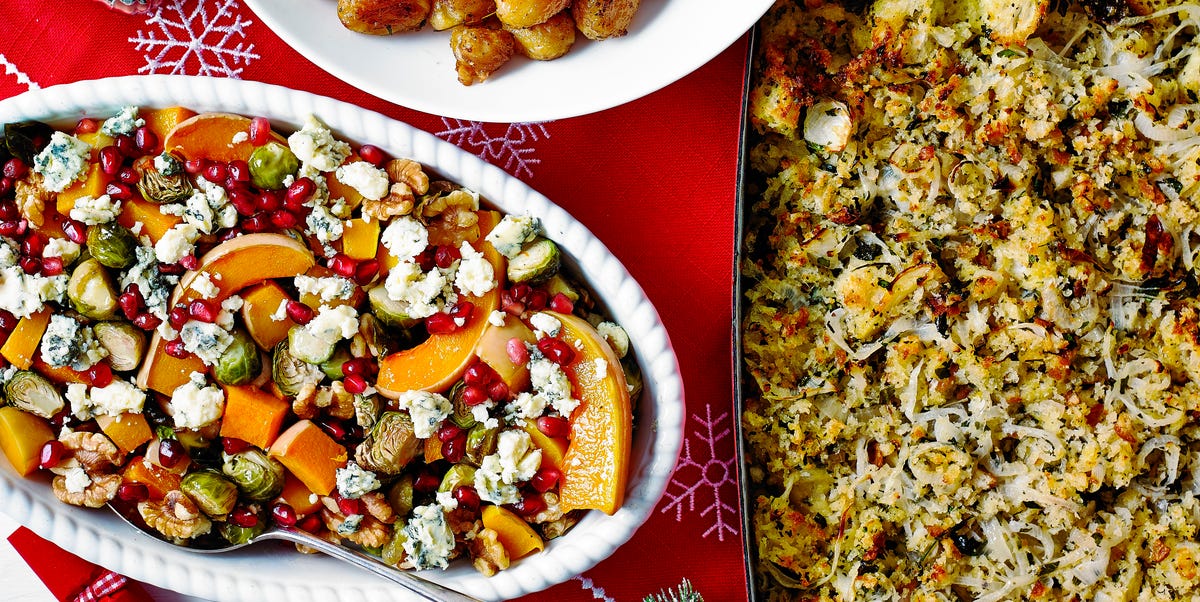
There are holiday side dishes, and then there is stuffing: the buttery, herb-scented, golden-topped champion that somehow disappears before anyone remembers to serve the salad. This chunky sage and onion stuffing recipe is built for the latter category. It is vegetarian, generous, deeply savory, and full of crisp-edged bread cubes that refuse to turn into sad, damp wallpaper.
Instead of relying on meat for personality, this festive stuffing gets its flavor from slowly cooked onions, earthy mushrooms, celery, fresh sage, garlic, vegetable broth, and plenty of sturdy bread. The result is rich enough to sit beside a roast turkey without feeling like an afterthought, but satisfying enough to become the main event for vegetarian guests. In other words, it is the peace treaty your holiday table has been waiting for.
Why This Chunky Sage and Onion Stuffing Works So Well
A great vegetarian stuffing should not feel like a compromise. It should have contrast: tender vegetables, chewy bread, crispy corners, fresh herbs, and enough savory depth to make everyone reach for another spoonful while pretending they are “just checking the seasoning.”
Big Pieces Create Better Texture
The secret is in the word chunky. Rather than finely chopping every ingredient into tiny, anonymous bits, this recipe uses generous bread cubes, larger pieces of onion, thick celery slices, and chopped mushrooms. Each bite has its own character. You get soft, buttery bread next to a caramelized onion edge, followed by a burst of sage and a little earthy mushroom richness.
Small bread cubes can make a lovely soft dressing, but larger cubes give this vegetarian stuffing recipe more personality. They soak up vegetable broth without losing all structural dignity. Think of them as tiny edible sponges with excellent boundaries.
Sage and Onion Are Holiday Classics for a Reason
Sage has a warm, woodsy flavor that instantly makes a kitchen smell like the holidays are underway. Onion adds sweetness as it cooks, while celery brings freshness and a gentle crunch. Together, they create the familiar savory flavor people expect from classic holiday stuffing.
Fresh sage is ideal because it brings brightness and aroma, but dried sage works beautifully when fresh herbs are unavailable. Add thyme and parsley for a fuller herb profile, then let garlic and black pepper provide a little extra backbone. The flavor is traditional without being boring, which is pretty much the dream for every festive side dish.
It Is Vegetarian but Still Deeply Savory
Vegetarian stuffing does not need fake meat or complicated ingredients to taste complete. Mushrooms bring umami, butter adds richness, and a good vegetable broth ties everything together. Use a high-quality vegetarian broth with a full-bodied flavor. A thin, watery broth can make stuffing taste like it has forgotten why it came to the party.
This recipe includes eggs, butter, and optional vegetarian Parmesan, so it is vegetarian rather than vegan. For a vegan sage and onion stuffing, simply use plant-based butter, omit the eggs, add an extra splash of vegetable broth, and choose dairy-free cheese only if you want it.
Chunky Sage and Onion Vegetarian Stuffing Recipe
Serves: 10 to 12 as a side dish
Prep time: 30 minutes, plus bread-drying time
Cook time: 45 to 50 minutes
Oven temperature: 375°F
Ingredients
- 1 large loaf sturdy country bread, sourdough, French bread, or Italian bread, cut into 1-inch cubes, about 14 to 16 cups
- 10 tablespoons unsalted butter, divided
- 3 large yellow onions, peeled and cut into chunky 3/4-inch pieces
- 4 celery stalks, sliced into thick pieces
- 8 ounces cremini or baby bella mushrooms, roughly chopped
- 3 garlic cloves, minced
- 1/4 cup finely chopped fresh sage
- 1 tablespoon fresh thyme leaves
- 1/2 cup chopped fresh parsley
- 2 1/2 to 3 cups low-sodium vegetable broth, warmed
- 2 large eggs, lightly beaten
- 1 1/2 teaspoons kosher salt, plus more to taste
- 1 teaspoon freshly ground black pepper
- 1/2 teaspoon crushed red pepper flakes, optional
- 1/2 cup chopped toasted pecans or walnuts, optional
- 1/3 cup grated vegetarian Parmesan, optional
How to Make the Best Vegetarian Sage and Onion Stuffing
Step 1: Dry the Bread
Preheat the oven to 275°F. Spread the bread cubes across two baking sheets in an even layer. Bake for 25 to 35 minutes, tossing once halfway through, until the bread feels dry and firm but is not browned like croutons.
Dry bread is one of the most important parts of homemade stuffing. Fresh bread can become too soft when broth is added, while dried bread drinks in flavor without collapsing into a carb-heavy puddle. Let the cubes cool slightly, then transfer them to a very large mixing bowl.
Step 2: Cook the Chunky Vegetables
Increase the oven temperature to 375°F. Butter a 9-by-13-inch baking dish with 1 tablespoon of butter and set it aside.
In a large skillet or Dutch oven, melt the remaining butter over medium heat. Add the onions, celery, mushrooms, salt, and black pepper. Cook for 12 to 15 minutes, stirring occasionally, until the onions are soft, lightly golden, and smelling suspiciously good enough to eat with a fork.
Add the garlic, sage, thyme, and red pepper flakes, if using. Cook for 1 minute, just until fragrant. Stir in the parsley and remove the pan from the heat.
Step 3: Combine the Stuffing Mixture
Pour the warm vegetable mixture over the dried bread cubes. Add the optional nuts and vegetarian Parmesan, then toss gently. In a small bowl, whisk together 2 1/2 cups of warm vegetable broth and the beaten eggs.
Drizzle the broth mixture over the bread a little at a time, tossing gently after each addition. The bread should feel moist throughout, but it should not be swimming in liquid. Add the remaining broth only as needed. Different breads absorb broth differently, so trust your eyes more than a measuring cup with a superiority complex.
Step 4: Bake Until Golden and Crisp
Transfer the stuffing mixture to the prepared baking dish. Cover with foil and bake for 25 minutes. Remove the foil and bake for another 20 to 25 minutes, until the top is crisp and golden brown and the center is hot.
Let the stuffing rest for 10 minutes before serving. This small pause helps the texture settle and prevents everyone from burning their mouths while insisting they “could not wait.”
Best Bread Choices for Sage and Onion Stuffing
The bread you choose will shape the final texture of your holiday stuffing. A rustic loaf with a sturdy crumb is usually the safest choice because it can absorb broth and butter while still holding its form.
Sourdough
Sourdough is a strong option for anyone who likes a little tang. It has enough structure to stay chunky after baking and adds a subtle depth that works especially well with sage, onion, and mushrooms.
Country Bread or Italian Bread
Country loaves and Italian bread create a classic stuffing texture: crisp on top, tender in the middle, and slightly chewy around the edges. They are practical, affordable, and easy to find at most grocery stores.
Challah or Brioche
Challah and brioche make a richer, softer stuffing because they contain more fat and eggs. They are delicious, but they can become delicate if over-soaked. Use slightly smaller bread cubes and add broth gradually.
Gluten-Free Bread
To make gluten-free vegetarian stuffing, choose a sturdy gluten-free loaf and dry it thoroughly before adding the broth. Gluten-free bread can absorb liquid quickly, so begin with less broth and add more only when needed.
Easy Variations for a Festive Vegetarian Stuffing
This chunky sage and onion stuffing recipe is intentionally flexible. Once you know the basic method, you can adjust it for your holiday menu, pantry, or the mysterious bag of cranberries someone bought three weeks ago.
Apple and Cranberry Stuffing
Add 1 diced tart apple and 1/2 cup dried cranberries with the vegetables. The apple brings gentle sweetness, while cranberries add a bright, tangy note that works beautifully with roasted vegetables and creamy mashed potatoes.
Mushroom and Chestnut Stuffing
Use a mix of cremini, shiitake, or oyster mushrooms, then fold in chopped roasted chestnuts before baking. This version has an especially rich, earthy flavor and makes an excellent vegetarian Thanksgiving side dish.
Caramelized Onion and Gruyère Stuffing
Cook the onions for an extra 15 minutes until deeply caramelized, then stir in shredded Gruyère or vegetarian Parmesan. It is rich, savory, and not remotely subtle. In the best possible way.
Vegan Sage and Onion Stuffing
Use plant-based butter, replace eggs with an additional 1/2 cup of vegetable broth, and make sure your bread and broth are vegan. Add toasted walnuts or pecans for extra richness and texture.
Make-Ahead Tips for a Stress-Free Holiday Meal
The holiday dinner schedule is usually a dramatic puzzle involving limited oven space, a roast that needs resting time, and someone asking why the gravy is not ready yet. Thankfully, this vegetarian stuffing can be prepared ahead.
Dry the bread cubes up to two days in advance and store them in an airtight container at room temperature. You can also cook the vegetables, herbs, and mushrooms one day ahead. Refrigerate them in a covered container, then warm slightly before combining with the bread and broth.
For a fully assembled make-ahead stuffing, prepare the mixture, transfer it to the baking dish, cover tightly, and refrigerate overnight. Bake it the next day, adding a few extra minutes if it goes into the oven cold. Keep the dish covered for the first half of baking so the center warms through before the top becomes crisp.
How to Avoid Soggy or Dry Stuffing
Stuffing is wonderfully forgiving, but it does have two emotional extremes: too dry and too wet. Fortunately, both can be avoided.
For Stuffing That Is Too Dry
Add warm vegetable broth in small amounts before baking. If the stuffing looks dry after it comes out of the oven, spoon a little warm broth around the edges and cover the dish for five minutes.
For Stuffing That Is Too Wet
Remove the foil and bake the stuffing uncovered until the top becomes crisp and the excess moisture evaporates. Avoid adding all the broth at once; bread absorbs liquid at different speeds, and patience is cheaper than a rescue mission.
For More Crispy Edges
Use a wide, shallow baking dish rather than a deep casserole. More surface area means more golden top and more crunchy corners, which are basically the holiday equivalent of finding an extra fry at the bottom of the bag.
What to Serve With Chunky Sage and Onion Stuffing
This vegetarian holiday stuffing fits easily into a Thanksgiving, Christmas, Friendsgiving, or winter dinner menu. Serve it with roasted turkey for guests who eat meat, or make it part of a fully vegetarian feast with mushroom gravy, roasted carrots, green beans, sweet potatoes, cranberry sauce, and a bright winter salad.
It also pairs beautifully with roasted acorn squash, baked butternut squash, lentil loaf, vegetarian pot pie, or a simple plate of roasted Brussels sprouts. The savory sage flavor plays well with sweet vegetables, tart fruit sauces, creamy potatoes, and anything involving gravy. Which, to be fair, is one of humanity’s most reliable inventions.
Leftover Stuffing Ideas
Leftover stuffing should be treated as a reward, not an obligation. Reheat it in a skillet with a little butter to restore crisp edges, then top it with a fried egg for breakfast. Mix it with mashed potatoes to make savory patties, or press it into a waffle maker for a crispy stuffing waffle.
You can also turn leftover vegetarian stuffing into stuffed mushrooms, use it as a topping for baked squash, or form it into small cakes and pan-fry them until crisp. Refrigerate leftovers promptly and reheat them until hot before serving.
A 500-Word Holiday Table Experience: Why This Stuffing Becomes the Dish Everyone Talks About
Every holiday table has its personalities. There is the roast, sitting in the center like it has hired a publicist. There are the mashed potatoes, humble but wildly popular. There is cranberry sauce, which somehow causes both nostalgia and debate despite arriving in a shape suspiciously similar to the can it came from. Then there is stuffing: the side dish that quietly wins the night.
A chunky sage and onion stuffing has a special kind of magic because it feels familiar and new at the same time. The smell alone can change the mood of a kitchen. Butter warming in a pan, onions softening at the edges, sage releasing that woodsy perfume, and bread toasting in the oven create a scent that says, “Someone has put real effort into this meal.” Even before dinner begins, people drift toward the kitchen with increasingly flimsy excuses. They need water. They are checking the weather. They are absolutely not trying to steal a spoonful of onions from the skillet.
When the dish reaches the table, it has a little bit of visual drama without being fussy. The top is golden and crisp, the edges are darker and buttery, and the center is full of soft bread, vegetables, and herbs. It looks generous. It does not need a tower of garnish or a complicated sauce to announce itself. A big serving spoon is enough. The first scoop breaks through the crust and releases steam scented with sage, onion, and roasted bread. Suddenly, everyone who claimed to be “saving room for dessert” becomes very interested in side dishes.
The best part is that this stuffing gives vegetarian guests something substantial and celebratory. They are not limited to a lonely plate of vegetables while everyone else gets the dramatic centerpiece. This is hearty, savory food that belongs at the center of a festive meal. It works alongside turkey, ham, or roast chicken, but it also stands confidently beside mushroom gravy, roasted squash, lentil loaf, and all the other dishes that make a vegetarian holiday table feel abundant.
There is also something wonderfully practical about a casserole of stuffing. It can be prepared ahead. It can sit for a few minutes without losing its charm. It can be reheated. It can feed a crowd. It can stretch a holiday menu when an unexpected guest arrives with a hungry teenager, a plus-one, and a vague apology. Stuffing does not panic. Stuffing adapts.
By the end of the meal, the dish is usually scraped almost clean. There may be a few crispy corner pieces left, which are quickly claimed by whoever has the fastest fork. Someone asks for the recipe. Someone else says they normally do not care about stuffing but this one is different. That is the moment when you know the dish has succeeded. Not because it was complicated, but because it was warm, flavorful, generous, and exactly what a festive table needs: comfort with a little crunch.
Final Thoughts
This chunky sage and onion stuffing recipe proves that a vegetarian holiday side dish can be every bit as rich, comforting, and memorable as the traditional versions. With sturdy bread, sweet onions, fresh sage, mushrooms, vegetable broth, and crisp golden edges, it brings familiar festive flavor without relying on meat.
Make it for Thanksgiving, Christmas dinner, Friendsgiving, or any winter gathering where people deserve a little extra comfort on their plates. Just be prepared: once guests taste it, “vegetarian stuffing” may become the most requested dish at every future celebration.