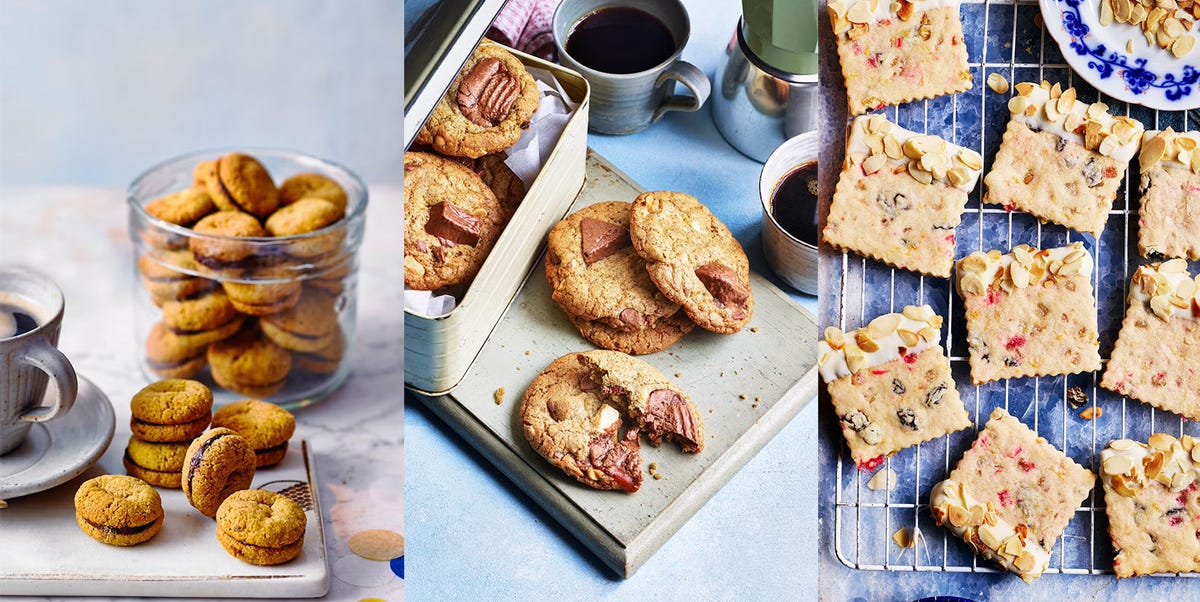
Some cravings whisper. A cookie craving does not. It kicks open the pantry door, points at the butter, and says, “We both know why we’re here.” Whether you call them cookies, biscuits, sweet bites, tea treats, or “the reason I bought emergency chocolate chips,” these little baked wonders have one job: deliver joy quickly, preferably while still warm enough to make the chocolate look dramatic.
This guide rounds up our favorite biscuit and cookie recipes for when you need that sugar hit, from chewy chocolate chip cookies to buttery shortbread, cinnamon-sugar snickerdoodles, oat-packed comfort cookies, peanut butter classics, jammy thumbprints, no-bake cocoa drops, and a few big-batch options for when one cookie simply feels disrespectful. Along the way, we’ll cover the practical baking details that actually matter: how brown sugar affects chew, why chilling dough can improve flavor, when to use parchment, how to keep cookies soft, and how to freeze dough for future snack emergencies.
In American English, “biscuit” usually means a flaky quick bread served with butter or gravy. But in many parts of the world, “biscuit” also means a sweet, crisp cookie. For this article, we’re embracing the dessert meaning: dunkable, snackable, sweet, and highly capable of improving a Tuesday.
Why cookies and sweet biscuits are the ultimate sugar-hit dessert
Cookies are the dessert equivalent of instant mood lighting. They do not require a cake stand, a long speech, or a tiny fork nobody can find. Most recipes use pantry staplesflour, sugar, butter, eggs, vanilla, salt, baking soda or baking powderand then let you customize with chocolate, nuts, oats, citrus zest, spices, jam, coconut, dried fruit, or whatever treasure is hiding behind the rice.
The best biscuit and cookie recipes also scale beautifully. You can bake six oversized chocolate chip cookies for a movie night, dozens of sugar cookies for decorating, a pan of blondie-style cookie bars for a crowd, or a freezer bag of dough balls for future you. Future you, by the way, is already grateful.
The baking basics that make cookies better
1. Choose your sugar like you mean it
Granulated sugar helps cookies spread and crisp. Brown sugar brings moisture, chew, and deeper caramel flavor because of its molasses content. A balanced cookie often uses both: white sugar for structure and edges, brown sugar for that soft center people pretend they are not fighting over.
2. Chill dough when flavor matters
Chilling cookie dough gives flour time to hydrate and butter time to firm up. The result is usually better flavor, less wild spreading, and a dough that behaves like it has attended finishing school. Even 30 minutes can help, while an overnight rest can make chocolate chip cookies taste richer and more caramelized.
3. Do not overbake the soft ones
Soft cookies should come out when the edges look set but the centers still seem slightly underdone. They keep baking on the hot sheet after they leave the oven. If you wait until the middle looks fully firm, congratulations: you may have invented a coaster.
4. Use parchment for easy cleanup
Parchment paper prevents sticking, encourages even baking, and saves you from chiseling caramelized sugar off the pan like an archaeologist with regrets.
Our favorite biscuit and cookie recipes for every sugar craving
1. Chewy chocolate chip cookies
Best for: the classic sugar hit, emergency dessert, emotional support baking.
There is a reason chocolate chip cookies remain the undefeated champion of homemade cookie recipes. The best version has crisp golden edges, a chewy middle, and enough chocolate pockets to make every bite feel intentional.
For a chewy batch, use more brown sugar than white sugar, melted or softened butter depending on your preferred texture, and a generous splash of vanilla. Chopped chocolate creates melty pools, while classic chips hold their shape. Both are valid. This is not the time for dessert gatekeeping.
Flavor twist: Add flaky salt on top before baking. Salt does not make cookies less sweet; it makes the sweetness taste brighter and the chocolate taste more chocolatey.
2. Brown sugar shortbread biscuits
Best for: tea, coffee, gifting, and pretending you run a charming bakery.
Shortbread is the elegant cousin of the cookie family. It asks for very littleusually butter, sugar, flour, and saltbut rewards you with crumbly, buttery richness. Brown sugar shortbread adds a warm caramel note that makes the cookie feel deeper and less one-dimensional.
Shape the dough into a log, chill it well, slice into rounds, and bake until the edges are lightly golden. Because shortbread does not spread much, it is perfect for slice-and-bake planning. Keep a log in the freezer, and you are never more than 15 minutes away from biscuits that say, “Yes, I absolutely have my life together.”
3. Oatmeal chocolate chip cookies
Best for: chewy texture lovers and anyone trying to convince themselves oats make dessert practical.
Oatmeal cookies bring chew, comfort, and a little rustic charm. Old-fashioned rolled oats create a hearty texture, while quick oats make a softer, more uniform cookie. Add chocolate chips or chopped dark chocolate, and suddenly the cookie moves from “grandma’s pantry” to “please hide these from me.”
For extra softness, add a spoonful of cornstarch to the dry ingredients or use melted butter to hydrate the oats before baking. Cinnamon, vanilla, and brown sugar round everything out. Raisins are optional, controversial, and best announced clearly to avoid household drama.
4. Cinnamon-sugar snickerdoodles
Best for: cozy cravings, holiday trays, and cinnamon fans who own more than one sweater.
Snickerdoodles are soft sugar cookies rolled in cinnamon sugar, but their charm comes from a little tang. Traditional recipes use cream of tartar, which gives snickerdoodles their signature flavor and helps create that tender, slightly chewy bite.
The key is not to bake them too long. You want puffy centers, light golden edges, and a cinnamon-sugar coating that crackles gently when you bite in. Brown butter can make snickerdoodles taste nutty and toasted, but even the classic version is pure cookie comfort.
5. Peanut butter cookies
Best for: salty-sweet cravings and pantry baking.
Peanut butter cookies are bold, nostalgic, and wonderfully simple. Many recipes start with peanut butter, sugar, egg, vanilla, and salt, while more traditional versions include flour and leavening for extra structure. Either way, the crisscross fork pattern is not just decorationit gently flattens dense dough so the cookies bake evenly.
For a bigger sugar hit, press a chocolate kiss into each cookie after baking or fold in chocolate chips. For more texture, use crunchy peanut butter or add chopped roasted peanuts. These cookies are also excellent with a cold glass of milk, hot coffee, or the quiet satisfaction of eating one over the sink.
6. Lemon sugar cookies
Best for: when you want something sweet but not heavy.
Lemon sugar cookies are bright, cheerful, and dangerously easy to keep eating. Lemon zest gives the strongest citrus flavor, while a little lemon juice adds freshness. Roll the dough balls in sugar before baking for sparkly tops and lightly crisp edges.
These cookies work beautifully in spring and summer, but they are also excellent in winter when your taste buds need a vacation. Add almond extract for a bakery-style flavor, or drizzle cooled cookies with a lemon glaze made from powdered sugar and lemon juice.
7. Double chocolate cookies
Best for: chocolate emergencies, breakups, deadlines, and Tuesdays.
Double chocolate cookies begin with cocoa powder in the dough and finish with chocolate chips or chunks folded in. The goal is a brownie-like center with crisp edges. Use Dutch-process cocoa for a darker, smoother flavor or natural cocoa for a sharper chocolate note, depending on the recipe’s leavening.
Chill the dough before baking if you want thicker cookies. Pull them when the tops look set but still soft. A sprinkle of flaky salt or a handful of white chocolate chips can add contrast. These cookies are not subtle, and that is the point.
8. Jam thumbprint biscuits
Best for: pretty cookie boxes and fruit lovers.
Thumbprint cookies look fancy but are secretly low-stress. The dough is usually buttery and simple, shaped into small balls, indented in the center, and filled with jam. Raspberry, apricot, strawberry, and blackberry all work well. Lemon curd also deserves applause.
To prevent cracking, indent the dough gently after rolling, and if cracks appear, press them back together. Chill before baking so the cookies hold their shape. Once baked, they look like tiny jewels, which is exactly the kind of drama dessert should provide.
9. No-bake chocolate oatmeal cookies
Best for: hot days, oven avoidance, and impatient sweet tooths.
No-bake cookies are the heroes of the “I need dessert now” category. A mixture of sugar, butter, milk, and cocoa is boiled briefly, then stirred with peanut butter, oats, vanilla, and salt. Once scooped onto parchment, the cookies set as they cool.
The important step is the boil. If the syrup does not cook long enough, the cookies may stay sticky. If it cooks too long, they can turn dry and crumbly. Aim for a full rolling boil for about one minute, then move quickly. This is not the moment to answer a text unless the text says, “Bring cookies.”
10. Cookie bars and blondies
Best for: crowds, bake sales, and bakers who dislike scooping dough.
Cookie bars deliver all the satisfaction of cookies without the batch-by-batch routine. Press dough into a pan, bake, cool, slice, and serve. Blondies are especially adaptable: add chocolate chips, butterscotch chips, toasted nuts, coconut, pretzels, or crushed sandwich cookies.
For neat slices, let bars cool completely before cutting. Yes, this is difficult. Yes, someone will try to “even out the edge” with a butter knife. That person may be you.
How to match the cookie to the craving
When you want soft and chewy
Choose chocolate chip, oatmeal, brown sugar, peanut butter, or snickerdoodle cookies. Use more brown sugar, avoid overbaking, and store the cookies in an airtight container. Chilling the dough can also help the cookies bake thicker and more evenly.
When you want crisp and dunkable
Choose shortbread, thin sugar cookies, biscotti-style biscuits, or butter cookies. Use more white sugar, bake until the edges are golden, and let the cookies cool fully before storing. Crisp cookies are happiest away from soft cookies because moisture migration is real, and nobody wants a soggy snap.
When you want rich and chocolatey
Choose double chocolate cookies, chocolate chunk shortbread, skillet cookies, or brownie-like cookie bars. Add espresso powder if you want to intensify the cocoa flavor without making the cookies taste like coffee.
When you want something quick
No-bake oatmeal cookies, peanut butter cookies, and cookie bars are your best friends. If you keep pre-portioned cookie dough in the freezer, nearly any cookie becomes a quick cookie. That is not meal prep. That is joy prep.
Storage and freezer tips for cookie emergencies
Soft cookies stay best in airtight containers, not loose-lidded cookie jars. Crisp cookies should be stored separately from chewy cookies so each keeps its intended texture. Strongly flavored cookies, such as peanut butter or mint chocolate, should also be stored away from delicate butter cookies unless you enjoy surprise peanut butter shortbread.
Most baked cookies keep well at room temperature for several days in a sealed container. For longer storage, freeze baked cookies in a single layer first, then stack them with parchment between layers in a freezer-safe container or bag.
For the freshest result, freeze dough instead of finished cookies. Scoop drop-cookie dough onto a parchment-lined sheet, freeze until firm, then transfer the dough balls to a labeled freezer bag. Bake from frozen, adding a minute or two as needed. This is how you turn a quiet weeknight into a warm-cookie event with almost no effort.
Small upgrades that make homemade cookies taste bakery-level
Toast your nuts
Walnuts, pecans, almonds, and hazelnuts taste far better after a short toast in the oven. Toasting brings out nuttiness and keeps mix-ins from tasting flat.
Brown the butter
Brown butter adds a nutty, caramel-like depth to chocolate chip cookies, snickerdoodles, and blondies. Let it cool before mixing so it does not melt the dough into cookie soup.
Use two kinds of chocolate
Mix chips and chopped chocolate for the best of both worlds: tidy chocolate bites and dramatic melted puddles. Dark chocolate balances sweet dough especially well.
Finish with salt
A tiny sprinkle of flaky salt on chocolate cookies, peanut butter cookies, or shortbread makes the flavor pop. It also makes people say, “What did you put in these?” which is baker code for victory.
A few safety notes before you lick the spoon
Raw cookie dough may look innocent, but unbaked flour and raw eggs can carry germs. If you want edible cookie dough, use a recipe specifically designed for eating raw, usually made with heat-treated flour and no raw eggs. Otherwise, bake the dough first. The cookie will taste better, and your stomach will not file a complaint.
Experience: the sugar-hit cookie ritual we keep coming back to
The best thing about baking cookies is that it feels productive even when the main goal is dessert. There is measuring, mixing, scooping, and waiting, so your brain thinks you have accomplished something serious. Meanwhile, your heart knows the truth: you wanted chocolate before dinner, and now the house smells like butter and victory.
One of my favorite cookie experiences starts with the classic chocolate chip dough. Not a fussy one, just the kind that begins with butter, brown sugar, white sugar, vanilla, eggs, flour, salt, baking soda, and a reckless amount of chocolate. The dough gets mixed, scooped, and chilled while the oven heats. This is the dangerous window, because the dough looks snackable. Stay strong. Or at least stay reasonable.
When the first tray goes in, the kitchen changes. The butter warms, the sugar caramelizes, and suddenly everyone in the house develops “a question” that brings them suspiciously close to the oven. The cookies puff, spread, crack slightly on top, and turn golden at the edges. You pull them out while the centers still look soft, even though every instinct says to give them another minute. This is where cookie confidence matters.
Then comes the cooling period, which is technically important and emotionally rude. Cookies need a few minutes on the baking sheet to set, but the chocolate is glossy and molten, and patience has never been humanity’s strongest trait. The first bite is always too hot. We all know this. We do it anyway. There is the crisp edge, the chewy center, the warm chocolate, the tiny salt sparkle, and the immediate thought that maybe one cookie was merely a test cookie.
Shortbread creates a different kind of experience. It is quieter, more buttery, and somehow more grown-up. Slice-and-bake shortbread feels like the cookie version of having stationery. You cut neat rounds, line them on parchment, sprinkle a little sugar or salt, and bake until the edges just begin to color. These are the cookies you serve with coffee when you want people to think you are calm and organized, even if the laundry is currently living on a chair.
No-bake chocolate oatmeal cookies are the opposite mood: fast, nostalgic, and slightly chaotic. They belong to summer afternoons, late-night cravings, and moments when turning on the oven feels like a personal attack. The mixture bubbles on the stove, the oats go in, and suddenly you are scooping glossy chocolate mounds onto parchment like a dessert assembly line. They set quickly, but not quickly enough for the person hovering nearby with a spoon.
What makes these biscuit and cookie recipes worth repeating is not just sugar. It is the small ritual: the clink of measuring spoons, the smell of vanilla, the first tray, the second tray that always looks better, the cookie you eat standing up because plates are for formal occasions. A good cookie does not need to be complicated. It just needs balance: sweet but not flat, tender but not raw, crisp or chewy depending on your mood, and made with enough generosity that sharing feels possible.
Of course, sharing is optional. Some batches are for cookie tins, neighbors, holidays, school events, office trays, or family movie nights. Other batches are for you, your coffee, and the quiet understanding that a sugar hit, handled properly, can turn an ordinary day into something softer around the edges.
Conclusion
When you need a sugar hit, homemade biscuits and cookies are the fastest route to comfort with a side of personality. Chewy chocolate chip cookies bring the drama, shortbread delivers buttery elegance, oatmeal cookies offer cozy texture, snickerdoodles bring cinnamon-sugar joy, peanut butter cookies add salty-sweet nostalgia, and no-bake cookies save the day when the oven is not invited.
The secret is choosing the right recipe for the craving and respecting a few simple techniques: measure carefully, use the right sugar, chill dough when needed, avoid overbaking, and store cookies according to texture. Do that, and your cookie jar will become less of a container and more of a lifestyle choice.