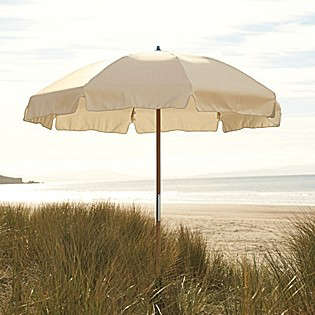
An outdoor market umbrella looks simple: a pole, a canopy, a crank, maybe a tilt button, and suddenly your patio has graduated from “hot sidewalk with chairs” to “civilized outdoor living.” But anyone who has owned a cheap umbrella for more than one summer knows the truth. The fabric matters. A lot.
That is where Sunbrella fabric earns its reputation. For homeowners, restaurant owners, poolside loungers, and backyard grill masters, an outdoor market umbrella with Sunbrella fabric is often considered the smarter long-term choice because it combines shade, color retention, weather resistance, and easier maintenance. It is not just a pretty canopy waving in the breeze like it is auditioning for a vacation commercial. It is performance fabric designed for sun, rain, spills, humidity, and the occasional bird with poor timing.
This guide explains what makes Sunbrella fabric different, how to choose the right market umbrella, what features matter most, how to care for it, and why the higher upfront cost can make sense if you want shade that does not give up after one season.
What Is an Outdoor Market Umbrella?
An outdoor market umbrella is the classic center-pole patio umbrella commonly used over dining tables, lounge areas, cafés, pool decks, garden seating, and commercial outdoor spaces. Unlike a cantilever umbrella, which has an offset frame, a market umbrella usually has a straight center pole and a round, square, or octagonal canopy.
The design is popular because it is versatile. It can slide through the center hole of a patio table, stand in a freestanding base, or create shade beside a pair of lounge chairs. Market umbrellas are also easier to move than many large shade structures, which is helpful when the sun changes position and your favorite chair suddenly becomes a frying pan with cushions.
Common Market Umbrella Sizes
Most residential outdoor market umbrellas range from about 6 feet to 11 feet wide. A 7.5-foot umbrella can work well for a small bistro set. A 9-foot umbrella is a popular all-around size for a four-person dining table. Larger 10- or 11-foot models are better for bigger seating groups or open patios.
The basic rule is simple: the umbrella canopy should extend beyond the furniture you want to shade. If your table is 48 inches wide, a 9-foot umbrella usually feels comfortable. If the shade barely covers the tabletop at noon, it will not protect the chairs when the sun starts drifting sideways like it has somewhere better to be.
Why Sunbrella Fabric Is Popular for Patio Umbrellas
Sunbrella is a performance fabric brand known for outdoor use, including shade structures, marine covers, awnings, cushions, and umbrellas. Its biggest advantage is that many Sunbrella outdoor fabrics are made from solution-dyed acrylic. That phrase may sound like something from a chemistry class you tried to forget, but the concept is practical.
In solution-dyed fabric, color is added into the fiber itself before the yarn is created. In many ordinary fabrics, color sits closer to the surface. The difference is like a carrot versus a radish. A carrot is orange all the way through. A radish has color mostly on the outside. Sunbrella behaves more like the carrot, which helps it resist fading from sunlight over time.
Fade Resistance
One of the biggest complaints about patio umbrellas is fading. A bright navy canopy can turn into tired gray-blue. A cheerful red can fade into something that looks like it has been emotionally abandoned. Sunbrella fabric is designed to resist UV-related fading better than many standard polyester canopies, making it a strong option for sunny climates, pool decks, and exposed patios.
UV Protection
A market umbrella is not a force field, and you should still use sunscreen, sunglasses, and smart sun habits. However, a high-quality shade fabric can help reduce direct sun exposure. Certain Sunbrella shade fabrics are recognized as part of a complete sun protection approach, especially when paired with sunscreen and other protective measures.
Mold and Mildew Resistance
Outdoor fabric lives a dramatic life. It faces humidity, pollen, rain, leaves, dust, pool splash, and mystery stains that nobody in the family will admit creating. Sunbrella fabric is engineered to resist mold and mildew growth, although dirt and organic debris still need to be cleaned off. In other words, the fabric is tough, but it is not a self-cleaning robot wearing a canopy.
Bleach-Cleanable Maintenance
One major advantage of Sunbrella fabric is that it can often be cleaned with a mild soap solution and, when needed, a properly diluted bleach solution for tougher stains or mildew. This is especially valuable for outdoor umbrellas because canopies collect airborne grime, bird droppings, sap, and food stains. Always follow the manufacturer’s care instructions for your specific product, especially if the fabric has special coatings or finishes.
Sunbrella vs. Polyester Umbrella Fabric
Many budget patio umbrellas use polyester fabric. Polyester can be perfectly fine for light use, covered patios, seasonal shade, or shoppers who simply need an affordable umbrella now. But when comparing long-term outdoor performance, Sunbrella generally has advantages in fade resistance, durability, and cleanability.
A polyester canopy may look excellent out of the box. The issue is what happens after months of UV exposure, storms, heat, and repeated opening and closing. Lower-cost fabrics may fade faster, become brittle, or lose water resistance sooner. Sunbrella fabric is usually more expensive, but it is designed for a longer outdoor life.
Think of it like buying shoes. Cheap flip-flops are fine for walking to the mailbox. But if you are hiking a rocky trail, you probably want footwear that does not file a resignation letter halfway up the hill. A Sunbrella market umbrella is the more serious outdoor option.
Best Places to Use an Outdoor Market Umbrella With Sunbrella Fabric
Patio Dining Areas
A market umbrella is ideal for outdoor dining tables. It keeps lunch from turning into a heat endurance contest and makes dinners feel more polished. Sunbrella fabric is especially useful around dining areas because it handles common outdoor messes better than many delicate fabrics.
Poolside Seating
Pool areas expose fabric to sunlight, moisture, chlorine, sunscreen, and frequent use. A Sunbrella umbrella can be a smart choice because it is designed for demanding outdoor conditions. Choose a sturdy aluminum or fiberglass frame, and make sure the umbrella base is heavy enough to handle open, breezy poolside spaces.
Restaurant Patios and Cafés
Commercial outdoor seating needs reliable shade that still looks good after repeated use. Sunbrella fabric is popular in hospitality settings because color consistency and easy maintenance matter. A faded, sagging umbrella outside a restaurant sends the wrong message, roughly: “The soup may also be tired.”
Garden Corners and Lounge Spaces
A garden market umbrella can turn a quiet corner into a reading nook, tea spot, or outdoor office. Choose colors that complement your landscape. Neutrals such as canvas, beige, charcoal, and navy tend to feel timeless, while stripes or bold colors can add resort-style personality.
How to Choose the Right Sunbrella Market Umbrella
1. Pick the Right Canopy Size
Measure the area you want to shade before buying. For a small two-person bistro set, a 6- to 7.5-foot umbrella may be enough. For a standard patio dining table, a 9-foot umbrella is often the sweet spot. For larger lounge areas, consider 10 or 11 feet, or use multiple umbrellas instead of one oversized canopy.
2. Choose a Strong Frame
The fabric is important, but the frame is the skeleton. Aluminum frames are lightweight, rust-resistant, and common. Wood frames offer a classic look but need more maintenance. Fiberglass ribs can provide flexibility in windy conditions, which may reduce snapping or bending.
Look for smooth crank operation, reinforced ribs, quality joints, and a stable pole. A premium canopy on a flimsy frame is like putting a designer hat on a scarecrow. Stylish, yes. Structurally inspiring? Not exactly.
3. Consider Tilt Features
A tilt function helps you angle the canopy as the sun moves. Push-button tilt is simple. Auto-tilt mechanisms use the crank to adjust the canopy angle. Collar tilt systems are often easier to operate because you twist a collar near the crank instead of reaching upward.
If your patio gets late-afternoon sun, tilt is not a luxury. It is the difference between relaxing in shade and squinting like you are solving a detective case.
4. Match the Base to the Umbrella
A market umbrella needs a proper base. For table use, the table provides some support, but you still need weight at the bottom. For freestanding use, the base must be heavier. Larger umbrellas and windy locations require more weight.
As a general guide, small umbrellas may work with lighter bases, while 9-foot and larger umbrellas often need substantially heavier bases, especially when used without a table. Always check the manufacturer’s recommendations. If your umbrella wobbles in a light breeze, the base is not being dramatic; it is warning you.
5. Choose Color Strategically
Sunbrella fabric comes in many colors, textures, solids, and stripes. Darker colors can create a cozy shade effect and hide some stains, while lighter colors feel airy and may keep the space visually cooler. Neutrals are safe for resale appeal and long-term design flexibility. Bright colors make a patio memorable but should coordinate with cushions, furniture, siding, and landscaping.
Design Ideas for Sunbrella Market Umbrellas
Classic Coastal
Pair a navy or cabana-striped Sunbrella umbrella with white furniture, teak accents, and blue cushions. This look works beautifully near pools, decks, and beach-inspired backyards. Add lanterns or rope textures to finish the relaxed coastal style.
Modern Minimalist
Use charcoal, black, natural, or warm gray fabric with powder-coated aluminum furniture. Keep the lines clean and the accessories simple. This style works well for urban patios, rooftop decks, and modern homes.
Warm Mediterranean
Try terracotta, sand, cream, or deep green. Pair the umbrella with stone planters, olive trees, woven chairs, and patterned outdoor pillows. Suddenly your patio feels like it should be serving sparkling water in a glass bottle.
Family-Friendly Backyard
For everyday family spaces, choose forgiving colors such as heathered gray, taupe, navy, or textured beige. These shades hide dust better than bright white and coordinate with many outdoor dining sets. Add washable cushions and a large outdoor rug for a finished look.
How to Clean a Sunbrella Outdoor Market Umbrella
Routine cleaning helps your umbrella last longer and look better. The easiest approach is prevention. Brush off loose dirt before it becomes embedded. Rinse the canopy occasionally with clean water. Clean spills as soon as possible, especially food, tree sap, and oily sunscreen marks.
Basic Cleaning Steps
First, open the umbrella fully in a shaded, ventilated area. Brush away dust, leaves, and debris with a soft-bristle brush. Prepare a mild cleaning solution using gentle soap and lukewarm water. Apply the solution with a soft brush or sponge, allowing it to soak briefly into the fabric. Rinse thoroughly to remove all soap residue, then let the canopy air dry completely before closing.
Handling Tough Stains
For mildew or stubborn stains, many Sunbrella fabrics can be cleaned with a diluted bleach and mild soap solution, followed by thorough rinsing and air drying. Do not guess the mixture. Follow the official care label or manufacturer’s instructions for your specific canopy. After harsher cleaning, water-repellent treatments may need refreshing.
What Not to Do
Do not pressure-wash the canopy at close range. Do not put the umbrella away while wet. Do not use harsh brushes that damage fibers. Do not leave leaves, berries, or bird droppings sitting for weeks. Outdoor fabric is forgiving, but it does not enjoy being treated like an abandoned camping tarp.
Storage Tips for Longer Umbrella Life
Even premium umbrellas last longer with proper storage. Close the umbrella when it is not in use, especially during storms or high winds. Use a protective cover if the umbrella remains outside for long periods. During winter or extended off-seasons, clean and dry the canopy before storing it in a garage, shed, or covered area.
Wind is one of the biggest enemies of patio umbrellas. A strong gust can damage ribs, bend frames, or send an unsecured umbrella tumbling across the yard like a very expensive tumbleweed. If the forecast looks rough, close it. If the forecast looks dramatic, store it.
Is a Sunbrella Market Umbrella Worth the Price?
For many buyers, yes. A Sunbrella outdoor market umbrella is worth considering if your patio gets strong sun, you want long-lasting color, you dislike replacing cheap umbrellas every year, or you care about a polished outdoor design. The higher price makes the most sense when the frame is also high quality. Fabric alone cannot rescue a poorly built umbrella.
However, a Sunbrella umbrella may not be necessary for every situation. If you rent, rarely use your patio, or need a temporary shade solution for one season, a less expensive umbrella may be good enough. The best choice depends on your climate, budget, design goals, and how often the umbrella will be used.
Buying Checklist Before You Purchase
- Measure your table or seating area before choosing canopy size.
- Confirm the canopy fabric is genuine Sunbrella, not just “Sunbrella-like.”
- Check the frame material, rib construction, crank quality, and tilt mechanism.
- Choose a base heavy enough for the umbrella size and location.
- Look for replaceable canopy options if you want long-term flexibility.
- Read care instructions before cleaning with bleach or specialty products.
- Close the umbrella during strong winds, storms, and off-hours.
Common Mistakes to Avoid
Buying Too Small
A small umbrella may look cute online, but outdoors it can create a tiny circle of shade that protects exactly one salad bowl and half a chair. Always size up enough to cover the people, not just the table.
Ignoring the Base
The base is not an accessory; it is the anchor. A beautiful umbrella with an undersized base is a future insurance claim with a crank handle.
Leaving It Open All the Time
Market umbrellas are made for shade, not for fighting storms. Keeping the umbrella open during wind shortens its life and can damage both the frame and canopy.
Forgetting Routine Cleaning
Sunbrella fabric is low-maintenance, not no-maintenance. Regular brushing, rinsing, and drying keep the canopy fresher and help prevent stains from becoming permanent residents.
Real-Life Experience: Living With a Sunbrella Outdoor Market Umbrella
The best way to understand a Sunbrella market umbrella is not by staring at fabric specs. It is by using one through real backyard life: summer lunches, surprise rain, pollen season, birthday parties, barbecue smoke, and that one neighbor’s tree that seems to drop leaves with personal enthusiasm.
In day-to-day use, the first thing most people notice is the quality of the shade. A good Sunbrella canopy feels substantial without making the space gloomy. Under a 9-foot market umbrella, a patio table becomes more inviting almost immediately. Morning coffee feels calmer. Lunch stops feeling like a negotiation with the sun. Even a laptop session outside becomes possible, although your screen may still behave like a mirror with Wi-Fi.
Color retention is where the fabric begins to prove itself over time. A cheaper umbrella can look fantastic in May and oddly exhausted by September. With Sunbrella fabric, the color tends to remain richer through repeated exposure. This matters more than people think. Outdoor spaces are visual. When the umbrella fades, the whole patio can start looking neglected, even if the furniture is clean and the plants are thriving.
Cleaning is another practical advantage. After a windy week, the canopy may collect dust, pollen, and little bits of nature that were apparently traveling without luggage. A quick brush and rinse often make a noticeable difference. For food areas, this is important. Outdoor dining is wonderful, but ketchup, lemonade, sunscreen, and grilled-food splatter do not respect fabric boundaries. Being able to clean the canopy without panic makes the umbrella feel less like a fragile decoration and more like a working part of the home.
There is also a comfort factor that goes beyond shade. A quality market umbrella visually defines an outdoor room. Put one over a table and the area suddenly feels intentional. Add chairs, a few planters, and an outdoor rug, and the patio starts acting like an extension of the house rather than a place where folding chairs go to retire.
One lesson becomes clear quickly: the umbrella is only as good as its base. A Sunbrella canopy on a sturdy frame with a properly weighted base feels stable and easy to live with. The same canopy on a lightweight stand can become stressful whenever the wind picks up. Nobody wants to chase a premium umbrella across the lawn while pretending this is normal homeowner behavior.
Another experience-based tip is to close the umbrella more often than you think you need to. Closing it after use keeps the canopy cleaner, reduces wind stress, and helps preserve the frame. Using a cover adds another layer of protection, especially if the umbrella sits under trees or near sprinklers.
Over time, a Sunbrella outdoor market umbrella feels less like a seasonal purchase and more like a patio investment. It improves comfort, supports better outdoor design, and reduces the annoying cycle of buying a cheap umbrella, watching it fade, replacing it, and then wondering why summer keeps sending invoices. For anyone who uses their outdoor space regularly, the upgrade can be genuinely noticeable.
Conclusion
An outdoor market umbrella with Sunbrella fabric is one of the most practical upgrades you can make to a patio, deck, pool area, garden corner, or restaurant seating space. It offers dependable shade, strong fade resistance, easier cleaning, and a more polished look than many basic umbrella fabrics. While it usually costs more upfront, the value appears over time through better color retention, stronger performance, and fewer replacements.
The key is to buy the complete package wisely. Choose the right canopy size, invest in a sturdy frame, match the umbrella with a proper base, and maintain the fabric with regular cleaning and smart storage. Sunbrella fabric can do a lot, but it still appreciates basic manners: keep it clean, let it dry, and do not ask it to wrestle a thunderstorm.
If your goal is to create a cooler, more comfortable, and better-looking outdoor space, a Sunbrella market umbrella is a strong choice. It brings together function and style in a way that makes patios feel more usable, more welcoming, and much less like a solar-powered waiting room.