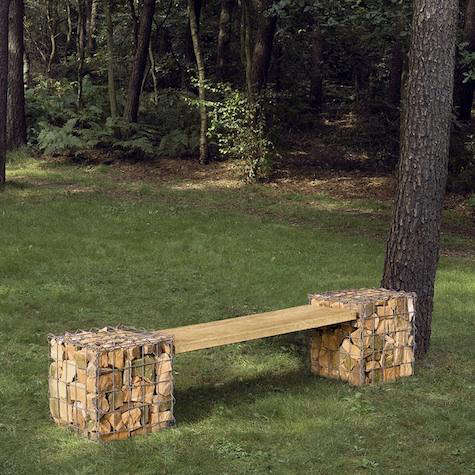
A gabion bench is what happens when a garden seat decides it has had enough of wobbly legs, flimsy frames, and dramatic patio furniture that needs to be rescued every time the weather gets moody. The Gabion Bench from Manufactum, first noticed by design lovers for its wonderfully simple mix of wire cages, stone, and wood, is a practical outdoor furniture idea with a surprisingly poetic side. It is part bench, part landscape feature, and part “yes, I meant to put rocks there.”
At its core, the concept is beautifully direct: gabion-cage supports are filled with stone, then topped with a sturdy wooden seat. The result is an outdoor bench that feels grounded, architectural, and natural all at once. Unlike a typical garden bench that sits on top of the landscape, a gabion bench appears to grow out of it. Over time, moss, grasses, vines, and weather soften the structure, making it look less like furniture and more like a permanent garden resident.
That is the charm of the Manufactum-style gabion bench. It is not trying to be delicate. It is not trying to fold flat, stack neatly, or pretend to be made of space-age plastic. It is heavy, honest, durable, and deeply connected to the outdoors. In an age when many backyard products feel disposable, this design has the personality of something that plans to stay for a while.
What Is a Gabion Bench?
A gabion bench is an outdoor seating structure built with wire mesh baskets or cages filled with stone, brick, recycled concrete, or other hard inorganic materials. A seat, usually made of wood, is fixed or placed across the top. The gabion base provides weight and stability, while the timber adds warmth and comfort.
The word “gabion” comes from an old Italian word meaning “big cage,” which is refreshingly literal. In civil engineering and landscaping, gabions have long been used for retaining walls, erosion control, streambank protection, slope stabilization, and drainage-friendly structures. Designers later realized that these sturdy stone-filled cages also make fantastic garden walls, planters, dividers, fire pit surrounds, and yes, benches.
The Manufactum gabion bench became memorable because it stripped the idea down to its essentials: two stone-filled supports and a length of wood. No complicated curves. No decorative nonsense. No “assembly required” nightmare that makes you question your relationship with Allen wrenches. Just a rugged base and a functional seat.
Why the Manufactum Gabion Bench Still Feels Fresh
Good outdoor design has a way of aging better than trends. The Gabion Bench from Manufactum still feels relevant because it answers several modern landscaping needs at once: durability, sustainability, visual texture, low maintenance, and flexibility.
It Blends Structure with Nature
Most garden furniture is clearly furniture. A gabion bench, however, works like a small piece of hardscape. It can sit beside a gravel path, anchor a fire pit area, frame a vegetable garden, or mark the edge of a patio. Because it uses stone, it naturally echoes retaining walls, dry creek beds, rock gardens, and architectural masonry.
The wooden seat keeps the design from feeling cold. Stone and galvanized wire create the structure; wood adds the invitation. Together, they say, “Sit down and admire your garden,” rather than “Please observe this pile of rocks with suspicion.”
It Is Tough Without Looking Aggressive
Gabions are famous for strength. Their weight helps them stay put, and their open structure allows water to move through instead of pooling behind a solid wall. For a bench, this means the base is stable, weather-resistant, and unlikely to skitter across the patio during a windy afternoon.
At the same time, gabion furniture does not have to look industrial in a harsh way. Fill it with rounded river rock for a softer look, angular granite for a modern edge, local fieldstone for rustic charm, or recycled concrete for an urban eco-friendly attitude. The same basic frame can look polished, wild, farmhouse-style, minimalist, or Mediterranean depending on the stone and setting.
Design Lessons from the Gabion Bench from Manufactum
The original Manufactum idea is appealing because it is so adaptable. Homeowners, gardeners, and landscape designers can borrow the concept even if they customize the exact dimensions, fill material, or seat style.
1. Keep the Form Simple
The most successful gabion benches usually have clean geometry. Rectangular cages create a reliable base and let the stone texture do the visual work. If the bench has too many decorative flourishes, the design can start to look busy. With gabions, restraint is your friend. The rocks are already bringing plenty of personality. Some of them have been waiting millions of years for their close-up.
2. Choose the Right Stone Size
The fill material should be larger than the mesh openings so stones do not slip out. This sounds obvious, but it is the kind of obvious detail that becomes very exciting when your decorative gravel begins escaping like tiny prisoners. For most garden gabion baskets, fist-sized stones are easier to manage than very small gravel. Larger pieces also create a stronger visual pattern and better airflow.
Popular options include granite, limestone, basalt, river rock, sandstone, slate, and broken concrete. Local stone is often the best choice because it reduces transportation, matches the regional landscape, and usually costs less. A gabion bench filled with stone from the area feels like it belongs there, not like it arrived wearing sunglasses and asking where the resort pool is.
3. Use a Comfortable Seat Surface
The wood top matters. A gabion bench may be rugged, but nobody wants to sit on a board that feels like a medieval character-building exercise. Choose outdoor-ready wood such as cedar, teak, larch, white oak, black locust, thermally modified wood, or properly treated lumber. The boards should be thick enough to span the gabion supports without flexing.
Sanding the edges, sealing the surface, and slightly spacing the boards for drainage will make the bench more comfortable and longer-lasting. If the wood will be exposed to full sun and rain, plan for occasional cleaning and refinishing. Weathered gray wood can look gorgeous with stone, but neglected splintery wood is less “rustic charm” and more “free tetanus anxiety.”
Where a Gabion Bench Works Best
A gabion garden bench is not a featherweight folding chair. Once filled, it is heavy. That is excellent for stability, but it means location matters. Before filling the baskets, decide where the bench belongs. Moving an empty gabion frame is easy; moving a full one is a workout plan disguised as landscaping.
Along a Garden Path
A gabion bench placed beside a path creates a natural pause point. It invites visitors to sit, look around, and appreciate the planting design. Pair it with lavender, ornamental grasses, salvia, creeping thyme, or native perennials for a relaxed, textured effect.
Beside a Fire Pit
Stone-filled bases feel right at home near a fire feature. Use a wood seat with proper clearance from flames and follow local fire safety rules. Around a gravel or stone patio, a gabion bench can create casual seating that looks more permanent than movable chairs.
At the Edge of a Patio
On a patio, a gabion bench can function as both seating and a subtle border. It helps define the outdoor room without building a full wall. This is especially useful in contemporary landscapes where clean lines and natural materials do most of the decorating.
Near a Retaining Wall or Slope
Because gabions are often associated with retaining walls and erosion control, a gabion bench feels visually appropriate near slopes or terraced gardens. However, a bench is not the same as an engineered retaining structure. If soil retention, drainage, or slope stability is involved, consult a qualified professional before pretending your weekend project has a civil engineering degree.
Practical Installation Tips
A gabion bench looks simple, but proper preparation makes a major difference. Start with a level, compacted base. Crushed stone or compacted gravel works well because it drains and resists shifting. Avoid placing a heavy gabion bench directly on soft soil, fresh mulch, or uneven ground.
Assemble the wire cages according to the manufacturer’s instructions. Check that panels are properly connected, corners are square, and internal braces are installed if required. Bracing prevents the sides from bulging once the baskets are filled. Fill the cages gradually, arranging attractive stones along the visible faces and using less decorative pieces inside if needed.
When the baskets are full, secure the wooden seat. Depending on the design, the seat may rest across the gabion supports, attach to rails, or bolt into hardware. For safety, the seat should not slide, wobble, or tip. If children will use the bench, avoid sharp wire ends and check that all clips, spirals, or fasteners are tucked away.
Maintenance: Surprisingly Low, Not Completely Zero
One of the biggest benefits of gabion outdoor furniture is low maintenance. The stone does not need painting. The mesh does not need babying if it is properly galvanized, coated, or stainless steel. Rain drains through the structure rather than collecting inside a hidden cavity.
Still, “low maintenance” does not mean “ignore it until archaeologists find it.” Once or twice a year, inspect the wire for corrosion, check fasteners, remove trapped leaves, and look for shifting stones. Wash the wood seat with mild soap and water when needed. Reapply exterior oil, stain, or sealer depending on the wood species and finish.
In damp climates, moss may appear on the stones. This can be charming, especially in a shade garden. In very dry areas, dust may collect instead. Either way, the bench gains character. Gabion furniture is not meant to look showroom-perfect forever; it is meant to weather gracefully.
Is a Gabion Bench Sustainable?
A gabion bench can be a thoughtful sustainable choice when materials are selected carefully. The design can use local stone, salvaged rock, reclaimed concrete, or durable timber. Because the structure is heavy and long-lasting, it avoids the short replacement cycle common with cheap outdoor furniture.
The open texture can also support small ecological benefits. Gaps between stones may provide shelter for insects, and climbing plants can weave through or around the wire. In a wildlife-friendly garden, a gabion bench can become part of a broader habitat strategy with native plants, pollinator flowers, permeable paths, and reduced chemical use.
That said, sustainability depends on choices. Imported decorative stone, low-quality wire that rusts quickly, or tropical wood of uncertain origin can weaken the environmental story. The best approach is simple: buy durable components, source locally when possible, and choose responsibly harvested or reclaimed wood.
Style Ideas for a Manufactum-Inspired Gabion Bench
Modern Minimalist
Use dark basalt or gray granite, a smooth hardwood seat, and a simple rectangular form. Place it against concrete pavers, decomposed granite, or architectural grasses. The result is calm, clean, and quietly dramatic.
Rustic Garden
Fill the baskets with mixed local fieldstone and top them with a thick cedar or oak plank. Surround the bench with herbs, roses, foxgloves, or cottage-garden perennials. Let a little greenery creep near the mesh for a lived-in look.
Desert Courtyard
Choose warm-toned stone, pair it with drought-tolerant plants, and set the bench on gravel. Agave, yucca, ornamental grasses, and boulders can make the gabion bench feel sculptural and climate-smart.
Woodland Retreat
Use weathered stone, a natural wood top, ferns, shade plants, and leaf mulch nearby. In this setting, the bench can look like it has always been there, patiently waiting for someone with coffee and no urgent emails.
Pros and Cons of a Gabion Bench
Pros
A gabion bench is durable, stable, visually distinctive, and highly customizable. It handles weather well, works with many landscape styles, and can be built with local or reclaimed materials. It also creates a sense of permanence that lightweight patio furniture rarely achieves.
Cons
The same weight that makes it stable also makes it difficult to move. Poorly chosen mesh can corrode, undersized stones can fall out, and an uncomfortable wood top can ruin the seating experience. Installation requires planning, lifting, leveling, and patience. This is not the bench for someone who changes the patio layout every Tuesday.
Buying vs. Building Your Own Gabion Bench
Buying a ready-made gabion bench or a kit can save time and reduce guesswork. Kits usually include compatible baskets, connectors, bracing, and sometimes the seating surface. This is ideal for homeowners who want a polished result without designing every detail from scratch.
Building your own allows more control over size, stone type, wood species, and layout. It may also be more budget-friendly if you already have suitable rock on site. However, DIY builders should pay close attention to wire gauge, corrosion resistance, bracing, seat attachment, and base preparation. A gabion bench may look casual, but it still needs to be structurally sensible.
Experience Notes: Living With a Gabion Bench Outdoors
The first thing you notice about a gabion bench is that it changes the mood of a space immediately. Put one at the edge of a plain patio, and suddenly the area feels designed rather than merely furnished. It brings weight to the composition in the best possible way. Lightweight chairs, potted plants, and small tables can sometimes feel scattered, but a gabion bench gives the eye a place to land.
In daily use, the bench behaves differently from typical outdoor seating. It does not scoot backward when someone sits down. It does not wobble on gravel. It does not need to be dragged into the garage before a storm. There is something deeply satisfying about furniture that stays put and does its job without drama. The stone base gives the bench a calm confidence, like a garden bouncer who also enjoys wildflowers.
Comfort depends heavily on the wood top. A flat plank can be perfectly pleasant for short rests, but for longer lounging, a slightly wider seat or a removable outdoor cushion helps. In hot climates, darker wood and stone may warm up in direct sun, so partial shade can make the bench more inviting. In cool climates, the stone may feel visually cozy when paired with warm-toned wood, even though the base itself is naturally cool to the touch.
One of the best experiences is watching the bench settle into the garden over time. During the first week, it may look crisp and newly installed. After a few rains, dust washes off the stones. After a season, leaves collect briefly in the crevices, small plants appear nearby, and the wood begins to mellow. The bench becomes less of an object and more of a place.
Guests tend to comment on it. Not because it is flashy, but because it feels unusual and sensible at the same time. People understand it quickly: rocks in cages, wood on top, excellent. There is no mystery, yet the result feels clever. It is the kind of design that makes visitors say, “Why don’t more benches look like this?” Then they sit down, and the bench quietly wins.
From a homeowner’s perspective, the biggest lesson is to plan the location carefully. A gabion bench is not impossible to move, but once filled, it becomes a serious object. Think about shade, views, drainage, foot traffic, and how people will gather around it. Place it where sitting makes sense: near a garden bed, along a path, beside a fire pit, or facing a favorite tree. Do not place it somewhere just because there is empty space. A bench should reward the person who uses it.
Maintenance is pleasantly modest. The wood asks for the most attention, especially if you want to preserve its original color. The stone and cage mostly need inspection and occasional cleaning. If plants begin to grow around the mesh, you can either trim them back or encourage them, depending on the look you want. A little controlled wildness often improves the bench.
The Manufactum-inspired gabion bench is ultimately about patience. It is not trendy furniture that begs for attention today and looks tired tomorrow. It is slow design: stone, metal, wood, weather, and time. It suits gardens because gardens are also slow. They grow, fade, return, surprise, and occasionally misbehave. A gabion bench accepts all of that with admirable composure.
Conclusion: A Bench That Belongs to the Landscape
The Outdoors: Gabion Bench from Manufactum idea remains compelling because it combines usefulness with a strong sense of place. It is simple enough to understand at a glance, strong enough for real outdoor life, and flexible enough to suit modern patios, rustic gardens, courtyards, pathways, and natural landscapes.
Whether purchased as a kit or built as a custom project, a gabion bench rewards thoughtful material choices. Use durable mesh, appropriately sized stone, a comfortable wood seat, and a stable base. Do that, and you get more than outdoor seating. You get a garden feature that can age, weather, and blend into the landscape with style.
In a world full of disposable outdoor furniture, the gabion bench feels refreshingly grounded. Literally. It is a seat with weight, purpose, texture, and character. And if a few plants eventually wind through the wire, all the better. That is not neglect; that is the garden giving its review.