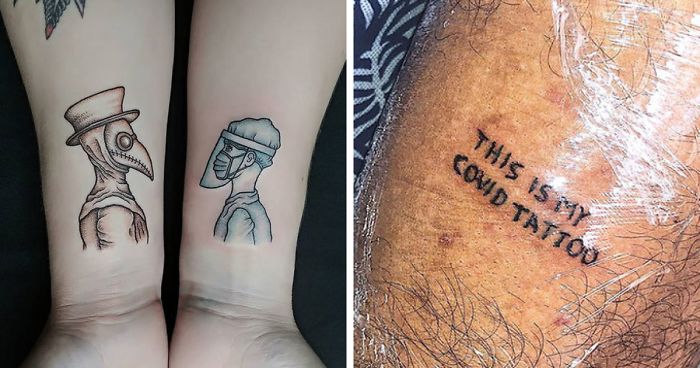
Some people kept sourdough starters. Others learned the exact number of minutes needed to wash hands while singing half of a pop song. And a surprising number of people decided the pandemic deserved permanent real estate on their skin.
COVID-19 tattoos became a strange, emotional, funny, and sometimes heartbreaking form of personal history. They ranged from tiny toilet paper rolls and masked cartoon characters to memorial handwriting, tribute portraits of healthcare workers, and symbols of survival. The best COVID-19 tattoo ideas are not necessarily the biggest, darkest, or most likely to make Grandma ask follow-up questions at Thanksgiving. They are the ones that still mean something after the headlines fade.
A pandemic tattoo can be a joke, a memorial, a badge of resilience, or a reminder that humanity collectively fought over paper products for reasons future historians may struggle to explain. Here is a closer look at why people got COVID tattoos, which designs hold up best, and how to approach one thoughtfully and safely.
Why People Started Getting COVID-19 Tattoos
COVID-19 changed daily life in ways that felt both enormous and oddly specific. Schools closed, hospital visits became complicated, weddings moved online, masks became a wardrobe essential, and “You’re muted” became one of the most repeated phrases in modern history.
For many people, getting a tattoo was a way to take control of a story that had felt uncontrollable. Tattoos have long been used to mark milestones, remember loved ones, celebrate survival, and turn difficult experiences into something visible. The pandemic gave people plenty of material: illness, grief, isolation, new beginnings, career changes, caregiving, recovery, and the realization that they could no longer tolerate another video call with a frozen screen.
Some COVID-19 tattoos were intentionally silly. A roll of toilet paper, a bottle of hand sanitizer, a face mask, or a cartoon coronavirus cell became a visual time capsule from an era when grocery shopping felt like an episode of an apocalyptic reality show. Other designs carried heavier emotional weight, especially for people who lost relatives, worked in healthcare, or survived serious illness.
The common thread was meaning. A tattoo did not erase what happened, but it gave people a way to shape the memory. In a time when so much felt uncertain, permanent ink offered a strange kind of certainty.
The Best COVID-19 Tattoo Ideas Are the Ones With Staying Power
The phrase “best COVID-19 tattoo” does not mean every design must be serious, expensive, or dramatic. It means the tattoo should still make sense to you years later. A good pandemic tattoo has a story beneath the surface, even if that story is simply, “I survived 2020 and all I got was this questionable roll of toilet paper.”
1. Memorial Handwriting Tattoos
For people who lost a loved one during the pandemic, a handwritten note, signature, short phrase, or meaningful date can become a deeply personal memorial tattoo. This type of design often feels more timeless than a literal virus graphic because it centers the person being remembered rather than the event that caused the loss.
Small handwriting tattoos work well on the wrist, forearm, collarbone, rib area, or upper arm. A skilled artist can also pair handwriting with subtle symbols such as a heartbeat line, flower, bird, moon, or favorite object associated with the person.
2. Healthcare Worker Tribute Tattoos
Healthcare workers became central figures in pandemic imagery. Tattoo designs honoring nurses, doctors, EMTs, respiratory therapists, hospital staff, caregivers, and public health workers often include scrubs, masks, stethoscopes, gloved hands, or angel-wing details.
The strongest versions avoid turning an entire profession into a generic cartoon. Instead, they use personal details: a loved one’s name badge color, a meaningful hospital symbol, initials, a favorite flower, or a date connected to recovery or service. The result feels like a tribute rather than a stock image.
3. Face Masks as a Symbol of Care
A face mask tattoo can look surprisingly elegant when it is treated as a symbol rather than a billboard. Some people choose a simple masked portrait, while others combine a mask with flowers, stars, animals, or a favorite quote.
The best mask-inspired tattoos usually focus on compassion, protection, or community. A mask wrapped around a heart, for example, can suggest care without needing a paragraph-long explanation. That is ideal, because tattoos should not require a PowerPoint presentation every time someone asks about them.
4. Tiny Toilet Paper Tattoos With a Sense of Humor
Few objects scream “early pandemic” quite like toilet paper. It was practical, ridiculous, and somehow became a symbol of global anxiety. That makes it perfect tattoo material for people who prefer humor over heavy symbolism.
A small toilet paper tattoo can be playful without becoming overly literal. Think of a tiny roll with a date, a roll with angel wings, a cartoon character holding one like a trophy, or a minimalist outline hidden somewhere discreet. It says, “Yes, that happened,” without requiring you to tattoo an entire supermarket aisle on your thigh.
5. Plague Doctors, Virus Cells, and Scientific Imagery
Some of the most visually striking COVID-19 tattoos use scientific or historical imagery. Plague doctor masks, microscope-style coronavirus cells, anatomical lungs, vaccine-inspired artwork, and molecular designs became popular ways to represent the pandemic without relying on words.
A coronavirus cell can look bold in blackwork, watercolor, neo-traditional, or geometric styles. A plague doctor design can feel gothic, surreal, or darkly humorous. These styles work especially well for people who want a dramatic tattoo but still want the piece to function as art outside its pandemic meaning.
6. Survivor Symbols That Do Not Need to Say “Survivor”
Not everyone wants “COVID Survivor” stamped across their skin like a championship belt. Many people prefer indirect symbols of resilience: a phoenix, lighthouse, mountain range, open window, seedling, wave, butterfly, or sunrise.
This approach can be especially meaningful for people who experienced long recovery periods, mental health struggles, isolation, job loss, or major personal changes during the pandemic. The tattoo can represent survival without forcing the wearer to revisit every difficult detail whenever someone spots it.
7. Zoom Screens, Houseplants, and Everyday Lockdown Icons
Not every pandemic tattoo needs to involve medical imagery. A laptop screen, a sourdough loaf, a houseplant, a couch, a home office setup, or a tiny “You’re on mute” speech bubble can capture the quieter side of lockdown life.
These designs work best when they connect to a real personal memory. Maybe you started a business from your kitchen table, became close to friends through video calls, adopted a pet, learned to cook, or discovered that your houseplant collection had become a full-blown jungle with opinions.
How to Make a COVID-19 Tattoo Feel Meaningful Instead of Temporary
The difference between a memorable tattoo and a regrettable impulse often comes down to design choices. Before booking an appointment, think about what you want the tattoo to represent five, ten, or twenty years from now.
Choose the Emotion Before the Image
Start with the feeling: grief, gratitude, humor, resilience, relief, anger, love, or survival. Once you know the emotion, it becomes easier to choose imagery that will still matter. A specific symbol often ages better than a trendy slogan.
Use Personal Details
Add a detail that belongs to your story. It could be a favorite flower, a meaningful date, a loved one’s handwriting, the outline of your hometown, or a phrase that helped you through isolation. Personal details turn a general pandemic tattoo into your pandemic tattoo.
Think About Placement and Scale
Small fine-line designs can be beautiful, but tiny details may blur over time. Larger pieces allow for more texture and storytelling. A professional tattoo artist can help you adapt your concept to a size and placement that will age well on your skin.
Do Not Copy Someone Else’s Tattoo Exactly
Inspiration is great. Copying another person’s memorial tattoo, custom illustration, or personal design is not. Bring reference images, describe what you like about them, and ask your artist to create something original. Your tattoo should tell your story, not become an accidental duplicate of a stranger’s forearm.
Tattoo Safety Still Matters, Even When the Idea Is Brilliant
A meaningful tattoo should not come with an avoidable infection, allergic reaction, or a frantic late-night internet search for “why is my tattoo angry?” Tattoos break the skin, so safety is not optional.
Choose a Licensed, Reputable Studio
Look for a professional tattoo studio that follows local health regulations and uses sterile, single-use needles. The artist should wear fresh gloves, open sterile equipment in front of you when appropriate, use clean work surfaces, and avoid reusing ink from one client to another.
Do not be shy about asking questions. A good artist will not act offended when you ask about sterilization, ink handling, aftercare, or licensing. If a studio treats basic health questions like a personal attack, that is your sign to leave with your skin un-decorated and your common sense intact.
Follow Aftercare Instructions Carefully
Your artist should provide aftercare guidance for cleaning and protecting the tattoo while it heals. Keep the area clean, avoid picking or scratching, and use fragrance-free products recommended by your artist or healthcare professional. Avoid swimming pools, hot tubs, and soaking the tattoo until it has healed.
Seek medical advice if redness spreads or worsens, pain increases, pus appears, fever develops, or you notice open sores or significant swelling. A tattoo may be art, but your skin is still an organ with strong opinions about being poked repeatedly.
Reschedule When You Are Sick
If you are ill, have fever-like symptoms, or feel unwell, postpone the appointment. Getting tattooed while sick can make an already stressful process harder on your body, and it is considerate to protect the artist and everyone else in the studio.
Experiences: What a COVID-19 Tattoo Can Feel Like
The experience of getting a COVID-19 tattoo often begins long before the tattoo machine starts buzzing. For some people, it starts with scrolling through old photos, reading text messages, or looking at the calendar dates that changed everything. For others, it begins with a much lighter thought: “Would it be hilarious to get a tiny toilet paper roll on my ankle?” Both approaches are valid. The pandemic was not one single story, so pandemic tattoos do not need to look alike.
People who choose memorial tattoos often describe the planning process as emotional. Selecting a loved one’s handwriting, a phrase from a final note, or a meaningful date can bring grief close to the surface. Yet the tattoo appointment may also feel grounding. There is something powerful about taking a memory that feels fragile and placing it somewhere you can see, touch, and carry every day. The pain of the tattoo can become part of the ritual, not because pain is required for grief, but because the moment asks for presence.
For healthcare workers and caregivers, a COVID-19 tattoo may feel like recognition. During the height of the pandemic, many people worked long shifts, worried about bringing illness home, and watched patients and families face impossible situations. A tattoo can acknowledge that period without needing to explain every detail. A small pair of gloved hands, a heart monitor line, a mask, or a flower growing through medical imagery can hold more meaning than a dozen social media posts ever could.
Then there are the humor tattoos. These are often the easiest to explain and the hardest to regret because they capture the absurdity of the era. A tiny sanitizer bottle, a sourdough starter, a roll of toilet paper, or a “You’re muted” tattoo may sound ridiculous on paper. That is part of the charm. Humor was one of the ways people got through isolation, fear, and endless uncertainty. A joke tattoo can be a reminder that even in difficult times, people found ways to laugh.
The actual appointment can also feel different from a typical tattoo session. Some people arrive with a clear design and leave feeling relieved. Others change their minds about size, placement, or wording after seeing the stencil. That is normal. A tattoo artist should give you room to pause. You do not need to rush because an idea feels urgent. The pandemic may have taught us that life changes quickly, but it also taught many people the value of slowing down before making permanent decisions.
Years later, the meaning may evolve. A COVID-19 tattoo that began as a reminder of fear can become proof of strength. A funny design may become a treasured memory of how friends kept each other sane. A memorial piece may remain painful, but also comforting. That is the remarkable thing about tattoos: they do not freeze a story in one emotional state. They travel with you. The ink stays still, but your relationship with it can grow, soften, and change over time.
Conclusion: A Tiny Time Capsule With a Big Story
COVID-19 tattoos are more than a trend from a strange chapter in modern life. They are personal time capsules. Some honor people who were lost. Some celebrate recovery or service. Some laugh at toilet paper panic, Zoom fatigue, and the bizarre reality of standing six feet apart from everyone while trying to buy pasta.
The best COVID-19 tattoo is not the loudest design online. It is the one that reflects your experience honestly, suits your style, and still feels right when the pandemic becomes a history lesson for someone younger than your tattoo. Choose an experienced artist, make safety a priority, and let the design be as serious, subtle, sentimental, or gloriously weird as your story requires.