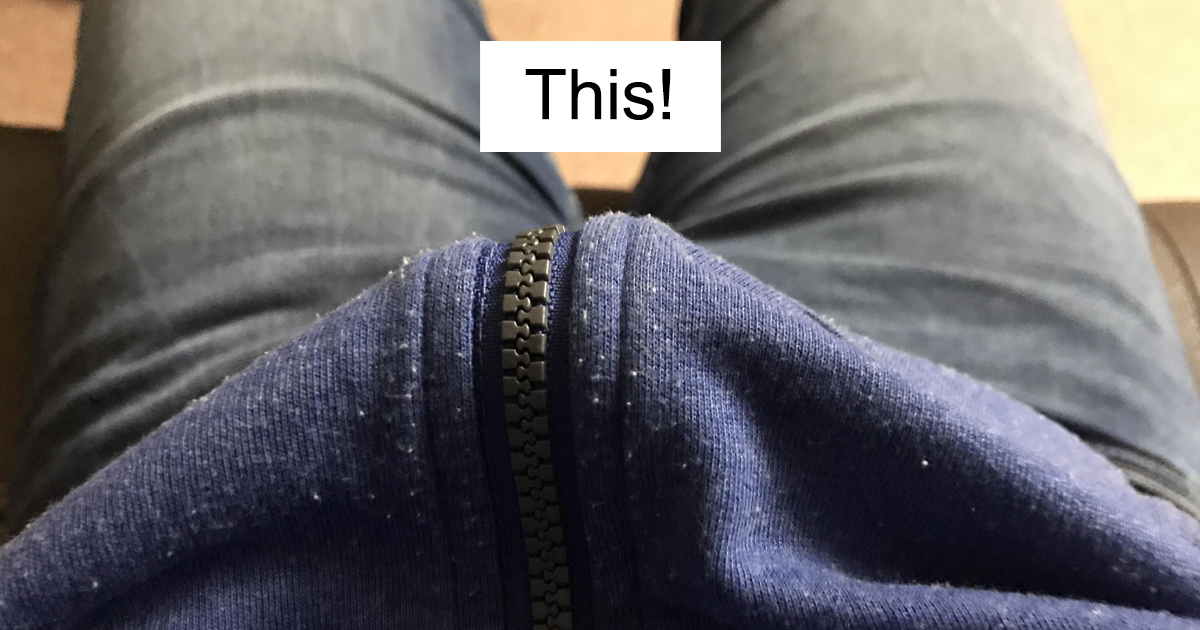
Note: This article is written as companion copy for a 50-image gallery. Match each numbered ed photo before publishing.
Some things are objectively terrible: flat tires, surprise meetings that could have been emails, and discovering your “quick” grocery run happened during the entire after-work rush. Then there are the smaller annoyancesthe ones that technically should not matter but somehow activate a tiny, highly trained rage goblin inside your chest.
That is where these 50 pictures come in. People have been sharing the everyday habits, public-space crimes, digital nonsense, household mysteries, and customer-service facepalms that irritate them more than they would like to admit. None of these moments will make history. But they might make someone stare into the middle distance, whisper “Why would anyone do that?” and immediately send the photo to a group chat.
From shopping carts abandoned like tiny metal tumbleweeds to people who listen to videos without headphones, the most annoying things in life usually involve one person quietly deciding that everyone else’s comfort is optional. The good news is that seeing these pet peeves collected in one place can be weirdly therapeutic. It turns out that your irritation is not always a personal character flaw. Sometimes, the world really is full of people who leave one square of toilet paper on the roll.
Why Tiny Annoyances Feel So Huge
Most pet peeves are not about the event itself. They are about what the event seems to say. A person blocking the grocery aisle with their cart may be holding up your path for only 12 seconds, but your brain translates it as: “I am the main character, and this supermarket is my private kingdom.” A coworker who replies “Per my last email” may be communicating a deadline, but the phrase can arrive wearing a tiny business suit and carrying a flamethrower.
Research on daily stressors suggests that small hassles are a normal part of life, and a person’s emotional response to them can matter as much as the number of hassles they encounter. In other words, one loud phone call on the train may be survivable; ten tiny frustrations stacked together can make a perfectly ordinary day feel like a boss battle.
Stress, fatigue, hunger, and lack of control can also make a minor irritation feel much louder than it otherwise would. The person chewing loudly may not have changed. Your patience, however, may be operating on 2% battery and a cracked charger. Health experts note that irritability can increase when people are stressed, tired, overwhelmed, or dealing with repeated pressures.
That does not mean every annoyance should be treated like a wellness emergency. Sometimes a badly parked car is simply a badly parked car. But it helps to remember that pet peeves often sit at the intersection of inconvenience, unfairness, and the deeply human desire for other people to notice that other people exist.
50 Everyday Things That Make People Quietly Lose It
-
The Shopping Cart Left in a Parking Space
The parking lot has cart corrals. They are not mythical creatures. Yet someone always leaves a cart balanced beside a car like it was released back into the wild.
-
The One Square of Toilet Paper
Nothing says “I have chosen chaos” like finishing the roll, refusing to replace it, and leaving behind one sad square for the next person.
-
Videos Played at Full Volume in Public
There is no soundtrack more stressful than a stranger’s phone blasting random clips while everyone nearby pretends not to hear the seventh looping laugh track.
-
People Who Stop at the Top of an Escalator
The escalator keeps moving. The crowd keeps moving. Yet one person reaches the top and suddenly remembers they have never been in a building before.
-
Drivers Who Do Not Use Turn Signals
Turn signals are not classified government information. Flashing one does not reveal your secret route to the grocery store or your private plans for world domination.
-
The Email With No Subject Line
Opening an empty-subject email is like opening a mysterious door in a horror movie. It could contain a simple question. It could contain your entire afternoon disappearing.
-
Reply-All Chaos
One person says “Thanks!” Then another person says “Thank you!” Soon 74 employees are receiving congratulations for a spreadsheet they never opened.
-
People Who Stand Too Close in a Checkout Line
Your personal space should not require a rental agreement. A shopping cart gently tapping your ankles is not a sign that the line is moving faster.
-
The Microwave Left With Three Seconds on It
Why three seconds? Why not clear it? The glowing number becomes a tiny digital accusation every time someone walks into the kitchen.
-
Food Packages That Refuse to Open
The bag says “easy tear.” The bag lies. Suddenly you are using scissors, teeth, determination, and the strength of every ancestor who ever opened a stubborn snack.
-
People Who Leave Their Dog’s Mess Behind
Owning a dog does not make a person a public-park artist. A plastic bag exists for a reason, and that reason is not decorative landscaping.
-
The Car Parked Across Two Spaces
Some drivers park diagonally as though their vehicle is a celebrity arriving at an awards show. It is a compact SUV, not a red-carpet guest.
-
“Let’s Circle Back” Without a Circle
Corporate phrases can make a simple conversation sound like a GPS malfunction. Sometimes people do not need alignment. They need a clear answer before lunch.
-
Unread Message Notifications That Stay There Forever
A red badge with 9,999 unread notifications is not a lifestyle. It is an abandoned warehouse where tiny digital tasks have gone to form a union.
-
People Who Watch a Video Before Reading the Recipe
Not every recipe needs a cinematic origin story. Sometimes readers just want to know how much garlic belongs in the pan before dinner becomes midnight.
-
Leaving Cabinet Doors Open
Open cabinet doors turn a kitchen into a low-budget obstacle course. Sooner or later, someone will stand up too quickly and receive a wooden reminder.
-
Slow Walkers Who Take Up the Whole Sidewalk
There is nothing wrong with strolling. There is something mildly villainous about strolling three people wide while everyone else performs sidewalk parkour.
-
Someone Taking the Last Snack Without Replacing It
Taking the final cookie is legal. Leaving an empty box behind is emotional graffiti. It says, “I enjoyed this, and now I want you to know it is gone.”
-
Bluetooth Speakers at the Beach
People come to the beach for waves, wind, birds, and occasionally the gentle sound of a seagull plotting theft. They do not always come for your playlist.
-
“Seen” With No Reply
There are few modern emotions more specific than watching a message get seen, then waiting long enough to question your personality, tone, and entire existence.
-
Someone Interrupting Before You Finish a Sentence
Interrupting is conversational speed-running. The person may believe they are being efficient, but everyone else is left holding half a thought and a deep sigh.
-
The Mysterious Wet Spot on a Counter
It is never just water. The problem is not knowing whether it came from a glass, a bag of groceries, or a household incident that requires gloves.
-
People Who Do Not Return Weights at the Gym
Leaving weights everywhere turns the gym into an industrial scavenger hunt. Nobody wants to begin leg day by locating a 25-pound dumbbell under a bench.
-
The “Quick Question” That Needs a Meeting
A quick question should have a quick answer. Once it requires a calendar invite, a presentation, and three stakeholders, it has become a side quest.
-
Typing Loudly During a Movie
Every keyboard tap is a tiny drum solo nobody bought tickets to hear. The plot is happening. The emails can probably survive two hours.
-
The Checkout Line Jumper
People have developed entire civilizations around waiting their turn. One person sliding into line ahead of everyone else can make society feel surprisingly fragile.
-
Stickers That Will Not Peel Off Cleanly
Some labels come off in one satisfying sheet. Others disintegrate into sticky confetti, forcing you to scrub a jar like it personally insulted your family.
-
Someone Talking Through a Show You Are Watching
Yes, that character is suspicious. No, we do not need a running director’s commentary from somebody seeing the plot for the first time.
-
People Who Leave Dishes “To Soak” for Three Days
Soaking is a legitimate cooking strategy. But after 72 hours, it is no longer soaking. It is an aquatic memorial service for lasagna.
-
Restaurants That Hide Prices Until Checkout
A menu should not feel like a suspense thriller. Customers deserve to know whether the salad is $12 or requires a conversation with their financial adviser.
-
Ads That Cover the Entire Screen
Nothing builds brand loyalty like making a tiny “X” drift around the screen while users accidentally open three tabs, two surveys, and a pop-up casino.
-
People Who Never Refill the Ice Tray
They take the last ice cube, close the freezer, and disappear. Somewhere, a glass of iced coffee is warming up while trust quietly dies.
-
Receipts Longer Than the Shopping Trip
You bought toothpaste and gum. The receipt is now long enough to use as a scarf, a bookmark, or evidence in a future archaeological dig.
-
Phone Calls on Speaker in Waiting Rooms
Waiting rooms are already full of awkward silence. They do not need someone’s loud debate about a cousin, a refund, and an uncle named Rick.
-
The Printer That Says It Is Out of Ink When It Is Not
Printers have an ancient grudge against humanity. They sense urgency, then mysteriously become unable to locate paper that is visibly inside them.
-
People Who Leave Hair in the Shower Drain
Everyone sheds hair. Nobody needs to leave behind a damp little wig as proof that they visited the bathroom before you.
-
Driving Slowly in the Fast Lane
The left lane is not a scenic overlook. When one car cruises there at a ceremonial pace, every driver behind it briefly becomes a philosopher of rage.
-
Someone Borrowing Something and Returning It Broken
The worst part is not always the broken item. It is the casual handoff, followed by “It was kind of like that already, right?”
-
Passive-Aggressive Notes
“Friendly reminder” often means the opposite of friendly. A note about dishes can somehow contain enough tension to power a small city.
-
People Who Block Doorways While Chatting
Doorways have one job: helping people pass through. Turning one into a conversation lounge creates a human traffic jam with no alternate route.
-
The Alarm That Keeps Ringing
Hitting snooze once is understandable. Hitting it seven times is a group project, because everyone within earshot becomes part of your morning routine.
-
Leaving Empty Containers in the Refrigerator
An empty milk carton placed back in the fridge is less a mistake and more a prank performed by someone who enjoys disappointing future versions of you.
-
People Who Stand Up Before the Plane Stops
The seatbelt sign is still on. The doors are still closed. Yet someone is already bent sideways under the luggage bin like they are escaping a submarine.
-
Using Both Armrests on a Flight
Airplane etiquette has many gray areas, but armrests are a shared-resource negotiation. Taking both is basically declaring yourself mayor of Row 18.
-
The Person Who Leaves Trash in a Movie Theater
Popcorn tubs, soda cups, and candy wrappers do not vanish when the credits roll. The cleanup crew is not a magical after-movie portal.
-
Someone Saying “No Offense” Before Being Offensive
“No offense” is not diplomatic immunity. It is usually a warning label attached to a comment that absolutely intends to offend someone.
-
Unreadable Password Rules
Your password needs one capital letter, three symbols, a haiku, a blood oath, and a character from an extinct language. Then it expires next Tuesday.
-
The Person Who Never Brings Their Wallet
Forgetting your wallet once is unlucky. Forgetting it every time the bill arrives is a business model built entirely on friendship and selective memory.
-
People Who Leave the Shopping Basket at Checkout
The baskets are usually five steps away. Five. Yet someone always places one directly in the lane, where it waits to surprise the next person.
-
“Just Checking In” Emails Sent Too Soon
Sometimes people are checking in. Sometimes they are gently knocking on your brain every four hours until you become emotionally attached to the delete button.
Why These Pet Peeves Are So Relatable
The funniest thing about annoyance galleries is that readers rarely agree on everything. One person sees a slow walker and thinks, “What is the emergency?” Another sees the same slow walker and experiences a complete spiritual evacuation. That difference is part of the entertainment.
Still, many pet peeves come back to the same themes: respect for shared spaces, respect for other people’s time, and awareness that headphones were invented for a reason. Surveys about travel etiquette repeatedly find that Americans are bothered by things such as seat kicking, strong-smelling food, litter, and travelers ignoring basic row-by-row exit etiquette.
The workplace produces its own special brand of irritation. Poor time management, gossip, unnecessary interruptions, messy shared kitchens, and food theft all turn ordinary offices into laboratories for passive-aggressive sticky notes. A workplace pet peeve may look minor from the outside, but repetition gives it the emotional weight of a tiny paper cut received every day for six months.
When a Pet Peeve Is More Than a Pet Peeve
It is worth separating harmless irritation from something that genuinely affects your well-being. Feeling annoyed by chewing sounds, for example, can range from ordinary sensitivity to a much stronger reaction. Harvard Health notes that misophonia involves an outsized emotional response to certain everyday sounds and can interfere with social situations for some people.
Likewise, feeling unusually angry all the time is not always about other people’s bad parking. Ongoing stress, poor sleep, anxiety, depression, burnout, medication changes, and other issues can affect patience and mood. If irritability is disrupting work, relationships, safety, or daily life, talking with a qualified health professional is more useful than simply collecting more reasons to be annoyed online.
Experiences That Prove Everyone Has a Different Breaking Point
One of the most entertaining parts of reading through people’s pet peeves is realizing how specific human frustration can become. Someone can calmly handle delayed flights, broken appliances, and a surprise tax bill, then lose every ounce of composure because a family member put the clean dishes on the wrong shelf. The brain is mysterious. Apparently, it can survive major life challenges while declaring war on a sponge left in the sink.
Many people recognize this pattern at home. A roommate leaves cabinet doors open. A partner puts wet towels on the bed. A child asks for a snack immediately after you cleaned the kitchen. None of these events are dramatic enough to explain in a movie montage, but they can feel enormous after a long day. The annoyance is rarely just about the towel. It is about feeling like you are the only person noticing the towel, the laundry, the grocery list, the calendar, and the fact that the smoke detector has been chirping for nine days.
Public spaces create a different kind of frustration because there is usually no relationship or history to soften the moment. You cannot tell a stranger in a store aisle, “We have discussed cart placement before.” You simply stand there, smiling politely, while they hold a full conversation with someone across the display of pasta sauce. The same thing happens on public transportation, at airports, in waiting rooms, and in coffee shops. A small act of thoughtlessness feels bigger because there is no easy way to solve it without becoming the person who starts a public argument over a backpack on a chair.
Digital life has made annoyance both easier and more portable. In the past, someone had to call your house to interrupt dinner. Now a phone can deliver marketing notifications, group-chat debates, calendar reminders, password resets, work messages, delivery updates, and a photo of someone’s lunch before you have even poured coffee. That constant access can make a tiny message feel like another person knocking on the door of your attention. It is not always the notification itself that irritates people; it is the feeling that their focus is available for public use.
Work pet peeves often feel personal because they involve fairness. The colleague who arrives late but talks the longest, the person who “forgets” to restock supplies, or the teammate who takes credit for group work can make people feel invisible. Even the famous office-fridge thief is not merely stealing yogurt. They are violating an ancient workplace treaty: What is labeled is not yours. The fact that office annoyances become stories people repeat for years says a lot about how strongly fairness shapes daily experience.
There is also something comforting about laughing at pet peeves instead of treating them as proof that everyone is terrible. A picture of an absurdly parked car or a terrifyingly overfilled inbox can turn irritation into recognition. It says, “Yes, this happened to me too. No, you are not the only person who has stared at a printer and considered moving to a cabin in the woods.” Shared annoyance can become a small social bond, especially when the response is humor rather than hostility.
The healthiest version of a pet peeve is often a quick mental reset: notice it, laugh if possible, and decide whether it deserves your energy. Sometimes it does deserve a calm conversation or a practical boundary. Other times, the best response is taking a breath, putting on headphones, moving the cart back to the corral, and refusing to let a stranger’s sandwich wrapper become the main character in your day. Public-health guidance on managing stress consistently emphasizes small coping habits, including pauses, movement, connection, and identifying personal triggers.
Conclusion: Small Annoyances, Big Recognition
These 50 annoyances are funny because they are familiar. They capture the little moments when everyday life feels like a shared group project and one person has forgotten to read the instructions. Whether it is an abandoned shopping cart, an open cabinet door, a loud speakerphone call, or the final missing ice cube, the best response is usually equal parts patience, humor, and a reminder that everyone is probably someone else’s pet peeve too.