Note: This article is based on publicly reported information, law enforcement updates, family statements, and GoFundMe refund policy details available at the time of writing.
The disappearance of Hannah Kobayashi began as the kind of story that makes strangers stop scrolling. A young woman from Maui missed a connecting flight in Los Angeles, sent alarming messages to her family, and seemed to vanish into one of America’s busiest cities. Within days, relatives, volunteers, and online supporters rallied around the search. A GoFundMe campaign raised close to $50,000 to help cover travel, temporary housing, search efforts, and public awareness.
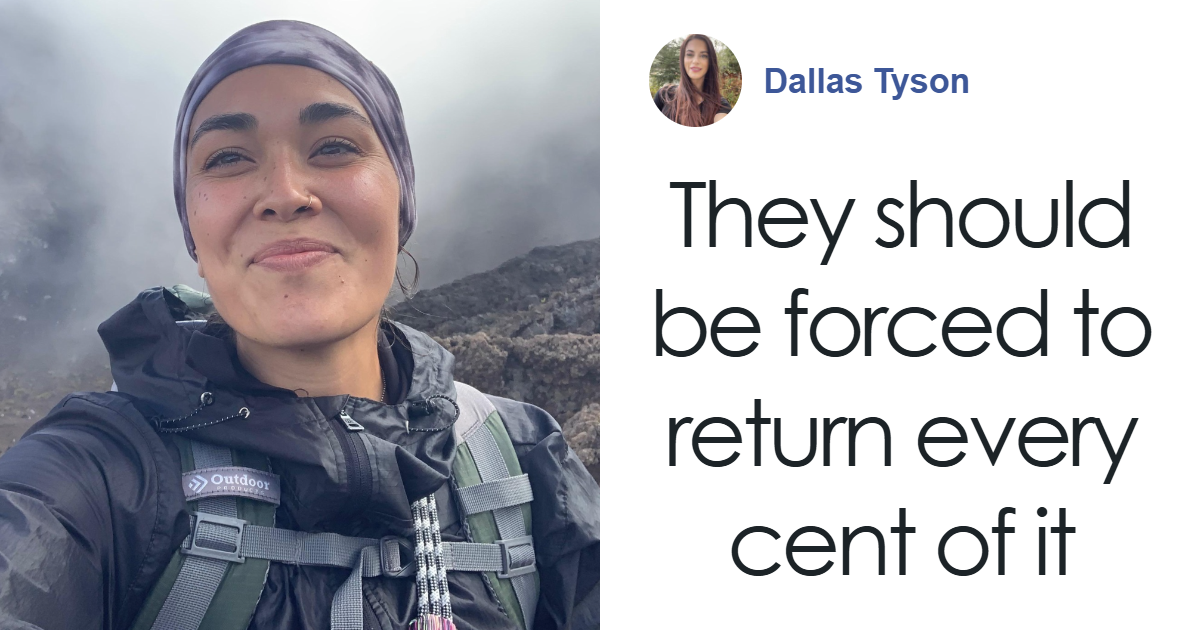
Then came the twist. Los Angeles police said surveillance video showed Kobayashi crossing into Mexico on foot, alone, with her luggage, and without signs of foul play. Later, her family announced she had been found safe. Relief should have been the easy emotion. Instead, the internet did what the internet does best: it pulled up receipts, opened the comment section, and demanded answers. Some donors said the money should be returned immediately. Others went further with a blunt message: “Return every cent.”
The Hannah Kobayashi GoFundMe refund controversy has since become more than a missing-person story. It has turned into a debate about trust, crowdfunding ethics, online judgment, family trauma, and what donors are owed when the facts of an emergency change.
Who Is Hannah Kobayashi?
Hannah Kobayashi is a photographer from Maui, Hawaii, whose disappearance attracted national attention in late 2024. She was reportedly traveling from Hawaii to New York City, with a layover at Los Angeles International Airport. According to public reports, she missed her connecting flight and later sent messages that worried her family. Those messages reportedly suggested she had been tricked, that her money may have been taken, and that something was wrong.
For loved ones, the situation looked terrifying. Missing an ordinary flight is annoying; missing a flight, sending strange texts, going silent, and being in a sprawling city like Los Angeles is a recipe for panic. Family members believed she may have been in danger, and their fears were amplified by the speed at which missing-person cases can go cold.
Search efforts expanded quickly. Volunteers helped distribute information. Media outlets covered the case. Social media accounts shared photos, timelines, theories, and pleas for information. In that environment, a fundraiser felt natural to many supporters. People donated because they believed they were helping a family find a missing daughter, sister, and friend.
Why Donors Gave Money To The Search
The GoFundMe campaign connected with people because the purpose seemed urgent and human. The money was described as support for search-related needs, including transportation, lodging, outreach, and other expenses connected to locating Hannah. In a missing-person case, costs can pile up faster than anyone expects. Flights, hotels, printed materials, rideshares, food, phone bills, and time away from work can become a financial avalanche.
Many donors likely gave small amounts: $10, $20, $50. But small donations add up quickly when a story becomes national news. The fundraiser reportedly reached more than $47,000, with hundreds of donors participating. That number became a symbol of both public generosity and public expectation.
Online giving works on trust. Donors usually do not expect a detailed invoice before clicking “donate.” They respond to urgency, emotion, and the belief that their money will be used for the stated purpose. In the Kobayashi case, donors believed they were contributing to a rescue-oriented search. When police later said Hannah had crossed into Mexico voluntarily, some supporters felt the foundation of their donation had changed.
The LAPD Update That Changed The Conversation
The biggest turning point came when the Los Angeles Police Department said Hannah had crossed the U.S.-Mexico border voluntarily. Authorities said video showed her entering Mexico at the San Ysidro border crossing, alone and apparently unharmed. Police classified the case as a voluntary missing-person matter and said they had not found evidence that she was being trafficked or that she was the victim of a crime.
That announcement dramatically changed the public mood. Before the police update, many people viewed the case through the lens of danger: kidnapping, trafficking, coercion, or exploitation. After the update, the story became more complicated. If Hannah had chosen to leave, donors asked, why had the public been asked to fund a search under the assumption that she was missing against her will?
To be fair, families often act with incomplete information. Panic does not wait politely for surveillance footage. When someone you love vanishes after strange messages, you do not sit down with a cup of chamomile tea and say, “Let’s wait for the full investigative packet.” You move. You search. You call. You beg strangers for help. But donors, especially after the police update, wanted clarity on what the fundraiser money had already paid for and what would happen next.
Hannah Kobayashi Found Safe: Relief Followed By Backlash
When Hannah was reported found safe, the emotional center of the story shifted again. Her family expressed relief and gratitude and asked for privacy after what they described as an unimaginable ordeal. The case also carried a painful tragedy: Hannah’s father, Ryan Kobayashi, died by suicide during the search. That loss made the story even more devastating and complicated.
For many observers, compassion remained the main response. A family had feared the worst, searched desperately, endured public scrutiny, and suffered a heartbreaking loss. But for some donors, the issue was narrower: they had given money for a search, and the person was now safe. If the funds were no longer needed for that purpose, they wanted refunds.
That is where the phrase “Return every cent” captured the anger of a segment of the online audience. Donors were not simply asking about unused money. Some felt misled. Others felt the fundraiser should have been paused sooner. Some questioned whether public updates had been clear enough after police said Hannah had entered Mexico voluntarily.
The Family’s Refund Offer
In response to the controversy, Hannah’s family turned off donations and offered refunds to donors. Public reports said donors could submit a refund claim by a specified deadline and that those requests would be honored. That move was important because it acknowledged the donors’ concerns without requiring everyone to agree on the emotional meaning of the case.
Refund offers do not erase the confusion, but they do create a path forward. In crowdfunding, transparency is oxygen. When donors can see a clear refund process, the temperature usually drops. When the process feels vague, the internet grabs a megaphone and starts organizing a courtroom in the comments section.
The refund deadline, however, also became part of the debate. Some people felt a deadline was reasonable because organizers needed a practical way to close the campaign. Others argued that anyone who donated should receive money back automatically if the original search purpose was no longer active. Both views reflect a larger question: when an emergency fundraiser changes, who carries the responsibility to fix itthe organizer, the platform, or the donor?
What GoFundMe Policies Mean For Donors
GoFundMe allows donors to request refunds and promotes a donor protection guarantee for cases where something is not right. The platform also provides tools for organizers to refund donors when funds are no longer needed, although the exact process can depend on whether money has already been withdrawn or transferred.
That matters because crowdfunding is not the same as buying a product. A donor is not purchasing a guaranteed outcome. They are contributing to a cause based on the information available at the time. Still, donors have legitimate expectations: the stated purpose should be honest, updates should be timely, and unused funds should not disappear into a fog bank wearing sunglasses.
The Hannah Kobayashi fundraiser became a case study in why organizers should provide regular updates, especially when a case receives national attention. If police statements, family concerns, and media reports are all moving at different speeds, donors can easily feel whiplash. Clear communication is not just polite; it protects trust.
Why The Backlash Became So Intense
The refund backlash was fueled by several factors. First, the case had a strong emotional hook. People believed a woman might be in danger, and many donated from a place of fear and empathy. When the facts shifted, that emotional investment turned into frustration for some supporters.
Second, the story unfolded online, where nuance often gets packed into a suitcase and thrown off a cliff. Social media rewards certainty, not complexity. A missing-person case can involve fear, privacy, law enforcement limits, family conflict, trauma, and incomplete information. Online audiences often prefer a simpler script: hero, villain, scam, refund.
Third, donors had questions about timing. Once authorities said Hannah had crossed into Mexico voluntarily, should the fundraiser have stopped immediately? Should the family have updated donors faster? Should all money have been frozen until her safety was confirmed? These are fair questions, even when asked in a harsh tone.
Finally, the amount of money raised made the issue more visible. A few hundred dollars might have generated grumbling. Nearly $50,000 created a public accountability moment. The larger the fundraiser, the louder the demand for documentation.
Was This A Scam?
Calling the fundraiser a scam is a serious accusation, and public information does not support making that claim as fact. The family launched the fundraiser during a period when Hannah’s whereabouts were unknown, messages had alarmed relatives, and loved ones believed she could be in danger. Police later developed information that changed the understanding of the case.
A better way to describe the situation is this: the fundraiser was created under urgent, uncertain circumstances, and the public narrative changed after law enforcement released additional details. That change created donor frustration and refund demands. It is possible to believe donors deserved transparency while also recognizing that families in crisis do not operate like corporate communications departments with matching blazers and a five-step media plan.
The most responsible analysis avoids extremes. It does not mock donors for wanting their money back. It also does not treat a grieving family as villains simply because the case became confusing. The truth is messier, and unfortunately, messy truth does not fit neatly into a viral headline.
What This Case Teaches About Online Fundraising
The Hannah Kobayashi donation controversy highlights a growing challenge in the age of instant crowdfunding. When a crisis goes viral, money can move faster than facts. A family can raise tens of thousands of dollars before investigators finish reviewing surveillance footage. Donors can feel deeply involved in a story without knowing the people at the center of it.
For fundraiser organizers, the lesson is simple: update early, update often, and explain how funds are being used. If the purpose changes, say so immediately. If money is being reserved for related expenses, explain that clearly. If refunds are available, provide instructions in plain language. Silence may feel protective during trauma, but online silence often breeds suspicion.
For donors, the lesson is also important: give with compassion, but understand the uncertainty of crisis giving. A donation is not a subscription to every private detail of a family emergency. Donors deserve honesty about money, but they are not automatically entitled to every medical, legal, emotional, or personal fact behind a case.
The Human Side Behind The Refund Demands
It is easy to reduce this story to money, but the emotional reality is heavier. Donors felt moved enough to contribute. Volunteers spent time searching. Family members experienced fear, public pressure, and grief. Hannah herself later faced intense criticism after being found safe, with many people demanding explanations.
That is the uncomfortable part of viral empathy: it can turn into viral anger in a blink. The same strangers who send money may later demand answers. The same public that says “we care” may also say “we own the story now.” But real people are not episodes in a streaming mystery series. They do not exist only to satisfy a comment section.
Still, money changes the equation. Once the public is asked to fund a private emergency, organizers accept a level of accountability. Donors should not harass families, but they can reasonably ask what happened to the funds. Compassion and accountability are not enemies. They just need to stop yelling over each other.
Experience-Based Reflections: What Donors, Families, And Readers Can Learn
Stories like the Hannah Kobayashi fundraiser controversy offer practical lessons for anyone who has ever donated to a personal emergency onlineor might do so in the future. The first lesson is to pause before giving, even when the story feels urgent. That does not mean becoming cold or suspicious of everyone. It simply means asking basic questions: Who organized the fundraiser? What is the money for? Are updates being posted? Is there a named beneficiary? Has the situation been verified by family, law enforcement, a hospital, a school, or another credible source?
In real life, many people donate because they want to help quickly. That instinct is beautiful. It is also why scammers and poorly managed campaigns can thrive. A donor does not need to become a detective with a corkboard and red string, but a little caution is healthy. If the fundraiser is for a missing person, look for clear language about how money will be used: search teams, flyers, travel, lodging, legal help, or family support. Vague language may not be malicious, but it leaves room for disappointment later.
The second lesson is for families and campaign organizers: assume donors will want updates. This is especially true if the case becomes public. A short update can prevent a thousand angry comments. Something as simple as “We are pausing donations while we review next steps” can make a big difference. If the person is found safe, say whether remaining funds will be refunded, donated, or used for documented related expenses. People may not love every decision, but they usually respond better when they are not left guessing.
The third lesson is emotional: online communities need to leave room for uncertainty. Missing-person cases are rarely neat. Families may receive partial information. Police may know things they cannot immediately share. Loved ones may disagree with investigators. The person at the center of the case may have private reasons for leaving, disconnecting, or staying silent. None of that cancels donor accountability, but it should slow down the rush to label everyone a villain.
The fourth lesson involves refunds. Donors should keep confirmation emails and know how to contact the fundraising platform. If an organizer offers a refund deadline, donors should act quickly instead of waiting for the outrage train to make another lap. Organizers, on the other hand, should make refund instructions easy to find. “Contact us if you want a refund” is helpful; a clear step-by-step explanation is better. The internet is already confused enough. No one needs a scavenger hunt with their $25 donation.
Finally, this case reminds us that generosity works best when paired with transparency. People want to help. They will open their wallets for strangers when the need feels real. But that trust is fragile. Once broken, it does not return with a cute apology graphic and a heart emoji. The best path forward is simple: donors should give thoughtfully, organizers should communicate clearly, and everyone should remember that behind every viral fundraiser is a real human storyoften messier, sadder, and more complicated than the headline suggests.
Conclusion
The demand for refunds in the Hannah Kobayashi case is not just about dollars. It is about the fragile agreement between online donors and fundraiser organizers. People gave money because they believed they were helping find a missing woman. When authorities later said Hannah had voluntarily crossed into Mexico and she was eventually found safe, many donors felt the purpose of the fundraiser had changed.
The family’s decision to turn off donations and offer refunds was a necessary step toward restoring trust. But the controversy will likely remain a reference point for future crowdfunding debates. It shows how quickly public compassion can become public scrutiny, especially when a case involves incomplete facts, emotional updates, law enforcement statements, and a large amount of donated money.
The fairest takeaway is not that donors were wrong to ask questions, nor that the family was wrong to seek help during a frightening crisis. The takeaway is that crowdfunding requires transparency at every stage. When people give from the heart, they deserve clarity. And when families are living through chaos, they deserve humanity. Both things can be true at the same time.