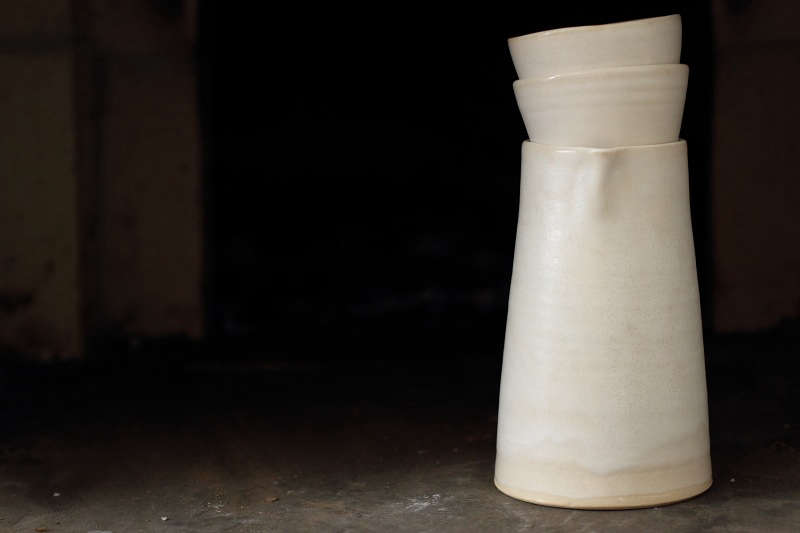
A great kitchen tool should earn its cabinet space. A pitcher with nesting cups does exactly that: it pours, stores, travels from table to patio, and then tucks itself away without starting a cabinet avalanche. It is the kind of humble household set that rarely gets a standing ovation, mostly because everyone is too busy enjoying cold lemonade, iced tea, fruit-infused water, or a last-minute brunch drink.
The appeal of a pitcher and nesting cups set is simple. It brings together serving convenience, compact storage, and a more intentional way to offer drinks at home. Instead of pulling out mismatched glasses, plastic bottles, and the one cup that somehow belongs to a different decade, you have one coordinated setup that looks neat and works hard.
Whether you live in a small apartment, host backyard lunches, pack family picnic supplies, or simply want the refrigerator to feel less chaotic, a beverage pitcher with stackable cups can make everyday routines easier. The best sets are not just pretty tabletop accessories. They are practical little systems for hydration, hospitality, and keeping the kitchen from becoming a game of cupboard Tetris.
Why a Pitcher With Nesting Cups Makes So Much Sense
Pitchers have always been useful because they turn a basic beverage into something shareable. Fill one with chilled water, cucumber slices, citrus, berries, or mint, and suddenly an ordinary weekday lunch feels like it has a reservation. Add nesting cups, and the setup becomes even more useful because every serving piece has a home.
Nesting cups are designed to fit inside one another, reducing the amount of shelf or cabinet space they occupy. That may sound like a tiny feature, but tiny features are how kitchens avoid becoming haunted by loose lids, rogue mugs, and drinking glasses that topple over when you reach for one bowl.
A coordinated pitcher and cup set can work especially well for households that want fewer duplicate items. Instead of keeping a large collection of drinkware for every possible occasion, you can use a compact set for daily meals, casual entertaining, outdoor dining, road trips, and kid-friendly snack breaks.
What to Look for in a Pitcher and Nesting Cups Set
Capacity That Matches Your Real Life
Before choosing a beverage pitcher, think about how many people you usually serve. A small pitcher may be perfect for two people at breakfast, while a larger model makes more sense for family dinners, poolside afternoons, or gatherings where everyone suddenly becomes very interested in lemon water.
For everyday use, a pitcher that holds enough for several servings without becoming awkwardly heavy is usually the sweet spot. If you often host larger groups, consider having one main pitcher and a second refill container ready in the refrigerator. This keeps the table looking orderly and saves you from becoming the unofficial beverage shuttle.
Cups That Stack Without Sticking
The best nesting cups slide together neatly but do not create a suction-cup situation that requires superhero strength to separate. Look for slightly tapered shapes, smooth interiors, and rims that are comfortable to hold. Cups should stack securely in a cabinet, but they should also come apart easily when someone asks for a drink before you have had coffee.
Consider cup size, too. Smaller cups are useful for children, juice, and quick sips, while larger cups work better for iced drinks, sparkling water, and long meals outdoors. A versatile set may include cups that feel substantial enough for adults but are not so heavy that younger family members struggle to carry them.
A Handle and Spout That Behave Themselves
A pitcher should pour smoothly, not dribble down the side like it has suddenly forgotten its job. Look for a sturdy handle that allows a comfortable grip, especially when the pitcher is full. A well-shaped spout helps control the flow and keeps ice cubes, fruit slices, or herbs from making a surprise escape onto the tablecloth.
Lids can also be useful, particularly for outdoor meals or refrigerator storage. A lid may help keep drinks covered, slow down splashing, and keep floating fruit where it belongs. Still, check whether the lid is easy to remove and clean. A complicated lid with too many tiny crevices can turn a refreshing pitcher into a tiny archaeology project.
Choosing the Right Material
Glass: Clear, Classic, and Table-Ready
Glass pitchers make it easy to see what is inside, which is handy when you have made fruit water or tea and want the color and ingredients to become part of the presentation. Glass also feels polished enough for dinner parties while remaining practical for regular meals.
The trade-off is weight and breakability. A glass pitcher may be beautiful, but it is not always the best choice for a crowded picnic table, a busy patio, or a home with enthusiastic small children practicing their future careers as hurricane chasers.
Plastic or Acrylic: Lightweight and Outdoor-Friendly
Plastic and acrylic drinkware are popular for patios, picnics, pool areas, and family gatherings because they are lighter and less likely to shatter than glass. Choose products that are specifically intended for food and beverage use, and follow the manufacturer’s directions for dishwasher use, temperature limits, and microwave safety.
For cold drinks, a durable plastic pitcher and nesting cup set can be wonderfully practical. It is easier to carry, usually less stressful around children, and often comes in cheerful colors that make even plain water look like it has plans for the weekend.
Stainless Steel: Built for Busy Days
Stainless steel pitchers and cups are durable, travel-friendly, and useful for outdoor meals or frequent use. They can be a smart option for households that want something sturdy and low-fuss. Double-wall designs may help keep cold beverages cool longer, though they are often heavier and less transparent than glass or plastic.
Stainless steel is especially appealing for camping, beach trips, and backyard meals. It may not show off sliced strawberries as dramatically as glass, but it is far less likely to lose an argument with a stone patio.
Ceramic: Charming but Best for Calm Tables
Ceramic pitchers can bring warmth and personality to a table, especially for brunch, holiday meals, or indoor entertaining. They are often best for serving cold or room-temperature drinks at a relaxed table rather than hauling around a crowded backyard.
Always check the manufacturer’s care label before using ceramic drinkware in a dishwasher, microwave, or refrigerator. Decorative pieces can be lovely, but lovely should not mean mysterious. When in doubt, treat specialty tableware gently.
Easy Ways to Use a Pitcher and Nesting Cups Set
Create a Daily Hydration Station
Keep a filled pitcher in the refrigerator and a stack of clean cups nearby. This simple setup encourages everyone to serve themselves, especially during busy afternoons when opening the refrigerator begins to feel like a group activity.
Try rotating easy flavor combinations: lemon and cucumber, orange and mint, strawberry and basil, or plain chilled water with plenty of ice. You do not need a complicated recipe. The point is to make water feel inviting, not to audition for a beverage commercial.
Make Family Meals Feel More Organized
Set the pitcher in the center of the table with the nesting cups stacked beside it. This creates a simple self-serve drink station and reduces repeated trips to the kitchen. It also gives children a small responsibility they can manage, such as choosing a cup, placing it at their seat, or helping refill the pitcher with adult supervision.
Use It for Outdoor Meals
A lightweight pitcher and nesting cups set is especially useful outdoors. Bring it to the porch, picnic blanket, campground, or backyard table. Because the cups stack together, they are easier to transport than a jumble of loose glasses rolling around in a tote bag like they are trying to escape.
Keep a Compact Guest Setup
For small homes, nesting cups can serve as a compact guest drinkware collection. Store them inside the pitcher or beside it on one shelf. When friends visit, pull out the full set at once. It looks prepared, even when you definitely remembered guests were coming approximately seven minutes ago.
A Simple Pitcher Drink for Everyday Serving
Citrus-Mint Cooler
For a bright, nonalcoholic drink that works well in a clear pitcher, combine cold water, thin slices of lemon and orange, a few torn mint leaves, and plenty of ice. Let it sit in the refrigerator for 20 to 30 minutes before serving so the flavors have time to mingle politely.
For a lightly sparkling version, add chilled sparkling water right before serving. Keep the cups separate from the ice until mealtime if you want the drink to stay colder longer. A simple pitcher drink does not need a dramatic ingredient list to feel special; fresh fruit, herbs, and a clean serving set do most of the work.
Care Tips for Pitchers and Nesting Cups
Wash pitchers and cups promptly after serving drinks with fruit, juice, dairy, or sweeteners. Rinse the pitcher right away if you cannot wash it immediately, especially around the spout, lid, and handle. Those small areas are where residue tends to settle in and start acting like it pays rent.
Use a soft bottle brush for narrow pitchers and clean under removable lids, strainers, or inserts. Avoid abrasive scrubbers on acrylic, plastic, or decorative finishes unless the manufacturer specifically says they are safe. For glass and stainless steel, check whether the set is dishwasher-safe, but remember that handwashing may extend the life of delicate pieces.
Store nesting cups completely dry before stacking them. Moisture trapped between cups can create unpleasant odors and makes a neat storage solution feel much less neat. If your cups tend to stick together, place a small clean cloth or paper liner between them before storing.
Buying Checklist: Pitcher and Nesting Cups
- Choose a pitcher capacity that fits your typical household or gathering size.
- Look for cups that nest compactly but separate easily.
- Pick food-safe materials intended for beverage service.
- Check whether the handle feels comfortable when the pitcher is full.
- Choose a spout that pours cleanly and controls ice or fruit pieces.
- Confirm dishwasher, refrigerator, and microwave instructions before use.
- Consider a lid if you plan to serve drinks outside or store them in the refrigerator.
- Use supervised, age-appropriate drinkware for younger children.
Experiences With Pitchers and Nesting Cups: What Actually Works
The first real test of a pitcher and nesting cups set usually happens on an ordinary day, not during a perfectly styled dinner party. Picture a warm Saturday morning: breakfast dishes are stacked near the sink, someone wants orange juice, someone else wants water, and the kitchen counter has already collected three unrelated mugs. A pitcher filled with chilled water and a tidy stack of cups can make the whole scene feel oddly more manageable. It is not magic, but it is close enough for a kitchen before 10 a.m.
In small apartments, the storage benefit becomes obvious fast. A set of loose tumblers can take over an entire cabinet shelf, especially when every glass has a different width, height, and emotional attachment to a previous apartment. Nesting cups reduce that clutter. They create one compact tower instead of a wobbly collection, leaving room for bowls, plates, and perhaps the one serving dish you only use twice a year but refuse to get rid of.
At casual family meals, a pitcher brings a sense of shared routine. Rather than everyone opening and closing the refrigerator repeatedly, the drink is already on the table. Children often enjoy choosing a cup from the stack, and older kids can help carry the empty cups back after the meal. That small bit of participation makes the set feel less like tableware and more like part of the family rhythm.
Outdoor use is another place where this combination shines. At a picnic, a nesting cup set travels better than individual glasses tucked into every available corner of a bag. At a backyard cookout, lightweight cups are easier to pass around and less stressful than fragile drinkware. A pitcher of citrus water on a warm afternoon also looks welcoming without requiring much planning. Slice fruit, add ice, place cups nearby, and suddenly the table looks like someone had a plan all along.
There is also a quiet advantage for people who do not love hosting but still want guests to feel comfortable. A self-serve drink station removes one small responsibility from the host’s plate. Guests can pour their own water or iced tea, refill when they want, and choose a cup without asking where anything is. Meanwhile, the host gets to sit down for at least three consecutive minutes, which is a luxury item in most homes.
For parents and caregivers, nesting cups can also have a life beyond the dining table. Appropriate play versions of nesting cups invite children to explore size, stacking, filling, emptying, and fitting objects together. The important distinction is to use products designed for a child’s age and ability, provide supervision, and keep fragile serving pieces separate from play materials. The kitchen pitcher may be for lemonade; the play cups may be for building a tiny tower that will be knocked down with tremendous joy.
Over time, the best pitcher and nesting cups set becomes one of those useful household basics that you reach for without thinking. It is there for breakfast, school-day snacks, porch dinners, movie nights, visitors, and hot afternoons. It does not need to be expensive or fancy. It simply needs to pour well, stack neatly, clean easily, and make everyday serving feel a little less scattered.
Conclusion
A pitcher with nesting cups is a smart example of practical design meeting everyday comfort. It saves space, makes drinks easier to serve, keeps tables looking organized, and works in homes where storage is limited but hospitality is still very much alive.
Choose a set that fits your lifestyle rather than chasing the fanciest option. A sturdy handle, clean-pouring spout, food-safe material, easy-care instructions, and cups that nest neatly will matter more than a dramatic color or trendy pattern. The right pitcher and nesting cups set can make water feel more inviting, meals feel more relaxed, and your cabinets feel like they finally have a plan.
SEO Tags
Note: Follow each manufacturer’s instructions for food-contact use, cleaning, temperature limits, and child-safe use.