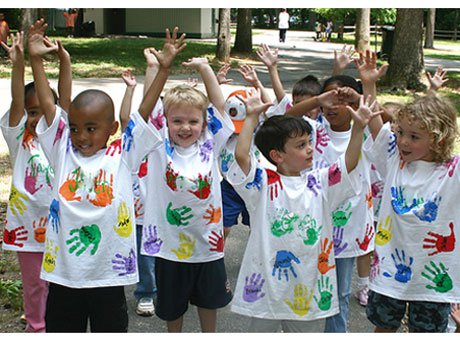
Walk into any classroom in America today and you will likely find more than a seating chart. You will find languages, family traditions, learning styles, migration stories, food memories, holidays, accents, identities, and a few mystery items in backpacks that nobody wants to identify before lunch. Cultural diversity is not a future trend in education. It is already sitting in the third row, raising its hand, and asking whether the assignment can connect to real life.
Preparing for cultural diversity is not about memorizing every custom from every country, nor is it about turning the classroom into a once-a-year “international food day” and calling it equity. Real preparation means building a classroom where students feel seen, challenged, respected, and academically supported. It means using culturally responsive teaching, inclusive classroom resources, family partnerships, English learner supports, and flexible learning design to help every student participate with confidence.
This guide gathers practical, teacher-friendly ideas for preparing for cultural diversity, including classroom strategies, professional learning resources, lesson planning tools, family engagement approaches, and real-world examples. Think of it as your cultural diversity toolkit: less dusty binder, more useful compass.
What Cultural Diversity Means in the Classroom
Cultural diversity includes race, ethnicity, language, nationality, religion, family structure, socioeconomic background, disability, gender identity, immigration experience, regional identity, and community traditions. In school, culture also shapes how students communicate, collaborate, ask for help, show respect, solve problems, and respond to authority.
For teachers, the goal is not to become an expert on every student’s entire background by Friday. The goal is to become curious, reflective, and responsive. A culturally prepared teacher asks better questions: Whose voices are missing from this lesson? Are students able to connect new content to what they already know? Do classroom routines make sense to all families? Are students being evaluated fairly, or are they being punished for unfamiliar communication styles?
Why Teachers Need Cultural Diversity Resources
Teachers are already professional multitaskers. On a normal day, they may explain fractions, fix a projector, decode a hallway rumor, answer three emails from parents, and prevent a pencil from becoming a medieval weapon. Cultural diversity resources make this work more effective by giving teachers ready-made tools for inclusion, language support, curriculum review, family communication, and classroom community building.
These resources matter because diverse classrooms are not automatically inclusive classrooms. Students can be physically present and still feel invisible. They can speak another language at home and never see that language treated as an asset. They can belong to a cultural group that appears in textbooks only during hardship, conflict, or a single heritage month. Good resources help teachers move from good intentions to strong practice.
Start With Self-Reflection Before Lesson Planning
Cultural diversity preparation begins with the teacher, not the bulletin board. Before choosing books, videos, posters, or classroom activities, teachers should examine their own assumptions. Every educator brings cultural habits into the classroom: ideas about eye contact, silence, independence, punctuality, participation, family involvement, and “appropriate” behavior.
Questions Teachers Can Ask Themselves
Self-reflection does not require dramatic background music. It simply requires honesty. Teachers can begin with questions like:
- Which students do I call on most often, and why?
- Do I interpret quietness as disengagement, or could it be respect, processing time, or language confidence?
- Whose histories, authors, scientists, artists, and leaders appear in my curriculum?
- Do my classroom examples assume one type of family, neighborhood, income level, or cultural experience?
- How do I respond when students challenge, question, or interpret content differently?
Reflection is powerful because it prevents teachers from treating culture as something only students have. Everyone has culture. Even the teacher who says, “I don’t have a culture,” has one. It may simply be hiding behind laminated procedures and a favorite coffee mug.
Use Culturally Responsive Teaching Strategies
Culturally responsive teaching connects academic content to students’ experiences, languages, identities, and communities. It is not lowering expectations. In fact, it works best when teachers combine high expectations with meaningful support. Students should not only feel comfortable; they should feel capable of doing rigorous work.
Build on Students’ Background Knowledge
Before starting a unit, invite students to share what they already know. In a science lesson about ecosystems, students might discuss gardens, farms, parks, fishing, weather patterns, or urban wildlife in their communities. In a literature unit, students can compare a theme from the text with family stories, local issues, or music they know. Background knowledge is not a side dish. It is often the bridge to comprehension.
Offer Multiple Ways to Participate
Some students shine in whole-class discussion. Others need partner talk, drawing, writing, sentence frames, visuals, or extra wait time. A culturally responsive classroom does not measure intelligence by who talks fastest. Teachers can offer options such as oral responses, written reflections, small-group discussion, visual projects, audio recordings, or bilingual notes.
Make Classroom Norms Explicit
Classroom expectations are cultural. “Participate respectfully” may sound obvious, but students may interpret it differently. Does respect mean looking directly at the speaker? Waiting to be called on? Building on someone’s idea? Disagreeing politely? Teachers should model and practice discussion norms instead of assuming everyone arrived with the same invisible handbook.
Resources for Teaching English Learners
English learners bring valuable linguistic and cultural knowledge to the classroom. Preparing for cultural diversity means treating multilingualism as an asset, not a problem to be fixed. Teachers do not need to speak every student’s home language to create a supportive environment. They do need strategies that make content understandable while students continue developing English.
Practical Supports for English Learners
- Use visuals, gestures, models, real objects, and graphic organizers.
- Teach key vocabulary before reading or discussion.
- Provide sentence frames for academic conversation.
- Allow students to brainstorm in their home language when helpful.
- Pair students strategically for peer support.
- Check comprehension privately instead of putting students on the spot.
Helpful teacher resources include English learner family toolkits, bilingual communication templates, culturally responsive instruction guides, and classroom materials designed for language development. Strong English learner support is not just about translation. It is about access, dignity, and participation.
Choose Inclusive Curriculum Materials
Curriculum sends a message before the teacher says a word. Students notice who appears in stories, whose inventions are celebrated, whose communities are discussed, and whose experiences are missing. Inclusive curriculum materials help students learn both windows and mirrors: windows into others’ lives and mirrors that reflect their own.
How to Review Materials for Cultural Diversity
Teachers can review books, slides, videos, examples, and assessments with a simple checklist:
- Do materials represent people from different racial, ethnic, linguistic, and cultural backgrounds?
- Are diverse groups shown in everyday life, joy, leadership, creativity, and problem-solvingnot only struggle?
- Are stereotypes avoided?
- Are students exposed to multiple perspectives on historical and current issues?
- Can students connect the content to their own communities?
Primary sources are especially useful. Photographs, letters, oral histories, maps, newspapers, speeches, songs, and artifacts can help students analyze history and culture from real human perspectives. They also give teachers a way to move beyond textbook summaries and invite students to become investigators.
Use Universal Design for Learning
Universal Design for Learning, or UDL, helps teachers plan lessons that work for many learners from the beginning. Instead of designing one narrow path and adding “fixes” later, teachers create flexible options for engagement, representation, and expression.
UDL fits naturally with cultural diversity because students differ in how they connect with content, process language, show understanding, and stay motivated. A lesson on community health, for example, might include a short article, an infographic, a video, partner discussion, vocabulary support, and options for students to respond through writing, presentation, or a visual explanation. Same goal, multiple doors.
Strengthen Family and Community Engagement
Families are not guests in education. They are partners. Culturally responsive family engagement means communicating in accessible ways, respecting family knowledge, and avoiding assumptions about who cares based on who attends meetings. Some families may work multiple jobs, have limited transportation, feel uncertain about school systems, or come from cultures where questioning teachers is considered disrespectful. Silence does not always mean disinterest.
Ways to Build Trust With Families
- Learn how families prefer to communicate: email, phone, text, app, paper note, or in-person meeting.
- Use interpreters when needed instead of relying on students to translate sensitive information.
- Share positive messages early, not only when there is a problem.
- Invite families to contribute stories, skills, career knowledge, or community perspectives.
- Explain school routines clearly, including grading, conferences, attendance, and special services.
Family engagement works best when it is consistent and relational. A teacher who sends one friendly message in September may prevent five misunderstandings in November. It is the educational version of changing the oil before the engine starts making expensive noises.
Create a Welcoming Physical and Emotional Classroom
The classroom environment should say, “You belong here,” without needing a neon sign, although that would certainly wake everyone up during first period. A welcoming classroom includes diverse books, student work, multilingual labels where appropriate, clear routines, accessible materials, and visuals that reflect many communities.
But walls are only the beginning. Emotional safety matters even more. Students need to know that their names will be pronounced correctly, their questions will be respected, and their identities will not be used as classroom decorations. If a lesson touches on culture, race, religion, immigration, or identity, no student should be forced to speak for an entire group.
Prepare for Difficult Conversations
Cultural diversity sometimes brings difficult conversations into the classroom. Students may ask about racism, stereotypes, war, religion, current events, language discrimination, or unfairness they have experienced. Avoiding every hard topic may feel safe, but silence can teach its own lesson.
Guidelines for Respectful Discussion
- Establish discussion norms before sensitive topics arise.
- Use evidence-based questions instead of personal accusations.
- Teach students how to disagree without attacking.
- Pause when emotions rise and return to shared agreements.
- Follow up privately with students who may be affected by the topic.
Teachers do not need perfect answers. They need clear boundaries, thoughtful facilitation, and the humility to say, “That is important. Let’s examine it carefully.” The goal is not to win debates. The goal is to build understanding, critical thinking, and respect.
Professional Learning Resources for Teachers
Teachers preparing for cultural diversity should not have to invent every tool alone. Useful professional learning resources include cultural competence training, culturally responsive teaching guides, English learner instruction materials, anti-bias education frameworks, UDL guidelines, social justice education practices, and museum or library-based lesson collections.
Types of Resources Worth Keeping Handy
- Culturally responsive teaching guides: Help teachers connect instruction to students’ identities and experiences.
- English learner resources: Support language access, family communication, and academic vocabulary development.
- Inclusive book lists: Offer diverse literature across grade levels and subjects.
- Primary source collections: Provide authentic materials for history, civics, literature, art, and social studies.
- UDL planning tools: Help design flexible lessons for diverse learners.
- Family engagement toolkits: Improve communication between schools and families from different backgrounds.
- Reflection protocols: Help teachers identify bias, revise materials, and improve classroom culture.
Specific Examples Teachers Can Use
Example 1: The Name Story Activity
Invite students to share the story of their name, nickname, or a name they wish people understood better. Students can write, record audio, draw, or interview a family member. This activity builds classroom community and reminds everyone that names deserve care. It also helps the teacher avoid the classic “I’m going to pronounce this wrong, but here goes nothing” routine.
Example 2: Multicultural Text Sets
Instead of using one article or story, create a text set with multiple perspectives. A unit on migration might include a poem, a map, a family interview, a news article, a historical photograph, and a short personal narrative. Students can compare themes such as belonging, change, hope, and challenge.
Example 3: Community Expert Projects
Students can interview family or community members about a topic connected to the curriculum. In math, they might explore budgeting, recipes, construction, or small business practices. In science, they might examine gardening, weather knowledge, cooking, health traditions, or local environmental concerns. This shows students that academic knowledge does not live only in textbooks.
Example 4: Choice-Based Assessment
At the end of a unit, allow students to demonstrate learning through an essay, presentation, poster, podcast, model, debate, or digital project. Clear rubrics keep expectations high while giving students different ways to show mastery. Choice is not chaos when the learning target is clear.
Common Mistakes to Avoid
Even well-meaning teachers can stumble. One common mistake is reducing culture to food, flags, festivals, and famous people. These can be fun, but they are not enough. Another mistake is asking one student to represent an entire group. No student should have to become the unofficial ambassador of a continent before algebra.
Teachers should also avoid assuming that all students from the same background share the same beliefs, language ability, family structure, or learning preferences. Culture matters, but individuals are still individuals. The best approach is to learn patterns while staying curious about people.
A Practical Resource Plan for the School Year
Preparing for cultural diversity becomes easier when teachers build habits across the year instead of trying to do everything in August.
Before School Starts
Review curriculum materials, prepare family communication templates, learn correct name pronunciation, identify language supports, and gather inclusive books and visuals.
First Month
Build relationships, introduce discussion norms, collect student interest surveys, learn family communication preferences, and create classroom agreements with student input.
Each Unit
Ask whose perspectives are included, connect content to student experiences, offer multiple ways to participate, and include vocabulary and background knowledge support.
Each Quarter
Reflect on participation patterns, review assessment data for equity concerns, update materials, invite student feedback, and communicate positive progress to families.
Experiences Related to Preparing for Cultural Diversity
One of the most valuable lessons teachers learn about cultural diversity is that preparation is often quiet work. It happens before the lesson begins, before the family conference, before the difficult conversation, and before a student decides whether the classroom is a safe place to try. Many teachers discover this when a small adjustment makes a big difference.
Consider a teacher who begins the year by asking every student how to pronounce their name and whether they use a preferred nickname. At first, it may seem like a simple routine. But for a student whose name has been mispronounced for years, that moment can feel like a door opening. The teacher is saying, without a speech or poster, “You are worth getting right.” That is cultural responsiveness in action.
Another common experience happens during family communication. A teacher may assume that a parent who misses conferences is uninvolved. Later, the teacher learns that the parent works evenings, feels nervous about English, or had a very different school experience growing up. When the teacher offers a phone call with an interpreter or sends a translated message with specific praise, the relationship changes. Suddenly, the family is not “hard to reach.” The system simply needed a better bridge.
Teachers also learn that culturally diverse classrooms are full of academic opportunity. A social studies lesson becomes richer when students compare community traditions. A science unit becomes more meaningful when students connect environmental issues to their neighborhoods. A literature discussion becomes deeper when students bring different interpretations of family, conflict, honor, independence, or belonging. Diversity is not an interruption to the curriculum. It is fuel for stronger learning.
Of course, not every experience is smooth. A teacher may choose a book and later realize it presents a group through stereotypes. A class discussion may become tense. A student may say something hurtful without understanding its impact. These moments are uncomfortable, but they are also teachable. The key is to respond with clarity instead of panic. Teachers can pause, name the issue, return to classroom norms, and guide students toward reflection. Mistakes do not automatically ruin classroom culture; ignoring them usually does.
Many educators find that preparing for cultural diversity changes their teaching identity. They become better listeners. They stop assuming that quiet students are passive or that outspoken students are disrespectful. They design lessons with more entry points. They choose examples more carefully. They build stronger partnerships with families. They also become more comfortable saying, “I’m still learning,” which may be one of the most honest sentences in education.
The most encouraging experience is watching students begin to do the same work. They ask better questions about one another. They notice missing perspectives in books or videos. They learn to disagree with more care. They become more confident sharing parts of themselves that school may not have welcomed before. That is when cultural diversity preparation becomes more than a teacher strategy. It becomes a classroom culture.
Conclusion
Preparing for cultural diversity is not a one-time workshop, a decorative poster, or a heroic attempt to know everything about everyone. It is a professional practice built through reflection, inclusive resources, strong relationships, flexible teaching, and respectful curiosity. Teachers who prepare well create classrooms where students do more than fit in. They contribute, question, lead, and learn with their full identities intact.
The best resources for teachers are the ones that help turn cultural diversity into daily practice: culturally responsive lesson planning, English learner supports, inclusive curriculum materials, UDL strategies, primary source collections, family engagement tools, and professional learning communities. When these resources work together, classrooms become more welcoming and more academically powerful.
In the end, cultural diversity is not another task on the teacher’s endless to-do list. It is the reality that makes teaching human. And when teachers prepare for it thoughtfully, the classroom becomes what it was always meant to be: a place where many stories can meet, grow, and build something smarter together.