Note: This article is for educational and lifestyle information only. Psoriasis can look different from person to person, so persistent, painful, bleeding, infected, or rapidly spreading patches should be discussed with a board-certified dermatologist.
Introduction: When Your Legs Decide to Make a Statement
Psoriasis has a very bold personality. It rarely arrives quietly, never checks your calendar first, and has a suspicious talent for showing up right before shorts season, vacation photos, weddings, first dates, beach days, or that one afternoon when you simply wanted to wear a cute skirt without conducting a full dermatology strategy meeting.
Leg psoriasis flares can be especially frustrating because they are hard to ignore. The plaques may appear on the knees, shins, ankles, thighs, or calves. They can look red, pink, purple, brown, silvery, scaly, dry, cracked, or thickened depending on your skin tone and the stage of the flare. Some patches itch. Some burn. Some flake like they are auditioning for a snow machine. And some simply sit there, uninvited, reminding you that your immune system has a flair for drama.
The good news is that psoriasis patches can often be managed, soothed, styled around, and, when you feel like it, concealed. The goal is not to “hide” who you are. Your skin is not a moral failing, a fashion emergency, or a problem that makes you less attractive. But wanting to cover psoriasis on your legs for comfort, confidence, work, photos, or personal preference is completely valid. Makeup, clothing, skincare, and smart coverup techniques can help you feel more in control while you continue treating the condition underneath.
This guide walks through practical ways to calm leg flares, choose psoriasis-friendly makeup, apply body concealer without irritating plaques, dress strategically, and avoid common mistakes that can make patches angrier than a cat in a bathtub.
What Is Psoriasis on the Legs?
Psoriasis is a chronic inflammatory skin condition linked to immune system overactivity. Instead of skin cells turning over at a normal pace, the process speeds up, causing cells to build up on the surface. This buildup can create raised plaques, scaling, dryness, itchiness, and discomfort. The legs are a common place for plaques because knees, shins, and ankles experience friction, pressure, shaving irritation, bumps, and dryness.
Leg flares may be mild and patchy, or they may cover larger areas. Plaque psoriasis is the most common form, but psoriasis can also appear as small drop-like spots, smooth inflamed areas, or stubborn thick patches. On lighter skin, plaques may look red or pink with silvery scale. On darker skin, they may look violet, dark brown, grayish, or reddish-brown, and discoloration may linger after the flare improves.
Common Triggers for Leg Psoriasis Flares
Psoriasis triggers vary, but many people notice flares after skin injury, stress, infections, weather changes, certain medications, alcohol, smoking, or dry skin. Legs are particularly vulnerable because they deal with shaving nicks, tight jeans, boot friction, insect bites, sunburn, workouts, and the occasional coffee-table collision that appears out of nowhere.
One important concept is the Koebner phenomenon. This means new psoriasis patches can appear where the skin has been injured. A razor cut, scratch, bug bite, sunburn, tattoo, or harsh exfoliation may trigger plaques in some people. That does not mean you must treat your legs like antique porcelain, but it does mean gentle habits matter.
First Rule of Concealing Psoriasis: Calm Before Cover
Makeup works best on skin that is moisturized, calm, and intact. If a patch is cracked, bleeding, oozing, infected, or painfully inflamed, skip cosmetic coverup on that area and focus on care. Applying makeup over open skin can sting, increase irritation, and make removal more difficult later.
Before reaching for concealer, think of your skin prep like priming a wall before painting. Except the wall is alive, sensitive, and absolutely capable of filing a complaint. Hydration is your best friend. Dry plaques catch pigment unevenly, making makeup look cakey. Moisturized plaques are smoother, more flexible, and easier to cover.
A Simple Pre-Coverup Routine
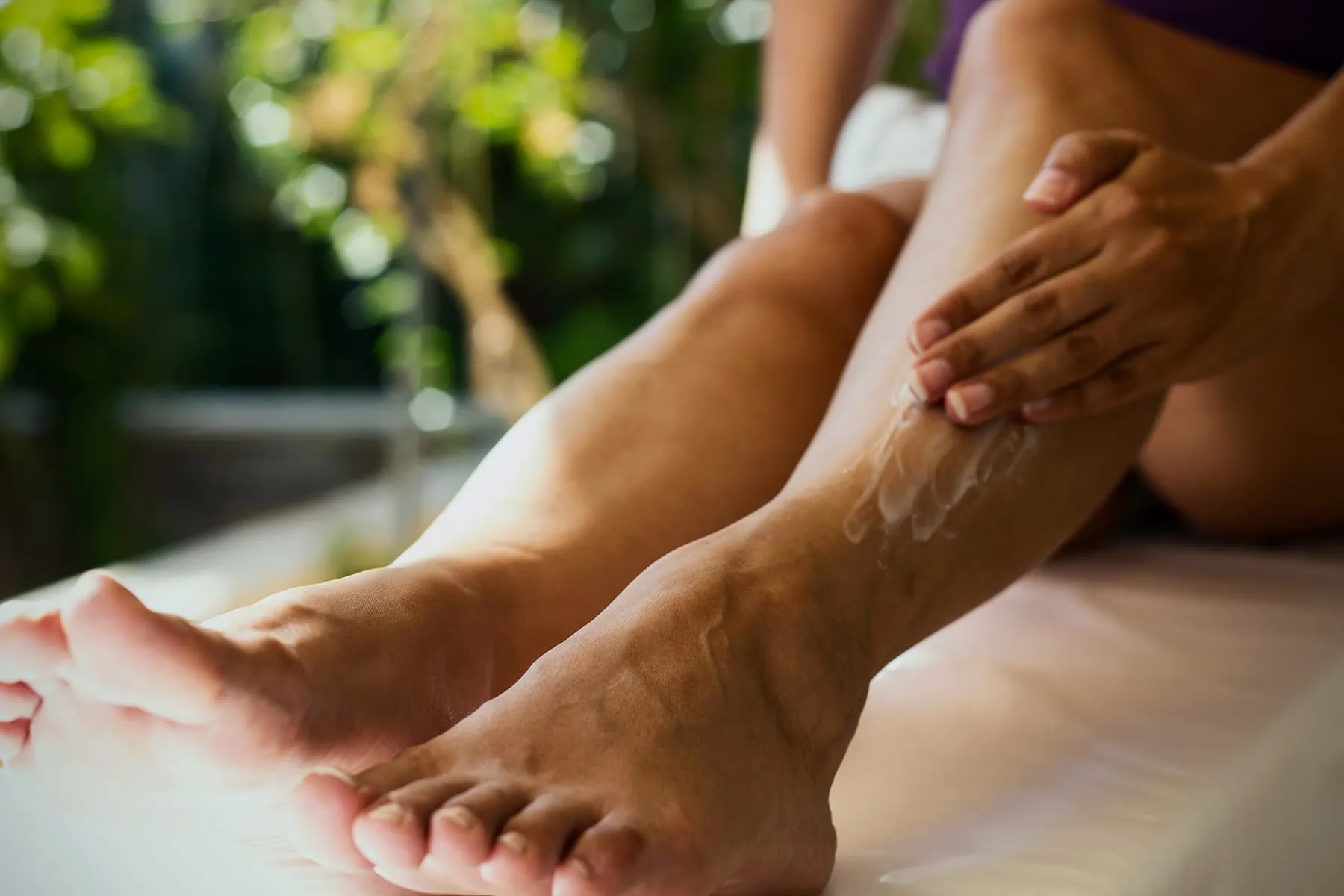
Start with a short lukewarm shower or gently cleanse the area with a mild, fragrance-free cleanser. Avoid hot water because it can strip the skin and increase dryness. Pat the skin dry instead of rubbing. Then apply a fragrance-free moisturizer while the skin is still slightly damp. Creams and ointments often work better than thin lotions for very dry plaques, though the best product is the one your skin tolerates and you will actually use consistently.
Give moisturizer several minutes to settle before applying makeup. If the skin still feels greasy, gently blot with a soft tissue. Do not scrub. Do not peel scales. Do not attack flakes like you are sanding a deck. Psoriasis skin does not reward aggression.
Choosing Makeup for Psoriasis Patches on Legs
Body makeup can be helpful for covering psoriasis patches on legs, but product choice matters. Look for formulas designed for sensitive skin, body coverage, or camouflage makeup. Labels such as fragrance-free, alcohol-free, hypoallergenic, non-comedogenic, and suitable for sensitive skin can be useful starting points. They do not guarantee perfection, but they reduce the odds of choosing something that makes your skin throw a tiny protest march.
Best Types of Products to Consider
For light redness or discoloration, a hydrating tinted body lotion or lightweight body foundation may be enough. For thicker plaques or high-contrast patches, a fuller-coverage body concealer or buildable foundation may work better. Cream and liquid formulas are often easier to blend over texture than powders, which can cling to scale and emphasize dryness.
If your plaques are very red, a green color corrector can help neutralize redness before foundation. If your patches are purple or blue-toned, a peach or orange corrector may help depending on your skin tone. If patches are brown or gray after a flare, a peach, orange, or warm-toned corrector can reduce the ashy look before you apply skin-tone coverage.
The trick is to use thin layers. Thick makeup over psoriasis can crack, transfer, and look more noticeable. Think “veil,” not “frosting a cupcake.”
Ingredients and Product Features to Avoid
Be cautious with products that contain fragrance, drying alcohols, strong exfoliating acids, glitter, heavy perfume, or harsh long-wear solvents. Waterproof products can be useful for special events, but they may require more rubbing to remove, which can irritate psoriasis. If you use them, remove them gently with an oil-based or balm cleanser followed by a mild cleanser.
Always patch test new makeup on a small area of skin first, ideally on a calmer spot near the flare or on another sensitive area. Wait 24 to 48 hours if possible. If you notice burning, itching, swelling, rash, or worsening plaques, skip that product. Your skin has voted.
Step-by-Step: How to Conceal Psoriasis Patches on Legs
Covering leg psoriasis is partly technique and partly patience. You may need to experiment with products, shades, and tools. The perfect routine is the one that gives enough coverage without making your skin feel trapped, itchy, or irritated.
Step 1: Moisturize and Wait
Apply a generous layer of fragrance-free moisturizer. Let it absorb for several minutes. If you are covering plaques for an event, do your skin prep before hair, jewelry, or outfit decisions so the moisturizer has time to settle. A rushed base is the fastest route to patchy coverage.
Step 2: Use Primer Only If Your Skin Likes It
A hydrating primer may help makeup glide over plaques, but it is optional. Avoid mattifying primers if they make your patches feel tight. Silicone-based primers can smooth texture for some people, while others find them uncomfortable. Patch testing is the safest way to know.
Step 3: Color Correct Strategically
Apply a tiny amount of color corrector only where needed. Use a clean fingertip, sponge, or brush and tap gently. Do not drag the product across scales. Green can soften redness. Peach or orange can help with blue, purple, brown, or gray tones. The corrector should look subtle before foundation, not like face paint from a school carnival.
Step 4: Apply Body Foundation or Concealer in Thin Layers
Use a damp makeup sponge, dense brush, or clean fingers to press foundation over the patch. Tapping is better than rubbing. Build coverage slowly. Let each layer set for a minute before adding more. If the plaque is raised, complete invisibility may not be realistic, but you can often reduce contrast so the patch is less noticeable.
Step 5: Blend the Edges
The biggest giveaway is usually not the patch itself but the border of makeup around it. Feather the product outward into the surrounding skin. If you are covering knees or shins, check your work while standing, sitting, and bending your leg. Knees are famous for betraying makeup the moment you move.
Step 6: Set Lightly
If transfer is a concern, use a small amount of translucent setting powder or a setting spray made for sensitive skin. Use powder sparingly because too much can highlight flakes. If you are wearing white clothing, test transfer before leaving the house. Your outfit deserves informed consent.
Step 7: Remove Gently
At the end of the day, remove body makeup with a gentle cleanser, cleansing oil, or balm. Let the remover dissolve the makeup before wiping. Use soft hands, lukewarm water, and patience. After cleansing, moisturize again. Makeup removal is not the time to practice your upper-body strength.
Easy Clothing Coverups That Do Not Scream “I Am Hiding Something”
Sometimes makeup is too much effort. Sometimes the weather is rude. Sometimes your skin is itchy and the idea of applying anything sounds about as appealing as sitting on a cactus. Clothing can be the easiest and most comfortable coverup.
Choose Soft, Breathable Fabrics
Loose, breathable fabrics can reduce friction. Cotton, bamboo, modal, soft jersey, and smooth athletic fabrics may feel better than scratchy wool, stiff denim, or tight synthetic materials. If plaques are on the shins or knees, avoid clothing seams that rub directly over the area.
Try Stylish Coverage Options
Wide-leg pants, linen trousers, midi skirts, maxi dresses, opaque tights, soft leggings, flowy culottes, and lightweight joggers can provide coverage without looking heavy. In warm weather, a breezy maxi skirt can feel cooler than tight shorts and gives psoriasis patches a break from sun exposure and friction.
For special occasions, consider sheer black tights, patterned tights, or nude compression-style stockings if they feel comfortable. Patterns can visually distract from uneven skin tone. Just make sure the waistband and fabric do not dig into active plaques.
Use Accessories and Styling Tricks
If patches are near the ankle, ankle boots, tall socks, or strappy sandals placed thoughtfully can help. If plaques are on the upper thighs, longer shorts or a wrap skirt may work. The goal is not to dress like you are in witness protection. It is to choose pieces that make you feel comfortable and confident.
Shaving, Waxing, and Hair Removal During Leg Flares
Hair removal can be tricky with psoriasis on the legs. Shaving over plaques can cause cuts, bleeding, and irritation. Waxing can pull at the skin and may trigger new patches in some people. Depilatory creams may burn or irritate sensitive areas. During an active flare, the safest option may be to skip hair removal on affected patches.
If you decide to shave around psoriasis, soften the hair first with warm water, use a fragrance-free shaving cream or gel, choose a clean sharp razor, shave in the direction of hair growth, and avoid going directly over raised plaques. Rinse gently and moisturize afterward. If shaving repeatedly worsens your flares, talk with a dermatologist about safer options.
Sun, Self-Tanner, and Psoriasis: What to Know
Some people with psoriasis notice improvement with controlled light therapy under medical guidance, but random sun exposure is not the same thing. Sunburn can worsen psoriasis and may trigger new plaques. If your legs are exposed, use broad-spectrum sunscreen, protective clothing, and shade. A little glow is not worth a flare with a villain origin story.
Self-tanner can help even out the appearance of legs, but it may cling to dry plaques and make them look darker. Patch test first. Moisturize well, apply sparingly over plaques, and blend carefully. Avoid self-tanner on cracked or irritated skin. Gradual tanning lotions may be easier to control than instant deep formulas.
How to Handle Itching Without Wrecking Your Coverup
Itching is one of the biggest enemies of both comfort and makeup. Scratching can worsen plaques, break skin, and ruin coverage. Before applying makeup, use your prescribed psoriasis treatments as directed by your clinician. Moisturizer can help reduce dryness-related itch. Cool compresses may also calm the area before you get dressed.
If itching strikes after makeup is on, try pressing gently over the area instead of scratching. If your skin is screaming, remove the makeup and treat the flare. No concealer is worth spending the entire day negotiating with your nervous system.
When Makeup Is Not the Answer
Makeup can improve confidence, but it is not treatment. If your leg psoriasis is spreading, painful, bleeding, keeping you awake, interfering with daily life, or not responding to over-the-counter care, it is time to talk with a dermatologist. Treatment options may include topical corticosteroids, vitamin D analogs, retinoids, coal tar preparations, salicylic acid products, phototherapy, oral medications, or biologic therapies depending on severity and overall health.
Also seek medical care if you notice signs of infection, such as increasing warmth, swelling, pus, severe tenderness, fever, or red streaking. Psoriasis plaques can crack, and broken skin needs attention.
Confidence Tips: Because Your Skin Is Not the Boss of You
There will be days when you want full coverage and days when you could not care less who sees your plaques. Both are valid. Covering psoriasis does not mean you are ashamed. Showing it does not mean you are trying to make a statement. You are allowed to exist in your body without turning every outfit into a public awareness campaign.
Still, confidence can take practice. If you feel nervous showing your legs, start small. Wear a knee-length skirt to a casual lunch. Try shorts at home first. Use body makeup for an event and see how it feels. Take photos in different lighting so you know what coverage looks like outside the bathroom mirror, which, for reasons unknown to science, is often the harshest courtroom on Earth.
It may also help to prepare a simple response for nosy questions. Try: “It’s psoriasis, not contagious.” Or: “My skin is flaring today, but I’m fine.” Or, for repeat offenders: “Thanks for your concern, my dermatologist and I have it covered.” Then change the subject. You do not owe anyone a TED Talk about your immune system.
Common Mistakes to Avoid When Concealing Leg Psoriasis
Using Too Much Product
Heavy layers can crack, cake, and draw more attention to texture. Build thin layers instead.
Skipping Moisturizer
Dry plaques grab pigment unevenly. Moisturizer creates a smoother base and improves comfort.
Covering Broken Skin
Makeup on cracked, bleeding, or infected skin can irritate and delay healing. Treat first, cover later.
Scrubbing Makeup Off
Rough removal can worsen inflammation. Dissolve makeup gently and moisturize afterward.
Forgetting About Friction
Tight clothing, rough seams, boots, and repeated rubbing can irritate plaques and may contribute to new flares.
Real-Life Experience: What Concealing Leg Psoriasis Can Actually Feel Like
Living with leg psoriasis is not just a skincare issue. It is a planning issue, a wardrobe issue, a confidence issue, and occasionally a “why did I buy white sheets during a flaky flare?” issue. Many people learn through trial and error that the best routine is not always the fanciest one. Sometimes the winning formula is simply moisturizer, soft pants, sunscreen, and the emotional maturity to ignore a bad skin day.
One common experience is the special-event panic. You have a wedding, work presentation, graduation, vacation dinner, or family photo coming up, and suddenly your legs decide to host a psoriasis festival. The first instinct may be to throw every product you own at the patches: scrub, peel, tan, cover, powder, spray, repeat. Unfortunately, psoriasis usually responds to that level of enthusiasm by getting more irritated. A calmer approach works better. Moisturize heavily the night before, avoid shaving directly over plaques, use thin makeup layers, and choose clothing that does not rub. The final look may not be airbrushed perfection, but it can be comfortable, polished, and photo-friendly.
Another familiar challenge is summer clothing. Hot weather can make long pants feel like a punishment, but shorts can feel emotionally risky during a flare. A practical middle ground is building a “flare-friendly” wardrobe before you need it. Soft midi skirts, loose linen pants, lightweight joggers, flowy dresses, and breathable leggings can save you from standing in front of your closet whispering, “Absolutely not,” to every item you own. When clothes feel good on your skin, confidence usually follows.
Makeup experimentation can also be surprisingly personal. A product that looks flawless on one person may cling to your plaques like it signed a lease. Some body foundations transfer. Some concealers turn orange. Some setting powders make scales look more obvious. Keeping a small note on your phone can help: product name, shade, how it wore, whether it itched, and how easily it washed off. This turns trial and error into useful research instead of expensive chaos.
There is also the emotional side. Psoriasis can make people feel watched, even when no one is actually paying attention. You may imagine strangers staring at your knees or coworkers silently judging your shins. Usually, people are far more focused on their own lives, phones, lunch plans, and mysterious inbox emergencies. Still, the feeling is real. Coverups can help restore a sense of privacy. On other days, choosing not to cover can feel freeing. Both choices belong to you.
The most helpful mindset is flexibility. Treat the flare medically. Support the skin gently. Use makeup when it makes life easier. Skip it when it feels like too much. Wear the dress if you want to. Wear the pants if they make you comfortable. Psoriasis may be visible, but it does not get to make every decision. Your legs are still your legs. They carry you through work, errands, dance floors, dog walks, grocery aisles, and all the ordinary moments that matter more than a patch of irritated skin.
Conclusion: Conceal If You Want, Care Always
Psoriasis on the legs can be uncomfortable, unpredictable, and annoying enough to deserve its own dramatic soundtrack. But with the right approach, you can reduce irritation, cover patches safely, and dress in ways that support both comfort and confidence. Start with gentle skincare, avoid covering broken skin, choose fragrance-free and sensitive-skin-friendly products, build makeup in thin layers, and remove everything carefully at the end of the day.
Most importantly, remember that concealing psoriasis is a personal choice, not a requirement. Makeup and clothing tricks can help you feel polished, but treatment and skin health come first. Whether you cover your patches, show them, or do a little of both depending on the day, your skin does not define your beauty, your professionalism, or your right to wear the outfit you love.