Some people collect stamps. Some people collect throw pillows. I collect occasionsweeknights, brunches, potlucks, game days, holidays, “my fridge is empty but my spirit is strong” Tuesdays. And the secret to cooking for all of them isn’t having 400 recipes memorized or a pantry that looks like a gourmet store exploded.
The real secret is having a small set of flexible, reliable recipes (and a few smart hosting tricks) that can scale up, chill out, or dress up depending on what life throws at youunexpected guests, picky eaters, a last-minute invite, or the kind of day where you’d rather eat cereal over the sink (no judgment).
This guide is a practical, funny, and actually-usable map to recipes for any occasion, with specific examples, make-ahead moves, and “save your sanity” tactics that help you cook once and win repeatedly.
The Occasion Map: Pick Your Vibe, Then Pick Your Recipe Type
If you’ve ever stared into the fridge like it owes you money, start here. Match the moment to a recipe style that behaves:
- Busy weeknight: One-pan, 30–40 minutes, minimal chopping, pantry-friendly.
- Brunch: Make-ahead casseroles, baked French toast, big-batch eggs, fruit-forward sides.
- Game day: Handheld bites, dips, wings, sliders, sheet-pan nachos, chili.
- Potluck: Room-temp friendly, sturdy textures, easy transport, “tastes better later.”
- Dinner party: Braises, baked pastas, composed salads, one impressive dessert.
- Holiday meal: Make-ahead sides, freezer-friendly desserts, a schedule (yes, really).
- Health reset: High-protein, high-fiber, big flavor, meal-prep friendly.
Now let’s cook.
Weeknight Winners: “Real Dinner” Without the Drama
Weeknight cooking succeeds when it’s built on short steps, few dishes, and forgiving ingredients. These ideas work because they’re flexible: swap proteins, change veggies, and keep moving.
1) Sheet-Pan Chicken (or Tofu) + Roasted Veg + A Fast Sauce
Why it works: One pan, balanced meal, easy cleanup. Roast your protein and vegetables together, then finish with a punchy sauce.
How to build it:
- Protein: chicken thighs, sausage, salmon, chickpeas, tofu.
- Veg: broccoli, Brussels sprouts, carrots, peppers, sweet potatoes.
- Seasoning: salt, pepper, garlic, smoked paprika; or Italian herbs; or chili-lime.
- Fast sauce: Greek yogurt + lemon + garlic; or tahini + lemon + water; or mustard + honey + vinegar.
Specific example: Roast chicken thighs with broccoli and sweet potato wedges. Finish with a lemony yogurt sauce and a shower of fresh herbs. Weeknight = conquered.
2) One-Pot Orzo (or Rice) That Pretends It’s Fancy
Why it works: One pot, creamy texture without extra fuss, reheats like a champ.
Specific example: Sauté garlic and onion, toast orzo, add broth, stir in spinach and sun-dried tomatoes, finish with Parmesan (or nutritional yeast). Add shredded rotisserie chicken if you want extra protein. It’s comfort food that still wears a blazer.
3) The “No-Oven Dinner” for When It’s Too Hot (or Too Much)
Why it works: Minimal heat, quick assembly, high satisfaction.
Specific example: Quick-marinated white bean salad (beans + lemon + mustard + olive oil) served in crisp lettuce cups with feta and crunchy toppings. Add cherry tomatoes and cucumber for extra freshness.
4) Pantry Chili (Your Future Self Will Thank You)
Why it works: Big batch, freezer-friendly, feeds everyone, welcomes toppings like it’s hosting a party.
Pro move: Make it on Sunday, then repurpose it: chili bowls, chili nachos, chili-stuffed baked potatoes, chili mac. Chili is basically a meal plan with confidence.
5) Taco Night, But Smarter
Why it works: It’s a “build-your-own” format, which means everyone feels catered to and you feel… less tired.
Specific example: Black beans + sautéed peppers/onions + quick slaw (cabbage + lime + salt) + salsa + cheese. Add shrimp or ground turkey if you want. Put everything in bowls. Let people assemble. Bask in your genius.
Brunch Recipes: Feed a Crowd Without Missing the Fun
Brunch should feel like a treat, not a triathlon. The best brunch recipes are make-ahead, hands-off, and easy to scale.
6) Overnight Eggs Benedict-Style Casserole
Why it works: All the cozy brunch flavorseggs, savory bits, breadwithout poaching eggs or standing over a pan flipping 37 things.
How to serve it: Add a bright side like a simple salad or fruit to balance the richness. If you’re feeling bold, put out a small “sauce bar” (hot sauce, salsa verde, herby yogurt) and watch people get weird in a good way.
7) Big-Batch Breakfast Sandwiches (Freezer-Friendly)
Why it works: Make once, eat all week, and it still counts as “I have my life together.”
Method: Bake scrambled eggs in a sheet pan, layer with cheese and cooked breakfast meat (or sautéed mushrooms/spinach), assemble on English muffins or biscuits, wrap, freeze. Reheat when mornings attack.
8) Brunch-Worthy Salad That Doesn’t Feel Like Punishment
Specific example: Crunchy corn salad with herbs and a citrusy dressing, or a grain bowl with chickpeas and roasted vegetables. Brunch needs something crisp to keep everyone awake.
Game Day & Casual Parties: Snacks That Disappear First
Game day food has a job description: handheld, shareable, craveable. Bonus points if it’s make-ahead and doesn’t require you to miss the second quarter because you’re negotiating with a slow-cooker.
9) Sheet-Pan Nachos With Two-Layer Strategy
Why it works: The secret to nachos is not “more cheese.” It’s layers.
- Layer chips + half the cheese + beans/meat.
- Bake until melty.
- Add another layer of chips + cheese, bake again.
- Finish with cold toppings: salsa, jalapeños, cilantro, lime, crema.
Result: fewer sad, naked chips. More glory.
10) Sliders: The Crowd-Pleaser With Built-In Portion Control
Specific example: Ham-and-cheese sliders with a buttery topping, or buffalo chicken sliders if your group likes a little chaos. Sliders are basically edible high-fives.
11) “Fewer Than 10 Ingredients” Party Apps
Why it works: A short ingredient list means you can focus on timing and presentation instead of hunting down an obscure paste made from a fruit you’ve never seen in real life.
Specific examples: cranberry brie bites, caprese puff pastry bites, bacon-wrapped dates, or candied kielbasa bites. They’re simple, bold, and vanish faster than your willpower near a chip bowl.
Potluck & Picnic Recipes: Built to Travel, Built to Win
Potluck success comes from two things: transportability and staying power. You want dishes that taste great at room temperature and don’t collapse into mush the second someone opens the lid.
12) Marinated Green Beans (Better the Next Day)
Why it works: A tangy marinade + fresh herbs = flavor that improves as it sits. Also, it’s a vegetable that people actually eat voluntarily. Put that on a trophy.
13) Pasta Salad With a “Don’t Go Dry” Rule
Why it works: Familiar, filling, easy to scale.
Don’t-go-dry rule: Reserve some dressing to refresh right before serving. Pasta drinks dressing like it’s training for a marathon.
Specific example: A bold pasta salad with peppers and a tangy dressing, plus crunchy add-ins for texture (celery, pickles, toasted nuts, or extra veggies).
14) Baked Ziti or Eggplant Parmesan (Make-Ahead Hero)
Why it works: Baked pastas and casseroles reheat well, feed a crowd, and feel generous. They’re “help yourself” foodno delicate plating required.
Dinner Party Recipes: Look Effortless (Even If You’re Not)
The best dinner party recipes are the ones that finish themselves while you’re greeting guests and pretending your home always looks like this. Aim for make-ahead mains, one bold salad, and one dessert that can be served at room temp.
15) Braised Pork Shoulder (or Any Cozy Braise)
Why it works: Braises taste better after resting. They’re also forgiving, which means you can chat and cook without panic.
Specific example: Cider-braised pork shoulder with squash. Serve with crusty bread or mashed potatoes and a crunchy, acidic salad to balance the richness.
16) The “Dressings First” Trick
Make your vinaigrette early and build the salad last minute. You’ll control seasoning, keep greens crisp, and avoid the dreaded soggy bowl situation. People will think you’re organized. You don’t have to correct them.
17) Dessert That Doesn’t Need Babysitting
Specific examples: brownies, fruit crisp, citrus-and-chocolate plates, or a simple cake that holds well. Dinner parties do not require you to produce a twelve-layer masterpiece unless you genuinely enjoy that. If you enjoy it, carry on, you wizard.
Holiday Cooking: The Make-Ahead Strategy That Saves Your Sanity
Holiday meals have two enemies: timing and oven space. You beat both by making a plan and choosing sides and desserts you can prepare ahead.
18) Make-Ahead Sides With Big Payoff
- Cranberry sauce: make days ahead.
- Stuffing components: prep bread and aromatics early.
- Scalloped potatoes or pierogi: assemble ahead, bake later.
- Squash dishes: roast and mash ahead; warm and finish before serving.
Hosting tip: Write a schedule. Not a noveljust a simple list with “in oven at,” “out of oven at,” and “serve at.” Your future self will cry happy tears.
Healthy-ish Occasions: Big Flavor, Balanced Plates
Healthy recipes don’t have to taste like regret. A lot of modern “better-for-you” cooking leans on protein + fiber + strong seasoning so food feels satisfying, not sad.
19) High-Protein, Fast-Prep Dinners
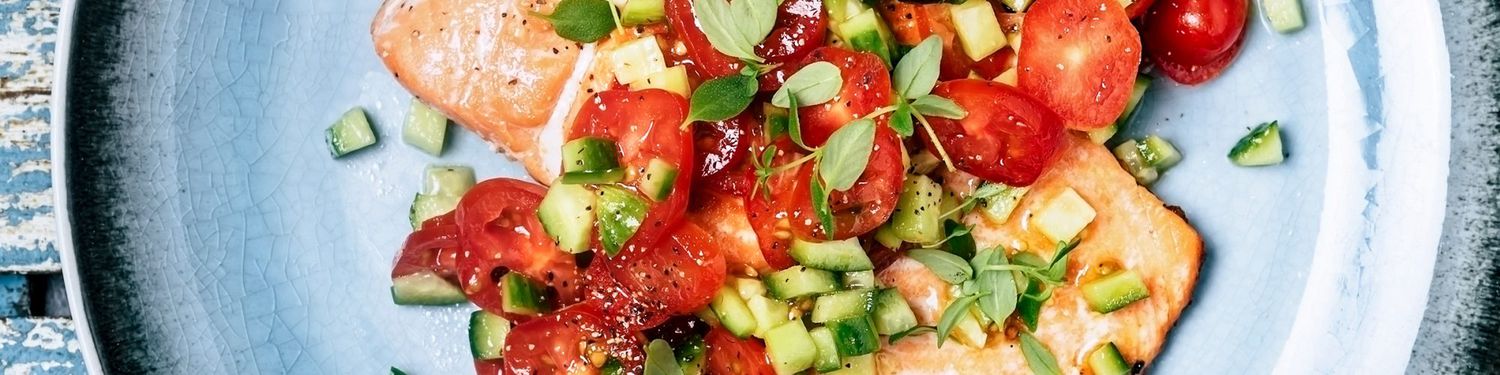
Specific examples: salmon with roasted vegetables, chicken and veggie bowls, bean-based soups, and one-pan meals where the flavor comes from garlic, citrus, herbs, and a smart sauce.
20) Meal Prep That Doesn’t Feel Like a Spreadsheet
Try prepping components instead of full meals: roast vegetables, cook a pot of grains, make a dressing, and prep a protein. Mix-and-match bowls all week. It’s less boring, and boredom is the sworn enemy of eating well.
The Host-Proof Playbook: 7 Rules That Work for Any Occasion
- Make at least one thing ahead. Even one dip or dessert reduces stress.
- Balance the table: something crunchy, something creamy, something bright/acidic, something hearty.
- Use a “hot + cold” strategy: pair a warm main with room-temp sides so oven space isn’t a battlefield.
- Scale smart: one big main + two sides beats six fussy dishes.
- Choose forgiving recipes: braises, casseroles, baked pastas, big salads.
- Build a toppings bar: it upgrades simple food and makes guests happy.
- Protect your energy: store-bought bread, a simple dessert, or pre-cut veggies are not “cheating.” They’re “strategy.”
Conclusion: The Best Occasion Is the One You Actually Enjoy
When you keep a set of flexible staplessheet-pan dinners, make-ahead casseroles, potluck-proof salads, game day snacks, and holiday-friendly sidesyou don’t just cook more easily. You host more easily. You feed yourself more consistently. And you stop treating dinner like a daily pop quiz.
Pick a recipe style that matches your moment, add one “wow” detail (a sauce, a topping bar, a bright salad), and let the food do its job: bringing people together, one delicious bite at a time.
Extra: Real-World Cooking “Experiences” That Make Recipes Work Anywhere (500+ Words)
Here’s the part nobody tells you when you start collecting go-to recipes: the magic isn’t just in the ingredientsit’s in the tiny decisions you make when life gets messy. And life always gets messy. Someone shows up early. Someone shows up late. Someone suddenly “doesn’t eat onions anymore” like onions are a recent invention. Meanwhile, your timer is beeping like it’s trying to win an argument.
That’s why the most useful recipes for any occasion share a few real-world traits. First, they’re built for interruptions. A braise can sit a little longer. A baked pasta can wait under foil. A marinated salad can hang out in the fridge until you’re ready. The food doesn’t punish you for living your life. If you’ve ever tried to time a delicate fish fillet perfectly while also answering the door, you already know: fragile recipes are for quiet days. Occasion cooking is for reality.
Second, the best occasion recipes forgive your grocery store choices. You meant to buy parsley but grabbed cilantro. You couldn’t find burrata, so you got mozzarella. The store was out of chicken thighs, so now you’re holding drumsticks like, “We’re doing this, I guess.” Flexible recipes treat substitutions like normalnot like a moral failing. That’s why formats like sheet-pan dinners, tacos, bowls, casseroles, and big salads win so often. They’re frameworks, not fragile art projects.
Third, the biggest “experience upgrade” comes from learning what people remember. It’s rarely the main dish (unless it’s spectacular). It’s usually one of these: a sauce with personality, a crunchy topping, or a smart contrast. Think of the difference between “nachos” and nachos with lime crema, pickled jalapeños, and a fresh salsa. Or a simple roast chicken that becomes “that roast chicken” because you served it with a bright herb sauce. These are small touches that make food feel intentional without adding a lot of work.
Fourth, you start to notice how timing changes everything. On weeknights, timing is about speed. At brunch, it’s about not being stuck at the stove. At a potluck, it’s about food safety and room-temp stability. On holidays, it’s about oven space and sequencing. Once you’ve lived through one holiday where three casseroles fought for the same oven rack, you learn to love make-ahead sides with the passion of a thousand suns.
Finally, the most valuable experience is realizing that hosting is not a performance sport. People don’t come to judge your knife skills; they come to feel welcome. A big pot of chili with a toppings bar often makes guests happier than a complicated menu with twelve moving parts. A store-bought dessert alongside a homemade main is still a feast. And a “good enough” dinner that leaves you smiling beats a perfect dinner that leaves you exhausted.
So if you take one thing from this guide, let it be this: build a small set of flexible recipes, learn a couple of make-ahead tricks, and let occasions be fun again. The point isn’t to impress people with stress. The point is to feed them welland still have enough energy to enjoy the moment you cooked for.