Note: This is interior-design guidance, not electrical-installation advice. Have hardwired fixtures, vintage sockets, and modified wiring installed or inspected by a qualified electrician under applicable local requirements.
Reclaimed wood industrial lighting gives a room a little history without asking it to become a museum. The style brings together weathered timber, useful-looking metal, and purposeful illumination: think barn-board pendants, beam chandeliers, black steel sconces, and warehouse-style shades. It works because the materials disagree in the most attractive way. Metal is crisp, cool, and practical; reclaimed wood is warm, irregular, and full of visual shorthand for “this has been somewhere.”
Used well, this lighting can make a new kitchen feel grounded, soften a brick-and-steel loft, or give an ordinary dining room a feature worth looking up at. Used carelessly, it can turn a home into a themed restaurant where every table might be called “The Loading Dock.” The difference comes down to proportion, light quality, and restraint.
Why the Reclaimed Wood Industrial Look Endures
Industrial interiors borrow from factories, warehouses, workshops, and older commercial buildings. Their design vocabulary includes dark metal, exposed hardware, simple forms, brick, concrete, and practical details that are normally hidden. Reclaimed wood prevents the look from becoming chilly. A timber with grain variation, shallow checking, and old fastener marks adds texture that glossy metal alone cannot provide.
The pairing is unusually flexible. A black metal pendant with a weathered wood canopy can lean rustic in a farmhouse kitchen, tailored in a contemporary dining room, or understated in a Scandinavian-inspired space. The fixture acts as a connector between hard and soft materials. It also works with existing architecture: wood echoes ceiling beams and furniture, while metal relates to appliances, window frames, door hardware, or shelving brackets.
There is a sustainability benefit as well. Reusing suitable building materials can extend their useful life and reduce the need for new material production. Still, do not treat the word reclaimed as a magic spell. Quality, condition, treatment history, and safe electrical construction matter more than a romantic backstory.
Popular Types of Reclaimed Wood Industrial Lighting
Linear Pendants and Beam Chandeliers
These fixtures suspend several bulbs, cages, or shades from a reclaimed plank or beam. They are ideal over rectangular dining tables, kitchen islands, worktables, or game tables. The horizontal wood element gives a long surface visual structure, while the lights below provide rhythm. Choose one that feels related to the table or island, not one that looks like a very handsome log wandered in and got confused.
Warehouse Pendants and Metal Domes
Metal dome shades direct light down onto counters and tables, which makes them one of the most useful industrial options. A reclaimed wood ceiling canopy or small wood detail warms the fixture without stealing the spotlight. Use a pair of larger pendants for a clean, symmetrical kitchen look or three smaller pendants for a long island.
Wall Sconces and Swing-Arm Lights
A narrow reclaimed wood backplate can turn a simple black sconce into a more dimensional feature. Adjustable swing-arm fixtures work beside beds, desks, banquettes, and reading chairs. They provide task light while freeing nightstand or tabletop space, which is a rare decorating move that looks intentional and solves a real problem.
Table and Floor Lamps
Portable lamps are the easiest way to test the style. Look for a stable wood base, a metal cage or shade that controls glare, and a well-protected cord. A floor lamp near a sofa creates a reading zone; a small task lamp on a reclaimed console can make an entryway feel finished. Better yet, neither requires negotiating with a ceiling junction box.
Choosing Wood, Metal, and Finish Without Overdoing It
Good reclaimed wood should be dry, stable, cleanable, and sound for the job. Nail holes, faded areas, saw marks, and minor surface checks usually add character. Rot, severe cracking, loose splinters, flaking paint, visible mold, or persistent odor do not. Old lumber may contain dirt, hidden fasteners, or old finishes, so it should be carefully assessed before cutting, sanding, or incorporating it into a fixture.
For indoor fixtures, oak, pine, fir, maple, walnut, and salvaged structural timbers can all look excellent once properly prepared. Dense hardwoods feel more refined; pine and fir read more relaxed and rustic. A clear low-sheen protective finish can make the surface easier to dust without hiding its history. If the wood becomes glossy enough to resemble a plastic souvenir, the patina has officially lost the argument.
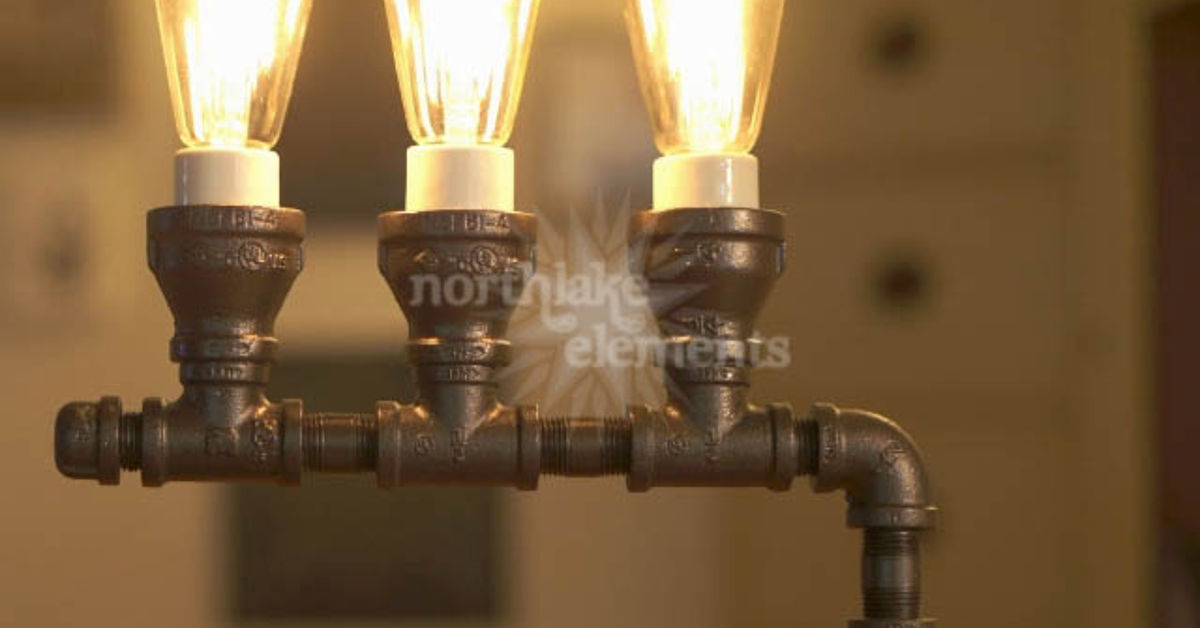
Matte-black steel is the easiest metal partner because it provides contrast without competing with the wood. Oil-rubbed bronze adds warmth, galvanized metal feels more utilitarian, and aged brass can make the room more vintage than workshop-like. Keep metal finishes related rather than perfectly matched. Black sockets, dark chains, and a bronze shade can coexist; polished chrome, bright brass, distressed copper, and black iron in one small fixture often look like a parts bin after a small earthquake.
Get the Light Right: Bulbs, Warmth, and Layers
A beautiful fixture still has to light the room. Industrial designs often leave the bulb exposed, so the bulb affects both appearance and comfort. Shop by lumens for brightness rather than relying on traditional wattage comparisons. LEDs are usually a strong choice because they use much less energy than incandescent bulbs, last longer, and are available in many shapes suited to exposed fixtures.
For reclaimed wood, warm white bulbs around 2700K usually create the most inviting result. A 3000K bulb is a little cleaner and can work well in kitchens, offices, and modern rooms. Cooler light may make sense in a workshop but can drain warmth from a dining area. No color temperature is morally superior; it simply changes the atmosphere.
Use layers of light. Ambient lighting fills the room, task lighting helps with chopping, reading, or working, and accent lighting highlights shelves, brick, art, or timber texture. A beam pendant above an island should not be expected to illuminate every cabinet in the kitchen. Pair it with ceiling lighting or under-cabinet LEDs. In a living room, combine a statement fixture with a floor lamp or reading sconce. Dimmers are especially helpful: clear bulbs can look dramatic at full power but feel better once the room settles into evening.
Scale and Placement: Bold Is Not the Same as Bulky
Measure the table, island, or wall before choosing a fixture. A reclaimed beam can look airy online and enormous in a small breakfast nook. Over a dining table, center the fixture on the table, because that is where people sit and where the visual conversation happens. Allow enough clearance so guests can see each other across the table without playing peekaboo around a shade.
For long islands, two larger pendants feel structured, while three smaller pendants feel more rhythmic. Keep their heights and spacing consistent. For a round table, a single centered fixture often works best. Low ceilings call for shallow pendants, semi-flush mounts, or compact industrial fixtures with wood accents. A giant suspended timber below an eight-foot ceiling does not feel cinematic; it feels like the ceiling has entered the chat.
How to Buy Safely and Smartly
Decide whether you want authentic reclaimed lumber, new wood with a reclaimed-style finish, or a custom fixture made from salvaged material. Authentic wood brings unpredictable grain, marks, and color; new wood brings consistent dimensions and fewer unknowns. Both can be beautiful. Ask sellers what portion of the fixture is actually reclaimed and, when relevant, where it came from. “Reclaimed look” often means new wood treated to appear aged, which is not dishonest as long as it is described accurately.
Inspect photos and specifications for secure hardware, cleanly finished edges, stable mounting points, protected cord openings, and a label or listing that shows the fixture is suitable for its market. Match bulb type and wattage to the fixture rating, and never exceed the stated maximum. Overheating, weak connections, and improper wiring are not charming signs of authenticity.
Vintage and DIY conversions deserve extra caution. An old metal cage, pulley, fan housing, or factory shade can be a fantastic decorative shell, but it should be professionally rewired with modern components before use. Electrical connections, grounding, junction-box support, and mounting hardware are safety essentialsnot optional details hidden behind the style. When a fixture flickers, smells hot, hums unusually, or feels warm where it should not, turn it off and have it checked.
Room-by-Room Styling Ideas
Kitchen
Hang two or three small dome pendants above an island. Repeat the black metal in cabinet pulls or stool legs, then add warmth with a reclaimed shelf or cutting-board display. Keep the surrounding finishes simple so the lights are the visual punchline rather than one more competing prop.
Dining Room
Use a linear wood-and-metal chandelier over a rectangular table. Soften its edges with upholstered chairs, linen curtains, or a woven runner. Rough wood, dark metal, and soft textiles make the space feel collected rather than like a remarkably clean machine shop.
Bedroom and Entryway
Bedside swing-arm sconces on wood backplates save space and provide focused reading light. In an entry, a compact cage pendant or semi-flush fixture creates instant character without demanding an entire-home industrial makeover. Pair either with warm bulbs and a dimmer when possible.
Care and Maintenance
Dust the wood and metal with a dry microfiber cloth. For grime, use a barely damp cloth and avoid spraying cleaner near sockets, cords, or joints. Do not soak unfinished wood. Check bulbs, cord coverings, chains, and visible hardware periodically. Repair or replace damaged parts promptly, and leave internal electrical repairs to a professional. Lighting should create atmosphere, not a troubleshooting subplot.
Real-World Experiences With Reclaimed Wood Industrial Lighting
Living with reclaimed wood industrial lighting reveals a useful truth: the best statement fixtures usually earn their place by solving a normal problem. A linear pendant might be chosen because an island needs stronger prep light, then become the place where everyone naturally gathers. Someone cooks beneath it, someone else answers email with a cup of coffee, and guests drift toward it while insisting they are “not in the way.” The fixture becomes part of the home’s daily choreography rather than an object people admire only when company arrives.
Homeowners often notice how dramatically reclaimed wood changes across the day. Morning sun can reveal each grain line, faded edge, and old fastener mark. At night, warm light brings out richer amber and brown tones. That variability is a major part of the appeal. The material does not look flat or perfectly controlled, which can make even a simple sconce feel more substantial. It is a small reminder that texture does not need to shout to make a room more interesting.
The most common practical lesson is brightness management. Clear Edison-style LEDs can look fantastic, yet a full row of exposed bulbs at maximum output may create glare. A dimmer changes the experience instantly. Brighter settings help with meal prep, homework, cleanup, and finding the one screw that escaped onto a dark floor. Lower settings make dinner feel calmer, soften reflections on metal, and keep the fixture from acting like a tiny airport runway. Choosing warm bulbs makes this transition gentler, especially around wood and fabrics.
Another recurring experience is conversation. A fixture built from visible materials naturally attracts questions. Guests ask whether the wood is genuinely old, where it came from, or whether the beam is heavy. The answer to that last question should always include the words “properly supported.” Reclaimed pieces invite inspection in a way that anonymous glossy fixtures rarely do. Their marks are not defects to hide; they are the reason the object feels personal.
In smaller homes, the experience is often about restraint. One pendant or compact chandelier can carry an open-plan room. Adding pipe shelves, wire baskets, metal stools, faux factory signs, exposed bulbs, and distressed everything at the same time can create a themed-restaurant effect. The rooms that feel best usually leave visual quiet around the fixture: pale walls, uncomplicated cabinetry, natural textiles, or clean-lined furniture. The wood and metal then have enough space to do their job.
For renovators, reclaimed lighting can bridge old architecture and modern performance. A home with original brick, antique doors, or worn flooring may need dependable LED light without losing its character. A thoughtfully made fixture provides both: a timber or heritage-inspired shell outside, modern components inside. It is a sensible compromiselike vintage denim paired with shoes that do not hurt your feet. The fixture honors the past without demanding that you live by its electrical standards.
Finally, these lights tend to stay appealing when their design is straightforward. A sound wood element, honest metalwork, warm bulbs, and sensible proportions can shift from industrial farmhouse to softened modern or contemporary rustic as the furniture around them changes. That adaptability is the real long-term reward. The fixture keeps doing its job, the wood keeps showing its quiet history, and the room feels more like home when evening arrives.
Conclusion
Reclaimed wood industrial lighting works when honest materials meet useful illumination. Choose stable wood, balanced metal finishes, comfortable warm LED bulbs, and proportions that respect the room. Whether you install a beam chandelier, warehouse pendant, bedside sconce, or portable lamp, aim for a fixture that feels collected, safe, and easy to live withnot one forklift away from opening day.