Note: This article is based on synthesized public information about Remodelaholic, DIY remodeling practices, renovation planning, home efficiency, lead-safe renovation guidance, and U.S. remodeling trends. Raw source links are intentionally omitted for publishing convenience.
Some people collect stamps. Others collect vintage vinyl, antique spoons, or suspiciously large numbers of throw pillows. Then there are the Remodelaholics: the brave, paint-splattered souls who look at a dated kitchen, a blank wall, or a builder-grade bathroom and think, “Yes, I can fix that. Probably. Where is my tape measure?”
Remodelaholic is more than a catchy name. It represents a whole mindset in the world of DIY home improvement: creative, budget-aware, hands-on, and just slightly obsessed with turning ordinary spaces into something personal. The name is closely associated with the popular DIY and home remodeling site created by Justin and Cassity, a couple known for sharing remodeling ideas, decorating inspiration, project plans, before-and-after transformations, and practical ways to make a house feel like home.
At its best, the Remodelaholic approach says you do not need a mansion, a television crew, or a bank account shaped like a swimming pool to improve your home. You need a plan, patience, a realistic budget, the right tools, and the humility to admit that “quick weekend project” is sometimes a hilarious phrase invented by optimistic people at hardware stores.
What Is Remodelaholic?
Remodelaholic is a DIY home improvement and design resource focused on remodeling, decorating, building, repurposing, and creating beautiful spaces on a budget. The brand is known for room-by-room ideas, furniture building plans, tutorials, printable project plans, home decor inspiration, woodworking projects, paint color guidance, and creative before-and-after remodels.
The heart of Remodelaholic is practical transformation. It is not about throwing everything away and buying the most expensive version of everything. Instead, the philosophy leans toward improving what you already have, reusing materials where possible, making smart design choices, and learning enough DIY skills to become dangerousin a good way, not in a “why is the ceiling fan smoking?” way.
Justin and Cassity bring design-minded backgrounds to the platform, with Cassity associated with interior design and Justin with landscape architecture. That combination matters because good remodeling is not only about pretty finishes. It is about flow, function, proportion, materials, storage, curb appeal, and the way people actually live in a home. A gorgeous mudroom that cannot handle muddy shoes is just a very expensive disappointment with hooks.
Why Remodelaholic Became Popular With DIY Homeowners
The appeal of Remodelaholic comes from a simple but powerful promise: you can make your home better without making your wallet cry in the garage. Many homeowners want custom-looking spaces, but custom work can be expensive. Remodelaholic-style projects bridge that gap by showing how thoughtful planning, basic tools, and creative effort can produce impressive results.
The site’s content often speaks to people who love the look of designer homes but prefer practical, achievable steps. Think built-ins, accent walls, kitchen updates, bathroom refreshes, furniture makeovers, shelving projects, outdoor improvements, and clever storage. These are the kinds of projects that make a room feel intentional rather than accidental.
Budget-Friendly Does Not Mean Boring
One of the strongest ideas behind Remodelaholic is that budget-friendly remodeling can still look polished. A room does not need marble from a mountain guarded by unicorns to feel high-end. Paint, trim, hardware, lighting, furniture placement, and texture can dramatically change a space. The difference between “unfinished” and “custom” is often a few smart details.
For example, replacing dated cabinet hardware can refresh a kitchen quickly. Adding board-and-batten can give a plain wall architectural character. Building a simple bench with storage can make an entryway more functional. Painting a bathroom vanity can change the mood of the entire room. These projects are not glamorous in the celebrity-red-carpet sense, but they are glamorous in the “I finally have a place to store the dog leash” sense, which is arguably more useful.
The Remodelaholic Style: Practical, Creative, and Personal
The Remodelaholic style is not one single design trend. It is a flexible approach that can work with farmhouse, traditional, transitional, modern, cottage, rustic, coastal, or eclectic homes. The common thread is creativity with purpose. A good project should make the home more beautiful, but it should also solve a problem.
A living room makeover might improve traffic flow. A bedroom update might add calm and storage. A kitchen refresh might make daily cooking less chaotic. A backyard project might create a gathering area for family and friends. Good remodeling is not just about taking photos after the work is done. It is about making everyday life smoother, more comfortable, and maybe less likely to involve stepping on loose shoes in the hallway.
Before-and-After Inspiration
Before-and-after projects are one reason DIY remodeling content is so addictive. A good transformation delivers instant motivation. You see a dated room become bright and functional, and suddenly your own laundry room starts looking nervous.
But the best before-and-after stories also teach. They show what changed, why it changed, what materials were used, what mistakes happened, and how the final look came together. Remodelaholic-style content is especially valuable when it breaks down the process instead of only showing the pretty ending. Because behind every beautiful after photo is usually a moment when someone stood in sawdust, holding a level, wondering whether walls are ever truly straight. Spoiler: many are not.
Planning a Remodelaholic-Style Project
The first rule of DIY remodeling is simple: do not start with a sledgehammer. It looks dramatic, but drama is not the same as planning. Before beginning any renovation, define the goal. Are you improving storage? Updating style? Increasing resale appeal? Making the room easier to clean? Fixing a layout problem? Each goal leads to different decisions.
Next, measure everything. Then measure again, because tape measures have a way of revealing betrayal at the worst possible time. Sketch the room, list the materials, price the supplies, and decide which tasks are DIY-friendly and which require a professional. Painting a wall is usually beginner-friendly. Moving plumbing, rewiring a panel, removing structural supports, or disturbing old painted surfaces can be another story entirely.
Set a Realistic Budget
A good remodeling budget includes more than the visible materials. Paint, lumber, tile, screws, caulk, adhesive, sandpaper, primer, brushes, drop cloths, fasteners, delivery fees, disposal, tool rentals, and permits can all add up. A wise budget also includes a contingency fund, because homes enjoy surprises. Sometimes the surprise is hidden water damage. Sometimes it is uneven flooring. Sometimes it is the discovery that a previous owner made electrical decisions with the confidence of a raccoon.
For homeowners watching costs, the best strategy is to prioritize high-impact changes. Paint, lighting, hardware, trim, shelving, decluttering, and layout improvements often deliver big visual results without requiring a full gut renovation. If the room functions well but looks tired, a cosmetic refresh may be enough. If the room has structural, moisture, electrical, or safety issues, those must come first.
DIY Projects That Fit the Remodelaholic Mindset
Not every home improvement project needs to be massive. In fact, smaller projects often build confidence and teach skills that prepare homeowners for larger upgrades. Here are several project categories that fit the Remodelaholic mindset beautifully.
1. Paint Transformations
Paint is the superhero of budget remodeling. It can brighten a dark room, modernize furniture, update cabinets, or create an accent wall. The secret is preparation. Clean surfaces, sand where needed, use primer when appropriate, and choose the right finish for the space. Bathrooms and kitchens need durable, washable paint. Furniture needs proper bonding and sealing. Walls need patience, especially around trim, where shaky hands become modern art.
2. Built-Ins and Storage
Built-ins are a classic Remodelaholic-style upgrade because they make a space feel custom. Bookcases, mudroom lockers, window seats, pantry shelving, and media walls can transform unused areas into hardworking features. Even simple shelves can look elevated with good proportions, consistent spacing, and thoughtful styling.
3. Furniture Makeovers
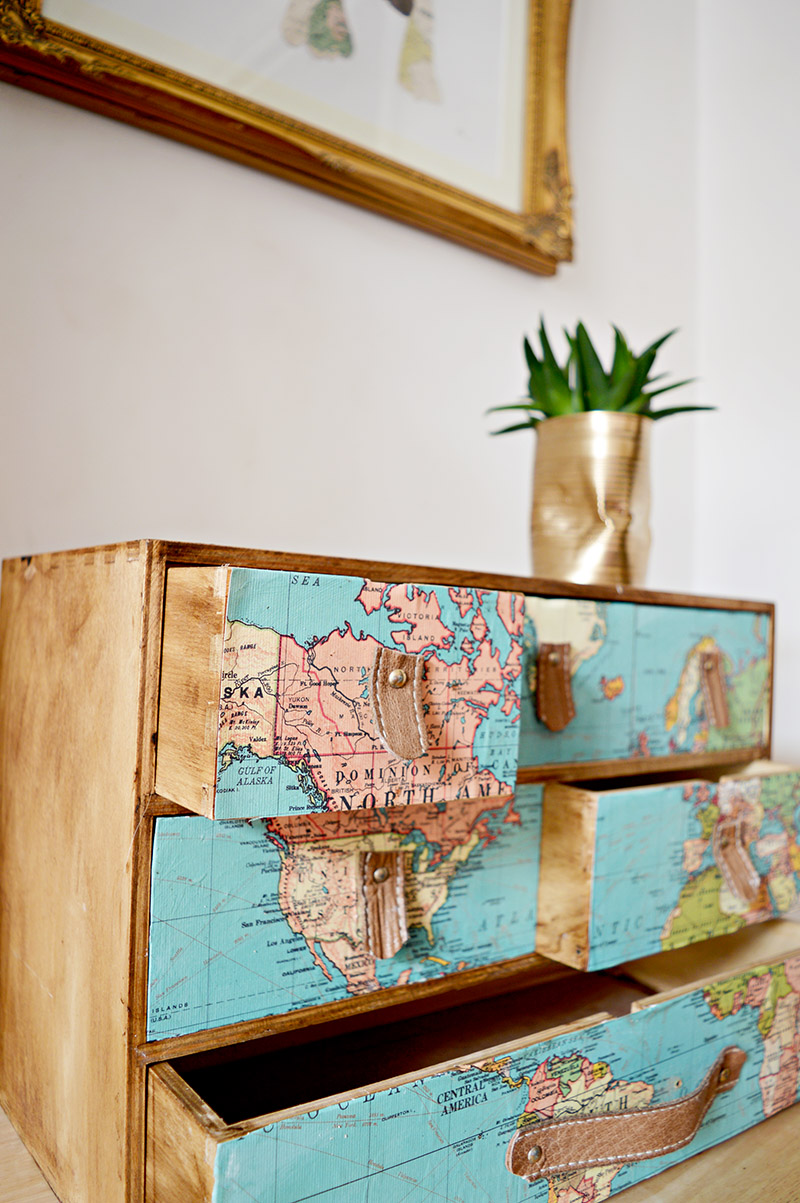
Repurposing furniture is budget-friendly and environmentally sensible. An old dresser can become a bathroom vanity. A worn table can be sanded and stained. A thrifted cabinet can turn into stylish storage. The trick is seeing potential before perfection. Many pieces only need cleaning, paint, new hardware, or a small repair to become useful again.
4. Kitchen Refreshes
Kitchens are among the most popular remodeling targets because they work hard every day. A full kitchen remodel can be expensive, but smaller updates still matter. Painting cabinets, changing pulls, adding open shelves, upgrading lighting, installing a backsplash, or improving pantry organization can make the kitchen feel new without removing every cabinet from the wall.
5. Bathroom Updates
Bathrooms reward smart details. A new mirror, better lighting, fresh caulk, painted vanity, updated faucet, floating shelves, and well-chosen towels can make a small bathroom feel cleaner and more intentional. For safety and long-term durability, homeowners should pay attention to ventilation, moisture control, waterproofing, and slip-resistant surfaces.
Safety: The Less Glamorous Part That Matters Most
DIY confidence is wonderful. DIY recklessness is not. Before starting any project, homeowners should understand what is safe to do themselves and what requires a licensed professional. Electrical work, plumbing changes, gas lines, major structural modifications, roof work, and projects involving hazardous materials deserve serious caution.
Homes built before 1978 may contain lead-based paint, and the U.S. Environmental Protection Agency has rules for paid renovation, repair, and painting work that disturbs painted surfaces in pre-1978 housing and child-occupied facilities. Lead dust can be harmful, especially to children and pregnant people, so older-home projects should be handled with lead-safe practices and, when needed, certified professionals.
Permits are another practical issue. Requirements vary by location, but structural, electrical, plumbing, HVAC, roofing, and major layout changes often require approval. A permit may feel like paperwork wearing steel-toed boots, but it exists to help ensure work meets safety standards. When in doubt, contact the local building department before beginning.
Energy Efficiency and the Smart Remodel
A beautiful room is great. A beautiful room that is drafty, expensive to heat, and freezing every February is less great. Smart remodeling should include energy performance whenever possible. ENERGY STAR guidance notes that air sealing and insulation can help homeowners reduce heating and cooling costs, especially in attics, crawl spaces, basements, and other leak-prone areas.
Energy-conscious remodeling does not always require glamorous upgrades. Caulking gaps, weatherstripping doors, sealing attic leaks, insulating properly, maintaining HVAC systems, and choosing efficient appliances can improve comfort while reducing waste. These invisible improvements may not get as many compliments as a new backsplash, but they quietly make the home work better every day.
Remodelaholic and the Value of Reuse
One of the most refreshing parts of the Remodelaholic philosophy is the emphasis on reusing and repurposing. In a world where many products are designed to be replaced quickly, there is something satisfying about giving old materials a second life. Reclaimed wood can become shelves. Extra tile can become a small backsplash. Leftover paint can revive a stool, frame, or cabinet. Salvaged doors can become headboards, tables, or sliding pantry doors.
This approach saves money, reduces waste, and makes homes feel more personal. Anyone can buy a generic piece off a shelf. But when you build, restore, or repurpose something, the result carries a story. It becomes part of the home’s personality instead of just another object that arrived in a box with twelve mysterious screws and instructions written in microscopic font.
How Remodelaholic Helps Beginners Build Confidence
Many beginners are intimidated by DIY because they assume everyone else already knows what they are doing. The truth is less glamorous: most DIYers learn by trying, reading, watching tutorials, making mistakes, fixing those mistakes, and occasionally pretending the mistake was “a design choice.”
Remodelaholic-style tutorials make remodeling feel approachable because they break large ideas into smaller steps. A beginner might start by painting a nightstand, then move to installing shelves, then try building a simple bench, then eventually tackle a full room makeover. Each project teaches skills: measuring, sanding, leveling, cutting, painting, staining, caulking, planning, and problem-solving.
The goal is not perfection. The goal is progress. A handmade shelf with one tiny flaw still holds books. A repainted dresser with a slightly imperfect corner still looks better than it did before. DIY confidence grows when homeowners stop waiting for perfect conditions and start learning carefully.
Common Mistakes to Avoid
Even experienced DIYers make mistakes, but many are avoidable. The first common mistake is skipping prep. Paint fails when surfaces are dirty. Tile fails when the base is wrong. Shelves sag when supports are weak. Caulk looks bad when old caulk is not removed properly. Preparation is not the exciting part, but it is the reason the exciting part lasts.
The second mistake is underestimating time. A project that looks simple online may require drying time, shopping trips, tool setup, cleanup, and problem-solving. Always add extra time, especially if you have children, pets, work deadlines, or a house that enjoys throwing plot twists.
The third mistake is ignoring scale. Furniture, lighting, rugs, and built-ins need to fit the proportions of the room. A tiny rug can make a living room feel awkward. A light fixture that is too small can disappear. Shelves that are too shallow may look decorative but fail at storage. Measure the room, mark dimensions with painter’s tape, and test the visual weight before committing.
Why Remodelaholic Still Matters in Today’s Home Improvement World
Home improvement has changed. Social media is full of fast makeovers, dramatic reveals, and projects edited into thirty seconds of cheerful music. Those videos are fun, but real remodeling takes more than a quick montage. Remodelaholic remains relevant because the deeper DIY audience still needs plans, steps, explanations, and realistic inspiration.
Modern homeowners are also renovating for different reasons. Some want to personalize a starter home. Some are staying in place because moving is expensive. Some want multigenerational living solutions. Some want better storage, improved comfort, or outdoor spaces that feel like an extension of the home. A practical DIY approach helps homeowners make meaningful improvements one project at a time.
Experiences Related to Remodelaholic: What DIY Remodeling Teaches You
The first thing a Remodelaholic-style project teaches is that every home has an opinion. You may walk into a room with a clear plan, a neat supply list, and the confidence of a person who watched three tutorials before breakfast. Then you remove one piece of trim and discover uneven drywall, mystery nails, or a wall texture that looks like it was applied during an earthquake. At that moment, DIY stops being a project and becomes a conversation with the house. The house usually speaks first.
One of the best experiences in DIY remodeling is learning to see potential. A scratched table becomes a future coffee station. A dull hallway becomes a gallery wall. A cramped laundry corner becomes a storage zone with shelves, baskets, hooks, and enough order to make folding towels feel almost glamorous. Once you begin thinking like a Remodelaholic, you stop seeing rooms as fixed. You see them as editable.
Another memorable experience is the strange joy of using tools correctly for the first time. The first clean cut with a saw, the first perfectly level shelf, the first smooth bead of caulk, the first cabinet door that closes without dramathese tiny victories are addictive. Nobody throws a parade when you install drawer pulls evenly, but inside, there is definitely a parade. Possibly with confetti.
DIY also teaches patience. Paint needs to dry. Stain needs to cure. Adhesive needs time. Plans need adjusting. The impatient remodeler learns quickly that rushing creates more work. A second coat applied too soon can peel. A shelf installed without anchors can become a floor decoration. A tile project started without layout planning can end with tiny awkward cuts in very visible places. Patience is not just a virtue in remodeling; it is a cost-saving strategy.
The most satisfying experience is living with the finished result. A store-bought item can be beautiful, but a project you planned, built, painted, repaired, or installed feels different. You remember the decisions behind it. You remember the mistake you fixed. You remember the evening you almost gave up, then figured it out. That is why Remodelaholic-style projects matter. They are not just about better rooms. They are about ownership, creativity, resilience, and the delightful realization that your home can change with you.
Of course, DIY experiences also come with comic relief. There will be paint on your elbow and no memory of how it got there. There will be a missing screw that reappears after you buy replacements. There will be at least one moment when you stand in the hardware aisle holding two nearly identical products, wondering whether your entire project depends on choosing the right tube of adhesive. This is normal. This is tradition. This is how the home improvement gods keep us humble.
In the end, the Remodelaholic experience is not about doing everything yourself or pretending professionals are never needed. It is about becoming an active participant in your home. You learn when to DIY, when to ask for help, when to save, when to splurge, and when to step back and admire the fact that your once-forgotten corner now looks intentional. That feeling is powerful. It turns a house into a story, one project at a time.
Conclusion
Remodelaholic is a name, a brand, and a very relatable condition for anyone who has ever looked at a room and imagined what it could become. Its appeal comes from the belief that homes can be improved creatively, affordably, and personally. Whether you are painting furniture, building storage, updating a bathroom, refreshing a kitchen, improving energy efficiency, or planning a full makeover, the Remodelaholic mindset encourages you to start with purpose and work with patience.
The best DIY remodeling is not about copying a perfect image. It is about understanding your home, your budget, your needs, and your skills. It is about creating spaces that support real life: family dinners, quiet mornings, muddy shoes, movie nights, work-from-home chaos, and all the ordinary moments that make a house worth improving.
So yes, being a Remodelaholic might mean you keep a mental list of future projects and own more paint samples than any person reasonably needs. But it also means you believe your home is full of possibility. And that is a pretty wonderful thing to be addicted to.