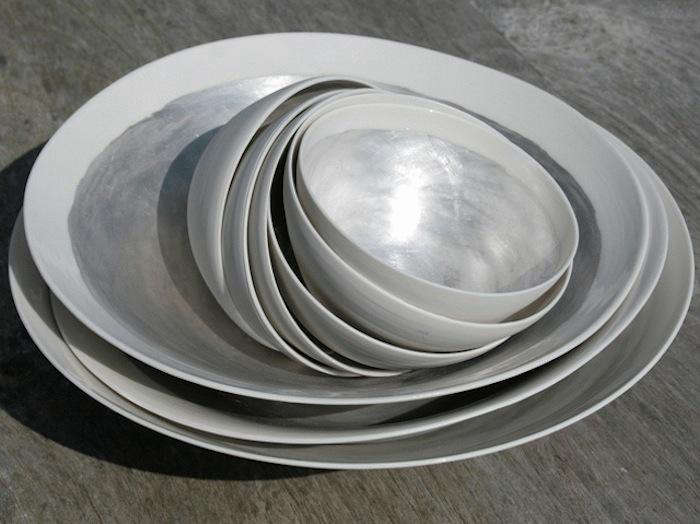
Some tableware simply holds soup. Other tableware arrives at the table looking like it washed ashore from a dreamier, better-lit version of the Mediterranean. Shell-like tableware from Heel Wit belongs firmly in the second camp. The Soft collection, designed by Mirjam Boon of Heel WIT in Amsterdam, takes the familiar bowl and gives it a quieter, more poetic life: organic edges, a matte white exterior, and interiors that shimmer like the inside of a shell.
It is the kind of dinnerware that makes even a handful of olives look intentional. A scoop of lemon sorbet? Museum-worthy. A Tuesday-night salad eaten while standing near the kitchen counter? Still elevated, even if your socks do not match.
At its core, this collection captures a design idea that has only become more relevant: everyday objects do not need to be loud to feel special. In a world of overdecorated kitchens, aggressive branding, and plates that shout “look at me,” Heel WIT’s shell-like porcelain whispers. And sometimes a whisper is far more stylish.
What Is Shell-Like Tableware from Heel Wit?
Shell-like tableware from Heel Wit refers to the Soft collection, a series of seashell-inspired Italian porcelain pieces created by Amsterdam designer Mirjam Boon. The pieces are known for their organic, slightly irregular forms and luminous glazed interiors, including silver, deep blue, and sky blue finishes. Their exteriors remain matte white, giving each bowl a sculptural contrast: calm on the outside, quietly glamorous on the inside.
The best-known piece from the collection is the Soft Silver Bowl, originally highlighted as an accessible design object with a refined presence. It is not a fussy formal china pattern. It is not a plain white cereal bowl pretending to be exciting because the marketing team had coffee. It is something more specific: a functional vessel shaped with the softness of nature and finished with the polish of modern European design.
Why the Shell Shape Works So Well
The beauty of shell-like tableware is that it borrows from nature without becoming kitschy. A literal seashell bowl can easily drift into beach-house souvenir territory, which is wonderful if your design goal is “vacation rental with three signs that say RELAX.” Heel WIT’s approach is more subtle. The shell reference appears in the curves, the shallow depth, the gentle asymmetry, and the reflective interior. It suggests the coast rather than announcing it with a foghorn.
Organic Shape Adds Movement
Perfect circles can be beautiful, but they are also predictable. Organic tableware brings movement to the table. A slightly uneven rim catches light differently from every angle. Food appears more casually composed. The table feels less like a showroom and more like a place where people actually gather, eat, laugh, refill glasses, and ask who finished the last piece of bread.
The Glazed Interior Creates Drama
The silver-glazed interior is the collection’s most striking feature. It reflects candlelight, brightens small servings, and gives the impression that the bowl is glowing from within. This is especially effective for simple foods: berries, almonds, figs, citrus slices, white beans, whipped ricotta, or a small dessert. The bowl does half the styling before you even find a spoon.
The Matte White Exterior Keeps It Grounded
Without the matte white exterior, the silver might feel too flashy. With it, the piece becomes balanced. The outside feels calm and tactile, while the inside feels luminous and celebratory. That contrast is the design equivalent of wearing a crisp white shirt with one excellent piece of jewelry: simple, but not boring.
The Rise of Organic Tableware
Heel WIT’s shell-like tableware feels especially current because the design world has moved steadily toward imperfect, handmade-looking, nature-inspired pieces. Restaurants, home stylists, and ceramic artists have embraced plates and bowls that feel less machine-perfect and more personal. Irregular shapes, scalloped edges, reactive glazes, earthy tones, and sculptural silhouettes have become a welcome alternative to plain white dinnerware.
This does not mean classic white plates are dead. They are not. They are simply sharing the table with pieces that have more personality. A shell-like bowl can act as a focal point without forcing you to replace your entire dinnerware cabinet. In fact, it often works best as an accent: one shimmering bowl in the center of a table, a pair used for snacks, or a few pieces mixed with simple ceramic plates.
How to Style Shell-Like Tableware from Heel Wit
The easiest way to style this tableware is to let it breathe. Because the form and finish are already expressive, the surrounding pieces should support rather than compete. Think linen, wood, glass, soft neutrals, and small touches of blue, gray, ivory, or warm metal.
For a Minimalist Table
Place a Soft Silver Bowl on a pale linen runner with white plates, clear glassware, and brushed stainless flatware. Add one branch, a small vase of white flowers, or a few unscented candles. The look is restrained but not cold. The bowl becomes the subtle star, like the quiet guest at dinner who somehow has the best stories.
For a Coastal-Inspired Setting
Pair the shell-like bowls with washed linen napkins, woven placemats, pale blue glassware, and a weathered wood table. Avoid too many nautical props. No anchors, no rope napkin rings shaped like sailor knots, no emergency lighthouse figurines. The table should feel coastal because of texture, light, and colornot because it is trying to audition for a seafood restaurant sign.
For Entertaining
Use the bowls for small shared dishes: marinated olives, whipped feta, roasted nuts, aioli, citrus salad, chocolate truffles, or flaky sea salt. Their reflective interiors make small portions look generous and considered. This is particularly useful for hosts who want the table to feel abundant without covering every inch of it with food.
What Foods Look Best in Shell-Like Bowls?
Because the bowls have a luminous interior, foods with contrast look especially beautiful. Deep red cherries, green pistachios, orange segments, dark chocolate, golden crackers, and creamy dips all stand out. The silver glaze brings sparkle to matte ingredients and turns everyday snacks into something that feels curated.
For the blue-glazed versions, lean into contrast again. White foods, such as burrata, yogurt, coconut rice pudding, or vanilla panna cotta, look clean and elegant against blue. Bright ingredients such as tomatoes, herbs, and citrus can also create a striking Mediterranean feeling. The trick is simple: let the bowl and the food have a conversation, not a shouting match.
Why Porcelain Matters
Porcelain has long been admired for its strength, fineness, and refined surface. Traditionally associated with high-temperature firing and kaolin clay, porcelain can achieve a delicate appearance while remaining practical enough for real use. That duality is part of its charm. It looks precious, but it does not have to sit untouched in a cabinet like a family secret.
In the Heel WIT Soft collection, porcelain helps the pieces hold their crisp yet fluid shapes. The material supports the contrast between the matte exterior and the glossy, reflective interior. It also gives the tableware a clean, modern feeling that keeps the shell inspiration from becoming overly rustic.
Care Tips for Shell-Like Porcelain Tableware
Any special tableware deserves sensible care, especially when metallic or decorative glazes are involved. Always follow the maker’s instructions when available. As a general rule, hand washing is the safest approach for keeping unusual glazes and delicate finishes looking their best. Use warm water, mild dish soap, and a soft sponge. Avoid steel wool, harsh abrasives, and the kind of scrubbing energy usually reserved for cleaning a grill after a family barbecue.
If a bowl has a metallic-looking interior, be cautious with microwaves. Metallic glazes may not be microwave-safe, and even when a ceramic body is durable, decorative finishes can require extra care. For serving, display, snacks, desserts, and small dishes, shell-like porcelain performs beautifully. For reheating chili at midnight, choose something less glamorous and more emotionally prepared.
Who Will Love This Tableware?
Shell-like tableware from Heel Wit appeals to people who enjoy design with restraint. It is ideal for homeowners who like coastal style but dislike obvious beach decor. It suits minimalists who want one expressive object on the table. It also works for hosts who understand that presentation is not about making food look expensive; it is about making guests feel welcomed.
Collectors of modern ceramics may appreciate the design because it sits between sculpture and function. The bowls are useful, but they also have presence when empty. On an open shelf, sideboard, or kitchen island, they act like small decorative objects. Their shape is soft enough for everyday spaces and refined enough for special occasions.
How to Mix Heel WIT Bowls with Existing Dinnerware
You do not need a full matching set to enjoy shell-like tableware. In fact, matching everything too perfectly can flatten the charm. Try mixing these bowls with plain white plates, stoneware dinner bowls, vintage silverware, or handmade ceramic mugs. The shell-like form adds a layer of texture without forcing the whole table into a theme.
For a modern look, pair the bowls with matte black flatware and clear glass tumblers. For a softer look, use ivory napkins, pale wood, and warm brass candlesticks. For a more artistic table, combine them with irregular handmade plates in cream, gray, or muted blue. The key is to repeat one or two elementscolor, texture, or finishso the table feels intentional rather than accidentally assembled during a cabinet clean-out.
Design Analysis: Quiet Luxury Without the Fuss
The phrase “quiet luxury” gets used a lot, sometimes to describe anything beige with a high price tag. But the idea makes sense when applied to Heel WIT’s shell-like tableware. The design is not covered in logos. It does not depend on trend colors. It has a strong silhouette, refined materials, and a finish that rewards close attention.
This kind of tableware also reflects a broader shift in how people think about home objects. The most beloved pieces are often not the biggest or most expensive. They are the ones that improve small daily rituals: serving fruit, placing snacks before friends arrive, setting out dessert, or making a simple breakfast feel like less of a rushed negotiation with the toaster.
Buying and Collecting Considerations
Because the original Heel WIT feature dates back to 2012, availability may vary. That is normal with independent design collections, small-batch ceramics, and specialty tabletop pieces. If you are searching for the Soft collection today, check whether pieces are still sold through the designer, archived design shops, resale platforms, or curated home stores. When buying secondhand, inspect photos closely for chips, glaze wear, crazing, and scratches, especially on reflective interiors.
If you cannot find the exact Heel WIT pieces, look for similar qualities rather than a cheap imitation: organic porcelain form, shell-like curvature, matte exterior, reflective or softly colored interior, and a restrained palette. The goal is not merely to find “a bowl shaped like a shell.” The goal is to find tableware with the same balance of usefulness, delicacy, and quiet visual surprise.
Experiences Related to Shell-Like Tableware from Heel Wit
The first experience many people have with shell-like tableware is visual. Before anyone asks what it is made of or who designed it, they notice the shape. A bowl like this changes the mood of a table immediately. It does not sit there like a standard serving dish waiting for dip. It creates a small pause. Guests lean closer. Someone usually says, “That’s pretty,” and someone else asks whether it is safe to use. This is the highest compliment a bowl can receive: admiration mixed with mild concern.
In everyday use, shell-like tableware works best when it is not treated as too precious. The temptation is to save it for perfect occasions, but perfect occasions are rare and usually involve someone forgetting ice. These bowls shine when used for ordinary pleasures: strawberries after dinner, salted butter beside warm bread, pistachios during a movie, or a few pieces of dark chocolate after a long day. Their elegance makes small servings feel generous, which is useful if the pantry is looking emotionally thin.
For hosting, the experience becomes even more interesting. Place a silver-glazed shell-like bowl at the center of a table and it functions almost like jewelry. It catches candlelight, reflects movement, and adds depth to a setting without needing a large centerpiece. This is especially helpful on smaller dining tables where a dramatic floral arrangement would leave guests peering around eucalyptus like they are conducting peace talks.
The tactile experience matters too. A matte exterior feels calm in the hand, while the glazed interior provides visual contrast. That difference between touch and sight is what makes the piece memorable. It invites use, but it also asks to be noticed. Compared with mass-produced dinnerware, it feels more personal, even when the meal itself is wonderfully simple.
There is also an emotional experience connected to shell-inspired design. Shells suggest travel, tide pools, summer tables, quiet beaches, and the small treasures people collect without needing a practical reason. Heel WIT’s version does not copy a shell literally; it translates the feeling of one. That makes the tableware easy to live with. It can sit in a city apartment, a coastal cottage, a modern kitchen, or a traditional dining room without looking like it wandered in from a gift shop.
Over time, pieces like this often become part of household rituals. One bowl becomes the “olive bowl.” Another becomes the dessert bowl. Another sits near the entry holding keys, even though it was probably not designed for that and deserves better company than a gym fob. The point is that beautiful functional objects tend to find their own roles. Shell-like tableware from Heel Wit succeeds because it is not merely decorative and not merely practical. It lives in the lovely middle, where design makes daily life feel a little more considered.
Conclusion
Shell-like tableware from Heel Wit remains compelling because it understands restraint. The Soft collection turns porcelain into something organic, luminous, and useful without becoming theatrical. Its seashell-inspired form, matte white exterior, and reflective glazed interior create a balance that feels modern, coastal, and quietly luxurious.
Whether used for entertaining, styling open shelves, serving small dishes, or making a regular snack feel like it deserves better lighting, this tableware proves that small objects can have a big effect. A bowl does not need to shout to change the table. Sometimes it only needs a soft curve, a glimmer of silver, and the confidence to look like it came from the sea but belongs in your home.