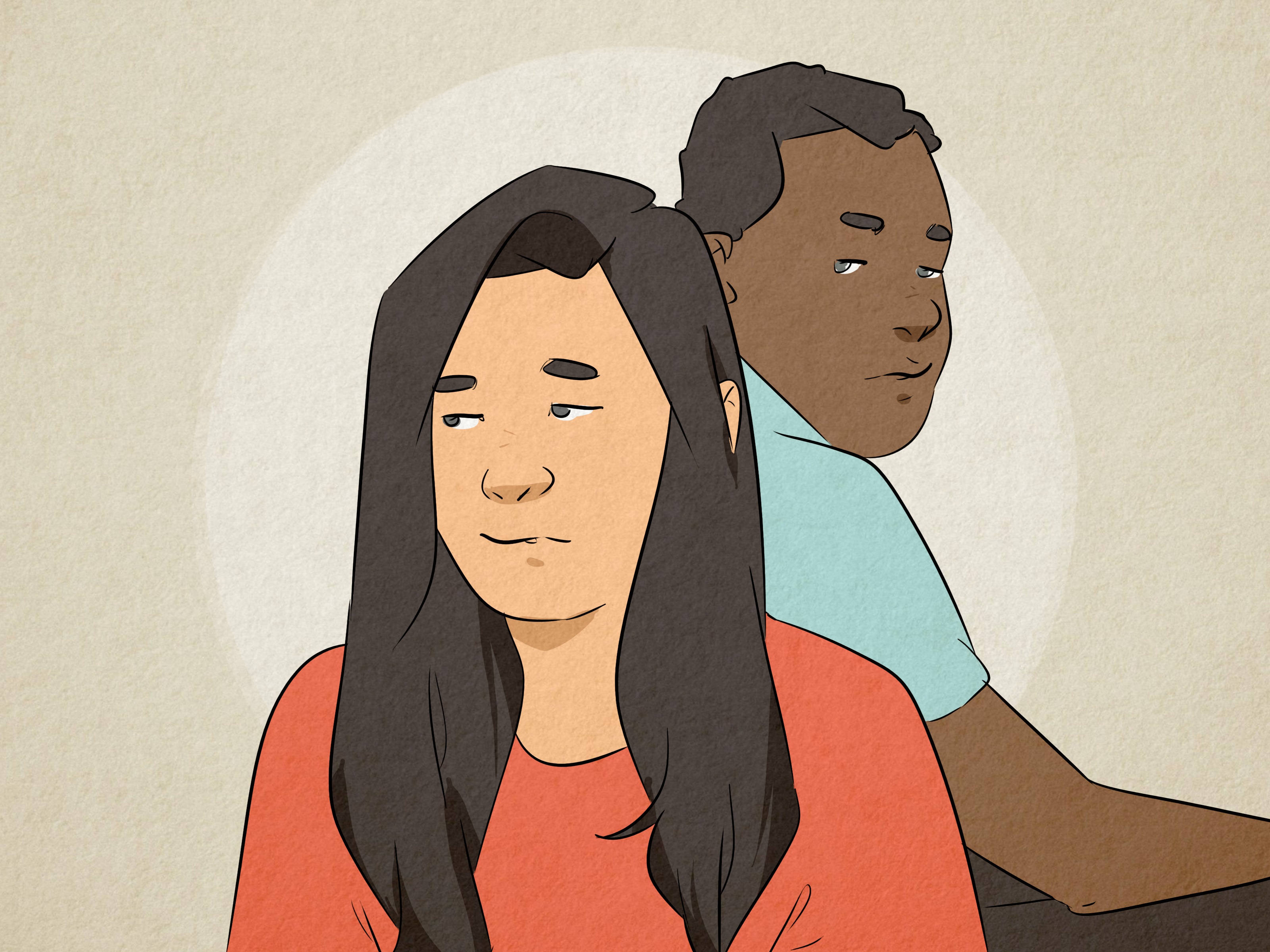
Searching for a “Should I get a divorce quiz?” usually means something important has already happened. Maybe the same argument keeps returning like a terrible movie sequel. Perhaps trust has been damaged, affection has disappeared, or you feel more alone beside your spouse than you do when you are physically alone.
A quiz cannot decide whether you should end your marriage. It does not know your history, children, finances, culture, safety concerns, or whether both partners are sincerely willing to change. What it can do is slow down the mental pinball machine and help you identify patterns that deserve attention.
What a Should I Get a Divorce Quiz Can Tell You
A useful quiz does not ask whether your spouse leaves socks on the floor. That may be irritating, but family court has not yet created a Sock Crimes Division. The more meaningful questions concern safety, respect, accountability, trust, emotional connection, shared values, and the ability to repair damage.
Your total score matters less than the pattern behind it. A couple may have frequent disagreements while still listening, apologizing, and making changes. Another couple may rarely argue because one partner has learned that speaking honestly leads to ridicule, punishment, or intimidation. The quiet marriage is not automatically the healthy one.
Answer based on the relationship as it has actually functioned during the past six to twelve months. Do not score the marriage you had on your honeymoon, the marriage you hope to have someday, or the marriage your spouse promises will appear immediately after the next dramatic apology.
How to Take the Divorce Quiz
Give each statement a score:
- 0: Never or almost never
- 1: Occasionally
- 2: Often
- 3: Consistently or severely
Write down your answers before calculating the total. More importantly, circle every statement scored 2 or 3. Those answers reveal where your attention is needed.
Part 1: Safety, Control, and Freedom
- I fear my spouse may physically harm me, block me from leaving, or retaliate if I disagree.
- My spouse tries to control my money, work, transportation, medical care, friendships, clothing, phone, or online activity.
- My spouse uses threats involving suicide, children, pets, immigration status, housing, reputation, or finances to control my decisions.
- I experience sexual pressure, unwanted sexual contact, reproductive coercion, or punishment for declining intimacy.
- My spouse has stalked me, destroyed property, displayed weapons, driven dangerously, or used frightening behavior during conflict.
Part 2: Respect, Trust, and Conflict
- Insults, contempt, mockery, name-calling, or public humiliation have become normal in our marriage.
- We repeat the same painful arguments without reaching understanding, compromise, or meaningful repair.
- One of us uses prolonged silence, affection withdrawal, financial punishment, or threats of abandonment to win disagreements.
- Trust has been damaged by ongoing lies, secret spending, hidden communication, infidelity, or broken agreements.
- Apologies occur, but the behavior that caused the injury rarely changes.
Part 3: Accountability and Willingness to Repair
- I cannot express my needs or opinions without expecting dismissal, defensiveness, ridicule, or escalation.
- One or both of us refuse to accept responsibility and consistently blame the other person for every problem.
- Attempts to improve the marriage are one-sided, short-lived, or performed only when separation is mentioned.
- My spouse refuses appropriate help for serious issues such as addiction, compulsive gambling, uncontrolled anger, or untreated mental health symptoms that are harming the family.
- Even after calm conversations, clearly stated boundaries are repeatedly ignored.
Part 4: Well-Being, Compatibility, and the Future
- I feel lonely, emotionally abandoned, or invisible in the relationship most of the time.
- I regularly shrink my personality, hide my beliefs, or abandon important goals to keep the peace.
- Our basic values or desired futures are incompatible, and neither of us can compromise without deep resentment.
- Our children are exposed to frequent hostility, used as messengers, asked to choose sides, or burdened with adult information.
- The thought of living in the same relationship, unchanged, for another year fills me with more dread than hope.
Divorce Quiz Results and What Your Score May Mean
Add your answers for a possible total between 0 and 60. Do not treat the result as a verdict. Think of it as a dashboard light: it tells you to investigate, not necessarily to drive directly to the courthouse.
| Score | Possible Meaning | Helpful Next Step |
|---|---|---|
| 0–14 | Your responses show fewer widespread warning signs, although individual problems may still be serious. | Identify your highest-scoring answers and discuss specific, measurable changes. |
| 15–29 | Recurring distress may be affecting trust, closeness, communication, or personal well-being. | Consider individual counseling, couples therapy when appropriate, and a structured relationship review. |
| 30–44 | The marriage may involve substantial disconnection, repeated injuries, incompatible goals, or failed repair attempts. | Seek professional support designed for serious marital distress or divorce ambivalence. Obtain private legal and financial information. |
| 45–60 | Your answers suggest severe or persistent problems that should not be minimized. | Prioritize safety, emotional support, legal knowledge, and a realistic assessment of whether sustained change is possible. |
The Safety Override
If you scored 2 or 3 on any question in Part 1, do not let a relatively low total reassure you. Abuse can be intermittent. A person may behave warmly for weeks and become dangerous when control is challenged. Physical violence is also not the only serious concern; intimidation, sexual coercion, surveillance, isolation, stalking, and financial control can all limit a partner’s freedom.
Do not announce plans to leave, secretly collect documents, change accounts, or confront an abusive partner without considering how those actions could affect safety. Use a device your partner cannot monitor and speak confidentially with an advocate or attorney familiar with domestic abuse.
Five Questions More Important Than the Final Score
1. Is the Relationship Safe Enough for Honest Conversation?
Healthy conflict may be uncomfortable, but both people retain the right to speak, pause, disagree, and leave the room without being threatened. If honesty creates fear, the immediate issue is not better communication technique. It is safety and power.
2. Are You Seeing Changed Behavior or Better Speeches?
Real repair is visible. It may include ending an affair, attending treatment, sharing financial information, respecting boundaries, changing communication habits, or consistently following through on agreements. “I said I was sorry” is a beginning, not a lifetime achievement award.
Look at the previous six months. What has your spouse actually done differently? What have you done differently? Is progress continuing without constant supervision, or does improvement vanish as soon as the threat of separation passes?
3. Is the Problem Temporary or Structural?
Grief, illness, unemployment, caregiving, sleep deprivation, and financial emergencies can temporarily strain even a solid marriage. Structural problems are different. They involve enduring incompatibility or patterns such as coercion, contempt, repeated betrayal, chronic irresponsibility, or refusal to participate in repair.
A difficult season deserves compassion. An endless cycle deserves honest examination.
4. Are Both Partners Willing to Work?
One person can improve personal boundaries and communication, but one person cannot create a mutual marriage. Repair requires participation from both spouses. Promising to try is not the same as attending appointments, completing agreed steps, tolerating uncomfortable conversations, and maintaining new behavior over time.
5. What Would You Advise Someone You Love?
Imagine your closest friend describing your marriage without identifying the people involved. Would you tell that friend to be patient, seek counseling, establish firmer boundaries, make a safety plan, or consult an attorney? This exercise can reveal standards you extend to everyone except yourself.
Should You Try Marriage Counseling Before Divorce?
Couples therapy may help when both partners can participate honestly, accept responsibility, and practice new behavior. It may address destructive conflict, emotional disconnection, parenting disagreements, sexual concerns, or recovery after betrayal.
Traditional couples therapy is not the only option. When one spouse wants to save the marriage and the other is leaning toward divorce, decision-focused or discernment counseling may be more suitable. Its purpose is not to pressure either person into staying. It helps the couple understand what happened and decide whether to maintain the current situation temporarily, move toward separation, or commit to a serious period of marital repair.
Couples counseling may be inappropriate or unsafe when one partner uses coercive control or violence. An abusive spouse may manipulate the sessions, retaliate after appointments, or use vulnerable disclosures as ammunition. In that situation, individual support from a domestic violence specialist is generally a safer starting point.
Practical Questions to Explore Before Filing for Divorce
Learning about divorce does not obligate you to file. Information often reduces panic and helps you make a calmer decision.
Understand Your State’s Laws
Divorce law varies by state, including residency requirements, waiting periods, property division, spousal support, custody procedures, and rules governing marital debt. A confidential consultation with a licensed family law attorney can explain the likely process in your jurisdiction.
Avoid relying on a cousin who got divorced in another state, a viral video, or an online stranger whose legal qualification appears to be owning a ring light.
Review the Financial Picture
Gather lawful access to recent tax returns, bank statements, retirement accounts, loan documents, insurance policies, pay records, household expenses, and credit information. List jointly and individually held assets and debts. Do not hide assets, destroy documents, empty joint accounts, or make unusual transfers without legal advice.
A divorce agreement may assign responsibility for a debt between former spouses, but creditors may still pursue people whose names remain legally attached to an account. That is one reason financial and legal guidance matters before agreements are signed.
Protect Children From Adult Conflict
Children should not become messengers, investigators, therapists, or judges. Do not ask them to report on the other parent or choose whom they love more. When separation occurs, predictable routines, age-appropriate explanations, and freedom from adult hostility can support healthier adjustment.
Staying married “for the children” is not automatically protective if the home is dominated by fear or chronic conflict. Divorce is also not automatically harmless. The better question is which realistic arrangement offers children greater safety, stability, and access to responsible parenting.
A 30-Day Clarity Plan
Unless urgent safety or legal circumstances require immediate action, use the next month to collect information rather than forcing yourself to produce a dramatic answer by Friday.
Week 1: Record Patterns
Keep a private record of major conflicts, positive interactions, broken agreements, repair attempts, and how you feel before and after time with your spouse. Focus on observable behavior rather than labels such as “narcissist,” “lazy,” or “impossible.”
Week 2: Define Required Changes
Write three to five changes that would be necessary for you to consider staying. Make them concrete. “Be more caring” is vague. “Stop insulting me, attend weekly counseling, disclose all gambling debt, and follow the agreed budget” can be evaluated.
Week 3: Build Your Support Team
Consider speaking with an individual therapist, financial professional, trusted friend, domestic violence advocate, or family law attorney. Choose people who can tolerate complexity rather than turning your marriage into a spectator sport.
Week 4: Review Evidence, Not Potential
Ask whether your spouse recognizes the problem, accepts responsibility, agrees to specific action, and follows through. Also examine your own role honestly. The goal is not to determine which person is the official villain. The goal is to understand whether the marriage can become safe, respectful, and workable.
Experiences Related to the “Should I Get a Divorce Quiz”
The following composite examples combine common relationship situations and do not describe identifiable individuals. They show why two people with similar quiz scores may make different decisions.
Maya and Chris: A Painful Season With Real Repair
Maya scored 27. She felt lonely, carried most household responsibilities, and believed Chris dismissed every complaint as “overreacting.” At first, the score seemed to confirm her fear that the marriage was finished. However, her written answers revealed a different picture: she did not fear Chris, trust had not been destroyed, and both still wanted the same future.
Chris had withdrawn after losing a parent and changing jobs. That explained the behavior but did not excuse its effect. During counseling, he stopped arguing about whether Maya was “allowed” to feel lonely and began responding to the loneliness itself. They created a weekly planning meeting, divided household work, and scheduled time together that did not involve errands or children’s activities.
Three months later, the marriage was not magically transformed into a musical. They still disagreed. The difference was that agreements became visible behavior. Maya chose to stay because the evidence of repair matched the promises.
Jordan: A Low Total That Hid a Serious Safety Problem
Jordan’s score was only 18 because most days seemed calm. Yet Jordan marked 3 on financial control and 2 on threats. The spouse monitored purchases, controlled passwords, and threatened to seek sole custody whenever Jordan mentioned separation.
The total score could have minimized the danger. Instead, the safety override changed the next step. Jordan used a safer device, contacted an advocate, documented important information lawfully, and obtained confidential legal advice before revealing any plan.
This experience illustrates why abuse should not be averaged together with pleasant weekends. A relationship can contain affection, vacations, and frightening control at the same time. The existence of good memories does not cancel conduct that removes another person’s freedom.
Elena and Marcus: No Villain, but No Shared Future
Elena and Marcus scored high on loneliness and future incompatibility but low on hostility. One wanted children and a suburban home; the other had become certain that parenthood was not desired and wanted a mobile, career-centered life. Neither position was morally superior, and neither could compromise without sacrificing a defining life choice.
They tried decision-focused counseling because standard couples therapy felt like arguing over which future should win. The process helped them stop treating incompatibility as a communication failure. They ultimately separated, used mediation, and agreed that ending the marriage respectfully was more honest than spending another decade waiting for someone to become a different person.
Priya and Sam: Trust Required More Than Forgiveness
After discovering an affair, Priya wanted an immediate answer: divorce or forgive. The quiz showed severe damage to trust but also revealed that Sam was accepting responsibility rather than blaming Priya or the marriage.
Priya did not promise reconciliation. She established conditions for considering it: the affair had to end completely, dishonesty had to stop, individual and couples therapy were required, and questions had to be answered without anger or minimization. Sam agreed and followed through consistently.
They eventually remained married, but not because the quiz instructed Priya to stay. She stayed because repeated actions created enough evidence to make rebuilding trust a reasonable choice. Had Sam continued lying or demanding quick forgiveness, the same original score might have led to a very different decision.
Conclusion: Let the Quiz Start the Conversation, Not End It
The question “Should I get a divorce?” rarely has a neat, universal answer. Some marriages recover after profound disconnection or betrayal because both partners accept responsibility and sustain difficult changes. Other marriages end because safety, trust, compatibility, or willingness to repair cannot be restored.
Use your quiz answers to identify patterns. Pay special attention to fear, coercion, repeated boundary violations, and promises unsupported by action. Then gather emotional, legal, financial, and practical information from qualified professionals.
You do not need to prove that your marriage is the worst marriage in recorded history before taking your pain seriously. You also do not need to make a permanent decision during the worst hour of your worst argument. Clarity usually grows when you replace panic with evidence, isolation with support, and vague hope with measurable behavior.