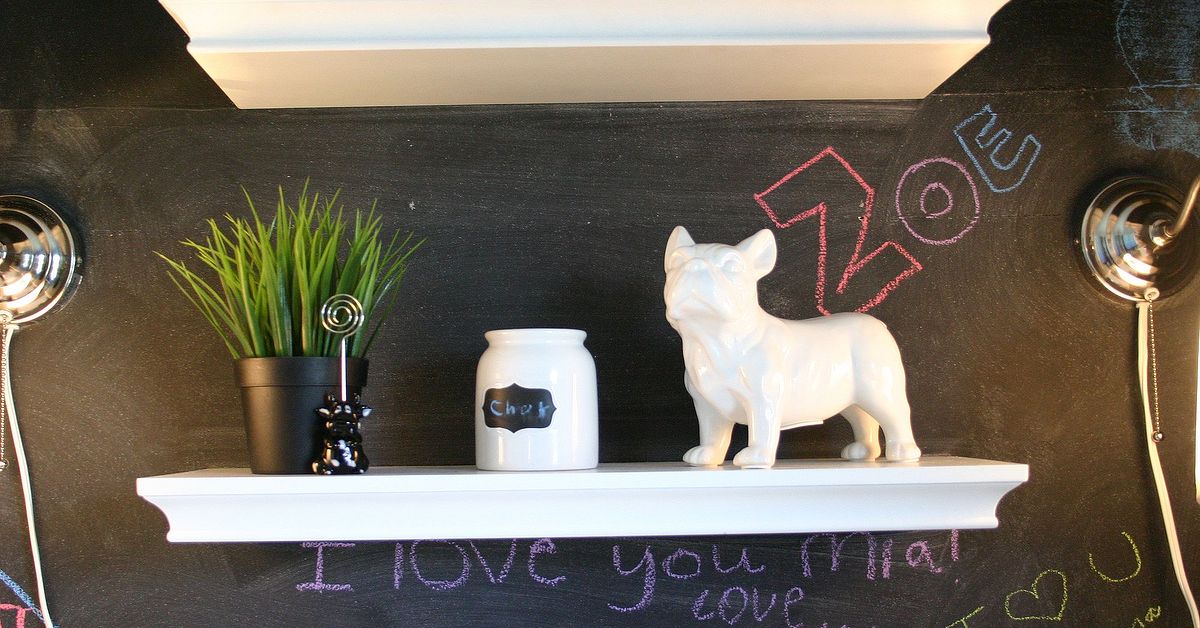
A pre-teen cloffice is proof that a small closet can have a big personality. One minute it is a forgotten storage cave full of mystery cords, old backpacks, and one lonely mitten. The next minute, with a little planning, it becomes a cozy homework station, reading nook, art zone, journaling corner, and “please knock before entering my tiny empire” headquarters.
The best part? You do not need a full renovation, a designer budget, or a dramatic reveal with slow-motion confetti. Simple storage and lighting ideas can turn a basic closet into a practical, comfortable, and stylish space for a growing kid who wants more independence but still needs a setup that helps them stay organized. A pre-teen cloffice should feel fun, but it also needs to work hard: books need a home, school supplies need boundaries, electronics need safe charging spots, and lighting needs to be bright enough for focus without making the space feel like a dentist’s chair.
This guide walks through realistic cloffice storage ideas, small-space lighting tips, desk organization strategies, and kid-friendly design details that make sense for everyday life. The goal is simple: create a compact study space that supports homework, hobbies, creativity, and the occasional deep sigh about math worksheets.
What Makes a Pre-Teen Cloffice Different?
A cloffice for an adult usually focuses on productivity, video calls, and hiding paperwork from public view. A pre-teen cloffice has a slightly different job. It needs to support schoolwork, reading, crafts, digital learning, and personal expression. It should be organized enough for parents to trust it and cool enough for the pre-teen to actually use it.
Pre-teens are in that wonderfully specific stage where they want a space that feels grown-up, but they may still collect stickers, markers, sports cards, friendship bracelets, notebooks, plushies, or tiny objects of mysterious emotional importance. Storage has to be flexible. Lighting has to be layered. The layout has to be simple enough to maintain without turning cleanup into a courtroom negotiation.
Start With the Closet You Already Have
Before buying anything, measure the closet. Measure the width, depth, height, door swing, outlet location, and the space needed for a chair. A reach-in closet can usually handle a floating desktop, shallow desk, or wall-mounted work surface. A deeper closet may allow a small chair to tuck inside. If the closet has sliding doors, removing them may create more usable space. If the doors stay, consider whether they block light, storage, or legroom.
For a pre-teen, the most useful cloffice layout usually includes a work surface, vertical storage, task lighting, a comfortable chair, and a few personal touches. Think of it as a tiny studio apartment for homework supplies. Every inch pays rent.
Simple Storage Ideas That Make a Small Cloffice Work
Storage is the backbone of a successful pre-teen cloffice. Without it, the desk becomes a landing strip for books, wrappers, earbuds, permission slips, and pencils that appear to have survived a battle. The trick is not to add more storage randomly. The trick is to create storage zones that match how your pre-teen actually uses the space.
Use Vertical Space Like It Owes You Money
Most closets have more height than floor space, so vertical storage is the first smart move. Install floating shelves above the desk for books, baskets, display items, and school supplies. Keep the most-used items within easy reach and place seasonal or rarely used items higher up.
A good setup might include one shelf for books, one shelf for bins, and one narrow display ledge for favorite photos, small trophies, or decor. This keeps the desk clear while still letting the cloffice feel personal. For a cleaner look, use matching bins or boxes. Matching storage creates visual calm, which is especially helpful in a tiny space where one neon pencil case can visually shout across the room.
Add a Pegboard for Supplies and Personality
A pegboard is one of the best storage tools for a pre-teen cloffice because it is flexible, inexpensive, and easy to update. Use hooks, cups, shelves, clips, and mini baskets to hold scissors, markers, headphones, sticky notes, washi tape, rulers, or small craft supplies.
The beauty of a pegboard is that it grows with the user. This year it might hold colored pencils and slime-making supplies. Next year it might hold index cards, charging cords, and a calendar. A pegboard also keeps small items visible, which reduces the classic “I can’t find it” emergency that often happens exactly three minutes before school.
Choose Clear Bins for Craft and School Supplies
Clear storage bins are practical for pre-teens because they make it easy to see what is inside. Use small clear boxes for markers, glue sticks, paper clips, erasers, chargers, stickers, and craft materials. Label each container clearly. Labels may not sound exciting, but they are tiny traffic signs for clutter.
For a softer look, combine clear bins with woven baskets or fabric cubes. Clear bins work best for small supplies; baskets work better for bulkier items like notebooks, headphones, folders, or extra paper. If the closet has upper shelves, lidded bins are especially useful because they keep items from collecting dust.
Use Drawer Units Under the Desk
If the cloffice has enough legroom, a slim drawer unit can make a huge difference. Choose a rolling drawer cart or compact file cabinet that fits under one side of the desk. Assign drawers by category: writing tools, paper, tech accessories, craft supplies, and “random but important.” Every pre-teen needs at least one drawer for random but important things. It is basically a constitutional right.
Rolling carts are especially helpful because they can move out of the closet during bigger projects. If your pre-teen likes art, a three-tier rolling cart can hold paints, sketchbooks, markers, and tape. When homework time begins, the cart can slide back into place.
Install a Back-of-Door Organizer
If the closet door stays, use it. A back-of-door organizer can store headphones, notebooks, folders, small books, art supplies, or extra charging cables. Choose soft pockets for lightweight items or a sturdier rack for folders and notebooks.
This is also a smart place for a weekly school checklist. Add a small dry-erase board or clipboard where your pre-teen can track homework, practice schedules, library books, and project deadlines. The door becomes a command center instead of just a barrier between the room and the chaos.
Create a Paper System That Is Almost Impossible to Ignore
School papers multiply quickly. One day there are two worksheets; by Friday, the desk looks like it is applying to become a recycling center. A simple paper system prevents the pile from taking over.
Use three labeled trays or wall pockets: “To Do,” “Done,” and “Parents.” The “Parents” slot is for forms, permission slips, teacher notes, and anything requiring adult attention. This reduces the chance of discovering an important form inside a backpack after the deadline has passed, which is a universal parenting jump scare.
Lighting Ideas for a Comfortable Pre-Teen Cloffice
Closets are not famous for great lighting. Many are dim, shadowy, or lit by one sad bulb that makes everything look like a basement mystery. A pre-teen cloffice needs better light because reading, writing, drawing, and screen use all require visual comfort.
The best approach is layered lighting. That means combining general light, task light, and soft accent light. In a small closet office, this can be simple and affordable.
Start With Safe, Bright General Lighting
General lighting is the main light source for the space. In a closet, this might be an overhead flush-mount light, a ceiling fixture, or battery-powered LED puck lights if hardwiring is not an option. LED lighting is often a smart choice because it is energy efficient, long-lasting, and gives off less heat than older incandescent bulbs.
For a cloffice, avoid lighting that gets hot, hangs too low, or crowds shelves. If you plan to add a hardwired fixture, hire a qualified electrician and check local code requirements. Closet lighting needs proper clearance from shelves, clothing, paper, and other stored items. Safety is not the glamorous part of design, but neither is explaining why a homework nook smells like melted plastic.
Add a Desk Lamp for Focused Task Lighting
A desk lamp is essential for homework, drawing, reading, and studying. Choose an adjustable lamp so your pre-teen can direct light onto the work surface. A clamp-on lamp is ideal for a small cloffice because it saves desk space. A wall-mounted swing-arm lamp is another excellent option if there is a safe power source nearby.
Place the lamp on the opposite side of the writing hand when possible. For a right-handed child, the lamp usually works best on the left side. For a left-handed child, place it on the right. This helps reduce shadows across the page.
Use LED Strip Lights Under Shelves
LED strip lights can make a cloffice feel brighter and more custom without taking up space. Install them under shelves to illuminate the desk area or along the back wall for a soft glow. Choose a warm white or soft white setting for a cozy feel, or a neutral white setting for a cleaner study vibe.
For pre-teens who enjoy color, color-changing LED strips can be fun, but keep the study mode simple. Bright purple may be excellent for dramatic journaling, but it may not be the best choice for reading a science chapter. A good compromise is to use white light for homework and colored light for relaxation or creative time.
Try Battery-Powered Puck Lights for a Renter-Friendly Upgrade
Battery-powered puck lights are an easy option for families who cannot hardwire lighting or do not want to deal with cords. They can be mounted under shelves, inside cubbies, or along the side walls of the closet. Many come with remote controls or tap-on designs.
These lights work best as supplemental lighting, not the only source of light. Use them to brighten dark corners, highlight shelves, or add glow behind decor. Check batteries regularly so the cloffice does not suddenly become a cave during vocabulary homework.
Do Not Forget Natural Light
If the cloffice is near a window, take advantage of natural light. Position the desk so daylight reaches the workspace without causing glare on a laptop or tablet. If glare is a problem, use a light-filtering curtain or adjustable shade.
Natural light can make a small workspace feel more open, but it should not be the only light source. Winter afternoons, rainy days, and late homework sessions still need reliable lighting. A cloffice that only works at 2 p.m. on a sunny Saturday is not quite doing its job.
Smart Desk Setup Ideas for Pre-Teen Comfort
Storage and lighting matter, but comfort matters too. A cloffice should not force a pre-teen into awkward posture. The desk should be deep enough for writing and a laptop or tablet, and the chair should allow feet to rest flat on the floor or on a small footrest.
Choose the Right Desk Depth
In a small closet, a desk depth of about 18 to 24 inches often works well. Shallow desks save space, but they still need enough room for a notebook, lamp, and device. If the closet is very narrow, a custom floating desktop can be cut to size.
A floating desktop mounted on brackets gives a built-in look and leaves the floor open. This makes the space feel bigger and gives you room for a chair, drawer cart, or small trash bin. Just make sure the desk is mounted securely into studs or with proper wall anchors for the weight it must support.
Use a Chair That Tucks In Easily
A chair can make or break a cloffice. Look for one that is comfortable but compact. A lightweight task chair, armless desk chair, or cushioned stool may work depending on the closet depth. If your pre-teen spends long periods studying there, choose support over cuteness. A chair shaped like a cloud may look adorable, but if it causes slouching, the cloud has betrayed you.
If the cloffice is in a bedroom and space is tight, consider a chair that can be used elsewhere in the room. A small rolling chair may work well, but only if the flooring allows it and the closet has enough clearance.
Plan a Charging Station
Modern homework often involves devices, so include a charging zone from the beginning. Use a cable box, cord clips, or a small charging dock to keep cords tidy. Avoid running cords across walkways or pinching them behind furniture.
If the closet does not have an outlet, think carefully before using extension cords. They should never be overloaded or hidden under rugs. For a long-term cloffice, a properly installed outlet is safer and cleaner than a tangle of cords pretending to be a solution.
Decor That Helps the Cloffice Feel Personal
A pre-teen is more likely to use a cloffice when it feels like their space. That does not mean handing over full creative control to every passing trend. It means building in places for personality that can change over time.
Use Removable Wallpaper or Peel-and-Stick Panels
The back wall of a cloffice is the perfect place for removable wallpaper. It adds personality without overwhelming the whole bedroom. Patterns like soft stripes, stars, florals, geometric shapes, or subtle murals can make the tiny space feel intentional.
Removable wallpaper is especially helpful because pre-teen tastes change quickly. Today’s favorite color may become “so embarrassing” by next semester. A peel-and-stick design lets the space evolve without repainting the whole room.
Add a Bulletin Board or Magnetic Board
A bulletin board gives your pre-teen a place to pin schedules, photos, quotes, art, and reminders. A magnetic board works well for a cleaner look and can double as a planning zone. Keep it above the desk or on the side wall.
For better organization, divide the board into sections: school, activities, inspiration, and reminders. This keeps the board from becoming a decorative pile of paper wearing thumbtacks.
Pick a Simple Color Palette
Small spaces feel calmer when the color palette is limited. Try one main wall color, one accent color, and one neutral. For example, soft white walls, lavender accents, and natural wood shelves create a bright, cozy look. Navy, white, and brass can feel more grown-up. Sage green, cream, and light oak can make the space feel calm and nature-inspired.
Let your pre-teen help choose the accent color. Giving them a voice makes the space feel personal, while keeping the main structure flexible for future updates.
Budget-Friendly Cloffice Ideas That Still Look Great
A beautiful cloffice does not need to be expensive. In fact, the best pre-teen cloffice ideas are often simple, practical, and easy to change.
Repurpose What You Already Own
Before shopping, look around the house. A small bookshelf, unused lamp, storage cubes, jars, baskets, or a leftover desktop can become part of the cloffice. Mason jars can hold pencils. A spice rack can hold paint bottles. A small tray can corral daily supplies. A leftover curtain panel can become a soft closet entrance.
Repurposing saves money and gives the space a more collected, personal feel. It also reduces the pressure to make everything look like a catalog page. Real kids live in real homes, and sometimes real homes have slightly mismatched bins. Society will recover.
Shop for Flexible Pieces
Choose storage pieces that can move to another room later. Rolling carts, stackable bins, clip-on lamps, pegboards, and desktop organizers are useful beyond the cloffice. This matters because pre-teens grow, school needs change, and bedroom layouts evolve.
Flexible pieces also make it easier to refresh the cloffice without starting from scratch. Change the labels, swap the art, move the bins, and the space feels new again.
Common Mistakes to Avoid
Even a small cloffice can go wrong if it is overfilled, underlit, or designed more for photos than real life. Avoid these common mistakes:
Too Much Open Storage
Open shelves look great when styled perfectly, but pre-teen supplies are rarely “styled” on a Tuesday night. Mix open and closed storage. Use open shelves for books and decor, but use bins or drawers for messy supplies.
Lighting That Looks Cute but Does Not Help
String lights and novelty lamps can add charm, but they should not be the main study light. Make sure the desk has strong, comfortable task lighting. Decorative lighting is dessert; task lighting is dinner.
No Cleanup Routine
A cloffice needs a reset routine. At the end of each study session, encourage your pre-teen to clear the desktop, return supplies, plug in devices, and put papers in the right tray. This takes only a few minutes when the storage system is simple.
of Real-Life Experience: What Actually Works in a Pre-Teen Cloffice
In real life, the best pre-teen cloffice is not the one with the fanciest shelves or the trendiest light fixture. It is the one your child can use without asking where everything goes every five minutes. After watching how small study spaces actually function, one lesson becomes clear: the setup has to match the child’s habits, not the adult’s dream of perfect organization.
For example, some pre-teens love drawers. They enjoy tucking items away and keeping the desktop clean. Others treat drawers like black holes. Once something goes inside, it is gone forever, possibly living peacefully with three uncapped markers and a granola bar wrapper. For those kids, clear bins, open cups, and wall-mounted organizers work better because everything stays visible.
Lighting is another area where real-life use matters. A cloffice can look beautiful with a warm pendant light, but if the child is squinting while reading, the setup is not finished. The most successful lighting plans usually include one overhead or ambient light and one adjustable task light. When the desk lamp can move, the space works for reading, writing, drawing, laptop use, and craft projects. That flexibility matters more than having a picture-perfect fixture.
Another practical experience: give every item a “parking spot.” The headphones need a hook. The laptop charger needs a clip or basket. The current book needs a shelf. The school planner needs a visible place. If an item does not have a home, it will live on the desk. Then another item joins it. Then a water bottle arrives. Suddenly the cloffice has become a tiny landfill with wallpaper.
It also helps to create two kinds of storage: daily storage and backup storage. Daily storage includes pencils, notebooks, the planner, the laptop, and current school folders. Backup storage includes extra paper, old projects, spare supplies, seasonal books, and craft refills. Daily storage should be easy to reach from the chair. Backup storage can go higher up or in labeled bins. This one idea can prevent the workspace from feeling crowded.
Pre-teens also care about mood. They may not say, “I require a psychologically supportive micro-environment,” but they will absolutely use a space more if it feels good. A small lamp, a favorite color, a framed photo, a plant, or a mini bulletin board can make the cloffice feel special. Letting them choose a few details gives them ownership. Ownership leads to use. Use leads to mess. Mess leads back to storage. Circle of life.
Finally, the best cloffice systems are easy to reset. A five-minute cleanup rule works well: clear the desk, return supplies, sort papers, and turn off the lights. If cleanup takes longer than five minutes, the system is probably too complicated. Simplify the bins, reduce the number of supplies, or move rarely used items out of the cloffice. A small space should support your pre-teen’s routine, not demand a full-time manager with a clipboard.
Conclusion
A pre-teen cloffice does not need to be large, expensive, or professionally designed to be useful. It needs smart storage, comfortable lighting, a practical desk setup, and enough personality to make your pre-teen want to sit down and use it. Start with vertical shelves, clear bins, a pegboard, a simple paper system, and layered LED lighting. Add a comfortable chair, a tidy charging station, and decor that can change as your child grows.
The magic of a cloffice is that it turns unused space into something meaningful. A closet that once stored forgotten jackets can become a homework hub, reading nook, art studio, and independence-building zone. With the right balance of function and fun, a pre-teen cloffice can make schoolwork feel a little less chaoticand maybe even a little cooler.
Note: This article is based on real home organization, small-space design, lighting safety, and child study-space best practices. For hardwired lighting, outlet installation, or built-in structural work, consult a qualified professional and follow local building and electrical codes.