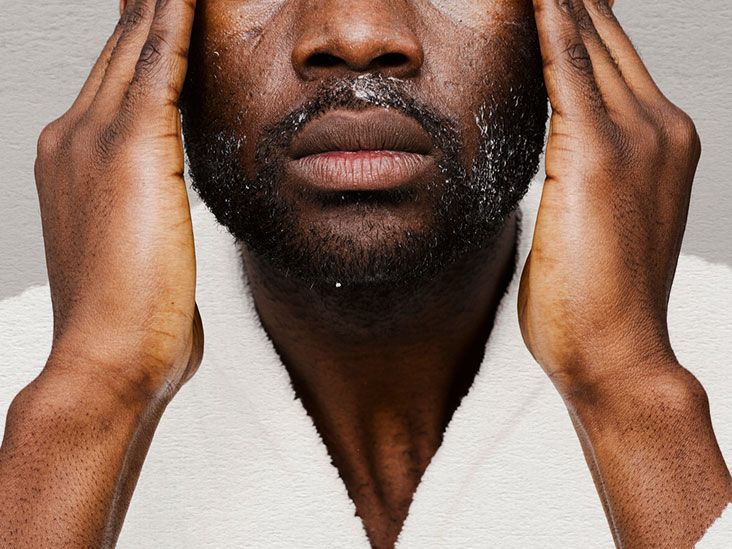
Rosacea is the skin condition that likes to show up uninvited, bring a spotlight, and then ask why everyone is staring. One day your face feels calm and cooperative; the next, your cheeks are red, warm, bumpy, stinging, or mysteriously annoyed by a moisturizer you have used for months. If that sounds familiar, you are not alone. Rosacea is a common chronic inflammatory skin condition that usually affects the central face, including the cheeks, nose, chin, and forehead. It can cause flushing, persistent redness, visible blood vessels, acne-like bumps, burning, dryness, and sometimes eye irritation.
The good news? A smart, gentle, and consistent skin care routine for rosacea can make a real difference. The goal is not to declare war on your face with ten “miracle” products, three exfoliating acids, and a serum that smells like a luxury fruit salad. Rosacea-prone skin usually prefers the opposite: calm formulas, fewer steps, daily sunscreen, and a detective-level understanding of your personal triggers.
This guide breaks down practical rosacea skin care tips, morning and evening routines, ingredients to look for, ingredients to avoid, makeup advice, lifestyle triggers, and real-world experience-based lessons for keeping sensitive skin happier.
What Is Rosacea, Really?
Rosacea is a long-term skin condition that tends to flare and settle in cycles. It is not simply “sensitive skin,” although sensitivity is a big part of it for many people. It is also not regular acne, even though some types of rosacea can cause bumps and pustules that look acne-like. That confusion is one reason people sometimes reach for harsh acne treatments, only to find their skin becomes redder, drier, and more irritated.
Rosacea may show up differently from person to person. Some people mainly experience flushing and visible blood vessels. Others get bumps and swelling. Some notice burning, stinging, or rough texture. Eye symptoms can also occur, including dryness, irritation, redness, or a gritty feeling. If your eyes are involved, it is worth speaking with a dermatologist or eye care professional instead of trying to solve it with a moisturizer and positive thoughts.
There is no permanent cure for rosacea, but many people manage it well with the right skin care routine, trigger awareness, and medical treatment when needed. Think of rosacea care less like “fixing” your skin and more like learning how to keep it from pressing the panic button.
The Golden Rule: Keep Your Routine Boring in the Best Way
Rosacea-prone skin often loves boring. Boring means fragrance-free. Boring means gentle. Boring means no gritty scrubs, no burning toners, and no “I saw it on TikTok at 2 a.m.” experiments. A basic routine usually works better than a crowded bathroom shelf full of half-used bottles.
A good rosacea skin care routine usually has three main pillars:
- Gentle cleansing to remove oil, sweat, sunscreen, and dirt without stripping the skin barrier.
- Moisturizing to support the skin barrier and reduce dryness, tightness, and stinging.
- Daily sun protection because sunlight is one of the most common rosacea triggers.
If you use prescription rosacea treatment, your dermatologist may tell you where it fits in the routine. In many cases, treatment is applied after cleansing and before moisturizer, but instructions can vary by medication.
Morning Skin Care Routine for Rosacea
Step 1: Cleanse Gently, or Rinse if Needed
In the morning, some people with rosacea do well with a gentle cleanser, while others prefer rinsing with lukewarm water only. The right choice depends on your skin. If your face feels oily or you used a heavier night cream, a mild cleanser can help. If your skin wakes up dry and easily irritated, a water rinse may be enough.
Choose a cleanser labeled gentle, non-comedogenic, fragrance-free, and suitable for sensitive skin. Cream, lotion, or gel cleansers are often better tolerated than foaming formulas that leave your face feeling squeaky clean. “Squeaky clean” sounds nice for dishes, not for a face with rosacea.
Use your fingertips, not a washcloth or cleansing brush. Massage lightly, rinse with lukewarm water, and pat dry with a soft towel. Avoid hot water because heat can trigger flushing.
Step 2: Apply Medication if Prescribed
If your dermatologist prescribed a topical treatment, use it as directed. Common medical options for rosacea may include creams or gels that help reduce inflammation, bumps, or redness. Do not add over-the-counter acne products, steroid creams, or strong actives without professional guidance. Rosacea can be dramatic, and it does not appreciate surprise attacks.
Step 3: Moisturize Like Your Skin Barrier Pays Rent
Moisturizer is not optional for many people with rosacea. It helps support the skin barrier, reduces water loss, and can make the skin feel less tight and reactive. Look for formulas with barrier-friendly ingredients such as ceramides, glycerin, hyaluronic acid, dimethicone, niacinamide, or squalane. Not every ingredient works for every person, so patch testing is helpful.
The best moisturizer for rosacea is usually fragrance-free, alcohol-free, and simple. A lotion may work for oily skin, while a cream may feel better for dry or winter-stressed skin. If your skin burns when you apply nearly everything, choose the plainest formula possible and introduce new products slowly.
Step 4: Use Sunscreen Every Day
Sunscreen is one of the most important steps in a skin care routine for rosacea. Sun exposure can trigger flushing and worsen irritation. Use a broad-spectrum sunscreen with SPF 30 or higher every morning, even when it is cloudy. Windows, quick errands, and “I am only outside for five minutes” all count more than we like to admit.
Mineral sunscreens with zinc oxide or titanium dioxide are often preferred by sensitive and rosacea-prone skin because they tend to be less irritating. Tinted mineral sunscreens can be especially useful because they help reduce the look of redness while protecting the skin. Apply enough to cover your face, neck, and ears, and reapply when outdoors for long periods, sweating, or after toweling off.
Evening Skin Care Routine for Rosacea
Step 1: Remove Sunscreen and Makeup Gently
At night, cleansing matters because sunscreen, makeup, pollution, sweat, and oil can sit on the skin. However, cleansing should still be gentle. If you wear makeup or water-resistant sunscreen, you may need a mild cleansing balm, micellar water, or oil cleanser followed by a gentle cleanser. The key is to avoid rubbing. Rosacea skin often treats friction like a personal insult.
If micellar water works for you, rinse afterward if your skin feels sticky or irritated. If a cleansing balm leaves residue, follow with a mild cleanser. Keep the water lukewarm and the pressure light.
Step 2: Use Treatment Products Carefully
Evening is often when people apply prescription treatments or soothing serums. If you are using a dermatologist-prescribed product, follow the directions. If you are experimenting with non-prescription products, go slowly. Introduce only one new product at a time and give your skin at least one to two weeks before adding another. This makes it easier to spot the villain if your face starts acting like it heard bad news.
Many people with rosacea struggle with strong exfoliating acids, retinoids, benzoyl peroxide, and harsh acne treatments. That does not mean these ingredients are impossible for everyone, but they should be used carefully and ideally with professional guidance.
Step 3: Moisturize Again
Nighttime moisturizer helps reduce dryness and supports overnight repair. If your skin is very dry, you may prefer a richer cream in the evening than in the morning. Some people benefit from applying moisturizer while the skin is slightly damp to lock in hydration.
During a flare, simplify. Cleanser, moisturizer, sunscreen in the morning, and prescribed treatment if directed may be plenty. A flare is not the time to test a new peel, clay mask, or “glass skin” routine that requires seven steps and emotional bravery.
Ingredients That Often Work Well for Rosacea-Prone Skin
Rosacea-friendly ingredients are usually calming, hydrating, and barrier-supportive. Everyone’s skin is different, but these ingredients are commonly found in products made for sensitive skin:
- Ceramides: Help support the skin barrier.
- Glycerin: A reliable humectant that pulls water into the skin.
- Hyaluronic acid: Helps hydrate, though some people prefer it layered under moisturizer.
- Niacinamide: May support barrier function and reduce visible redness for some, but can sting for others.
- Dimethicone: Helps reduce water loss and creates a smooth protective feel.
- Zinc oxide and titanium dioxide: Mineral sunscreen filters often used for sensitive skin.
- Azelaic acid: A common rosacea treatment ingredient, but it may need medical guidance depending on strength and sensitivity.
The most important lesson is not that one ingredient is magic. It is that the whole formula matters. A product can contain a great ingredient and still be irritating if it also contains fragrance, drying alcohol, or strong exfoliants.
Ingredients and Product Types to Avoid
Many people with rosacea report irritation from certain cosmetic and skin care ingredients. Common troublemakers include alcohol-based toners, witch hazel, fragrance, menthol, peppermint, eucalyptus oil, camphor, abrasive scrubs, and strong astringents. Products that create a cooling, tingling, or burning feeling may sound “active,” but for rosacea, that sensation can be a warning sign.
Also be cautious with:
- Physical scrubs with rough particles
- Peel pads and strong exfoliating acids
- High-strength retinoids without guidance
- Aftershaves with alcohol or fragrance
- Face masks that dry tightly on the skin
- Essential oils, even when marketed as natural
Natural does not always mean gentle. Poison ivy is natural too, and nobody is inviting it to brunch.
How to Patch Test Products for Rosacea
Patch testing is a simple way to reduce the risk of a full-face flare. Apply a small amount of the product to a discreet area, such as along the jawline or behind the ear. Use it once daily for several days. If you notice burning, itching, swelling, bumps, or increased redness, stop using it.
When introducing a new product to your face, start slowly. Use it every other day or a few times a week before making it a daily step. This is especially important for treatment products, exfoliants, or formulas with active ingredients.
Makeup Tips for Rosacea
Makeup can be helpful if redness affects your confidence, but it should not make your skin worse. Choose non-comedogenic, fragrance-free products designed for sensitive skin. A green-tinted primer or color corrector can help neutralize redness before foundation. Mineral powder foundation may work well for some people, while others prefer a hydrating liquid formula.
Use clean brushes or sponges and apply gently. Avoid heavy rubbing when removing makeup. If your foundation stings, oxidizes, clings to dry patches, or makes your skin feel hot, it may not be the right match. Also remember that makeup with SPF is not usually enough on its own unless applied in a thick, even layer, so use a separate sunscreen underneath.
Common Rosacea Triggers to Track
Rosacea triggers vary from person to person. A trigger diary can help you find patterns. Write down what you ate, drank, applied to your face, the weather, stress level, exercise, sleep, and symptoms. Over time, patterns may appear.
Common triggers include:
- Sun exposure
- Hot weather or sudden temperature changes
- Wind and cold weather
- Hot showers or baths
- Spicy foods
- Hot beverages
- Alcohol
- Stress
- Heavy exercise or overheating
- Harsh skin care products
You do not need to avoid every possible trigger forever. That would turn life into a very boring spreadsheet. Instead, identify your biggest personal triggers and create realistic workarounds. For example, if hot yoga causes flares, try a cooler class, shorter workout, fan, or lower-intensity routine. If spicy food is a trigger, you may choose milder versions rather than eliminating every fun meal from your life.
How to Handle a Rosacea Flare
When a flare happens, simplify your routine. Stop new products, pause exfoliation, avoid hot water, and focus on gentle cleansing, moisturizing, and sun protection. Cool compresses may help calm heat, but avoid ice directly on the skin because extreme cold can also irritate.
Do not scrub bumps or try to dry them out like acne. Rosacea bumps are not the same as clogged pores, and aggressive acne treatments may worsen irritation. If flares are frequent, painful, or affecting your eyes, make an appointment with a dermatologist. Prescription treatments, oral medications, or laser and light-based therapies may be appropriate depending on the type and severity of rosacea.
When to See a Dermatologist
A gentle routine can help, but professional care is important if symptoms persist. See a dermatologist if you have frequent flares, acne-like bumps that do not improve, thickened skin, visible blood vessels, burning or stinging that interferes with daily life, or eye symptoms. Also seek help if you are not sure whether you have rosacea, acne, eczema, allergic contact dermatitis, lupus, or another condition. Skin conditions can impersonate one another like actors in a tiny facial drama.
A dermatologist can identify the type of rosacea and suggest treatments that fit your skin tone, symptoms, lifestyle, and sensitivity level. This is especially helpful for people with darker skin tones, because redness may appear more purple, brown, dusky, or subtle, which can lead to underdiagnosis or misdiagnosis.
Sample Rosacea-Friendly Routine
Morning
- Rinse with lukewarm water or use a gentle fragrance-free cleanser.
- Apply prescribed rosacea medication if directed.
- Use a simple moisturizer with barrier-supporting ingredients.
- Apply broad-spectrum SPF 30 or higher, preferably a sensitive-skin mineral sunscreen.
Evening
- Remove sunscreen and makeup gently.
- Cleanse with a mild cleanser using fingertips.
- Apply treatment if prescribed.
- Use a calming moisturizer or cream.
Weekly or Occasional
- Patch test any new product before using it on the whole face.
- Review your trigger diary to identify patterns.
- Wash makeup brushes and pillowcases regularly.
- Skip harsh masks, scrubs, and unnecessary product experiments.
Extra Experience-Based Tips for Living With Rosacea
One of the biggest lessons people learn from managing rosacea is that consistency beats intensity. It is tempting to buy a dramatic new product when your skin flares. The packaging promises calm, glow, repair, confidence, and possibly world peace. But rosacea-prone skin usually responds better to slow, predictable care. A routine that looks unimpressive on your bathroom counter may be exactly what your skin wants.
Many people find that the “less is more” approach feels strange at first. If you are used to chasing clear skin with active ingredients, stepping back can feel like doing nothing. But for rosacea, doing less is often doing something very important: giving the skin barrier a chance to recover. A gentle cleanser, moisturizer, and sunscreen may not sound glamorous, but neither does a fire extinguisher, and both are useful when things get hot.
Another practical experience is learning to separate trends from tools. A trending product may be excellent for someone else and terrible for your face. This is not a moral failure. It is just biology being inconvenient. People with rosacea often become skilled label readers. They learn to scan for fragrance, alcohol, menthol, essential oils, and strong exfoliants. They also learn that “clean beauty,” “botanical,” and “natural” do not automatically mean rosacea-friendly.
Sunscreen is another journey. Some mineral sunscreens feel thick or leave a cast, while some chemical sunscreens sting. The best sunscreen is the one you can wear every day without feeling like your face is trapped under frosting. Tinted mineral sunscreens can be a game changer because they protect while softening the look of redness. If one sunscreen fails, do not give up on sunscreen entirely. Try different textures: lotion, cream, fluid, gel-cream, or tinted formulas.
Weather planning also becomes part of rosacea life. On windy or cold days, a scarf can protect the cheeks. In hot weather, shade, a hat, water, and breaks from direct sun can reduce overheating. During workouts, fans, cooler rooms, and lower-intensity intervals may help. The goal is not to avoid movement or outdoor life; it is to reduce the conditions that make your face feel like it joined a marching band without permission.
Stress is trickier because nobody can simply unsubscribe from stress. Still, small habits can help. Deep breathing, better sleep, short walks, stretching, journaling, or taking breaks from intense screen time may reduce stress-related flushing for some people. These habits are not instant cures, but they can lower the overall flare load.
Finally, many people with rosacea learn to be patient with progress. Improvement may happen gradually. A product may need weeks to prove itself. A trigger diary may take time to reveal patterns. A dermatologist may need to adjust treatment. The process can feel frustrating, but each observation gives you more control. Rosacea may be chronic, but your routine can become calmer, smarter, and much less chaotic.
Conclusion
A successful skin care routine for rosacea is not about chasing perfection. It is about building a steady routine that protects the skin barrier, reduces irritation, and helps prevent flares. Start with a gentle cleanser, a fragrance-free moisturizer, and daily broad-spectrum sunscreen. Avoid harsh scrubs, drying toners, strong fragrance, and unnecessary product experiments. Track your triggers, protect your skin from sun and weather, and work with a dermatologist if symptoms are persistent, painful, or involve the eyes.
Rosacea can be stubborn, but your routine does not have to be complicated. Treat your skin like a sensitive friend who hates surprises: keep things calm, introduce changes slowly, and never underestimate the power of sunscreen.