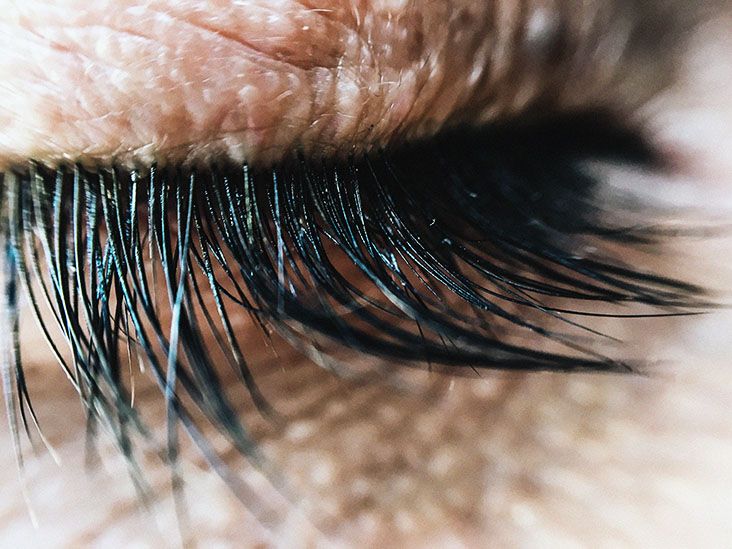
Sleeping with eyes open sounds like something a cartoon villain does while guarding a treasure chest. In real life, it is usually much less dramaticbut it can still be uncomfortable, annoying, and potentially harmful to the surface of the eye. The medical term is nocturnal lagophthalmos, which means the eyelids do not fully close during sleep.
Many people who sleep with their eyes open have no idea it is happening. They simply wake up with dry, gritty, red, or burning eyes and assume the culprit is screen time, allergies, old mascara, bad sleep, or the ceiling fan that works like a tiny desert storm. Sometimes those factors do play a role, but if symptoms are worse in the morning, incomplete eyelid closure may be part of the story.
The good news is that treatment is often simple. Artificial tears, nighttime ointment, moisture goggles, eyelid taping, and treating the underlying cause can make a major difference. In more severe cases, an eye doctor may recommend specialized procedures to help the eyelids close more completely and protect the cornea.
What does it mean to sleep with your eyes open?
Sleeping with eyes open does not always mean the eyes are wide open like someone surprised by a plot twist. In many cases, the eyelids are only slightly parted. That small gap can still expose the corneathe clear front surface of the eyeto air while you sleep.
Normally, closed eyelids act like a soft blanket for the eyes. They reduce tear evaporation, block light, protect the cornea from dust and air movement, and help maintain a healthy tear film. When the eyelids remain partly open, tears may evaporate too quickly. Over time, the surface of the eye may become irritated, inflamed, or damaged.
Nocturnal lagophthalmos may affect one eye or both eyes. Some people also have daytime lagophthalmos, meaning they cannot fully close their eyes even while awake. Others blink incompletely, so the eye never gets a full, smooth coat of tears.
Common symptoms of sleeping with eyes open
The biggest clue is morning discomfort. If your eyes feel worse when you first wake up and gradually improve during the day, your eyelids may not be closing fully at night.
Possible signs include:
- Dry, scratchy, or gritty eyes after sleep
- Burning or stinging sensations
- Redness, especially in the morning
- Watery eyes, which can happen when dry eyes become irritated
- Blurred vision that improves after blinking or using drops
- Sensitivity to light
- A feeling that something is stuck in the eye
- Eye fatigue or soreness
- Frequent waking because the eyes feel uncomfortable
Some people discover the issue because a partner, roommate, parent, or very observant pet notices that their eyes are slightly open during sleep. Others find out only after an eye exam.
Is sleeping with eyes open dangerous?
It can be safe in mild cases when the eye surface remains healthy and symptoms are controlled. However, untreated nocturnal lagophthalmos can become a problem because the cornea needs moisture and protection. Think of the cornea as a windshield that must stay smooth and clear. When it dries out repeatedly, vision and comfort can suffer.
The main risk is exposure keratopathy, a condition that occurs when the cornea becomes irritated or damaged from being exposed to air. Mild exposure may cause dryness and redness. More serious exposure can lead to corneal abrasions, inflammation, infection risk, ulcers, scarring, and vision changes.
Most people do not need to panic. They do need to pay attention. Eye pain, worsening redness, cloudy vision, discharge, severe light sensitivity, or a feeling of a scratched eye should be checked quickly by an eye care professional. Sudden facial weakness, drooping on one side of the face, trouble speaking, or sudden vision changes require urgent medical attention.
What causes sleeping with eyes open?
Nocturnal lagophthalmos is not a single-cause condition. It is a symptom of the eyelids not sealing properly during sleep. The reason may involve the facial nerve, eyelid anatomy, previous surgery, injury, or another health condition.
1. Facial nerve weakness or paralysis
The eyelids close with help from a facial muscle called the orbicularis oculi. If the facial nerve does not send strong signals to that muscle, the eyelid may not close fully. This can happen with Bell’s palsy, facial trauma, tumors affecting the facial nerve, infections, or other nerve-related conditions.
Bell’s palsy is a common example. It can cause sudden weakness on one side of the face, making it difficult to smile evenly or close the eye on the affected side. When the eye cannot close, protecting it becomes a priority while the nerve recovers.
2. Stroke or neurological disease
Some neurological conditions can affect facial movement, blinking, or eyelid control. A stroke can cause facial weakness, and certain movement disorders may reduce blinking. If sleeping with eyes open begins suddenly along with facial drooping, weakness, confusion, speech trouble, or loss of balance, treat it as an emergency.
3. Eyelid surgery or cosmetic procedures
Some people develop lagophthalmos after eyelid surgery, especially if too much skin is removed or swelling temporarily prevents full closure. Procedures around the eyes can be helpful for vision or appearance, but the eyelids must still close comfortably afterward. If the eye feels exposed after surgery, follow up with the surgeon or an ophthalmologist.
4. Thyroid eye disease
Thyroid eye disease can cause the eyes to bulge forward, a condition called proptosis. When the eye sits more prominently, the eyelids may have trouble covering the entire surface. This can increase dryness, irritation, and nighttime exposure.
5. Eyelid scarring, trauma, or skin tightening
Scarring from injury, burns, infection, or previous procedures can make the eyelids stiff or shortened. If the eyelid cannot stretch normally, it may leave part of the eye uncovered.
6. Naturally shallow eyelid closure
Some people simply do not close their eyelids completely during deep sleep. This may run in families or become more noticeable with age as eyelid tissues change. Babies and young children may occasionally sleep with their eyes partly open, and many outgrow it. However, persistent redness, discharge, or irritation should still be evaluated.
7. Dry eye and environmental triggers
Dry air does not usually cause lagophthalmos by itself, but it can make symptoms worse. Fans, air conditioning, heaters, smoke, dust, and low humidity may increase tear evaporation. If your bedroom feels like a wind tunnel with pillows, your eyes may file a formal complaint by morning.
How doctors diagnose nocturnal lagophthalmos
An eye doctor can often diagnose lagophthalmos by examining how well the eyelids close. They may ask about morning symptoms, previous facial weakness, thyroid disease, eye surgery, trauma, medications, and whether anyone has seen your eyes open during sleep.
The exam may include checking blink strength, eyelid position, corneal health, tear quality, and tear quantity. The doctor may use a special dye called fluorescein to look for dry spots, scratches, or damage on the cornea. They may also measure tear production or evaluate whether the eyelids turn inward or outward.
If the cause is unclear, your doctor may recommend additional evaluation, especially if there are signs of facial nerve problems, thyroid eye disease, or neurological symptoms.
Treatment for sleeping with eyes open
Treatment depends on the cause and severity. The goal is simple: keep the eye moist, protected, and closed enough to prevent damage. Mild cases may improve with home care and over-the-counter products. More serious cases require medical treatment.
Artificial tears during the day
Artificial tears can help replace moisture and reduce irritation. Preservative-free drops may be recommended if you need them frequently, because some preservatives can irritate sensitive eyes when used many times a day. Avoid “redness relief” drops unless your doctor recommends them, because they may not treat the real dryness problem and can sometimes worsen irritation with repeated use.
Lubricating ointment or gel at night
Nighttime ointments and gels are thicker than regular drops, so they stay on the eye longer during sleep. They can blur vision, which is why they are usually used right before bed rather than before driving, reading, or attempting to locate your phone charger in the dark.
Eyelid taping
Some people gently tape the eyelids closed at night using medical-grade tape. This should be done carefully. The goal is to support closure, not to press on the eyeball or irritate the skin. A doctor can show the safest technique, especially for people with sensitive skin, eyelid surgery history, or facial weakness.
Moisture goggles or sleep masks
Moisture goggles create a humid environment around the eyes. A sleep mask may also reduce air exposure, although it should fit comfortably and not press hard on the eyes. These options can be useful for people who sleep near fans, vents, or dry indoor air.
Bedroom adjustments
Small changes can help. Move fans away from the face, avoid sleeping directly under air vents, consider a humidifier, and reduce smoke or dust exposure. If allergies contribute to eye irritation, managing them may also improve comfort.
Treating the underlying condition
If lagophthalmos is caused by Bell’s palsy, thyroid eye disease, injury, infection, or another medical condition, treating that condition is essential. Eye protection is often needed while the main problem improves. In facial paralysis, for example, the eye may need lubrication, patching, taping, or other protection until eyelid strength returns.
Special contact lenses
In selected cases, doctors may recommend scleral lenses or other protective lenses. These lenses can help maintain a fluid reservoir over the cornea and protect the eye surface. They are not a casual “borrow your friend’s contacts” solution; they require professional fitting and follow-up.
Surgical options
If conservative treatments are not enough, surgery may help the eyelids close better. Options may include placing a tiny gold or platinum weight in the upper eyelid, tightening or repositioning eyelids, correcting eyelid scarring, or partially closing the eyelids with a procedure called tarsorrhaphy. The best option depends on the cause, severity, eye health, and whether the condition is temporary or permanent.
Safety tips for protecting your eyes at night
For many people, safety comes down to consistency. A nighttime routine may sound boring, but the cornea loves boring. It prefers steady moisture, gentle protection, and fewer surprises.
- Use lubricating drops or ointment exactly as recommended.
- Do not sleep with a fan blowing directly at your face.
- Avoid rubbing irritated eyes in the morning.
- Use clean hands before applying drops, ointment, tape, or masks.
- Replace eye products before they expire.
- Do not use someone else’s eye drops or contact lenses.
- Seek care if symptoms worsen or do not improve.
If you wake with severe pain, sudden vision changes, heavy discharge, or intense light sensitivity, do not wait for the eye to “sleep it off.” The eye has already tried sleeping, and apparently it did not go well.
Can children sleep with their eyes open?
Yes, some children sleep with their eyes partly open. In many cases, it is harmless and temporary. Parents may notice a small gap between the eyelids during naps or deep sleep. If the child wakes comfortable, has no redness, and sees normally, it may not require treatment.
However, persistent eye redness, discharge, light sensitivity, frequent rubbing, complaints of pain, or visible difficulty closing the eyelids should be checked. Children may not describe dryness clearly, so behavior matters. A child who avoids light, rubs one eye repeatedly, or wakes cranky with irritated eyes may need an exam.
When should you see a doctor?
Make an appointment with an eye care professional if you regularly wake with dry, painful, red, or gritty eyes. You should also seek care if someone notices your eyes remain open during sleep, especially if symptoms are new or affect only one eye.
Get urgent care if you have:
- Sudden facial drooping or weakness
- Sudden vision loss or major vision changes
- Severe eye pain
- Cloudy or hazy cornea
- Thick discharge from the eye
- Extreme light sensitivity
- Eye symptoms after trauma or chemical exposure
These symptoms may point to a more serious eye or neurological condition. Fast treatment can protect vision and reduce complications.
Living with nocturnal lagophthalmos: practical experiences and lessons
People who deal with sleeping with eyes open often describe the same frustrating pattern: they wake up feeling as if their eyes spent the night at a beach without sunglasses. The room may be perfectly normal, but the eyes feel sandy, dry, and offended. One person may blame allergies for months. Another may switch pillows, change laundry detergent, replace mascara, drink more water, and still wake up with one eye feeling like it personally fought a tiny cactus.
A common experience is not knowing the eyes are open during sleep until someone else notices. A partner might say, “Do you know your eyes are partly open when you sleep?” This is rarely the most romantic bedtime observation, but it can be extremely useful. Some people test it by recording themselves sleeping, though this can also reveal bonus discoveries such as snoring, blanket theft, or dramatic pillow wrestling.
Another real-world lesson is that morning symptoms matter. Many dry eye conditions worsen later in the day after screen use, reading, driving, or exposure to dry air. Nocturnal lagophthalmos often feels worst right after waking because the eye has been exposed for hours. People may notice that blinking several times, using drops, or taking a warm shower helps temporarily, only for the same discomfort to return the next morning.
Treatment experiences vary. Some people do well with a simple routine: preservative-free artificial tears during the day, lubricating ointment at bedtime, and moving the fan away from the bed. Others need moisture goggles or careful eyelid taping. Taping can feel strange at first. The first night may involve checking the mirror twice and wondering whether the whole setup looks like a low-budget science experiment. But for some, the relief in the morning is worth the awkwardness.
People with facial nerve weakness often have a more intense experience. When one eye will not close after Bell’s palsy or facial trauma, eye care becomes part of daily life. Drops, ointment, protective glasses, and nighttime patching may be necessary. This can feel inconvenient, but it is not cosmetic fussinessit is cornea protection. The goal is to prevent dryness, scratches, and exposure damage while the nerve heals or while longer-term treatment is planned.
One important lesson is not to ignore symptoms just because they seem small. A little dryness can be manageable. Repeated exposure can become a bigger issue. People often wait until redness, pain, or blurry vision forces them to schedule an exam. Earlier care is easier. An eye doctor can confirm whether the eyelids are closing, check for corneal damage, and recommend a routine that fits the person’s actual risk level.
Daily habits also make a difference. A humidifier, fewer direct air drafts, clean pillowcases, smart screen breaks, and consistent nighttime lubrication can all support comfort. The best routine is the one a person can actually follow. If a treatment feels impossible, uncomfortable, or messy, it is worth telling the doctor rather than quietly abandoning it. There is usually another option.
Living with sleeping eyes open is manageable once the cause is understood. It may be odd, but it is not a character flaw, a sleep personality, or proof that someone is secretly a vigilant owl. It is usually a treatable eyelid closure problem. With the right protection, most people can wake up with calmer eyesand fewer mornings that begin with a dramatic squint at the bathroom light.
Conclusion
Sleeping with eyes open, or nocturnal lagophthalmos, happens when the eyelids do not fully close during sleep. It may be mild and temporary, or it may be linked to facial nerve weakness, eyelid surgery, thyroid eye disease, trauma, scarring, or other medical conditions. The main concern is not how unusual it looks; it is whether the exposed eye surface becomes dry or damaged.
Treatment often begins with moisture and protection. Artificial tears, nighttime ointment, moisture goggles, eyelid taping, and bedroom adjustments may help. If symptoms persist, an eye doctor can check the cornea, identify the cause, and recommend advanced treatments such as special lenses or eyelid procedures. The safest approach is simple: take morning eye symptoms seriously, protect the cornea, and get medical care when symptoms are persistent, painful, or sudden.