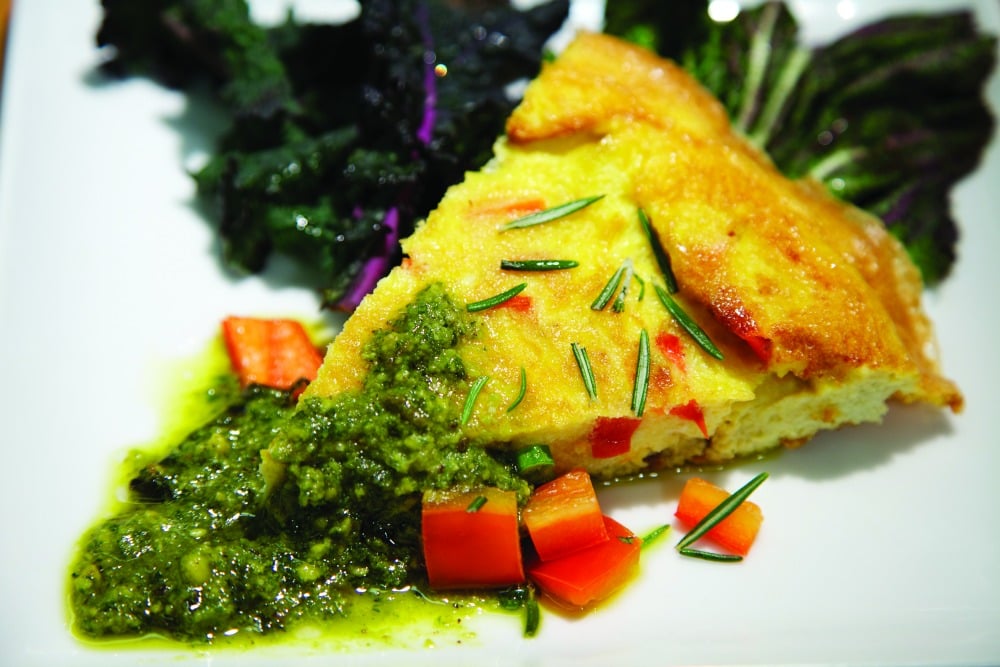
A Spanish frittata is what happens when humble potatoes, eggs, onions, and olive oil decide to dress up for dinner. Golden outside, tender inside, and substantial enough for breakfast, lunch, or dinner, this skillet dish delivers impressive flavor without an extravagant grocery list.
In Spain, the traditional version is known as tortilla española or tortilla de patatas. Despite the name, it contains no flour or corn tortilla. It is a thick potato omelet commonly served in wedges as a tapa, tucked into bread as a sandwich, or placed beside a crisp salad for an easy meal.
This recipe uses a stovetop-to-broiler method, giving home cooks the character of a classic Spanish tortilla without requiring a dramatic midair flip. Your kitchen ceiling will remain egg-free, which is always a promising start.
What Is a Spanish Frittata?
A Spanish frittata combines slowly cooked potatoes and onions with beaten eggs. The mixture is then cooked into a thick, sliceable round. Traditional Spanish versions are usually prepared entirely on the stovetop and flipped so both sides become golden. An Italian frittata, by comparison, often contains cheese, milk, herbs, meat, or vegetables and may be finished in the oven.
The recipe below sits comfortably between the two approaches. It keeps the defining Spanish ingredientspotatoes, eggs, onion, salt, and plenty of olive oilbut finishes under the broiler for convenience.
Why This Recipe Works
- Yukon Gold potatoes hold their shape while developing a creamy texture.
- Slow cooking prevents the potatoes from becoming crunchy or deeply fried.
- Resting the potatoes in the eggs helps the layers bind together.
- A 10-inch skillet produces a thick frittata that remains moist inside.
- The broiler sets the top without forcing you to flip a half-cooked omelet.
Easy Spanish Frittata Recipe
Prep time: 20 minutes
Cook time: 35 minutes
Resting time: 10 minutes
Total time: About 1 hour and 5 minutes
Yield: 6 main-dish servings or 8 appetizer portions
Ingredients
- 1 1/2 pounds Yukon Gold potatoes, peeled
- 1 medium yellow onion, halved and thinly sliced
- 8 large eggs
- 3/4 cup extra-virgin olive oil, plus more for the skillet
- 1 1/4 teaspoons kosher salt, divided
- 1/4 teaspoon freshly ground black pepper
- 1/4 teaspoon smoked paprika, optional
- 2 tablespoons chopped flat-leaf parsley, optional
Recommended Equipment
Use a sharp knife or mandoline, a large mixing bowl, a heat-resistant spatula, and a 10-inch oven-safe nonstick skillet. A well-seasoned cast-iron skillet also works, although it may require additional oil to prevent sticking.
How to Make Spanish Frittata
1. Slice the Potatoes Evenly
Cut the potatoes into slices approximately 1/8 inch thick. Consistent slices cook at the same rate, which prevents a confusing combination of raw potato coins and accidental mashed potatoes. If using a mandoline, work slowly and use the hand guard.
2. Gently Cook the Potatoes and Onion
Heat 3/4 cup olive oil in the skillet over medium-low heat. Add the potatoes, onion, and 3/4 teaspoon salt. Fold everything carefully so the slices are coated in oil.
Cook for 20 to 25 minutes, stirring gently every few minutes. The oil should bubble softly rather than sizzle aggressively. The potatoes are ready when they can be pierced easily with a knife but have not developed a crisp brown crust. You are creating silky layers, not breakfast fries.
3. Drain and Reserve the Oil
Place a heat-safe strainer over a bowl. Carefully transfer the potato mixture to the strainer and let it drain for about five minutes. Reserve the flavorful olive oil. It can be refrigerated and used for sautéing vegetables, roasting potatoes, or making another Spanish frittata.
4. Combine the Eggs and Potatoes
Whisk the eggs with the remaining salt, black pepper, and smoked paprika, if using. Fold in the warm potatoes and onions without aggressively breaking them apart. Let the mixture rest for 10 minutes. This brief pause allows the potatoes to absorb some egg while their residual warmth begins thickening the mixture.
5. Cook the Bottom
Position an oven rack several inches below the broiler and preheat it. Wipe out the skillet, return it to medium heat, and add one tablespoon of the reserved oil.
Pour in the egg and potato mixture, spreading it evenly. Reduce the heat to medium-low and cook for four to six minutes. Run a spatula around the edge occasionally. The bottom should be golden and stable, while the top remains visibly loose.
6. Finish Under the Broiler
Transfer the skillet beneath the broiler for two to four minutes. Watch closely because broilers can move from “gently golden” to “tiny surface of the sun” with little warning. Remove the skillet when the top is lightly browned and the center is set.
For food safety, the center of an egg dish should reach 160°F when checked with an instant-read thermometer. This is especially important when serving children, pregnant people, older adults, or anyone with a weakened immune system.
7. Rest and Serve
Allow the Spanish frittata to rest in the skillet for 10 minutes. Loosen the edge with a spatula, place a serving plate over the skillet, and carefully invert. Alternatively, serve it directly from the pan. Sprinkle with parsley and cut into wedges or small tapas-style squares.
Traditional Stovetop Flipping Method
For a more traditional finish, skip the broiler. Once the bottom is golden and the edges are set, place a flat plate larger than the skillet over the pan. Wearing oven mitts, hold the plate firmly and invert the skillet in one confident motion.
Add a little reserved oil to the pan, slide the frittata back in, and cook the second side for another three to four minutes. Confidence helps, but a plate with a raised rim helps even more. Perform the maneuver over the sink the first time in case your frittata develops ambitions of independence.
Common Spanish Frittata Mistakes
Browning the Potatoes Too Quickly
High heat can produce crisp edges before the centers soften. Keep the oil at a gentle bubble and reduce the heat if the potatoes begin browning early.
Using Too Large a Skillet
A wide pan spreads the mixture into a thin layer that cooks rapidly and becomes dry. A 10-inch skillet creates a satisfyingly thick Spanish potato frittata with a tender center.
Overloading the Eggs
Extra vegetables, meat, and cheese may sound exciting, but too many additions can prevent the eggs from holding everything together. Keep optional ingredients modest and cook away excess moisture before adding them.
Cooking Until the Center Is Rubbery
The eggs continue cooking during the resting period. Remove the skillet as soon as the center reaches a safe temperature and no liquid egg remains. Excess heat can turn a velvety frittata into a remarkably efficient kitchen sponge.
Flavor Variations
Chorizo and Pepper
Brown four ounces of diced Spanish chorizo and add it with 1/3 cup of sliced roasted red or piquillo peppers. Use cured Spanish chorizo rather than raw Mexican-style chorizo for a firmer texture and smoky flavor.
Spinach and Manchego
Fold in one cup of cooked, thoroughly drained spinach and 1/2 cup of shredded Manchego. Removing moisture from the spinach keeps the eggs from becoming watery.
Potato Chip Shortcut
For a playful shortcut, replace fresh potatoes with thick-cut potato chips. Soak the chips briefly in the beaten eggs before cooking. The result is not identical to the classic, but it is surprisingly satisfying and useful when dinner needs to happen before anyone becomes unreasonable.
What to Serve With Spanish Frittata
Serve warm wedges with a peppery green salad, roasted vegetables, crusty bread, or tomatoes dressed with olive oil and sherry vinegar. Garlic aioli, romesco sauce, or a spoonful of herbed yogurt provides a bright contrast to the rich potatoes and eggs.
For a tapas spread, cut the frittata into small squares and serve it with olives, Marcona almonds, Manchego cheese, roasted peppers, and slices of Spanish ham. It also makes an excellent sandwich filling when placed inside a crusty roll with tomato and aioli.
Storage and Reheating
Do not leave the frittata at room temperature for more than two hours, or more than one hour when the surrounding temperature is above 90°F. Refrigerate leftovers in an airtight container for up to four days.
Spanish frittata can be eaten chilled, brought briefly toward room temperature within safe limits, or reheated. Warm individual wedges in a 325°F oven until they reach 165°F. Microwaving also works, although short intervals at moderate power help prevent rubbery eggs.
Frequently Asked Questions
Is Spanish frittata the same as tortilla española?
The terms are often used interchangeably in American recipes. In Spain, the conventional name is tortilla española or tortilla de patatas. “Spanish frittata” is a familiar English description, particularly when the dish is finished in the oven.
Are onions traditional?
That question has fueled passionate arguments for generations. Some cooks consider onion essential because it adds sweetness and moisture; others insist that eggs, potatoes, oil, and salt are all the dish needs. Use onion if you enjoy it. The breakfast police are not coming.
Can it be made ahead?
Yes. Prepare it one day in advance, refrigerate it promptly, and serve it chilled or reheated. The texture becomes firmer after refrigeration, making it particularly easy to cut into neat appetizer portions.
Can boiled potatoes be used?
They can, but gently cooking raw slices with onion in olive oil creates deeper flavor and a more cohesive texture. Leftover boiled potatoes are best reserved for a faster weeknight adaptation.
A Home Cook’s Experience With Spanish Frittata
The First Attempt: A Lesson in Patience
The first Spanish frittata experience often begins with suspiciously simple ingredients. Potatoes, onion, eggs, and oil hardly look capable of creating anything memorable. Then the slicing starts, followed by what seems like an unreasonable quantity of olive oil. The natural impulse is to increase the heat and get things moving.
That impulse is exactly where trouble begins. Potatoes browned over high heat may look delicious, but their firm centers resist the eggs rather than melting into them. The more successful approach feels almost too gentle: low heat, quiet bubbling, and occasional folding. Once the potatoes become soft enough to bend against the spatula, the logic of the recipe becomes clear.
Discovering the Right Texture
The biggest revelation is that an excellent Spanish potato frittata should not resemble a dry breakfast casserole. Its interior is compact but tender, with distinct potato layers held together by softly cooked egg. The olive oil contributes flavor and creates the silky texture that makes such basic ingredients taste unexpectedly luxurious.
Resting the warm potatoes in the eggs also makes a noticeable difference. A rushed batch can separate when sliced, leaving potatoes on the plate and eggs in the pan. A short rest gives the ingredients time to become acquainted. They may not exchange phone numbers, but they do form a much stronger frittata.
Facing the Famous Flip
The traditional flip is the moment that makes many cooks reconsider the broiler. The skillet is hot, the center is loose, and the serving plate suddenly seems much smaller than it did five minutes earlier. Practicing with a lightweight, smaller frittata helps. So does choosing a plate without a deep rim and performing the flip over the sink.
Even an imperfect flip is rarely a disaster. Torn sections can be nudged back into place before the second side cooks. Once inverted onto a platter and cut into wedges, most cosmetic damage disappears. Parsley is not merely an herb; it is also highly effective public relations.
The Brunch Test
Spanish frittata performs especially well when guests are involved. Unlike scrambled eggs, it does not demand last-minute cooking while everyone else drinks coffee and offers unhelpful observations. It can rest, travel, and be served warm or chilled. One pan feeds several people, and smaller squares turn it into an easy appetizer.
A simple brunch pairing of Spanish frittata, dressed greens, toasted bread, and sliced tomatoes feels complete without becoming heavy. Guests may assume the layered potatoes required advanced culinary engineering. There is no obligation to explain that the hardest part was waiting patiently beside a skillet.
The Leftover Surprise
Refrigerated leftovers become firmer but remain flavorful. A wedge makes a practical breakfast, while a slice tucked into crusty bread becomes a hearty lunch. The second-day version is particularly good with aioli, roasted peppers, or a sharp salad.
Ultimately, making Spanish frittata teaches a useful kitchen lesson: simple food offers nowhere for careless technique to hide, but it also rewards small improvements. Even when the first batch is uneven, slightly cracked, or more rustic than planned, it still tastes like potatoes, eggs, onions, and olive oil working very hard on your behalf.
Conclusion
Spanish frittata proves that an inexpensive meal can be rich, versatile, and worthy of company. Cook the potatoes gently, allow them to rest with the eggs, and stop cooking before the interior becomes dry. Whether you finish it beneath the broiler or attempt the classic flip, the result is a golden, satisfying dish suited to nearly any time of day.