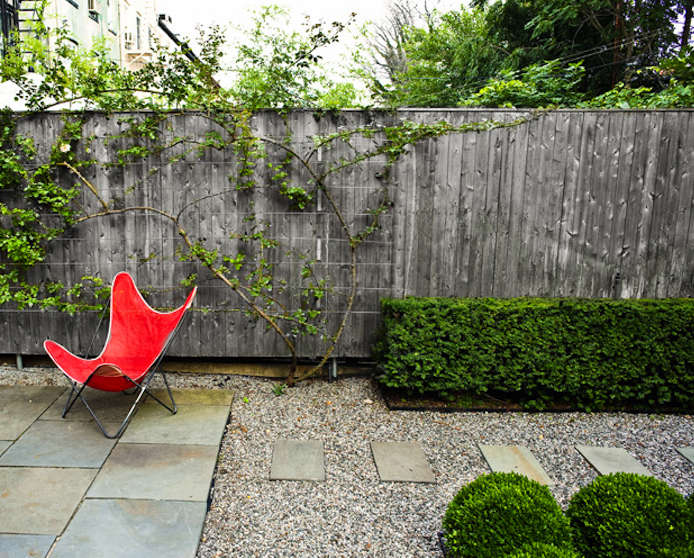
A modern Brooklyn backyard has a very specific magic trick to perform: it must feel stylish, relaxed, private, durable, and wildly intentional while often being about the size of a polite handshake. The good news? You do not need a trust fund, a landscape architect on speed dial, or a backyard big enough to host a minor music festival. With smart planning, clean lines, budget materials, and a few design choices that punch above their price, you can create a modern outdoor retreat that feels more boutique townhouse than “forgotten patch behind the recycling bins.”
The idea behind “Steal This Look: Modern Brooklyn Backyard on a Budget” is simple: borrow the principles that make high-end urban gardens look polished, then translate them into affordable, realistic moves. Brooklyn backyards are often narrow rectangles with fences, neighboring windows, patchy sunlight, and a strong possibility that someone’s cat has already claimed diplomatic rights. But these same limitations can become design advantages. A rectangular yard loves symmetry. A small footprint rewards restraint. A fence becomes a vertical garden. A simple gravel patio becomes an outdoor room.
This guide breaks down how to get the look: modern, calm, functional, and budget-conscious. Think pea gravel, simple pavers, black planters, warm wood, ornamental grasses, string lights, folding furniture, container herbs, and enough greenery to convince your friends you have your life together.
What Makes a Modern Brooklyn Backyard Work?
A successful modern Brooklyn backyard usually depends on three big ideas: structure, contrast, and purpose. Structure gives the space order. Contrast keeps it interesting. Purpose makes sure you actually use it instead of admiring it through the kitchen window while eating cereal at 10 p.m.
Modern backyard design is not about filling every corner with something cute. In fact, the fastest way to make a small backyard look expensive is to stop treating it like a yard sale with mulch. A modern look favors clean geometry, repeated materials, simple furniture, and intentional planting. If you choose three main materials and repeat them confidently, the whole space starts to look designed rather than decorated by panic.
The Brooklyn Backyard Formula
For a budget-friendly modern backyard, use this simple formula:
- One main ground material: pea gravel, concrete pavers, decking tiles, or a simple patio surface.
- One strong border: a fence, planter row, hedge, or trellis wall.
- One gathering zone: dining table, lounge chairs, bench, or bistro set.
- One plant palette: repeat a few reliable plants instead of buying one of everything.
- One lighting layer: string lights, lanterns, solar path lights, or wall sconces.
That is the whole secret. Well, that and resisting the urge to buy a ceramic frog wearing sunglasses. Stay strong.
Start With a Plan Before Buying Anything
The least glamorous part of a beautiful backyard is measuring. Unfortunately, it is also the part that saves you from buying a sectional sofa that blocks the back door like a velvet security guard. Before shopping, measure the yard and sketch it roughly. Mark the door, windows, fences, existing trees, shady areas, sunny areas, drain locations, and any awkward corners.
Then decide what the backyard must do. A modern Brooklyn backyard usually has room for two or three functions at most. Maybe you want morning coffee, small dinners, and container gardening. Maybe you want a play area, a grill station, and a place to sit after work. Maybe you want privacy so complete that even your neighbor’s basil plant minds its business.
Once the functions are clear, divide the yard into zones. In a narrow rectangular backyard, the simplest layout is often the best: dining or seating near the house, open space in the middle, planting along the edges, and a focal point at the far end. That focal point could be a small tree, a bench, a raised planter, a sculpture, or even a dark-painted fence with climbing vines.
Budget Ground Cover: The Foundation of the Look
The ground plane is where a backyard either starts looking modern or starts looking like a place where lawn chairs go to retire. For a Brooklyn backyard on a budget, you want a surface that is clean, low-maintenance, and visually calm.
Pea Gravel
Pea gravel is one of the great budget heroes of urban backyard design. It is affordable, drains well when installed properly, and instantly gives a space that casual-but-designed feeling. Use metal edging, pressure-treated wood, or paver borders to keep the gravel contained. Without edging, pea gravel will migrate like it has weekend plans.
For comfort, choose smaller rounded gravel and install it over compacted base material and landscape fabric. Add large stepping stones or concrete pavers through the gravel for easier walking and a more graphic, modern look.
Concrete Pavers
Concrete pavers are another smart option. Large square or rectangular pavers create clean lines and make a small space feel organized. You can space them with gravel joints, plant low ground cover between them, or arrange them as a simple patio. The look feels modern because of the geometry, not because the material is expensive.
Deck Tiles
Snap-together deck tiles can work well for renters or homeowners who want a quick refresh. They are especially useful over tired concrete slabs. Choose a simple wood-look or composite tile and keep the layout consistent. Pattern chaos is not modern; it is what happens when a patio has too much coffee.
Create Privacy Without Building a Fortress
Privacy is a major part of the Brooklyn backyard dream. The challenge is to screen views without making the space feel boxed in. Tall solid fencing can be effective, but it can also turn a narrow yard into a stylish shipping container. The more budget-friendly and pleasant solution is layered privacy.
Use the Fence as a Design Surface
If your fence is structurally sound but visually tired, paint or stain can do a lot. Matte black, charcoal, warm cedar, and deep olive are excellent modern choices. A dark fence visually recedes, making plants stand out and the yard feel deeper. A warm wood tone adds softness and works beautifully with gravel, concrete, and black furniture.
If replacing a fence is too expensive, consider adding horizontal slat panels only where you need the most privacy. Use them behind a seating area or along the most visible boundary. Partial upgrades can look intentional when repeated in two or three places.
Add Vertical Greenery
Climbing plants, trellises, wall planters, and tall container shrubs give privacy without eating precious floor space. In sunny areas, consider clematis, climbing roses, jasmine in containers, or espaliered fruit trees. In part shade, try climbing hydrangea where conditions allow, or use tall planters with shade-tolerant foliage.
For instant budget privacy, tall grasses in large planters can be surprisingly effective. They move in the breeze, soften hard edges, and make your backyard feel less like a courtyard and more like an actual retreat.
Choose a Tight Plant Palette
The most expensive-looking gardens rarely contain random plant collections. They repeat. Repetition is the difference between “modern landscape” and “I got emotionally vulnerable at the garden center.”
For a modern Brooklyn backyard, choose five to seven plant types and repeat them. Mix structure, softness, height, and seasonal interest. You do not need dozens of species. You need the right few, used confidently.
Budget-Friendly Plant Ideas
- Ornamental grasses: Great for movement, texture, and a relaxed modern look.
- Boxwood alternatives: Use inkberry holly or compact native shrubs where appropriate for a similar structured effect.
- Hostas: Excellent for shady corners and available in many sizes and colors.
- Ferns: Perfect for softening fence lines in shade.
- Hydrangeas: Classic in Brooklyn-style gardens, especially along borders.
- Herbs: Rosemary, thyme, mint, basil, parsley, and chives are useful and attractive in containers.
- Small trees: Serviceberry, Japanese maple, or dwarf fruit trees can create a strong focal point.
When in doubt, buy fewer plants in larger sizes only where it matters, then fill in with smaller perennials that will grow over time. A backyard does not have to be finished on day one. Gardens are allowed to have awkward teenage years.
Use Containers Like Architecture
Containers are essential in small urban backyards. They add height, define zones, improve privacy, and let you garden even where soil quality is questionable. In a modern design, the container itself matters. Choose simple shapes and repeat them.
Black fiberglass planters, galvanized tubs, terracotta pots, concrete-look containers, and cedar planter boxes can all work. The trick is consistency. Three matching rectangular planters along a fence look intentional. Twelve unrelated pots lined up like a plant audition look messy.
The “Big Pot” Rule
Small pots dry out quickly and create clutter. Larger containers hold more soil, support healthier plants, and look calmer. If your budget is tight, buy fewer large containers instead of many small ones. This is one of the easiest ways to make a backyard feel more designed.
For edible planting, use containers deep enough for the crops you want to grow. Herbs and greens can thrive in shallower containers, while tomatoes, eggplants, peppers, and larger vegetables need deeper soil and steady watering.
Furniture: Keep It Slim, Simple, and Useful
In a small backyard, furniture must earn its rent. Avoid oversized outdoor sectionals unless the only activity planned is “sitting very dramatically.” Instead, choose pieces that match the scale of the space.
Best Budget Furniture Choices
- Folding bistro sets: Great for tiny patios and easy to store.
- Backless benches: Visually light and useful for seating or displaying plants.
- Stackable chairs: Practical for entertaining without permanent clutter.
- Simple wood dining tables: Warm up modern materials and age nicely with care.
- Outdoor stools: Work as seats, side tables, or plant stands.
Modern does not mean uncomfortable. Add cushions in solid colors, a weather-resistant outdoor rug, and a few pillows. Just avoid making the yard look like an indoor living room that got lost.
Lighting Makes the Backyard Feel Finished
Lighting is the fastest way to make a budget backyard look expensive after sunset. It also helps you use the space more often, which is the entire point. A backyard that only looks good at noon is basically a houseplant with square footage.
String lights are the classic choice, and for good reason. They are affordable, flattering, and instantly festive. For a more modern look, hang them in straight lines rather than swoops. Attach them to fence posts, exterior walls, or simple poles set in planters.
Solar path lights can highlight pavers or planting beds. Battery-powered lanterns work well on dining tables. Low-voltage landscape lights cost more upfront but are worth considering if you want a long-term upgrade.
Add a Focal Point at the Far End
A narrow Brooklyn backyard benefits from a destination. Place something visually strong at the far end to pull the eye forward and make the space feel deeper. This could be a bench, raised planter, small tree, water bowl, mirror, sculpture, or painted wall panel.
A simple bench backed by tall planters can look elegant and cost far less than a full hardscape renovation. Add gravel underfoot, a few repeated plants, and a light above it, and suddenly the far end of the yard becomes a moment. Designers love “moments.” Homeowners love places to drink iced coffee. Everybody wins.
Budget Materials That Look High-End
The modern Brooklyn backyard look is not about expensive materials; it is about using affordable materials cleanly. Here are some budget-friendly choices that work beautifully:
- Pea gravel: Soft, relaxed, and affordable for patios and paths.
- Concrete pavers: Modern, graphic, and easy to arrange.
- Cedar boards: Great for planter boxes, benches, and fence accents.
- Galvanized metal: Useful for planters and storage with an urban edge.
- Black exterior paint: Transforms fences, planters, and old furniture.
- Outdoor fabric: Adds color and comfort without permanent commitment.
- Mulch: Cleans up planting beds and helps retain moisture.
Spend where touch and durability matter: seating, containers, and the surface underfoot. Save on accessories, plant starts, DIY planters, and seasonal decor.
How to Phase the Project Without Losing the Vision
A budget backyard does not have to happen in one exhausting weekend. In fact, phasing the work often leads to better decisions. Start with cleanup, measurement, and layout. Then install the ground surface. Next add the biggest elements: planters, seating, lighting, and privacy. Finally, layer in plants and accessories.
Phase One: Clean and Edit
Remove broken furniture, dead plants, mystery buckets, and anything that makes the yard feel like a storage unit with birds. Prune what can be saved. Power-wash surfaces if possible. Sometimes the cheapest makeover is discovering the patio you already own under three years of city grime.
Phase Two: Define the Floor
Add gravel, pavers, deck tiles, mulch paths, or a cleaned-up patio area. This immediately gives the backyard structure and makes every later purchase look more intentional.
Phase Three: Add Privacy and Seating
Install trellises, paint the fence, place tall planters, and bring in furniture. At this stage, the backyard becomes usable even before the planting is complete.
Phase Four: Plant in Layers
Add the tallest plants first, then medium shrubs and perennials, then ground covers, herbs, and seasonal annuals. This creates depth and avoids the “flat border” problem.
Modern Brooklyn Backyard Style Ideas
To make the design feel cohesive, choose a style direction before shopping. Here are three budget-friendly versions of the modern Brooklyn backyard look.
1. Black, Gravel, and Green
This is the most classic modern urban formula. Use pea gravel underfoot, black planters, a dark fence, and green plants with strong shapes. Add a wood bench or table to warm it up. The result is clean, dramatic, and surprisingly forgiving.
2. Warm Wood and Soft Planting
Use cedar planters, wood furniture, pale gravel, soft grasses, ferns, and hydrangeas. This look feels relaxed and family-friendly but still modern. It works especially well in brownstone backyards where brick and old wood already add character.
3. Concrete, White, and Edible Greenery
Use concrete pavers, white or light-gray planters, herbs, dwarf vegetables, and a slim dining set. This style feels bright and minimal, ideal for sunny yards where you want a clean outdoor kitchen-garden vibe.
Small Backyard Mistakes to Avoid
Budget design is not just about what to buy. It is also about what not to buy. Avoid these common mistakes:
- Buying furniture first: Layout should come before shopping.
- Using too many materials: Three main materials are usually enough.
- Choosing tiny pots: They dry out fast and create visual clutter.
- Ignoring shade: Plants and seating must match real light conditions.
- Forgetting storage: Cushions, tools, and toys need somewhere to disappear.
- Overdecorating: Let plants, light, and structure do the work.
The biggest mistake is trying to make a small backyard do everything. A tiny urban garden does not need a fire pit, outdoor kitchen, hammock, dining table, yoga platform, raised vegetable beds, fountain, and movie screen. That is not a backyard; that is a lifestyle résumé.
A Sample Budget Breakdown
Costs vary widely by location, materials, labor, and yard condition, but here is a realistic low-budget framework for a small modern Brooklyn-style backyard refresh:
- Cleanup and disposal: $0–$300 if mostly DIY.
- Pea gravel or mulch: $150–$600 depending on size and depth.
- Concrete pavers: $100–$500 for a modest path or patio accent.
- Planters: $150–$800 depending on size and material.
- Plants: $200–$900 if phased over a season.
- Furniture: $200–$1,000 for budget to mid-range pieces.
- Lighting: $50–$300 for string lights, solar lights, or lanterns.
- Paint or stain: $40–$150 for a fence or furniture refresh.
For a very lean makeover, focus on cleanup, gravel, paint, string lights, and a few large planters. For a more complete transformation, add pavers, better seating, layered planting, and privacy screens.
Experience Notes: What Actually Works in a Budget Brooklyn Backyard
The most useful lesson from working with small backyard ideas is that budget spaces succeed when they are honest. A modest yard should not pretend to be a resort. It should become the best version of itself: practical, beautiful, low-maintenance, and personal. The best modern Brooklyn backyard does not shout. It gives you a quiet place to sit with coffee, eat dinner outside, grow basil, and briefly forget that three delivery trucks are arguing on the avenue.
One experience that comes up again and again is the power of editing. People often think a backyard makeover starts with buying new things. Usually, it starts with removing things. Old cracked pots, unused chairs, tangled hoses, leftover construction scraps, and dead plants make a small yard feel smaller. Once those are gone, the space often looks twice as large. It is deeply satisfying and costs almost nothing, which is the rare home improvement sentence that does not end in tears.
Another practical experience: gravel is forgiving, but only if installed with care. A thin layer tossed over dirt will quickly become weedy, uneven, and annoying. A better approach is to level the area, use a compacted base where needed, install edging, add landscape fabric carefully, and then spread the gravel at a comfortable depth. It takes more effort, but the result feels intentional. Add large pavers through the gravel and the yard immediately looks more expensive than it is.
Planting also benefits from patience. Many homeowners want instant lushness, which often leads to overcrowding. Plants grow. That is their whole personality. If you pack the borders too tightly, the garden may look great for one month and chaotic by next summer. A smarter approach is to buy anchor plants first: a small tree, a few shrubs, or tall grasses. Then fill in with perennials and seasonal containers. This creates a garden that improves over time instead of requiring a rescue mission.
In Brooklyn-style spaces, containers are often the unsung heroes. They solve bad soil, create privacy, and let renters or cautious homeowners experiment without committing to a full dig. Large rectangular planters along a fence can define a lounge area better than a wall. A pair of tall pots near the back door can make the transition from kitchen to garden feel elegant. Even herbs in matching containers can make a small patio feel alive and useful.
Lighting is another budget move that feels almost suspiciously effective. A yard with no lighting disappears after sunset. Add warm string lights, a few lanterns, and subtle path lights, and suddenly the same space becomes a dinner spot. The key is warm, gentle light. Harsh bright lighting makes people feel like they are being questioned by patio police.
Furniture should be tested against real life. If you mostly drink coffee outside, a small table and two comfortable chairs may be better than a full dining setup. If you host friends, stackable chairs and a flexible table make sense. If children or pets use the yard, leave open space and choose durable surfaces. A backyard should support your actual habits, not the fantasy version of you who apparently hosts candlelit garden suppers every Tuesday.
Finally, the best budget backyard has one memorable feature. It might be a black fence covered with vines, a gravel dining court, a cedar bench, a tiny herb wall, or one beautiful tree in a simple planter. You do not need ten design moments. You need one clear idea, repeated well. That is what gives a small Brooklyn backyard its modern charm: restraint, usefulness, and just enough beauty to make taking out the compost feel slightly cinematic.
Conclusion: Steal the Look, Keep the Budget
A modern Brooklyn backyard on a budget is not about copying an expensive garden piece by piece. It is about stealing the smartest ideas: symmetry, repeated materials, clean lines, layered privacy, simple furniture, and plants chosen for the actual conditions. With gravel, pavers, containers, lighting, and a disciplined plant palette, even a narrow city backyard can become a calm outdoor room.
Start small. Clean first. Measure twice. Buy fewer, better things. Repeat materials. Choose plants that will not demand a full-time emotional support team. Most importantly, design the backyard around how you really live. The result will feel modern, useful, and distinctly Brooklyn: stylish without trying too hard, practical without being boring, and budget-friendly without looking cheap.
Note: This article synthesizes practical design, landscaping, small-space gardening, and outdoor living guidance from reputable U.S. home, garden, landscape, and urban gardening resources, rewritten in original language for web publication.