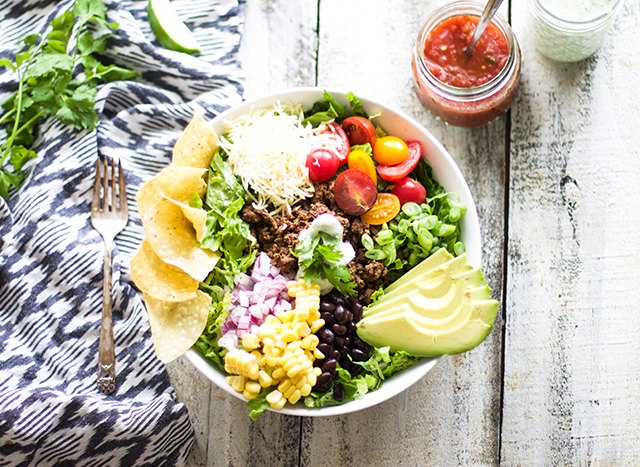
If dinner had a greatest-hits album, taco salad would be the track everyone secretly replays. It has the savory satisfaction of tacos, the fresh crunch of a big salad, the creamy goodness of dressing, and the snacky joy of tortilla chips. In other words, it is not “just a salad.” It is a full weeknight performance with lettuce as the stage and seasoned beef as the headline act.
This taco salad recipe is built for real life: busy evenings, hungry families, solo lunches, meal prep containers, and those nights when you open the fridge and hope dinner magically introduces itself. The base is crisp romaine, the protein is juicy taco-seasoned beef, and the toppings bring color, texture, and enough flavor to make your fork feel lucky. Add a quick creamy lime dressing, and suddenly your kitchen feels like it has better lighting.
Below, you’ll find an easy taco salad recipe with practical substitutions, make-ahead tips, serving ideas, and plenty of experience-based advice for keeping every bite fresh, crunchy, and satisfying.
Why This Taco Salad Recipe Works So Well
A great taco salad balances four things: warmth, crunch, creaminess, and acidity. Warm seasoned beef makes the salad hearty. Lettuce, tortilla chips, corn, onions, and tomatoes bring crunch and freshness. Cheese, avocado, sour cream, or dressing add richness. Lime juice and salsa brighten everything so the bowl tastes lively instead of heavy.
The secret is not using a mountain of toppings just because you can. The best taco salad is layered with intention. Every ingredient should bring something useful to the bowl. Romaine gives structure. Black beans add fiber and body. Tomatoes bring juiciness. Corn adds sweetness. Crushed tortilla chips make it feel fun. And the dressing ties the whole thing together like a tiny edible seatbelt.
Ingredients for the Best Weekly Taco Salad
For the Taco Meat
- 1 pound lean ground beef, ground turkey, or plant-based crumbles
- 1 tablespoon olive oil, if needed
- 2 tablespoons taco seasoning
- 1/3 cup water or salsa
- 1 tablespoon tomato paste, optional but recommended
- 1/2 teaspoon garlic powder, if your seasoning blend is mild
- Salt and black pepper, to taste
For the Salad Base
- 6 cups chopped romaine lettuce
- 1 cup cherry tomatoes, halved
- 1 cup black beans, rinsed and drained
- 1 cup corn, fresh, frozen and thawed, or canned and drained
- 1 avocado, diced
- 1/2 cup shredded cheddar, Monterey Jack, or Mexican-style cheese blend
- 1/4 cup diced red onion
- 1/4 cup chopped fresh cilantro
- 1 cup crushed tortilla chips or baked tortilla strips
- Optional: sliced jalapeño, black olives, pickled onions, pico de gallo, or green onions
For the Creamy Lime Taco Salad Dressing
- 1/2 cup sour cream or plain Greek yogurt
- 2 tablespoons mayonnaise, optional for extra richness
- 2 tablespoons fresh lime juice
- 1 tablespoon salsa or taco sauce
- 1/2 teaspoon chili powder
- 1/4 teaspoon cumin
- 1/4 teaspoon garlic powder
- 1 to 2 tablespoons milk or water, to thin
- Salt, to taste
How to Make Taco Salad Step by Step
Step 1: Prep the Fresh Ingredients
Wash the lettuce and produce under running water, then dry everything well. This matters more than most people think. Wet lettuce turns a taco salad into a sad little soup with crunchy accessories. A salad spinner is helpful, but clean kitchen towels work too. Chop the romaine into bite-size pieces, halve the tomatoes, dice the avocado, and set the toppings in small bowls if you want a build-your-own taco salad bar.
Step 2: Cook the Taco Meat
Heat a large skillet over medium-high heat. Add the ground beef and cook, breaking it into small crumbles with a spatula. If you are using very lean beef or turkey, add a little olive oil first. Cook until the meat is browned and reaches a safe internal temperature of 160°F. Drain excess fat if needed.
Stir in taco seasoning, tomato paste, and water or salsa. Simmer for 2 to 4 minutes until the mixture thickens and coats the meat. The tomato paste adds deeper flavor, while salsa brings moisture and a little tang. This small step makes the difference between “fine taco meat” and “why did everyone suddenly walk into the kitchen?” taco meat.
Step 3: Make the Dressing
In a small bowl, whisk together sour cream or Greek yogurt, mayonnaise if using, lime juice, salsa, chili powder, cumin, garlic powder, and salt. Add milk or water one tablespoon at a time until the dressing is pourable but still creamy. Taste and adjust. More lime makes it brighter. More salsa makes it bolder. A tiny pinch of sugar can soften the acidity if your lime is extra bossy.
Step 4: Assemble the Taco Salad
Add romaine lettuce to a large serving bowl. Top with tomatoes, beans, corn, red onion, cheese, avocado, cilantro, and warm taco meat. Drizzle with dressing, then finish with crushed tortilla chips right before serving. That last-minute chip move is important. Add them too early and they lose their crunch, which is basically a tiny tragedy.
Step 5: Serve Immediately
Taco salad tastes best when the beef is still warm, the lettuce is cold, and the chips are crunchy. Serve it in shallow bowls so toppings do not all fall to the bottom. Offer extra lime wedges, salsa, hot sauce, or jalapeños on the side for people who like dinner with a little dramatic flair.
Homemade Taco Seasoning Option
Store-bought taco seasoning is convenient, but homemade taco seasoning lets you control the salt, heat, and flavor. Mix 1 tablespoon chili powder, 1 teaspoon cumin, 1 teaspoon smoked paprika, 1/2 teaspoon garlic powder, 1/2 teaspoon onion powder, 1/2 teaspoon oregano, 1/4 teaspoon black pepper, and 1/4 teaspoon cayenne if you like spice. Use about 2 tablespoons per pound of meat.
Homemade seasoning is especially useful if you cook taco salad weekly. Make a small jar, label it, and give yourself a tiny kitchen victory every time you skip opening another packet.
Best Taco Salad Toppings
The beauty of taco salad toppings is that they can be practical, colorful, and completely customizable. For crunch, use tortilla chips, tostada pieces, roasted pepitas, shredded cabbage, or crispy baked tortilla strips. For creaminess, add avocado, guacamole, sour cream, Greek yogurt, or a drizzle of queso. For freshness, try pico de gallo, cilantro, green onions, shredded lettuce, or lime wedges.
If you want extra protein, add grilled chicken, shrimp, tofu, or roasted chickpeas. If you want more fiber, use pinto beans, black beans, or a scoop of cooked quinoa. If you want more heat, sliced jalapeños, chipotle salsa, hot sauce, or pepper Jack cheese can help your salad politely wake up.
How to Make This Taco Salad Healthier
A healthy taco salad does not have to taste like punishment wearing lettuce. Start with a generous base of romaine or mixed greens, then add lean protein and plenty of vegetables. Use Greek yogurt instead of sour cream in the dressing for extra protein and a lighter finish. Choose baked tortilla strips or a smaller handful of chips if you want crunch without turning the salad into nachos with a green disguise.
Beans are a smart addition because they make the salad more filling. Corn adds natural sweetness, while tomatoes and salsa bring moisture without needing a heavy dressing. Avocado adds healthy fat and makes the salad satisfying, so you are less likely to wander back to the kitchen 20 minutes later looking for “just a little something,” also known as three handfuls of chips.
Easy Variations for Every Kind of Eater
Chicken Taco Salad
Swap the ground beef for shredded rotisserie chicken or grilled chicken breast. Toss the chicken with taco seasoning and a splash of salsa in a skillet until warm. This version is quick, high in protein, and perfect for using leftovers.
Vegetarian Taco Salad
Skip the meat and use black beans, pinto beans, lentils, tofu crumbles, or roasted sweet potatoes. Season them the same way you would taco meat. The result is hearty, flavorful, and satisfying enough that nobody will accuse the salad of being “just rabbit food.”
Low-Carb Taco Salad
Use lettuce, seasoned meat, cheese, avocado, salsa, jalapeños, and a creamy lime dressing. Skip the corn, beans, and tortilla chips, or serve the chips on the side for anyone who wants them. Shredded cabbage can add crunch without many carbs.
Meal Prep Taco Salad
Prepare the taco meat, dressing, chopped vegetables, and toppings separately. Store the meat in one container, the lettuce in another, and the dressing in a jar. Keep chips at room temperature and add them only when serving. This method keeps everything fresh for several days and prevents the dreaded soggy salad situation.
Make-Ahead and Storage Tips
Taco salad is meal-prep friendly if you store the components separately. Cooked taco meat can be refrigerated in an airtight container for 3 to 4 days. The dressing can usually be made 3 days ahead, especially if you use sour cream or Greek yogurt as the base. Chopped lettuce stays crisp longer when washed, dried thoroughly, and stored with a paper towel in the container.
Do not store a fully dressed taco salad unless you enjoy lettuce that has given up on its dreams. Instead, assemble only what you plan to eat. Leftover meat can also be used in tacos, burrito bowls, quesadillas, stuffed peppers, or breakfast eggs. Taco meat is basically the friend who gets along with everyone.
What to Serve With Taco Salad
This easy taco salad is filling enough to stand alone, but it also plays nicely with sides. Serve it with cilantro-lime rice, Mexican-style street corn, refried beans, tortilla soup, or fresh fruit. For a party, set up a taco salad bar with lettuce, meat, beans, toppings, and dressings so guests can build their own bowls.
For drinks, lime sparkling water, iced tea, lemonade, or a citrusy mocktail all work well. The goal is to keep the meal fresh, bright, and relaxed. Taco salad is not here to make dinner complicated. It came to help.
Common Taco Salad Mistakes to Avoid
Using Wet Lettuce
Water clinging to lettuce dilutes the dressing and makes the salad limp. Dry the greens thoroughly before assembling.
Adding Chips Too Early
Tortilla chips should be the final topping. Add them right before serving so they stay crisp and salty.
Skipping Acid
Lime juice, salsa, pico de gallo, or pickled onions help balance the richness of meat, cheese, and dressing. Without acidity, taco salad can taste flat.
Overloading the Bowl
More toppings are not always better. Choose a balanced mix of fresh, creamy, crunchy, and spicy ingredients so every bite makes sense.
My Experience Making Taco Salad Every Week
The first time I treated taco salad like a real recipe instead of a “throw everything in a bowl and hope” situation, it changed my weeknight dinner routine. I used to think taco salad was only good when it came in a giant fried tortilla shell at a restaurant. You know the kind: dramatic, delicious, and roughly the size of a small satellite dish. At home, my versions were edible but not exciting. The lettuce got soggy, the meat was either too dry or too greasy, and the chips somehow disappeared before dinner because apparently tortilla chips have a security problem.
The turning point was separating the components. Once I started cooking the taco meat with a little salsa or tomato paste, it stayed juicy without swimming in grease. Once I dried the lettuce properly, the salad tasted crisp and fresh. Once I made a simple lime dressing instead of pouring random bottled dressing over the bowl, the whole thing finally tasted intentional. That is the word for this recipe: intentional. It is still easy, but it does not feel careless.
Another lesson from weekly taco salad nights is that people love choices. One person may want extra jalapeños and hot sauce. Another may want more cheese and no onions. Someone else may build a bowl that looks suspiciously like nachos with lettuce. That is fine. Taco salad is flexible enough to handle everyone’s dinner personality. I like setting out toppings in small bowls because it turns a simple meal into something interactive. It also reduces complaints, which is one of the highest forms of culinary success.
This recipe also saves lunches. If you cook extra taco meat on Sunday or Monday, you can build fast weekday bowls without feeling like you are eating leftovers in the gloomy sense. Store lettuce, beans, corn, tomatoes, and dressing separately, then assemble everything when you are ready. Add avocado fresh if possible, and keep tortilla chips in a bag until the final moment. The crunch is worth protecting. Honestly, if the chips stay crunchy, morale stays high.
What I like most about this taco salad recipe is that it feels generous without being fussy. It has enough vegetables to feel fresh, enough protein to feel filling, and enough flavor to make dinner fun. It is the kind of meal you can make when you are tired, distracted, or already thinking about tomorrow’s to-do list. You do not need advanced cooking skills. You just need a skillet, a cutting board, and the wisdom to add the chips last.
After making taco salad many different ways, my best advice is to focus on contrast. Warm meat against cold lettuce. Creamy dressing against crunchy chips. Bright lime against savory seasoning. Sweet corn against spicy salsa. When those contrasts are in place, the salad tastes bigger than the sum of its parts. That is why this is a taco salad recipe you will want to make every week: it is practical, colorful, customizable, and just a little bit joyful. Dinner could do a lot worse.
Conclusion
This taco salad recipe deserves a permanent spot in your weekly meal rotation because it is fast, flexible, and full of flavor. With seasoned taco meat, crisp romaine, creamy lime dressing, beans, corn, avocado, cheese, and crunchy tortilla chips, it delivers everything people love about tacos in a fresh, satisfying bowl. Make it for dinner, prep it for lunches, or turn it into a build-your-own taco salad bar for family and friends.
Note: For the best texture, store warm meat, cold vegetables, dressing, and tortilla chips separately until serving. Assemble just before eating so every bite stays crisp, creamy, and delicious.