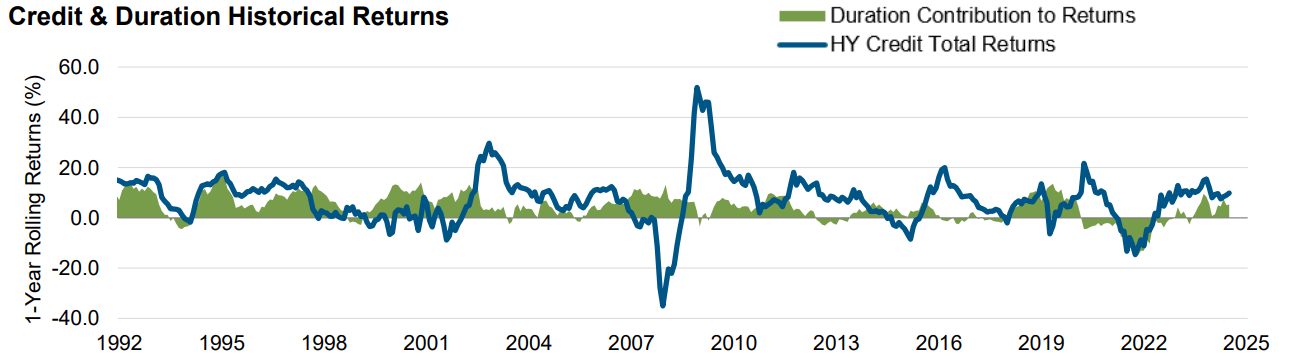
Credit investing is having a main-character moment. For years, bonds were treated like the beige cardigan of portfolios: useful, respectable, and not exactly the life of the party. Then interest rates rose, cash started paying real income again, private credit exploded into a trillion-dollar-plus market, and suddenly everyone wanted to “talk their book” about lending money.
In plain English, credit investing means putting capital to work as a lender rather than as an owner. When you buy a stock, you are hoping the company grows and the market applauds. When you buy a bond, loan, credit fund, or private debt strategy, you are asking a more direct question: “Can this borrower pay me interest and give my money back?” It is less champagne-at-the-IPO and more “please make your scheduled payments, thank you very much.”
The phrase “talk your book” comes from Wall Street slang. It means explaining why you believe in the investments you already own or manage. Done badly, it sounds like a sales pitch wearing a Patagonia vest. Done well, it is a useful way to understand how professionals think about risk, return, income, liquidity, and portfolio construction. In public and private credit, the conversation is especially important because the two markets can look similar on the surface but behave very differently under stress.
What Is Public Credit?
Public credit refers to debt instruments that trade in public or broadly accessible markets. This includes U.S. Treasuries, municipal bonds, investment-grade corporate bonds, high-yield bonds, agency mortgage-backed securities, senior loans, preferred securities, and bond mutual funds or ETFs. Investors can usually see market prices, compare yields, review ratings, and sell holdings during normal market hours.
That transparency is public credit’s superpower. A corporate bond may not be thrilling, but at least you can usually see where it trades. Public markets give investors daily pricing, liquidity, index data, credit ratings, and a lot of public information. The trade-off is that everyone else can see the same thing. If a high-quality corporate bond looks cheap, thousands of portfolio managers, ETFs, algorithms, and retirees named Bob may notice too.
Common Public Credit Investments
U.S. Treasuries are backed by the federal government and often serve as the portfolio’s “safe room.” They carry interest-rate risk but minimal default risk. Investment-grade corporate bonds offer more yield than Treasuries because companies can, in theory, get into trouble. High-yield bonds, also called junk bonds by people who enjoy dramatic labeling, pay higher income because borrowers are financially weaker. Municipal bonds may offer tax advantages, especially for higher-income investors. Senior loans usually have floating rates and sit higher in a company’s capital structure, though they still carry meaningful credit risk.
Bond funds and ETFs bundle many of these securities into one vehicle. For everyday investors, this can be a practical way to diversify instead of trying to buy a handful of individual bonds and accidentally creating a portfolio that depends on three companies and one very optimistic spreadsheet.
What Is Private Credit?
Private credit is lending that happens outside traditional public bond markets and often outside banks. Instead of a company issuing bonds that trade every day, a private credit manager may negotiate a loan directly with a borrower. These loans can be customized around rate, maturity, collateral, covenants, and repayment terms. The borrower gets speed and flexibility. The lender seeks higher income, stronger terms, and compensation for complexity and illiquidity.
The most talked-about corner of private credit is direct lending, especially loans to middle-market companies owned by private equity sponsors. But private credit is bigger than that. It can include asset-based finance, equipment leasing, consumer loans, residential mortgage credit, commercial real estate debt, infrastructure debt, specialty finance, distressed credit, and structured credit. In other words, “private credit” is not one neat little box. It is more like a financial garage where some shelves are perfectly organized and others require a flashlight.
Why Private Credit Grew So Fast
After the global financial crisis, tighter regulation encouraged banks to reduce certain types of lending, especially to riskier corporate borrowers. Asset managers, insurance companies, pensions, and other long-term capital providers stepped in. Borrowers liked the certainty of execution. Investors liked the potential for higher yields. Private equity sponsors liked having lenders who could move quickly and structure deals privately. The result was a market that moved from niche alternative allocation to mainstream portfolio conversation.
Private credit also benefited from the long stretch of low interest rates. When traditional bonds paid very little, investors went hunting for income. Some found it in dividend stocks. Some found it in real estate. Some found it in private credit. The basic pitch was simple: receive attractive floating-rate income, gain exposure to loans that are not priced every second, and potentially earn an illiquidity premium. The fine print, of course, is where the dragons live.
Public Credit vs. Private Credit: The Real Difference
The biggest difference is not “safe versus risky.” Both public and private credit can be conservative or aggressive. A short-term Treasury bill and a deeply subordinated distressed loan are both credit instruments, but comparing them is like comparing a golden retriever to a raccoon in your attic.
The real differences are liquidity, transparency, structure, access, and valuation. Public credit generally offers better daily liquidity and clearer pricing. Private credit often offers customization and potentially higher yields but may lock up investor capital for years. Public credit prices can be volatile because markets mark securities every day. Private credit may appear smoother because loans are valued less frequently, but smoother reporting does not always mean lower economic risk. Sometimes it just means the thermometer checks the fever less often.
Why Investors Are Talking About Credit Now
Credit is back in the spotlight because income matters again. When yields were near zero, many investors felt forced into stocks, real estate, or speculative growth assets to chase returns. With higher starting yields, bonds and loans can once again contribute meaningfully to portfolio returns. A diversified credit allocation may now provide income, ballast, and optionality.
Another reason is the changing role of the traditional 60/40 portfolio. Stocks still drive long-term growth, but bonds no longer need to be treated as dead weight. Public fixed income can provide liquidity and duration exposure. Private credit can add income and access to borrowers or structures not easily found in public markets. Together, they can form a more flexible credit sleeve, assuming the investor respects the risks and does not confuse “less visible volatility” with magic.
The Case for Public Credit
Public credit deserves a central role because it is liquid, transparent, and relatively easy to size. Investors can choose duration, credit quality, sector exposure, tax treatment, and cost. If the economy slows, high-quality bonds may help cushion equity volatility. If rates fall, longer-duration bonds may enjoy price appreciation. If rates stay higher, income can do more of the heavy lifting.
Public credit also allows tactical adjustments. A portfolio manager can move from high-yield bonds to investment-grade bonds, shorten duration, add Treasuries, buy securitized credit, or reduce exposure quickly. That flexibility matters. Liquidity is boring until you need it, at which point it becomes the most charming guest at the party.
The Case for Private Credit
Private credit can make sense for investors who can sacrifice liquidity in exchange for potential yield, customization, and diversification. Direct lending may provide floating-rate income and senior secured exposure. Asset-based finance may diversify risk away from corporate earnings by lending against pools of collateral such as mortgages, auto loans, equipment leases, or contractual cash flows. Specialty finance can reach areas underserved by banks or public markets.
For institutional investors, private credit may align well with long-term liabilities. Pension funds, endowments, insurance companies, and wealthy families often have capital they do not need tomorrow morning. They can accept lockups if the expected return is attractive enough. For individual investors, the question is more delicate. Access has improved through interval funds, tender-offer funds, business development companies, and other structures, but access does not erase complexity. A door being open does not mean every room inside is safe to nap in.
Risks Investors Should Not Ignore
Credit Risk
The borrower may fail to pay. That is the central risk. In public markets, default risk is reflected in ratings, spreads, and market prices. In private markets, underwriting quality, collateral, covenants, sponsor support, and manager discipline become even more important. Higher yield is not a free dessert. It is compensation for risk.
Liquidity Risk
Public bonds can usually be sold, though liquidity can weaken during market stress. Private credit may restrict withdrawals, limit redemptions, or require investors to wait years. Semi-liquid funds may offer periodic liquidity, but “periodic” is doing a lot of work in that sentence. Investors should understand gates, lockups, tender rules, capital calls, and redemption limits before investing.
Valuation Risk
Public credit is marked by market prices. Private credit often relies on models, manager estimates, third-party valuation agents, or less frequent appraisals. That does not mean valuations are wrong, but it does mean they may lag reality. A private loan can look calm on paper while the borrower is quietly sweating through its interest coverage.
Interest-Rate Risk
Fixed-rate public bonds can lose value when rates rise. Floating-rate private loans may benefit from higher short-term rates, but only up to the point where borrowers can still afford the payments. A high coupon is wonderful until it becomes too heavy for the borrower carrying it.
Manager Risk
In private credit, manager selection is everything. Strong managers may negotiate better covenants, avoid weak borrowers, monitor collateral, and handle workouts effectively. Weak managers may chase assets, loosen terms, overvalue loans, and discover too late that “relationship lending” is not a risk-management system.
How to Build a Smarter Credit Allocation
A practical approach starts with public credit as the core. High-quality bond funds, Treasuries, municipal bonds, and investment-grade exposure can provide liquidity and stability. From there, investors may add selective risk: high-yield bonds, senior loans, securitized credit, or emerging-market debt depending on goals and risk tolerance.
Private credit should usually be treated as a satellite, not the emergency fund. Investors should size it around liquidity needs. If you might need the money for tuition, a home purchase, medical expenses, or your future dream of opening a bakery for dogs, do not lock it up casually. Private credit belongs in the portion of the portfolio that can remain invested through a full cycle.
Before investing, ask specific questions: What type of credit does the fund own? Are loans senior secured or subordinated? What is the average borrower leverage? How much payment-in-kind income is used? How are assets valued? What are the fees? What happens if many investors request redemptions? How did the manager perform in past credit stress? What percentage of returns comes from income versus valuation marks? If the answers sound vague, keep your wallet in its natural habitat: closed.
Examples: Matching Credit to Investor Goals
A retiree seeking stability may prefer Treasuries, short-to-intermediate investment-grade bonds, and municipal bonds. The priority is not maximum yield; it is dependable income and capital preservation. A high-income professional with a long time horizon might hold a core bond allocation plus a modest private credit sleeve for additional income. A family office may use public bonds for liquidity and private credit for long-term yield, diversifying across direct lending, asset-based finance, and opportunistic credit.
The right mix depends on time horizon, taxes, liquidity needs, risk tolerance, and access. There is no universal “best” credit portfolio. There is only a portfolio that matches the investor’s job description. Public credit is often the daily driver. Private credit can be the specialized tool in the garage. You probably do not need to drive a forklift to the grocery store.
Public and Private Credit Can Work Together
The most interesting trend is convergence. Companies increasingly compare public bonds, bank loans, direct lending, securitized markets, and private asset-based solutions. Investors are doing the same. A large borrower financing a data center, real estate project, acquisition, or equipment portfolio may use multiple funding channels. The old wall between public and private credit is becoming more like a glass partition with fingerprints on both sides.
For investors, this means credit research needs to be holistic. Public spreads affect private loan terms. Private credit competition affects high-yield issuance. Bank regulation affects asset-based finance. Retail demand affects fund structures. A smart credit investor does not ask, “Public or private?” The better question is, “Where am I being paid enough for the risk, and can I get my money back when I need it?”
Experience Notes: Lessons From Watching Credit Cycles
One experience that stands out in credit investing is how calm everything feels right before it becomes interesting. In strong markets, every borrower has a plan, every lender has discipline, and every presentation includes the word “resilient.” Then margins compress, refinancing gets harder, revenue misses expectations, and suddenly everyone remembers that debt is a promise, not a vibe.
The first practical lesson is that yield should start a conversation, not end it. When one credit fund offers more income than another, the natural reaction is to cheer. The better reaction is to ask why. Is the yield higher because the manager found an overlooked opportunity? Or is it higher because the borrowers are weaker, the loans are more leveraged, the collateral is thin, or the fees are quietly nibbling like financial termites? In credit, the return ceiling is usually the coupon, while the downside can be much larger. That asymmetry deserves respect.
The second lesson is that liquidity has emotional value. Investors often underestimate how much comfort comes from being able to change their mind. Public credit can be volatile, but the ability to sell can prevent panic. Private credit may report steadier values, but investors must be psychologically prepared to stay put. A private credit allocation should feel like planting a tree, not renting a scooter.
The third lesson is that diversification inside credit matters as much as diversification across asset classes. Owning five funds that all lend to the same type of sponsor-backed middle-market borrower is not diversification; it is wearing five jackets in the same rainstorm. A stronger credit allocation may include government bonds, investment-grade corporates, securitized credit, municipal bonds, senior loans, direct lending, and asset-based finance. Each reacts differently to rates, growth, defaults, and liquidity stress.
The fourth lesson is that manager behavior matters most when the market stops being polite. During easy periods, many managers can look brilliant. The real test comes when a borrower misses numbers, a covenant is breached, collateral values fall, or exits disappear. Good managers communicate clearly, mark assets realistically, protect lender rights, and work through problems without pretending every bump is a “temporary technical dislocation.” Translation: they tell the truth before the truth kicks down the door.
The fifth lesson is that credit investing rewards humility. Nobody can forecast every recession, rate move, default cycle, or liquidity squeeze. But investors can control structure, sizing, cost, quality, and patience. The goal is not to find the shiniest yield. The goal is to build a credit portfolio that can survive boring markets, messy markets, and the occasional financial raccoon in the attic.
Conclusion
Investing in public and private credit is not about choosing one side forever. It is about understanding what each tool does. Public credit offers liquidity, transparency, and flexible portfolio control. Private credit offers customization, potential illiquidity premiums, and access to lending opportunities beyond public markets. Both can generate income. Both can disappoint. Both require careful analysis.
The best investors do not blindly chase yield or hide from risk. They ask better questions, match assets to liabilities, diversify intelligently, and remember that lending money is a serious business, even when the marketing deck looks gorgeous. If you are going to talk your book, make sure the book has more than a catchy title. Make sure it has underwriting, liquidity planning, risk controls, and a plot twist you can actually survive.