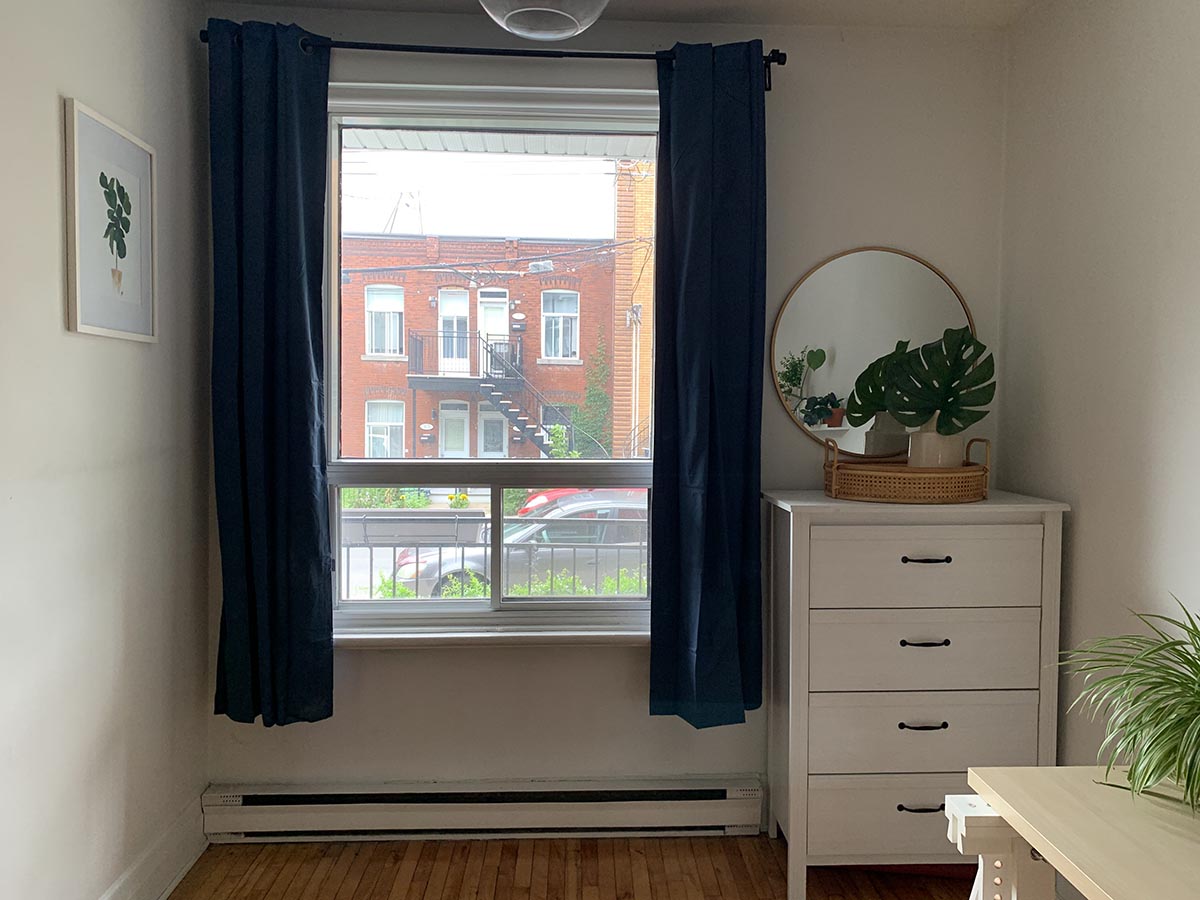
Blackout curtains sound simple: hang fabric, block light, sleep like a cartoon bear in hibernation. Easy, right? Well, not quite. Anyone who has bought a “blackout” panel only to wake up at 6:12 a.m. with a laser beam of sunrise across one eyebrow knows the truth: not all blackout curtains are created equal. Some are serious sleep tools. Some are politely dimming the room. And a few are basically decorative napkins with big dreams.
This guide takes inspiration from Bob Vila’s tested blackout curtain recommendations and blends it with practical buying advice from home-improvement, sleep, and energy-efficiency guidance. The goal is not to crown one curtain as magically perfect for every window in America. The goal is to help you understand what actually matters: light-blocking fabric, proper width, thermal performance, noise reduction, installation style, maintenance, and whether the curtains still look good when guests come over and judge your life choices.
The best blackout curtains can make a bedroom darker, help shift workers sleep during the day, reduce glare in a home theater, add privacy, soften outside noise, and help keep a room more comfortable. They are especially useful for nurseries, bright city apartments, east-facing bedrooms, and rooms where streetlights act like tiny suns with bad manners.
What Makes a Blackout Curtain Truly “Blackout”?
A real blackout curtain does more than look dark. In fact, a curtain can be white, beige, gray, navy, or velvet green and still block light well if it has the right construction. The secret is usually dense fabric, a tightly woven structure, a blackout lining, or a multi-layer backing. Polyester is common because it is durable, affordable, and good at limiting light transmission. Cotton blends and linen-look panels can be attractive, but they often need a proper lining to perform like true blackout curtains.
One important distinction: “blackout” and “room darkening” are not always the same thing. Room-darkening curtains reduce brightness, but they may still allow enough light for you to see furniture outlines. Blackout curtains aim for minimal to no light through the fabric itself. However, even a high-quality blackout curtain can fail if light leaks around the top, sides, center gap, or bottom. In other words, the curtain fabric might be innocent. The installation may be the sneaky villain.
Best Overall: Pony Dance Blackout Curtains
Bob Vila’s testing highlighted Pony Dance Blackout Curtains as a standout overall choice, especially for bedrooms where darkness is the main mission. These polyester-blend panels are designed to block about 90 to 100 percent of incoming light depending on the color selected. Darker colors generally perform better, but even lighter shades can still reduce a meaningful amount of sunlight.
What makes Pony Dance especially appealing is the balance between performance and appearance. The fabric feels more upscale than many budget blackout curtains, which is helpful if you do not want your bedroom to look like a backstage wall at a community theater. The panels also help dampen ambient outdoor noise, a useful bonus for people living near traffic, neighbors, barking dogs, or mysterious midnight delivery trucks.
Best for:
Bedrooms, apartments, light-sensitive sleepers, and anyone who wants blackout performance without sacrificing a polished look.
Watch out for:
The rod-pocket design can take slightly longer to install than grommet curtains. That is not a tragedy, but it does mean you may spend an extra minute wrestling fabric onto the rod while questioning your upper-body strength.
Best Value: Sun Zero Oslo Theater-Grade Blackout Curtain Panel
The Sun Zero Oslo Theater-Grade Blackout Curtain Panel is a smart pick for shoppers who want strong light blocking at a reasonable price. It has a soft, velvet-like feel and is designed to block up to 100 percent of light. It is also promoted for energy efficiency and sound reduction, which makes it a practical choice for bedrooms, media rooms, and sunny spaces that heat up quickly.
Because these panels are heavier, they may be slightly harder to slide open and closed than lightweight curtains. That extra weight, however, is also part of what helps them feel substantial. If you want a budget-friendly blackout curtain that does not feel flimsy, this one belongs near the top of the list.
Best for:
Budget-conscious buyers, home theaters, guest bedrooms, and windows that receive strong sunlight.
Watch out for:
Because the panels are heavier, use a sturdy rod and properly anchored brackets. A blackout curtain falling off the wall at 2 a.m. is not the relaxing sleep upgrade anyone ordered.
Best Lightweight Option: Eclipse Microfiber Blackout Thermal Curtain Panel
Many blackout curtains are thick and heavy, but the Eclipse Microfiber Blackout Thermal Curtain Panel offers a lighter alternative. It is designed to block up to 99 percent of light while remaining easier to hang, open, and close. This makes it useful for basic curtain rods, smaller rooms, and renters who cannot install heavy hardware.
The grommet design makes installation simple, though grommets can allow small rings of light near the top. For most sleepers, that may not matter. For someone trying to sleep after a night shift while the sun is performing its full Broadway number outside, pairing the panel with a wraparound rod or shade may improve results.
Best for:
Renters, lightweight rods, kids’ rooms, guest rooms, and anyone who wants easy installation.
Watch out for:
Grommets are convenient, but rod pockets and back-tab styles usually create a cleaner light seal at the top.
Best Thermal Choice: Miuco Thermal Insulated Blackout Curtains
Miuco Thermal Insulated Blackout Curtains are designed for people who want light control plus temperature support. Their triple-woven fabric helps block sunlight, reduce UV exposure, and soften outside sound. Thermal blackout curtains can help rooms feel more comfortable in hot or cold weather, especially when they are installed close to the window and sized generously.
These curtains use metal grommets, so they are easy to hang and slide. They also come with tiebacks, which gives them a neater daytime look. If you want blackout curtains that do not permanently turn your bedroom into a stylish cave, tiebacks are a small but surprisingly useful detail.
Best for:
Bedrooms with temperature swings, night-shift workers, sunny rooms, and homes where outside noise is annoying but not extreme.
Watch out for:
They may be slightly less effective than thicker options in very bright conditions, especially in lighter colors.
Best Style: Best Home Fashion UMIXM Wide Tule & Blackout Curtains
Blackout curtains have a reputation for being practical but plain. The Best Home Fashion UMIXM Wide Tule & Blackout Curtains challenge that idea with a dual-layer design. The blackout layer handles darkness, while the sheer lace layer adds softness and visual interest. It is a good example of how blackout curtains can be functional without looking like they were designed by someone whose favorite color is “utility closet.”
This style works well in bedrooms and living rooms where you want flexible light control. During the day, the sheer layer can provide privacy while allowing filtered light. At night, the blackout layer can close fully for darkness and privacy.
Best for:
Style-focused bedrooms, romantic decor, large windows, and spaces that need both privacy and softness.
Watch out for:
Two layers can complicate installation. Measure carefully and decide whether you need one rod, two rods, or a stronger hardware setup.
Best for Nurseries: Nicetown 100% Blackout Window Curtain Panels
For nurseries and children’s rooms, blackout curtains can be a sanity-saving tool. The Nicetown 100% Blackout Window Curtain Panels are a popular choice because they are designed to create a dark environment for naps, early bedtimes, and summer evenings when the sun apparently refuses to respect bedtime.
These curtains are also useful for reducing light pollution and improving privacy. Because they can be heavy, they should be installed with strong brackets, especially in a child’s room. Safety matters: keep cords, tiebacks, and loose hardware out of reach, and make sure the curtain rod is secure.
Best for:
Nurseries, kids’ rooms, daytime naps, and east-facing windows.
Watch out for:
Heavy panels need secure installation. Do not rely on weak tension rods for large blackout curtains in a child’s room.
Best for Large Windows and Sliding Doors
Large windows and sliding glass doors are tricky because they invite light from every direction. Standard panels may leave gaps in the center or fail to cover the full width. For these situations, choose extra-wide blackout curtains or dedicated sliding-door panels. Look for generous width, full length, and a fabric that overlaps beyond the glass.
For sliding doors, machine-washable fabric is a practical bonus. Doors collect dust, fingerprints, pet hair, and the occasional mysterious smudge that nobody in the house will admit to creating. A curtain that can be cleaned without drama is always a win.
How to Choose the Best Blackout Curtains
1. Measure Wider Than the Window
The most common blackout curtain mistake is buying panels that barely cover the window. For better darkness, extend the rod several inches beyond each side of the frame. Many experts suggest adding at least 8 to 10 inches on both sides when possible. Wider coverage helps block side leaks and makes the curtains look fuller.
2. Choose Enough Fabric Fullness
Flat curtains look thin and leave gaps. For a fuller look and better coverage, aim for curtain panels with a combined width about 1.5 to 2 times the width of the window. This allows the fabric to overlap in the center instead of forming a glowing vertical crack of betrayal.
3. Pick the Right Header Style
Grommet curtains are easy to install and slide smoothly, but they can leak light at the top. Rod-pocket curtains usually block top light better, though they may be harder to move. Back-tab curtains offer a cleaner, tailored look and can reduce light gaps. For maximum darkness, consider a wraparound curtain rod that curves toward the wall.
4. Consider Color and Lining
Darker colors often block more light, but lining matters more than color alone. A white blackout curtain with a strong lining can outperform a dark curtain with poor construction. If the product claims “100% blackout,” check whether that refers to the fabric, the full installed result, or just marketing optimism wearing a fancy hat.
5. Think About Energy Efficiency
Blackout curtains can help reduce heat gain in summer and heat loss in winter, especially when closed at the right times. During hot days, closing curtains over sunny windows can help keep rooms cooler. During cold nights, closing curtains can add a layer of insulation and improve comfort. For maximum benefit, hang curtains close to the window, let them reach the sill or floor, and reduce gaps at the sides.
6. Match Curtains to the Room
Bedrooms need darkness and quiet. Nurseries need safety and nap-friendly coverage. Living rooms may need privacy without looking too heavy. Home theaters benefit from deep blackout performance. Home offices may only need glare reduction, so a full blackout curtain might be overkill unless your Zoom calls require dramatic lighting.
Blackout Curtains and Sleep Quality
Light plays a major role in regulating the body’s sleep-wake rhythm. A darker room can help signal that it is time to rest, while poorly timed light exposure can make sleep feel lighter and more interrupted. Blackout curtains are not a cure-all for insomnia or sleep disorders, but they are one of the simplest bedroom upgrades for people whose sleep is disturbed by sunrise, streetlights, headlights, signs, or neighbors with porch lights bright enough to guide aircraft.
They are especially helpful for shift workers, babies, toddlers, light sleepers, migraine-sensitive sleepers, and anyone who sleeps in an urban area. The best results usually come from combining blackout curtains with a consistent sleep schedule, dim evening lighting, cooler room temperatures, and fewer glowing electronics.
Do Blackout Curtains Reduce Noise?
Blackout curtains can reduce some noise, but they are not magic soundproof walls. Thick, heavy, layered fabric can absorb and soften outside sounds, especially high-frequency noise. However, if you live next to a train line, airport, or neighbor who believes leaf blowers are musical instruments, curtains alone will not create silence.
For better sound control, choose heavier panels, layer curtains with blinds or shades, and make sure the curtain covers the full window area. The more fabric and overlap you have, the better the sound-dampening effect tends to be.
Care and Maintenance Tips
Before buying blackout curtains, check the care label. Some are machine washable, while others are dry clean only. Machine-washable panels are easier for homes with kids, pets, dust, or windows that are opened often. If the curtains have foam backing or a special coating, avoid high heat unless the manufacturer says it is safe. Heat can damage backing, create wrinkles, or shorten the curtain’s life.
To keep blackout curtains looking good, vacuum them with a brush attachment, shake them out occasionally, and spot-clean small marks quickly. If they arrive wrinkled, steam gently or tumble on low if allowed. Never assume all blackout curtains can handle aggressive ironing. Some linings have a dramatic personality and do not forgive heat.
Common Mistakes to Avoid
Buying Panels That Are Too Narrow
This is the big one. Narrow panels leave side gaps and center gaps. Always size up when darkness matters.
Ignoring the Curtain Rod
A cheap rod may sag under heavy blackout curtains. Use sturdy brackets, wall anchors, and a rod rated for the curtain weight.
Choosing Looks Over Function
Pretty curtains are wonderful, but if they do not block enough light for your needs, they become expensive wall scarves.
Expecting Total Darkness Without Layering
For true cave-level darkness, combine blackout curtains with blackout shades, side tracks, magnetic strips, or a wraparound rod.
Real-Home Experience: What Living With Blackout Curtains Teaches You
The first thing you notice after installing good blackout curtains is not just darkness. It is quietness. Even if the room is not technically silent, it feels calmer. The hard glare from outside disappears, the room edges soften, and the bedroom starts acting like a bedroom instead of a 24-hour waiting room with pillows.
In a bright bedroom, the difference can be immediate. A regular curtain may dim the room, but a strong blackout curtain changes the mood completely. Morning sunlight no longer barges in like it owns the place. Streetlights stop painting orange rectangles on the wall. Car headlights no longer sweep across the ceiling at midnight like a low-budget detective movie. The room feels more controlled, which is exactly what many light-sensitive sleepers need.
The biggest lesson, though, is that installation matters as much as fabric. A high-performing blackout panel can still disappoint if it is hung too low, too narrow, or too far from the wall. Light is persistent. It will find the tiny gap above the rod. It will sneak around the side like a cartoon burglar. It will glow through the center where two panels barely meet. The fix is usually simple: extend the rod wider, hang the panels higher, add more fabric fullness, and overlap the middle.
Another real-world lesson is that darker is not always better for every room. In a nursery, deep darkness can help with naps. In an adult bedroom, total darkness can be wonderful until the alarm rings and you wake up wondering if it is 6 a.m. or the year 2047. Some people like leaving the curtain slightly cracked in the morning or using a sunrise alarm clock. The best blackout setup supports sleep without making waking up feel like emerging from a cave with taxes.
Blackout curtains also change room temperature more than many people expect. On hot days, closing them before sunlight hits the window can keep a room noticeably more comfortable. In winter, closing them at night can reduce the chilly feeling near glass. They will not replace insulation, weatherstripping, or efficient windows, but they can be a low-effort improvement that works every day.
There is also a style lesson: blackout curtains do not have to be ugly. Older blackout panels often looked stiff, shiny, or oddly corporate, as if they were stolen from a conference room. Modern options include linen textures, velvet finishes, cotton blends, hidden tabs, pleated headers, and layered sheers. If you choose the right size and hang them high and wide, blackout curtains can make a room look more finished, not less.
Finally, blackout curtains teach you that small home upgrades can have an outsized effect. A darker bedroom can make bedtime easier, movie night better, a nursery calmer, and a sunny room more livable. That is a pretty good return for something that hangs on a rod and asks for very little applause.
Conclusion
The best blackout curtains are the ones that match your room, your sleep habits, your window size, and your patience for installation. Pony Dance is a strong overall option for balanced performance and style. Sun Zero Oslo is a value-friendly choice with serious light-blocking power. Eclipse Microfiber is great when you want lightweight convenience. Miuco works well for thermal comfort, and Nicetown remains a popular pick for nurseries and serious darkness.
Before buying, remember the golden rule: blackout success is not only about the curtain. It is about coverage. Measure generously, hang high and wide, choose the right header, and reduce gaps. Do that, and your room can become darker, quieter, cooler, cozier, and much less vulnerable to the rude enthusiasm of sunrise.
Note: This article is original, publication-ready content synthesized from current U.S. product-testing, home-improvement, sleep-environment, and energy-efficiency information. No source-link blocks or unnecessary reference placeholders have been included in the article body.