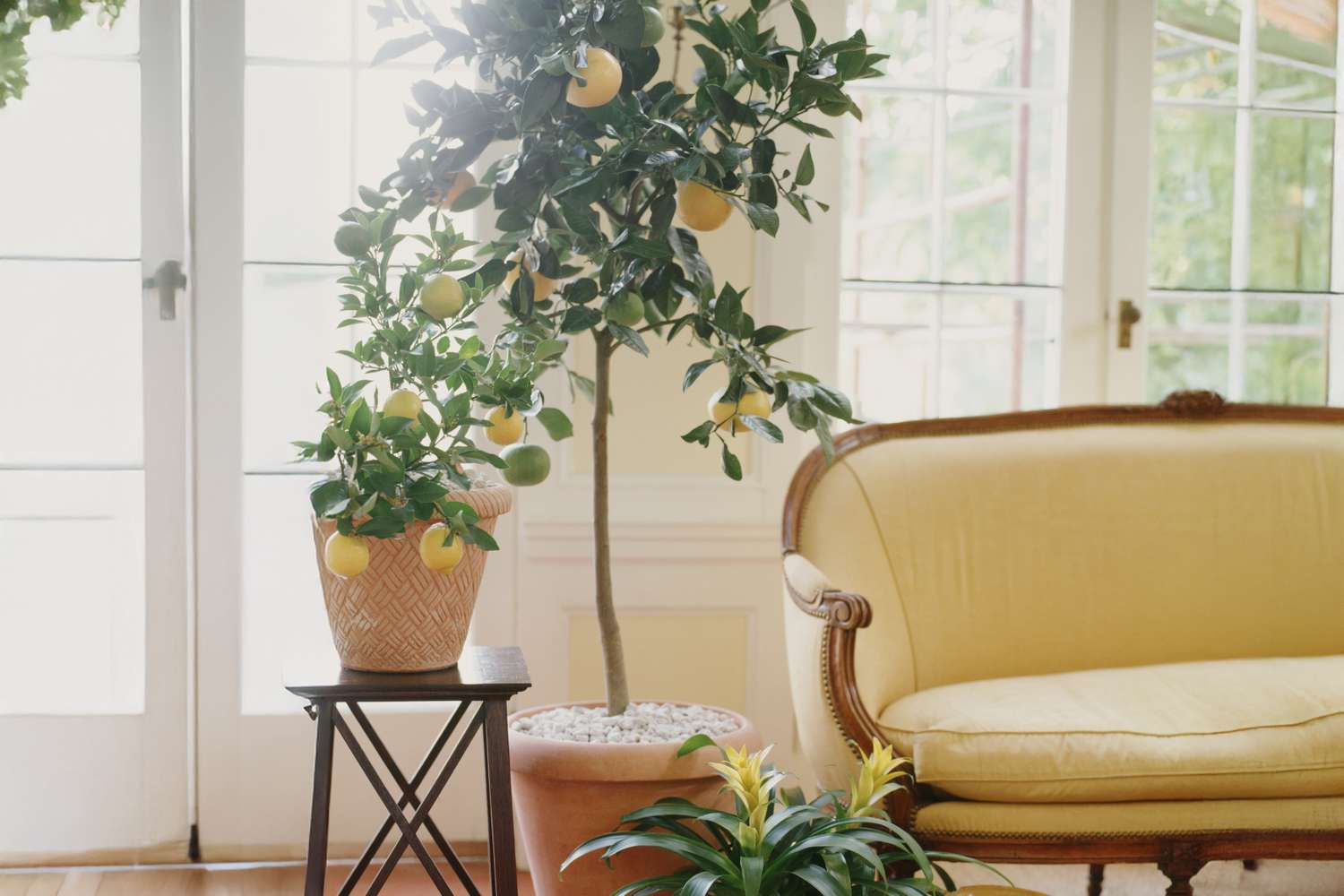
Growing a fruit tree indoors sounds a little like trying to keep a beach vacation alive in your living room. It feels ambitious. Slightly glamorous. Possibly doomed. And yet, experts keep circling back to one indoor-friendly standout: the Improved Meyer lemon tree. While plenty of fruiting plants can survive indoors, this compact citrus earns the title of best fruit tree to grow indoors because it checks the boxes that matter most to real people with real windowsills: it stays manageable, smells amazing, looks good year-round, and is more forgiving than many gardeners expect.
That last part is the surprise. Indoor fruit trees have a reputation for being fussy divas that demand greenhouse conditions, classical music, and daily pep talks. But Meyer lemon trees are different. Compared with larger fruit trees or sweet citrus that need more heat and more space, Meyer lemons are considered one of the most practical options for container growing indoors. They are self-fertile, widely available on dwarf rootstock, and capable of flowering and fruiting in pots with the right balance of sun, water, airflow, and patience.
So, if you have been wondering whether you can realistically grow fruit in an apartment, condo, townhouse, or just a home without a sunny backyard, the answer is yes. And the indoor fruit tree most likely to make you feel like a genius is the Meyer lemon.
Why the Meyer Lemon Wins the Indoor Fruit Tree Contest
Not every fruit tree is built for indoor life. Apples, peaches, and pears usually want more space, more seasonal chill, and more pest management than the average home gardener wants to provide. Even among citrus, some varieties are simply more cooperative than others. The Meyer lemon rises to the top because it combines compact growth, ornamental beauty, and edible payoff in one plant.
It stays small enough for normal homes
A full-size outdoor fruit tree is basically a roommate with roots. A dwarf Meyer lemon, by contrast, is much easier to live with. Many are sold grafted onto dwarfing rootstock and can be maintained at a size that works indoors, often in the 3- to 6-foot range depending on the container, pruning, and growing conditions. That makes it realistic for bright kitchens, sunrooms, enclosed porches, and even that one corner of the living room that currently hosts a chair no one sits in.
It is easier than sweet citrus
This is a major reason experts recommend it. Acid citrus, including lemons and limes, tends to be easier to ripen indoors than sweet citrus like oranges and tangerines. Sweet citrus generally needs more heat to develop good flavor. Meyer lemons, on the other hand, are more adaptable to container culture and indoor environments. They also tend to bloom over a longer season, which makes the plant feel lively and productive instead of stubbornly decorative.
It is self-fertile
You do not need a second tree to get fruit. That is excellent news for anyone who was not planning to turn the dining room into a miniature orchard. The flowers are self-fertile, though indoor plants often benefit from hand pollination because there are fewer insects and less wind moving pollen around. A small paintbrush or cotton swab can do the job just fine. Congratulations: you are now the bee.
It gives you beauty and usefulness
Meyer lemons are not just productive; they are ridiculously charming. They offer glossy dark green leaves, fragrant white blossoms, and cheerful yellow fruit that looks like it belongs in a magazine spread titled “I Accidentally Became the Kind of Person Who Grows Citrus Indoors.” The fruit itself is a little sweeter and less sharply acidic than standard grocery-store lemons, which makes it great for baking, salad dressings, marinades, cocktails, lemonade, and dramatic countertop posing.
What Makes the Improved Meyer Lemon “Improved”?
When shopping, you will often see the plant listed as Improved Meyer lemon. That is the version you want. In simple terms, it is the cleaner, more reliable modern form that became popular for home growing. It is also widely recommended by universities, master gardeners, and botanical experts because it performs well in containers and is commonly sold in nursery-ready form for home gardeners.
Just as important, buying a named, grafted plant is smarter than growing from seed. Seed-grown citrus can take years to flower, may not resemble the parent plant, and often become taller and leggier than you want indoors. A grafted dwarf Meyer lemon gives you a head start and a much better chance of getting fruit in a reasonable amount of time.
How Easy Is It, Really?
Let’s be honest: “easy” in gardening does not mean “ignore it for six months and receive a fruit basket.” Indoor fruit trees still need care. But Meyer lemons are surprisingly easy in the sense that their needs are clear, consistent, and achievable in a typical home. They do not ask for exotic rituals. They ask for the same few things, over and over, with minimal drama when you get them mostly right.
1. Give it strong light
The number one rule of indoor citrus care is light, light, and then a little more light. A bright south-facing or west-facing window is ideal. Most expert guidance recommends at least 6 hours of direct sunlight, with better flowering and fruiting often happening closer to 8 hours or more. If your home is a little light-challenged, a supplemental LED grow light can make a huge difference.
This is usually the make-or-break factor. A Meyer lemon may tolerate less-than-perfect conditions for a while, but it will not reliably flower or fruit without enough light. Think of sunlight as the tree’s rent money. Without it, everyone gets uncomfortable.
2. Use a well-draining potting mix
Meyer lemons like moisture, but they do not like wet feet. A well-draining cactus or citrus mix, or a quality potting mix amended with perlite or other drainage material, works well. The container must have a drainage hole. Non-negotiable. Pretty pots without drainage are cute right up until they become root-rot museums.
It is also smart to start with a pot that is sized appropriately rather than dramatically oversized. Too much unused soil around the roots can stay wet too long. As the plant grows, move it up gradually.
3. Water consistently, not constantly
Indoor lemon trees like evenly moist soil, not swamp conditions. A good rule is to check the soil with your finger. If the top couple of inches feel dry, it is probably time to water. Then water thoroughly and let the excess drain away. During active summer growth, especially if the plant spends time outdoors, it may need water much more often. In winter, growth slows and watering usually needs to back off.
Overwatering is one of the most common mistakes with indoor citrus. Leaf drop, yellowing leaves, and sluggish growth can all show up when the roots stay too wet. Underwatering can also cause flower drop and stress. In other words, the goal is not heroic watering. The goal is boringly steady care.
4. Feed it like a fruiting plant, not a cactus
Citrus is a relatively heavy feeder, especially in containers where nutrients wash out over time. A fertilizer designed for citrus or acid-loving plants usually works well, especially one with a higher nitrogen profile. Many experts recommend feeding only while the plant is actively growing, often spring through early fall, though product directions matter. Slow-release fertilizers are convenient, and diluted liquid feedings can also help keep growth steady.
If the leaves start looking pale or yellowish, nutrition may be part of the problem. Indoor fruit trees do not need a feast every weekend, but they definitely do not thrive on neglect and hope.
5. Keep the air warm and a bit humid
Meyer lemons prefer moderate warmth and do best when daytime temperatures stay roughly in the comfortable human range, with slightly cooler nights. Dry winter air can be rough on indoor citrus, so adding humidity helps. A humidifier nearby, grouping plants together, or even regular leaf cleaning can improve the growing environment.
Just do not place the tree right next to a heating vent blasting hot, dry air like a hair dryer aimed at a salad. Citrus hates that.
6. Help with pollination when it blooms
Because Meyer lemons are self-fertile, one plant can set fruit. But indoors, flowers may need a little assistance. Use a small clean paintbrush or cotton swab to move pollen from flower to flower. It takes about two minutes and makes you feel weirdly accomplished. You are not just growing lemons; you are now participating in the ancient mystery of reproduction with office-supply-level tools.
7. Watch for pests before they become a tiny army
Indoor citrus can attract spider mites, mealybugs, scale, aphids, and whiteflies. Dry air tends to make some of these pests worse. The fix is early detection and simple maintenance: inspect leaves, especially undersides; wash foliage periodically; isolate new plants before placing them near your citrus; and treat promptly with methods labeled for edible plants when needed. A healthy tree is naturally more resilient, so good light and proper watering do more pest prevention than people sometimes realize.
How Meyer Lemon Compares With Other Indoor Fruit Trees
There are other indoor fruiting options, and some are lovely. Calamondin orange is highly ornamental and productive, kumquats are compact and charming, and dwarf figs can work in bright spaces. But the Meyer lemon often edges them out for the average indoor gardener.
Meyer lemon vs. orange trees
Sweet oranges generally need more heat to ripen properly. That makes them harder to grow well indoors. Meyer lemons are simply more realistic for most homes.
Meyer lemon vs. fig trees
Dwarf figs can be excellent container plants, but they are a little more seasonal in personality and often less instantly rewarding as indoor decorative plants. Meyer lemons offer fragrance, evergreen foliage, flowers, and fruit in a single package.
Meyer lemon vs. calamondin
Calamondin is productive and attractive, but its fruit is quite sour and is often used more as a garnish or preserve fruit than as a general all-purpose kitchen staple. Meyer lemons are easier to imagine using daily.
Meyer lemon vs. kumquat
Kumquats are also strong candidates for indoor growing, especially dwarf forms. Still, the Meyer lemon tends to win on name recognition, versatility in cooking, and all-around beginner appeal.
Common Mistakes That Make Indoor Lemon Trees Seem “Hard”
Most Meyer lemon failures are not mysterious. They usually come down to a few common missteps:
Not enough light
A plant in a dim room may survive, but it will not thrive. Sparse growth, poor blooming, and frustration usually follow.
Overwatering
This is the classic indoor citrus blunder. People see leaf drop, assume thirst, and water more. The roots then file a formal complaint.
Buying a plant grown from seed
That tiny seedling may be adorable, but it is often a long game with uncertain fruit quality and awkward indoor shape.
Skipping gradual seasonal transitions
If you move the tree outdoors in warm weather, acclimate it slowly. The same goes for bringing it back inside. Sudden changes in temperature, light, or humidity can trigger leaf drop and stress.
Expecting instant fruit
Yes, Meyer lemons are easier than many indoor fruit trees. No, they are not vending machines. Fruit takes time to form and ripen, often several months. Patience is part of the process.
The Real Payoff of Growing a Meyer Lemon Indoors
The harvest matters, of course. Snipping a homegrown lemon for a vinaigrette or a loaf cake is deeply satisfying. But the bigger payoff is that the tree changes the room. It adds fragrance, color, texture, and a sense of life that ordinary decor just cannot fake. A fruiting Meyer lemon is practical, yes, but it is also a mood. It says, “I own a watering can and occasionally make my own lemon syrup.”
It also teaches gardeners something valuable: indoor edible growing does not have to start with impossible crops or elaborate systems. One well-chosen fruit tree can do more for confidence than ten difficult experiments. The Meyer lemon works because it is both beautiful and useful, and because its care routine is close enough to normal houseplant care that beginners can learn it quickly.
Experience: What Growing the Best Indoor Fruit Tree Actually Feels Like
The first experience many people have with an indoor Meyer lemon is suspicion. The plant looks too pretty to be practical. It has glossy leaves, fragrant blossoms, and fruit that seems almost staged, like it was placed there by a prop stylist five minutes before guests arrived. There is often a quiet thought in the back of the gardener’s mind: This cannot possibly be as doable as people say. And yet, after the first few months, the surprise kicks in. The tree is not effortless, but it is understandable. Once you learn its rhythm, it feels less like managing a difficult specimen and more like taking care of a very clear communicator.
One of the most enjoyable parts of the experience is how visible the progress is. With many houseplants, you are celebrating a new leaf the size of a postage stamp and calling it personal growth. With a Meyer lemon, the milestones feel bigger. Buds appear. Blossoms open and perfume the room. Tiny green fruit forms like plant magic. Weeks later, those same fruits start to swell and gradually shift toward yellow. Even before you pick anything, the tree feels generous.
There is also something deeply satisfying about the plant’s dual purpose. It is decorative enough to anchor a bright corner, but it also has genuine kitchen value. You start noticing how often lemons show up in everyday cooking. A squeeze over roasted vegetables. A little zest in pancake batter. Fresh juice for tea, dressings, marinades, or dessert. The tree stops being “that plant by the window” and becomes part of how the household functions. That is a different kind of gardening pleasureless about trophies, more about daily usefulness.
The experience also tends to make gardeners more observant. You begin to understand light in your home in a new way. You notice which window gets strong afternoon sun, which room stays dry in winter, and how quickly the soil changes from damp to dry depending on the season. In that sense, a Meyer lemon is not just a fruit tree. It is a teacher with leaves. It quietly trains you to read your space better.
Of course, no honest account would pretend the whole process is flawless. There may be a little leaf drop after a seasonal move. A few flowers may fall without setting fruit. You may discover a pest issue exactly one day after proudly telling someone, “This is easier than I expected.” That is classic gardening timing. But the overall experience remains encouraging because the plant usually responds when you correct the basics. More light helps. Better drainage helps. A little humidity helps. Hand pollinating helps. Progress feels possible.
Perhaps the best part is the emotional effect. Indoor gardening can feel passive with foliage-only plants, but fruit changes the relationship. You are not just preserving greenery; you are waiting for a result. There is a subtle thrill in checking on a lemon tree every morning, not because you are anxious, but because something might be happening. A new bloom. A stronger color on the fruit. A fresh flush of growth. It makes the room feel alive in a way that is both calming and energizing.
That is why so many people who start with one Meyer lemon end up talking about it far more than anyone asked them to. It is not only the best fruit tree to grow indoors because it can survive there. It is the best because it makes indoor gardening feel rewarding, realistic, and just a little luxurious. It gives beginners a win and gives experienced gardeners a plant that still feels special. In the end, the real surprise is not that experts say it is easy. The surprise is that once you grow one, you may wonder why you waited so long.
Conclusion
If you are choosing just one fruit tree to grow indoors, the Improved Meyer lemon is the smartest place to start. It is compact, attractive, self-fertile, easier to ripen than many other indoor fruit trees, and genuinely useful in the kitchen. With enough light, well-draining soil, careful watering, and a bit of patience, it can move from “cute impulse purchase” to “the best thing in the room.” That is a pretty good return for a tree that fits in a pot.