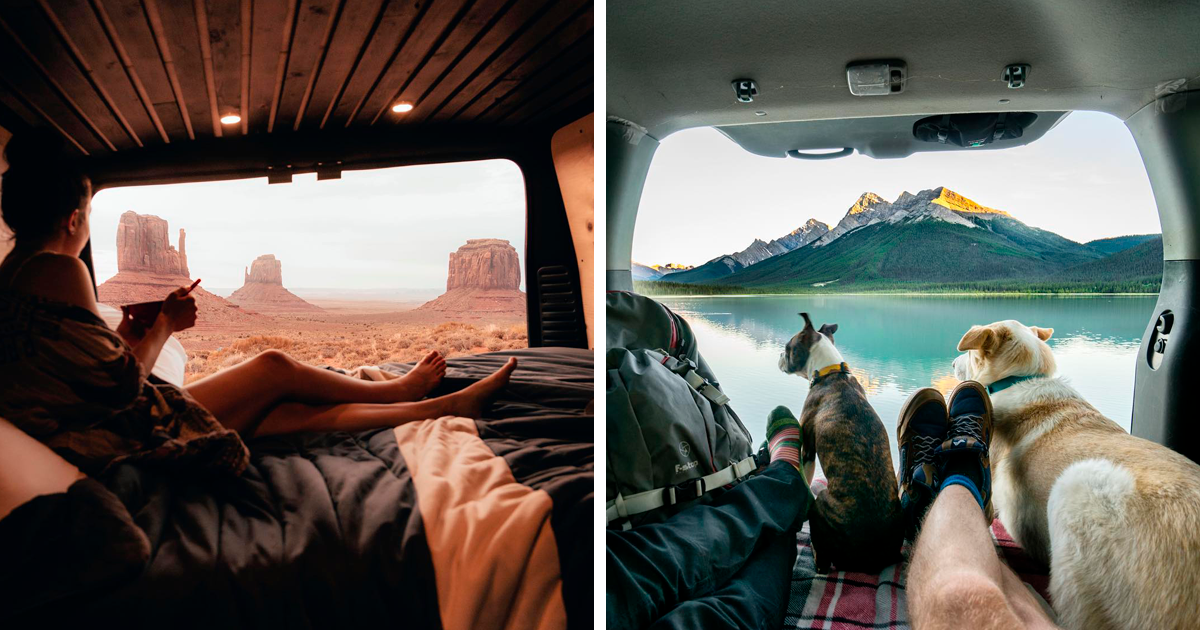
Van life has a way of making ordinary things feel cinematic. Morning coffee becomes a sunrise ceremony. A parking spot becomes a front-row seat to the mountains. Dinner is not just dinner; it is pasta made on a tiny stove while the sky performs a full-color drama like it has been waiting all day for applause. The inspiring beauty of van life is not only about pretty landscapes, though those certainly help. It is about freedom, simplicity, creativity, and learning that a meaningful life does not always require more space. Sometimes, it requires better views.
At its best, van life is a lifestyle built around movement and intention. People convert cargo vans, camper vans, minivans, and even old school buses into rolling homes so they can travel, work remotely, explore national forests, visit small towns, chase good weather, and spend more time outdoors. For some, it is a full-time lifestyle. For others, it is a weekend escape from deadlines, traffic, and the mysterious ability of laundry to reproduce when nobody is looking.
But the beauty of living in a van is not just the Instagram version: fairy lights, desert sunsets, and a dog looking wise beside a camp chair. Real van life also includes planning, budgeting, finding legal places to sleep, managing water, dealing with mechanical problems, respecting public lands, and learning how to live with less without feeling deprived. That balancethe romance and the realityis exactly what makes the lifestyle so fascinating.
What Is Van Life, Really?
Van life is a form of mobile living where a vehicle is designed or adapted to support daily life on the road. A van may include a bed platform, storage cabinets, a small kitchen, portable water system, solar panels, battery storage, ventilation, insulation, and sometimes a compact toilet or shower setup. Some builds are simple and budget-friendly. Others look like boutique hotel rooms on wheels, only with more cup holders and fewer elevators.
The main idea is flexibility. A van gives travelers the ability to move between landscapes, climates, communities, and experiences with fewer fixed commitments. Instead of planning a vacation around one hotel or one city, van travelers can follow scenic routes, public lands, campgrounds, beaches, forests, desert roads, and quiet lakeside mornings. The road becomes both the journey and the address.
Why Van Life Feels So Inspiring
It Turns Travel Into Daily Life
Traditional travel often feels like a temporary break from “real life.” Van life flips that idea. The adventure becomes part of the regular routine. You still make coffee, wash dishes, answer emails, cook dinner, and look for clean socks. The difference is that your kitchen window might face red rock canyons one week and a pine forest the next.
This is why the lifestyle appeals to people who want more than a vacation. They want a rhythm that includes discovery. A van allows slow travel, which often feels deeper than rushing from attraction to attraction. You can stay longer in places that feel good, leave places that do not, and learn the personality of a region by shopping at local markets, hiking nearby trails, and chatting with campground neighbors.
It Encourages Simplicity Without Boredom
Living in a small vehicle teaches a valuable lesson: every item needs a reason to exist. There is no room for seventeen decorative pillows, a bread maker used once in 2018, or the “maybe someday” drawer that secretly eats batteries and old receipts. In a van, space is precious. This forces a kind of practical minimalism.
Yet simplicity does not mean dullness. In fact, many van lifers find that having fewer possessions creates more room for experiences. Less cleaning. Less shopping. Less organizing. More hiking. More reading. More spontaneous detours. More sitting outside and noticing how clouds move when you are not sprinting through the day like a caffeinated raccoon.
The Natural Beauty Behind the Van Life Movement
One of the biggest reasons people fall in love with van life is access to nature. The United States offers an enormous range of landscapes for road travelers: Pacific coastline, Rocky Mountain passes, desert mesas, Great Lakes shorelines, Appalachian forests, Gulf Coast beaches, and wide-open high plains. A van makes these places feel close, not distant.
National parks, national forests, Bureau of Land Management areas, state parks, private campgrounds, and recreation areas all play a role in the experience. Many travelers use a mix of reserved campgrounds, dispersed camping, overnight parking options, and paid RV parks depending on location, safety, weather, and available amenities.
However, beautiful places remain beautiful only when visitors act responsibly. Public lands are not personal backyards, and dispersed camping is not a free-for-all. Rules vary by agency and location, but travelers commonly need to respect stay limits, avoid damaging vegetation, use existing campsites when possible, pack out trash, manage human waste properly, and keep a safe distance from water sources. The most inspiring van life is not the one that leaves the best photo behind. It is the one that leaves no mess behind.
The Practical Side: Freedom Still Needs a Checklist
Finding Legal Places to Sleep
One of the first lessons of van life is that “home is where you park it” sounds poetic, but it is not always legally accurate. Some cities restrict overnight vehicle sleeping. Some public lands allow dispersed camping only in designated areas. Some campgrounds require reservations months in advance during peak season. The smart approach is to plan ahead, check local rules, and always have a backup option.
Recreation platforms, campground websites, public land agency pages, and local ranger stations can help travelers understand where camping is allowed. Private campgrounds and RV parks may cost more, but they often provide showers, laundry, dump stations, hookups, Wi-Fi, and peace of mind. Dispersed camping can be quiet and scenic, but it requires self-sufficiency and extra responsibility.
Managing Water, Food, and Waste
Water is one of the most important resources in van life. A simple weekend trip may only require a few jugs. Full-time travel requires a system: fresh water storage, gray water collection, safe drinking water, and a plan for refilling. In remote places, travelers should not assume that streams or lakes are safe to drink from without proper treatment.
Food storage matters too. A small fridge, cooler, or dry pantry must be organized carefully, especially in hot weather. Keeping food sealed, cold when needed, and protected from wildlife is part of responsible travel. Nobody wants to discover that a raccoon has better problem-solving skills than expected.
Waste management is equally important. Trash should be packed out. Gray water should be handled according to local rules. Toileting needs require planning, whether that means campground facilities, portable toilets, wag bags, or proper disposal stations. Responsible van life protects the land and keeps camping areas open for everyone.
Designing a Van That Feels Like Home
A beautiful van build is not just about wood paneling and soft lighting. It is about function. The best layouts support real daily habits. Where will you cook when it rains? Can you sit upright in bed? Is there airflow during summer? Where do muddy shoes go? Can you access your tools without unpacking half the vehicle? These questions may not sound glamorous, but they separate a dreamy van from a rolling storage closet.
Common van life essentials include a comfortable mattress, reliable ventilation, window coverings, organized storage, a cooking setup, rechargeable lights, water containers, a first aid kit, a fire extinguisher, basic tools, recovery gear, and a dependable power system. Solar panels and portable power stations are popular because they support lights, phones, laptops, fridges, and fans. Still, every system should match the traveler’s actual needs, not just what looks impressive online.
Budget Builds vs. Luxury Builds
Van life can be surprisingly affordable or wildly expensive. A basic build might include a used van, foam mattress, storage bins, camping stove, cooler, and portable battery. A professional conversion can cost tens of thousands of dollars or more, especially with custom cabinetry, lithium batteries, heating, plumbing, roof racks, premium insulation, and off-road upgrades.
The best choice depends on travel style. Weekend travelers may not need a full indoor shower or elaborate electrical system. Full-time travelers may benefit from better insulation, standing room, a reliable heater, and more storage. The goal is not to build the most photogenic van. The goal is to build a van that supports the life you actually want to live.
The Emotional Beauty of Life on the Road
Van life can be deeply emotional because it changes how people relate to time. Days are often shaped by sunrise, weather, road conditions, and the body’s natural rhythm. You become more aware of small things: the sound of rain on the roof, the relief of finding a clean shower, the luxury of a level parking spot, the joy of a hot meal after a long hike.
There is also a unique sense of confidence that comes from solving problems on the road. A dead battery, a wrong turn, a broken drawer latch, a surprise snowstorm, or a closed campground can feel stressful in the moment. But each challenge teaches adaptability. Over time, travelers learn to trust themselves. That confidence is one of van life’s quiet gifts.
The Community: Strangers, Campfires, and Shared Road Wisdom
Although van life can look solitary, it often creates community. Travelers meet at trailheads, laundromats, campgrounds, public land pullouts, coffee shops, repair garages, and online groups. Conversations start easily because everyone has a story: a favorite route, a mechanical disaster, a secret breakfast spot, or a warning about a road that looks fine on the map but is absolutely not fine unless your van has the confidence of a mountain goat.
The road community is built on practical generosity. People share tools, route advice, weather warnings, campsite tips, and encouragement. A stranger may help jump-start a battery or recommend the best local mechanic. These small acts make the lifestyle feel less like escaping society and more like discovering a different version of it.
Common Challenges of Van Life
Privacy and Personal Space
Living in a small space can be cozy, but it can also test patience. Couples, friends, and families need communication and boundaries. Even solo travelers need time away from the vehicle. Libraries, parks, gyms, cafes, and hiking trails can become important extensions of the home.
Weather Is Not Just Background Decoration
Weather affects everything in van life. Heat can make sleeping difficult. Cold can drain batteries and freeze water lines. Wind can turn cooking outside into a sport. Rain can make everything damp if ventilation is poor. Smart travelers check forecasts, understand local hazards, and avoid parking in risky areas such as flood-prone washes, unstable shoulders, or isolated places with poor cell service.
Maintenance Is Part of the Lifestyle
A van is both a home and a machine, which means maintenance is not optional. Oil changes, tire pressure, brakes, batteries, fluids, filters, and regular inspections matter. A roadside emergency kit, first aid supplies, jumper cables, water, food, a flashlight, and basic tools can make a difficult situation much safer. The open road is more enjoyable when the vehicle is not making a sound that can only be described as “financially suspicious.”
How Van Life Can Make Travel More Meaningful
The beauty of van life is not simply seeing more places. It is seeing places more slowly. A hotel-based trip often encourages a checklist mentality: arrive, photograph, leave. Van travel encourages lingering. You might spend three days in a small town because the bakery is wonderful, the library has strong Wi-Fi, and the nearby trail smells like pine and possibility.
Slow travel also supports local economies. Van travelers buy groceries, fuel, coffee, gear, repairs, park passes, campground nights, and local meals along the way. When done respectfully, this type of travel can connect visitors with communities beyond major tourist centers.
Van Life and Personal Growth
Van life often starts as a travel dream, but it can become a personal growth experiment. It asks direct questions: What do you actually need? How do you handle uncertainty? Can you be content without constant convenience? Do you know how to rest without feeling guilty? Can you enjoy a place without turning it into content?
These questions matter because the lifestyle strips away some of the noise of modern living. When you carry less, you notice more. When your plans change often, you become more flexible. When your home is small, the outdoors feels bigger. And when you see a sunrise from your bed, it becomes very hard to argue that beauty requires a reservation at a luxury resort.
Tips for Starting Van Life Without Regret
Start Small Before Going Full-Time
Before selling everything and naming your van something majestic like “The Rolling Falcon,” take shorter trips. Try a weekend. Then a week. Then a longer route. Notice what you use, what you never touch, what annoys you, and what makes the experience easier.
Build Around Your Real Habits
If you cook often, prioritize the kitchen. If you work remotely, prioritize power, seating, and internet options. If you mountain bike, design storage for gear. If you travel with pets, consider ventilation, temperature control, and safe sleeping arrangements. A van should fit your life, not someone else’s highlight reel.
Respect the Places You Visit
Follow posted rules, respect quiet hours, minimize campfire impacts, keep pets under control, avoid creating new campsites, and leave natural objects where they belong. Van life depends on access to shared spaces. Responsible behavior helps keep those spaces available.
of Van Life Experiences: The Moments That Stay With You
The most memorable van life experiences are rarely the perfectly planned ones. They are the small, unexpected moments that sneak into memory and stay there. It might be waking up before dawn in the desert, opening the side door, and watching the horizon slowly turn from charcoal to peach. The air is cold enough to make your coffee steam like a tiny locomotive, and for a few minutes, the entire world feels like it is holding its breath. No lobby, no elevator, no checkout timejust you, your blanket, and a sky large enough to make every worry feel temporarily ridiculous.
Another unforgettable experience is cooking a simple meal after a long driving day. Maybe it is tacos, soup, scrambled eggs, or noodles that taste suspiciously gourmet because you are hungry and sitting beside a lake. The stove is small, the counter space is laughable, and you may have to move three things to chop one onion. Still, the meal feels earned. Van life has a way of turning ordinary routines into little victories. Finding a level spot feels like winning a small lottery. Filling the water tank feels responsible and heroic. Taking a hot shower after several dusty days feels like being reborn, but with better-smelling hair.
Then there are the people. A retired couple at a campground may tell you about a scenic road you would have missed. A solo traveler may share advice about winter camping. A mechanic in a small town may fix something simple and restore your faith in humanity before lunch. These interactions remind you that travel is not only about landscapes. It is also about the kindness of people encountered between fuel stops.
Of course, not every experience is polished. Sometimes the campsite is full. Sometimes the wind shakes the van all night. Sometimes you spill coffee on the only clean shirt you own. Sometimes you discover that “quick detour” is road-trip language for “two extra hours and emotional growth.” Yet these imperfect moments become part of the story. They teach patience, humor, and the art of making Plan B look intentional.
The inspiring beauty of van life is that it brings life closer. Closer to weather. Closer to nature. Closer to your own habits, strengths, and limits. You begin to understand what comfort really means. It may be a warm sleeping bag, a reliable battery, a safe place to park, a meal cooked under stars, or a quiet morning with nowhere urgent to be. Van life is not beautiful because it is always easy. It is beautiful because it makes you pay attentionand attention is where wonder begins.
Conclusion: Why Van Life Continues to Inspire
The inspiring beauty of van life comes from its blend of freedom and responsibility. It offers sunrise views, flexible travel, simpler living, deeper connection with nature, and a daily sense of adventure. But it also asks travelers to plan carefully, respect public lands, maintain their vehicles, manage resources, and stay flexible when the road gets complicated.
For those willing to embrace both the magic and the mess, van life can become more than a travel style. It can become a teacher. It teaches that home can be compact, beauty can be found in quiet places, and a meaningful life may require fewer things and more open windows. The road does not solve every problem, but it does offer perspective. And sometimes, perspective is exactly what we need.