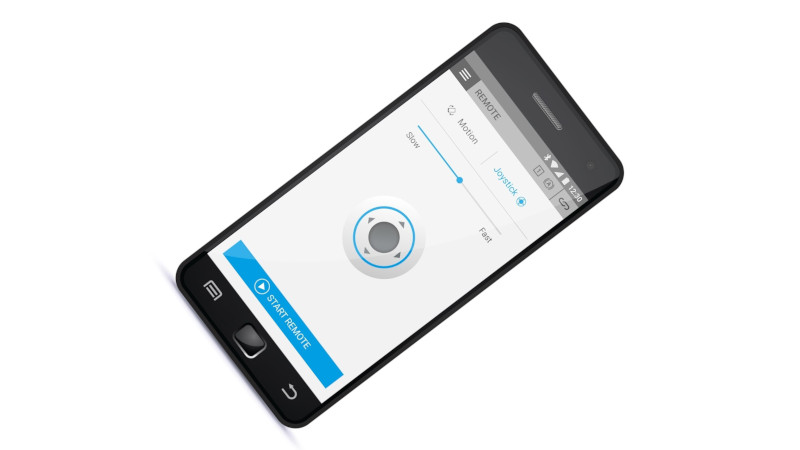
Modern wheelchairs are no longer just “chairs with wheels.” Many power wheelchairs are rolling computers: battery systems, programmable controllers, Bluetooth connections, seat elevation, tilt, recline, pressure-relief reminders, remote diagnostics, GPS-style trip data, and smartphone apps that can help users understand what their chair is doing before it decides to stage a dramatic performance in the grocery store aisle.
And yet, a strangely modern problem keeps showing up: insurance may approve the wheelchair, but not the digital tools that make the wheelchair easier, safer, and more practical to use. It is the healthcare version of buying someone a car but saying, “The steering wheel is covered, but the dashboard is a luxury add-on.”
This gap matters because wheelchair users do not experience mobility as a line item on an insurance form. They experience it as the ability to get from bed to bathroom, from kitchen to work, from clinic to classroom, from “I need help” to “I’ve got this.” When the app, software, remote diagnostic tool, or connected service is treated as optional, the user may be left with a technically covered device that is harder to manage in real life.
Why Insurance Covers the Wheelchair First
In the United States, wheelchairs are generally handled as durable medical equipment, often called DME. Medicare, Medicaid programs, and private insurers usually ask a familiar set of questions: Is the equipment medically necessary? Is it prescribed by a qualified clinician? Is it appropriate for use in the home? Does it meet a coverage category? Is the documentation complete enough to survive the paperwork obstacle course, which sometimes feels like a sport no one trained for?
For many people, a power wheelchair may be covered when a manual wheelchair, cane, walker, or scooter cannot safely meet their mobility needs. A clinician must document the person’s mobility limitation, functional needs, ability to operate the device, and why a specific type of wheelchair is required. For complex rehab technology, the process can involve therapists, physicians, assistive technology professionals, suppliers, measurements, seating evaluations, and multiple layers of prior authorization.
That system was built around physical equipment: the base, the drive system, batteries, seating components, cushions, joysticks, headrests, lateral supports, and other medically necessary accessories. It can cover important upgrades when they are clearly tied to medical need, such as specialized seating, pressure management, or certain powered positioning features. But once the conversation moves from hardware to software, coverage can get foggy fast.
The App Is Not Just a Cute Extra
A wheelchair app can sound like a convenience feature until you look at what these apps may actually do. Some manufacturer apps allow users to check battery charge, estimate remaining driving range, track seat function use, review distance traveled, lock or unlock settings, adjust certain performance preferences, or share diagnostic information with service providers. In plain English: the app can help prevent surprises, support safer use, and make repairs less mysterious.
Battery range alone is a big deal. A power wheelchair user may need to know whether the chair can make it through a commute, a medical appointment, a family event, or a day on campus. Running out of charge is not the same as a phone dying. A dead phone is annoying. A dead power wheelchair can mean being stranded, missing care, losing independence, or needing emergency help.
Remote diagnostics can also be more than a tech perk. If a chair is making a strange noise, throwing an error code, or refusing to cooperate, software data may help a technician identify the problem before a home visit. That can reduce delays, prevent unnecessary parts orders, and help the user explain the problem without saying, “It made a beep, then a worse beep, then it gave up on life.”
Where the Coverage Gap Begins
The problem is not always that insurers are hostile to technology. Often, the issue is that reimbursement systems are old-fashioned. Coverage decisions depend on categories, billing codes, benefit definitions, and medical necessity rules. A wheelchair fits into durable medical equipment. A cushion fits into wheelchair accessories. A motor controller fits into the device. But a smartphone app, cloud service, subscription, software unlock, or data platform may not fit neatly anywhere.
Insurance likes boxes. Software is more like vapor with a login screen.
If the app is free and included by the manufacturer, the user may get access without needing a separate claim. But if a connected feature requires a paid subscription, specialized programming, remote monitoring service, or separate software license, the path gets complicated. Is it DME? Is it a medical device accessory? Is it remote patient monitoring? Is it assistive technology? Is it a convenience item? Is it bundled into the wheelchair price? Is it excluded because the phone itself is not medical equipment? Different payers may answer differently.
The “In the Home” Rule Still Shapes Mobility
One of the most frustrating realities in wheelchair coverage is that medical necessity is often evaluated around activities inside the home. The logic is that DME coverage is designed to help a person perform mobility-related activities of daily living, such as toileting, bathing, dressing, grooming, and eating. Those are essential activities, of course. Nobody is arguing that bathroom access is a minor detail.
But people do not live only in their homes. They work, study, shop, worship, parent, travel, date, volunteer, vote, and try to enjoy a decent taco without turning the outing into a logistical thesis. A wheelchair that works only in the narrowest insurance definition of daily living may not fully support real daily life.
App-based wheelchair tools often become most useful outside the home. Battery range estimates matter when a user is away from a charger. Remote locking may matter in public spaces. Maps and trip data may help users understand how far they can go. Diagnostic alerts may matter when the chair starts misbehaving halfway between home and anywhere useful. Yet if coverage policy focuses narrowly on in-home need, these digital features may be dismissed as convenience rather than access.
Software as a Medical Tool: The System Is Catching Up Slowly
The U.S. healthcare system is slowly learning how to deal with medical software. The FDA has frameworks for certain device software functions and mobile medical applications, especially when software affects the performance of a medical device or carries greater risk if it fails. Meanwhile, medical billing has expanded in areas such as remote patient monitoring and remote therapeutic monitoring.
Still, “regulated” does not automatically mean “reimbursed.” A product can be medically useful, carefully designed, and even cleared or authorized as a medical device, yet still face coverage barriers. Insurers usually want evidence that the tool improves outcomes, prevents costly events, fits into a recognized benefit category, and can be billed through an existing code. In other words, healthcare payment does not reward innovation just for wearing a shiny badge. It wants proof, paperwork, and a parking spot in the billing system.
That creates a strange middle zone for wheelchair apps. They may be valuable, but not always separately payable. They may support safety, but not always be considered medically necessary. They may reduce repair delays, but not be linked to a reimbursement pathway. Users are left asking the obvious question: if the app helps the wheelchair function better, why is it treated like a bonus feature?
Repair Delays Make the App Question More Urgent
Wheelchair repair is one of the biggest pain points in mobility access. A broken power wheelchair can trap someone at home or in bed. Repairs may be delayed by parts shortages, technician availability, documentation requirements, supplier capacity, insurance authorization, and disputes over who pays for what. For users who rely on complex rehab technology, a loaner chair may not fit their body, posture, pressure needs, or controls. A “temporary replacement” can be temporary in the same way a folding chair is a temporary dentist’s office: technically something to sit in, but not the right solution.
Connected apps and remote diagnostics cannot fix every repair problem, but they can help. They may identify battery issues earlier, show usage patterns, provide service data, or allow technicians to troubleshoot more efficiently. When digital tools shorten the time between “something is wrong” and “someone knows what is wrong,” they become part of functional independence.
Insurance coverage that ignores software may miss a chance to prevent larger costs. A wheelchair breakdown can lead to missed medical appointments, pressure injuries, falls during unsafe transfers, caregiver strain, emergency transportation, or hospitalization. Covering a useful app or connected service may be cheaper than paying for the consequences of avoidable failure. This is not futuristic thinking. It is basic math wearing better shoes.
Why Payers Hesitate
1. Medical necessity is hard to define for software
For a seat cushion, a clinician can explain pressure relief. For a joystick mount, they can explain access and positioning. For an app, the explanation may be less familiar: battery management, remote diagnostics, service coordination, error reporting, or independence outside the home. Payers may ask whether the app is essential or merely helpful.
2. Billing codes may not exist
Even when everyone agrees a tool has value, reimbursement can stall if there is no clear code. Healthcare billing is not a vibes-based economy. Someone has to identify exactly what is being billed, under what benefit, at what price, and with what documentation.
3. Smartphones complicate coverage
Many wheelchair apps run on personal smartphones. Insurers generally do not want to pay for ordinary consumer devices, even when those devices are used for medical functions. That makes software-only or phone-based tools harder to cover than physical wheelchair components.
4. Evidence may be limited
Payers often want studies showing that a digital feature improves health outcomes, reduces adverse events, or lowers costs. Manufacturers may promote convenience, independence, or user confidence, but insurers may ask for measurable clinical and economic proof.
5. The system fears runaway add-ons
Insurers worry that covering every app-like feature could open the door to endless upgrades. That fear is not completely irrational, but it can lead to overly blunt denials. The better approach is not to reject software as a category, but to define when it is medically necessary and when it is truly optional.
What a Better Coverage Policy Could Look Like
A smarter policy would separate entertainment-style features from functional access tools. Not every app connected to a wheelchair needs insurance coverage. But when a digital tool supports safety, maintenance, battery management, medically necessary positioning, remote diagnostics, or communication with clinicians and suppliers, it should be evaluated as part of the mobility system.
Coverage criteria could ask practical questions:
- Does the software help the user operate the wheelchair safely?
- Does it monitor battery, seating, or mechanical conditions tied to health or mobility?
- Does it reduce the risk of breakdown, injury, or avoidable service delays?
- Is it required to access features already approved as medically necessary?
- Can the clinician document why the user needs this function?
- Is the cost reasonable compared with the potential harm of not having it?
This type of policy would not turn every app into a blank check. It would simply acknowledge that in modern assistive technology, software can be part of the device’s function. A wheelchair with connected features is not two separate worlds: “real chair” and “cute phone thing.” It is one mobility ecosystem.
What Users and Clinicians Can Do Now
Until coverage rules improve, users and care teams may need to document digital wheelchair tools with the same seriousness as physical components. That means describing the medical and functional reason for the app or software, not just the brand name or convenience benefit.
Instead of saying, “The user wants the app,” documentation should explain, “The user requires battery range monitoring to avoid being stranded due to limited upper-body strength and inability to self-propel a manual chair.” Instead of saying, “Remote diagnostics are helpful,” it should explain, “Remote diagnostics may reduce repair delays that would otherwise leave the user without independent mobility and increase risk of missed medical care or unsafe transfers.”
Users can also keep records of breakdowns, battery failures, missed appointments, service delays, and situations where app data would have helped. These notes may support appeals. Insurance decisions are often influenced by evidence, and lived experience becomes stronger when it is specific, dated, and connected to health or safety.
The Bigger Issue: Independence Is Not an Accessory
The phrase “The insurance buys the wheelchair, but not the app to run it” captures more than a technology complaint. It exposes a deeper flaw in how healthcare systems define mobility. Too often, coverage asks, “Can the person move at all?” when the better question is, “Can the person move safely, reliably, and with dignity in the life they actually live?”
A wheelchair is not a luxury product. It is a body extension, transportation system, posture support, pressure management tool, independence platform, and daily survival device. When software becomes essential to understanding and maintaining that device, the software deserves serious consideration.
Of course, insurers need boundaries. Fraud exists. Costs matter. Documentation matters. But denying app-based functions simply because they are digital is like refusing to cover insulin pump software because “the pump is the real thing.” In modern healthcare, the “real thing” often includes code.
Real-Life Experiences: When the Chair Is Covered but Control Is Not
Imagine a power wheelchair user named Marissa. Her insurer approves a complex power chair after months of paperwork, evaluations, and phone calls that could make a calm person start naming their houseplants after claims representatives. The chair finally arrives, customized to her posture and control needs. It has a battery system, programmable seating, and a companion app that shows range estimates and service alerts. The app is not flashy. It does not play music, order pizza, or tell jokes. It simply tells her whether she can make it through the day.
At first, Marissa assumes this is part of the package. Then she learns that certain connected service features require setup, ongoing support, or subscription access that her plan does not clearly cover. The supplier says the app is useful. Her therapist agrees it could support independence. The insurer says the wheelchair is covered, but the software feature is not listed as a covered item. Everyone is polite. No one is helpful. The result is a familiar healthcare triangle: the user, the provider, and the payer all pointing at different manuals.
Without the app, Marissa starts guessing. She charges the chair overnight, but older batteries behave differently in cold weather. On long appointment days, she becomes cautious. She skips a stop at the pharmacy because she is not sure the chair has enough range. She avoids taking a different route because she cannot easily predict the battery impact. Her world becomes smaller, not because the chair cannot move, but because the information needed to trust it is missing.
Now consider David, a college student whose chair occasionally displays an error code. The chair still works most of the time, which makes the problem hard to explain. A connected diagnostic tool could show the issue to a technician before the chair fails completely. Instead, David waits until the problem becomes obvious enough to justify a repair visit. By then, he has missed class twice and had to rely on friends for transportation. The repair itself is not magical; it still needs parts and labor. But earlier information could have shortened the guessing game.
Or picture Elaine, an older adult who uses powered seating to shift pressure and reduce discomfort. Her care team wants to understand how often she uses tilt and recline throughout the day. App-based seat activity data could help guide education and prevent pressure-related complications. Without it, the conversation depends on memory. Elaine tries her best, but remembering exact positioning habits is not easy when the day includes meals, medications, phone calls, fatigue, and the universal mystery of where reading glasses go.
These experiences show why the app question is not about gadgets. It is about confidence, prevention, and control. The wheelchair gives movement, but the software can give awareness. Awareness changes behavior. It helps users plan trips, communicate with repair teams, share meaningful information with clinicians, and avoid small problems before they become expensive disasters.
The frustrating part is that healthcare already understands this logic in other areas. Glucose monitors, pacemaker data, remote blood pressure readings, and therapy monitoring tools all reflect the same idea: information can be medical. Data can prevent harm. Alerts can change outcomes. The challenge is applying that logic fairly to wheelchair technology.
For wheelchair users, the ideal future is not complicated. Cover the chair. Cover the medically necessary accessories. And when software is required to safely operate, monitor, maintain, or fully use the covered device, evaluate it as part of the mobility system. Nobody is asking insurance to fund a premium sticker pack for a wheelchair app. The request is simpler and more serious: do not approve the machine and deny the tools that help people trust it.
Conclusion
Insurance coverage for wheelchairs has improved in important ways, especially as policymakers recognize that mobility equipment includes more than a basic frame and wheels. But the rise of connected wheelchair technology has exposed a gap between old reimbursement categories and modern assistive devices. A power wheelchair may be approved as durable medical equipment, while the app that supports battery management, diagnostics, seating insights, or safe daily use falls into a gray area.
That gap can shrink a person’s world. It can make travel riskier, repairs slower, and independence more fragile. The solution is not to cover every digital feature automatically. The solution is to treat medically necessary wheelchair software with the same seriousness as other functional accessories. When an app helps a user operate, maintain, or safely rely on a covered wheelchair, it should not be dismissed as a luxury. Independence is not an upgrade. It is the point.
Note: This article is for general informational and editorial purposes only. Coverage rules vary by insurer, plan, state, medical documentation, and individual circumstances. Readers should consult their healthcare provider, wheelchair supplier, benefits administrator, or insurance plan for case-specific guidance.