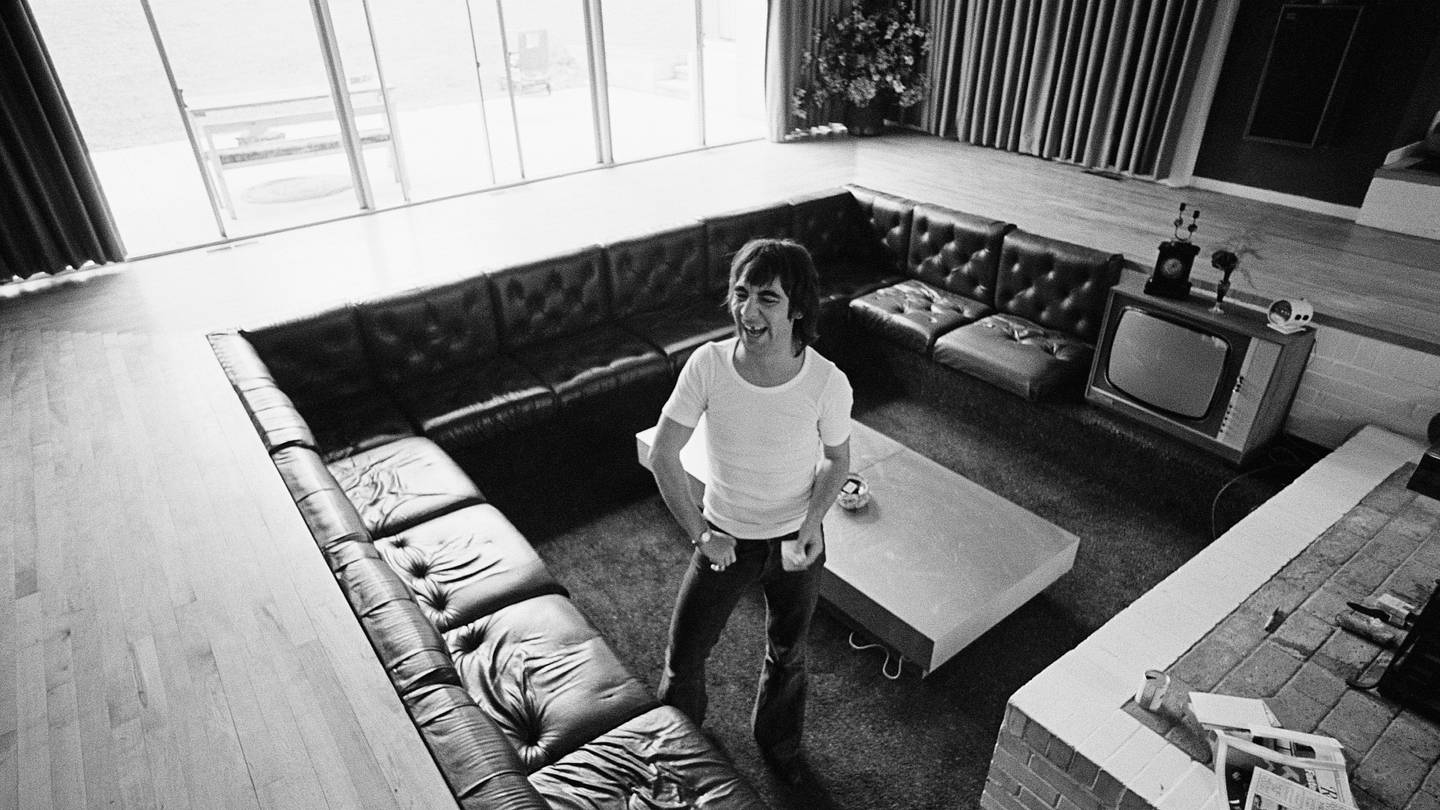
There was a time in American design history when the height of sophistication was, oddly enough, several inches lower than the rest of the floor. Welcome to the golden age of the sunken living room, also known as the conversation pit: that cozy, carpeted, architect-approved dip in the floor where guests could lounge, sip something dramatic, and pretend nobody was worried about tripping on the way to the cheese ball.
From glamorous mid-century homes to 1970s suburban showpieces, sunken living rooms became a symbol of modern living, social connection, and architectural confidence. They promised intimacy without walls, drama without a chandelier, and a built-in excuse to say, “Step down into the living room,” as if your house were hosting a small theater production.
But like shag carpet, mirrored walls, and avocado-green appliances, the sunken living room eventually became a design feature Americans loved, questioned, removed, and thenbecause nostalgia is undefeatedstarted admiring all over again.
What Is a Sunken Living Room?
A sunken living room is a living area set lower than the surrounding floor level, usually by one to three steps. In its more dramatic form, it becomes a conversation pit: a recessed seating zone often arranged around a coffee table, fireplace, or central focal point. Instead of separating a room with walls, the floor itself creates a boundary.
The idea is simple but clever. By lowering the seating area, designers could define a social space while keeping the home visually open. People sitting in the pit faced one another, which made conversation feel natural. The design worked especially well in open-plan homes, where architects wanted flow, light, and connection without chopping the interior into small formal rooms.
In other words, the sunken living room was the architectural equivalent of saying, “Let’s all hang out together,” but with custom upholstery and a mild risk of ankle drama.
The Roots of the Conversation Pit
Although Americans embraced sunken living rooms in the mid-20th century, the basic idea of a lowered gathering space is much older. Around the world, homes and communal buildings have long used floor levels, built-in seating, mats, platforms, and hearth-centered spaces to bring people together. What changed in the United States was the way modern architects turned that instinct into a polished design statement.
One of the earliest modern American examples is often credited to architect Bruce Goff, who used a sunken seating area in the 1920s. Goff’s work helped introduce the idea that the living room did not need to be a box filled with movable furniture. It could be shaped like an experience.
By the 1950s, the concept had found a perfect cultural moment. Postwar America was building new homes, buying new furniture, entertaining at home, and experimenting with a less formal way of living. The country was ready for open plans, indoor-outdoor connections, and living rooms that looked as if they belonged in the future.
Why Americans Fell for Sunken Living Rooms
They Made Open Plans Feel Human
Mid-century modern design loved openness. Glass walls, flowing layouts, and fewer interior barriers made houses feel larger and lighter. But open rooms can sometimes feel like airports with sofas. The sunken living room solved that problem by creating a distinct destination without closing anything off.
A few steps down, and suddenly the seating area had identity. It was not just “some chairs near a window.” It was a place. A zone. A social nest. The floor change gave the room shape while keeping views open across the house.
They Encouraged Real Conversation
Before every living room revolved around a giant television, the main event was often conversation. People hosted cocktail parties, bridge nights, family gatherings, and holiday visits where guests were expected to speak to one another instead of silently scrolling through a glowing rectangle.
The conversation pit supported that lifestyle beautifully. Seating faced inward. Guests sat close enough to talk without shouting across the room. Coffee tables sat at the center like diplomatic negotiation tables, only with pretzels and ashtrays. The design gently forced social interaction, which may sound terrifying now but was once considered charming.
They Looked Expensive
Let’s be honest: sunken living rooms had status. A flat living room said, “We own furniture.” A sunken living room said, “An architect has been here, and possibly a jazz record.”
Because they required planning, construction, and often custom seating, conversation pits felt intentional and upscale. They were not something most homeowners could casually add on a Saturday with a hammer and optimism. In magazines, movies, and high-design homes, they became a shorthand for taste, leisure, and modern confidence.
Famous Examples That Shaped the Trend
The Miller House in Columbus, Indiana
One of the most important examples of the American conversation pit is found in the Miller House in Columbus, Indiana. Designed by architect Eero Saarinen, with interiors by Alexander Girard and landscape design by Dan Kiley, the house became one of the great landmarks of mid-century modern residential design.
Girard’s colorful conversation pit helped soften the home’s rigorous modern structure. It created a warm, playful heart inside a glassy, disciplined architectural plan. The Miller House proved that modernism did not have to feel cold. It could be vivid, social, and surprisingly comfortableespecially if you were willing to lower the floor and add great textiles.
The TWA Flight Center in New York
Saarinen also brought sunken glamour to public architecture with the TWA Flight Center at John F. Kennedy International Airport. Its famous red sunken lounge became a symbol of Jet Age style. The space captured the optimism of the early 1960s, when air travel felt glamorous and airports did not yet resemble emotional obstacle courses with pretzels.
The TWA sunken lounge showed how a recessed seating area could create drama in a large public interior. It invited people to pause, gather, and feel part of a futuristic scene. The fact that it remains beloved today says a lot about the lasting emotional power of the design.
Paul Rudolph and the Florida Modernists
Architect Paul Rudolph also used sunken living areas in several residential projects, especially in Florida. His work often explored levels, platforms, built-in seating, and dramatic spatial relationships. In homes such as the Milam Residence and other modernist projects, the lowered living area became part of a larger architectural language of light, shadow, structure, and social performance.
These houses were not shy. They treated domestic life as something worthy of architectural theater. The sunken living room was not just a place to sit; it was a stage for modern living.
The 1960s and 1970s: When the Pit Went Mainstream
By the 1960s and 1970s, the sunken living room had moved from elite modernist homes into the broader American imagination. It appeared in home magazines, suburban floor plans, television sets, and aspirational interiors. The look fit perfectly with the era’s love of wall-to-wall carpet, low sofas, warm woods, indoor plants, and rooms designed for lounging rather than sitting stiffly like Victorian furniture had personally offended someone.
In many homes, the design was less dramatic than a full conversation pit. A living room might simply step down from the entry or dining area. This gave a standard house a sense of architectural flair. Builders could market the feature as modern, elegant, and perfect for entertaining.
The trend also reflected changing family life. Formal parlors were fading. Casual entertaining was rising. The living room was becoming a place to relax, listen to music, watch television, host friends, and sprawl comfortably. The sunken living room made all of that feel slightly more glamorous.
Why Sunken Living Rooms Fell Out of Favor
They Were Not Always Practical
As fabulous as sunken living rooms looked, they came with everyday complications. The steps could be easy to miss, especially in dim lighting. Guests unfamiliar with the layout sometimes performed an accidental interpretive dance on the way to the sofa. Families with young children, older adults, or anyone with mobility concerns often found the design less charming in real life than it looked in a magazine spread.
Accessibility became a bigger priority in residential design, and level floors were simply easier for more people to use. A home that requires visitors to constantly watch their step can feel less welcoming, no matter how stylish the carpet is.
Furniture Flexibility Was Limited
Many conversation pits relied on built-in seating or custom furniture. That was wonderful if the layout worked forever. It was less wonderful when homeowners wanted to rearrange the room, replace worn upholstery, add a sectional, or make space for a larger television.
Modern homeowners tend to value flexibility. Rooms now serve multiple roles: living room, media room, playroom, home office, workout corner, and emergency laundry-folding arena. A sunken area can limit those possibilities.
Design Tastes Changed
By the 1980s and 1990s, many homeowners associated sunken living rooms with dated 1970s interiors. Some were filled in during renovations to create level floors. Others were remodeled with railings, new flooring, or more conventional furniture arrangements.
What once felt futuristic began to feel like a relic. That is the funny thing about design trends: today’s bold statement can become tomorrow’s “What were we thinking?” and then, several decades later, return as “Actually, this is genius.”
The Modern Comeback of the Sunken Living Room
Today, sunken living rooms and conversation pits are enjoying renewed attention. The comeback is driven by nostalgia, social media, mid-century modern design, and a growing desire for interiors that encourage people to gather face-to-face. After years of open-concept rooms dominated by screens, the idea of a cozy conversation zone feels fresh again.
However, the modern version is usually more careful. Designers now think about lighting, step visibility, accessibility, handrails, contrasting flooring, and safe circulation. Some homeowners recreate the feeling without actually lowering the floor. They use low modular sofas, area rugs, curved seating, ottomans, and inward-facing furniture to create a “conversation pit effect” without construction.
This softer approach makes sense. You can get the intimacy and retro appeal without asking your guests to navigate a residential canyon.
How to Use the Idea in a Modern Home
Create a Conversation Zone
You do not need a literal pit to borrow the best idea from sunken living rooms. Arrange seating so people face one another rather than pointing every chair at the television. Use a coffee table, ottoman, or fireplace as the center. Add soft lighting and textured materials to make the space feel intentional.
Use Rugs and Levels Wisely
An area rug can define a room almost as effectively as a floor drop. Choose a rug large enough to hold the main furniture pieces together visually. If your home already has a sunken living room, make the step edges obvious with lighting, contrast, or trim so guests do not discover them the exciting way.
Keep Comfort at the Center
The original conversation pit succeeded because it made people want to sit down and stay awhile. Modern versions should do the same. Deep cushions, durable upholstery, warm colors, side tables, and layered lighting matter more than copying a 1970s magazine photo exactly.
The Cultural Meaning of Going Low
The sunken living room was more than a design gimmick. It captured a particular American dream: the home as a social stage. In the postwar decades, homeowners wanted spaces that looked modern, encouraged entertaining, and made everyday life feel a little more cinematic.
Lowering the living room changed the mood of the house. It made guests feel as if they were entering a special setting. It turned conversation into an event. It also showed that architecture could shape behavior in small but powerful ways. A lowered floor invited people to gather, lean in, and stay connected.
That is why the feature still fascinates us. Even people who would never build one enjoy looking at them. They represent a time when living rooms were designed around people facing people, not people facing devices. In a world where “hanging out” often means sitting near each other while separately staring at screens, the conversation pit feels almost radical.
Experiences and Reflections: Living With the Low Life
Spending time in a sunken living room is different from simply looking at one in a photo. In pictures, the design reads as stylish geometry: a clean rectangle, a soft square, a warm little island of upholstery. In person, it feels more emotional. You step down, your posture changes, the ceiling feels a bit higher, and the rest of the room seems to float around you. It is a small physical movement, but it creates a surprisingly strong psychological shift.
That is the magic of the feature. A good sunken living room makes people feel tucked in without feeling trapped. It creates the comfort of a den while preserving the openness of a larger room. You can still see the windows, the fireplace, the kitchen, or the garden, but the lowered seating tells your brain, “This is where we settle.” It is not subtle, but it is effective.
At a party, the conversation pit can become the natural center of gravity. People drift toward it because it looks inviting. Once seated, they tend to stay. The inward-facing arrangement makes it harder for one person to dominate the room from a distant armchair. Everyone is part of the same circle, square, or U-shaped social orbit. Even shy guests often find it easier to join in because the furniture does some of the social organizing for them.
Of course, the experience is not all smooth jazz and perfect lighting. The first rule of visiting a sunken living room is: watch your step. The second rule is: seriously, watch your step. A poorly lit pit can turn elegance into slapstick in half a second. This is why the best examples use clear transitions, visible edges, and thoughtful lighting. A beautiful design should not behave like a prank.
Families also experience these rooms differently over time. Young children may treat the lowered area as a playpen, stage, fort, trampoline, or all-purpose chaos bowl. Teenagers may claim it as a lounge zone. Adults may love it for movie nights and gatherings but quietly wonder how difficult it would be to vacuum the corners. Older residents may eventually find the steps inconvenient. The same feature can feel delightful, dramatic, annoying, and nostalgic depending on the season of life.
What makes the sunken living room memorable is that it creates stories. People remember the house with the pit. They remember sleepovers, holiday gatherings, awkward first dates, loud family games, spilled drinks, and the uncle who missed the step even after being warned three times. Ordinary flat rooms can be beautiful, but sunken living rooms are theatrical. They give domestic life a set piece.
For modern homeowners, the lesson is not necessarily “dig a hole in your living room.” The better lesson is to design for togetherness. The conversation pit became iconic because it understood that homes are not just containers for furniture. They are settings for human behavior. They can pull people apart, or they can gently pull people closer.
That is why the low life still has charm. A sunken living room says the best part of the house is not the television, the square footage, or even the dramatic architecture. The best part is the group of people gathered in the middle, talking, laughing, lounging, and maybe keeping one cautious eye on the step.
Conclusion
The rise and fall of the sunken living room tells a wonderfully American design story. It began as a modern architectural experiment, became a symbol of mid-century sophistication, went mainstream in the 1960s and 1970s, and then faded as practicality, accessibility, and changing tastes reshaped the home. Today, its comeback reminds us that great interiors are not only about how a room looks, but how it makes people behave.
The conversation pit may not be right for every home. It can be expensive, inflexible, and occasionally rude to ankles. But its best idea remains timeless: create a place where people naturally gather. Whether through a true recessed floor or a clever furniture layout, the spirit of the sunken living room still works. It invites us to sit closer, talk longer, and rediscover the lost art of being in the same room on purpose.
Note: This article synthesizes real design-history information from reputable architecture, museum, preservation, and home-design sources, with source links intentionally omitted for publication-ready use.